How to Unclog Your HVAC Drain and Keep It Flowing
Heating, Ventilation, and Air Conditioning (HVAC) systems are foundational to modern home comfort. Central to that comfort, especially in hot, humid climates, is your HVAC system’s ability to control moisture. One of the lesser-known, yet absolutely essential, components in that performance is the HVAC drain line. When that line gets clogged, water backs up, possibly leaking into your home and causing unnecessary damage. This article will demystify what the drain line does, how it gets clogged, and how you can resolve the problem and protect your system—while highlighting when a home warranty, like one from Armadillo, can reduce stress and save expenses.
What Does the HVAC Drain Line Do?
The HVAC drain line—sometimes called a condensate drain or AC drain—is responsible for carrying away the condensation that forms when your air conditioning system is pulling humidity from the air. When warm, moist indoor air passes over the evaporator coil in your HVAC unit, it cools down quickly, resulting in condensation. That moisture drips into a drain pan and then exits your home through the condensate line. It’s a simple gravity-fed process designed to prevent water intrusion in places where moisture isn’t welcome—like ceilings, basements, and utility closets. But if that line clogs, you could find yourself with a very wet problem.
How Do HVAC Drains Get Clogged?
Over time, algae, mold, mildew, and debris from dust or even insects can collect within the condensate drain. The drain line is typically a narrow PVC pipe that runs from the indoor unit to the outside of your house, so it doesn’t take much to block it up. In addition, homes in warmer climates or those with HVAC systems running year-round are especially prone to this type of blockage due to higher humidity levels. Left untreated, this clog pressure mounts until water backs up into the drain pan, potentially overflowing into insulation, drywall, or subflooring—none of which are designed to handle water exposure.
Signs Your HVAC Drain Line Is Clogged
A clogged HVAC drain line may not always present itself obviously—but there are warning signs worth noticing. You might hear dripping around the unit, find unexplained moisture on your floor, or experience moldy smells around the system. Some modern HVAC systems are equipped with overflow sensors that shut the unit off when a clog is detected—so if your AC stops running with no warning, this may be the source. A visible indicator is noticing stagnant water in the drain pan or even mildew buildup near the air handler. All of these are flags it’s time to take a closer look.
Step-by-Step: How to Unclog the HVAC Drain Line
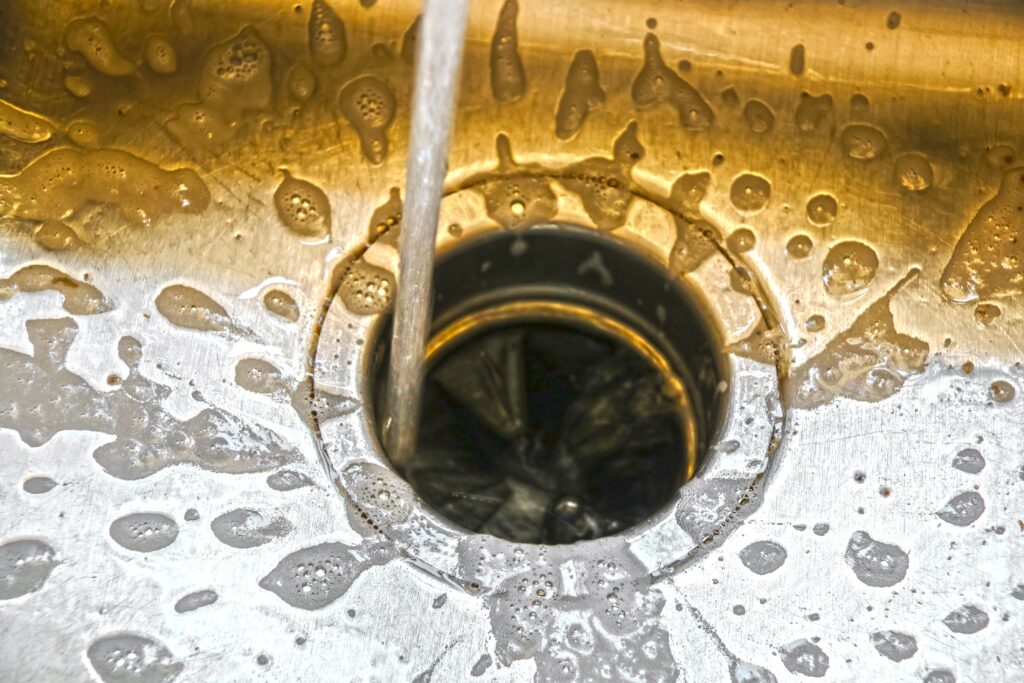
Start by turning off the HVAC system to prevent any electrical glitches while working. Then locate the drain line access—it’s a small T-shaped vent with a cover, usually near the indoor air handler. Remove the cap. Pour a mixture of distilled vinegar and warm water (some professionals also recommend using a mild dish soap mixture) into the line and let it sit for around 30 minutes. Follow that with a flush using clean water. For more stubborn clogs, a wet/dry vacuum can be attached to the outdoor drain line exit to draw out any compacted material. Ensure the vacuum creates a tight seal and run it for a minute or two until debris is drawn out. Finally, inspect the effectiveness by pouring more water into the access cap and observing the flow. If water exits freely outside, the line is cleared.
How to Keep Your HVAC Drain Clear in the Future
Preventing future clogs really comes down to simple, consistent maintenance. Flushing the drain line with a vinegar solution every few months is an effective way to stay on top of buildup. Installing a float switch—if your system doesn’t already have one—is also a wise precaution. It cuts power to the AC when the water level rises too high due to a clog. Additionally, make sure the outdoor exit of the drain line remains clear of dirt, leaves, or insects. During routine filter changes or system inspections, glance at the drain pan and ensure there’s no standing water or visible mold growth. Catching it early limits the risk.
Why This Matters for Homeowners
A clogged HVAC drain may seem minor, but can quickly lead to costly damage—think ceiling stains, warped flooring, or mold remediation. Beyond immediate discomfort, water damage can cause long-term structural issues. Many homeowners aren’t aware that these issues may not be covered under typical homeowners insurance, particularly if they stem from deferred HVAC maintenance. That’s where understanding how your home systems operate becomes more than just trivia—it’s preventative action. Regularly maintaining and monitoring your HVAC drain helps keep your system efficient, protect indoor air quality, and extend the life of your unit. It also aligns with the terms in most home warranty plans, which often require that systems are properly maintained for coverage approval during claims.
When to Call in a Professional
If you’ve attempted clearing the line and the water isn’t draining, or if the unit continues leaking or won’t turn back on, it’s time to seek professional service. While basic clogs can often be handled with household tools and supplies, more complex drainage issues can indicate a deeper issue—such as a cracked drain pan, mold deep in the ducts, or misrouted pipes. HVAC technicians have the right diagnostic tools, and repairs made by a licensed service provider are often required to maintain compliance with your home warranty terms. Ignoring the signs or investing in a temporary fix often costs more in the long term.
Protect Your HVAC with Confidence Through Armadillo
Maintaining your HVAC system—drain line included—helps ensure comfort, air quality, and long-term reliability. But when systems stop working, it’s easy to feel caught off guard. That’s where a home warranty from Armadillo makes a difference. Armadillo offers flexible protection plans that cover essential home systems, including HVAC units. If your drain line leads to AC failure, eligible covered repairs come without the usual financial shock. We work quickly and transparently, giving you back control and peace of mind. Learn more about how Armadillo can protect your home by visiting our homepage. Ready to tailor a plan to your needs? Start today with our easy plan builder.