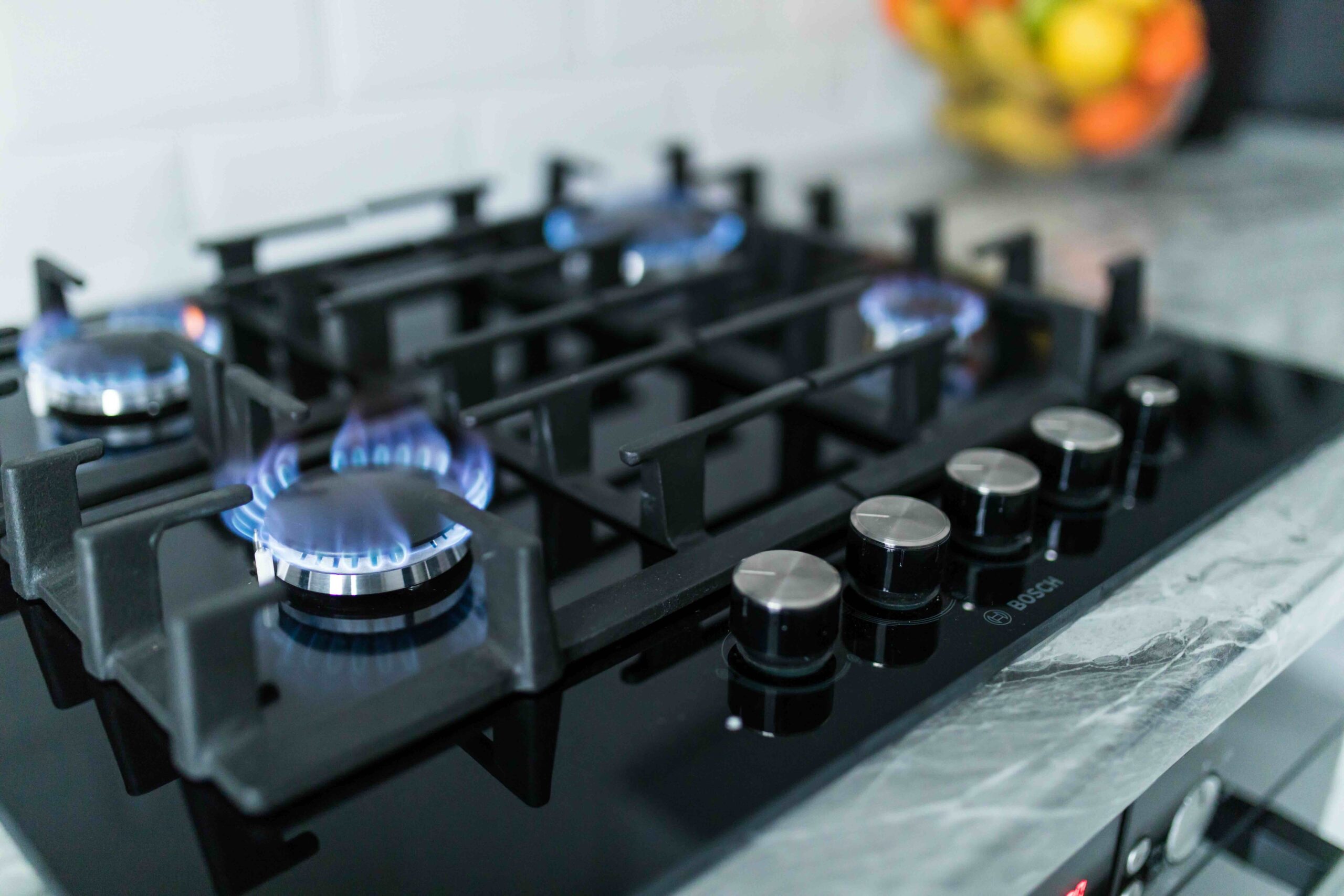
What It Means to Unhook a Gas Range — And Why Getting It Right Matters
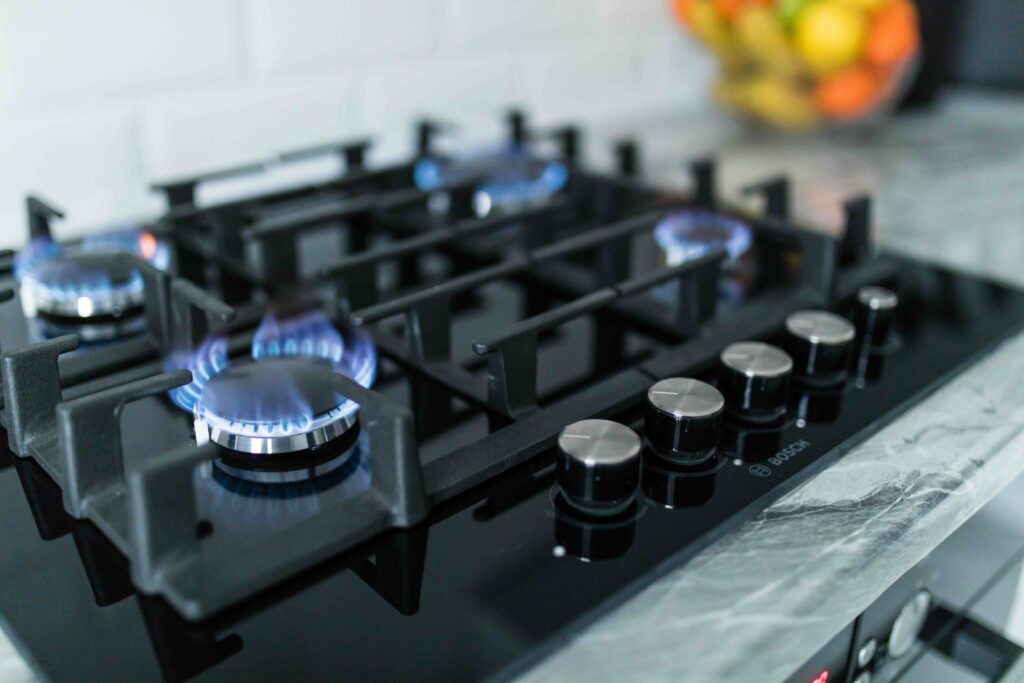
At some point, most homeowners find themselves staring at their gas range thinking, okay, this thing has to move. Maybe you are renovating the kitchen, replacing an aging appliance, or just need to clean behind it after realizing something rolled back there months ago. Whatever the reason, unhooking a gas range is one of those tasks that sounds intimidating but is actually very manageable when approached correctly. The catch is that gas appliances require a level of care and awareness that electric appliances simply do not. This guide walks through the full process — what it is, how it works, the real advantages of knowing how to do it, and the legitimate drawbacks that come with getting it wrong.
Understanding How a Gas Range Connects to Your Home
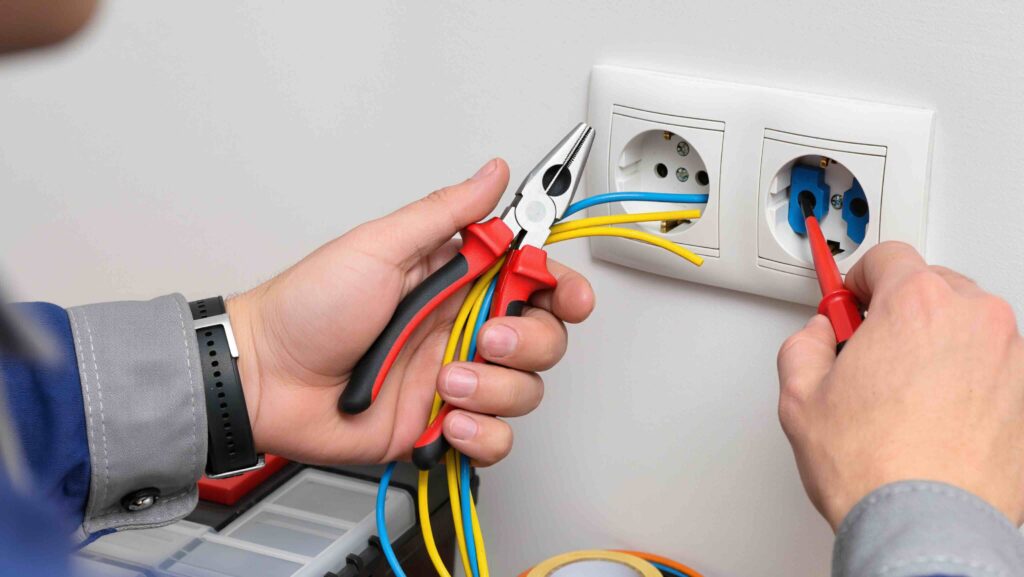
Before anything is moved or touched, it helps to understand what you are actually dealing with. A gas range connects to your home through a gas supply line — typically a flexible stainless steel connector that runs from a shut-off valve on the wall or floor directly to the back of the appliance. This flexible connector is designed to absorb minor movement without cracking or leaking, but it is not indestructible. Most gas ranges also have an anti-tip bracket securing them to the floor or wall, and an electrical connection — yes, even gas ranges need power for the igniter, clock, and oven light. So when you unhook a gas range, you are actually dealing with three separate disconnections: gas, electricity, and the physical anchor. Each one has its own process and its own risk profile if handled carelessly.
Tools and Supplies You Will Need Before You Start
Gathering the right materials before you begin saves time and prevents the kind of mid-project scrambling that leads to mistakes. Here is what you should have on hand:
- An adjustable wrench or pipe wrench
- Dish soap and water in a small spray bottle for leak testing
- Flashlight or headlamp for visibility behind the appliance
- Work gloves to protect your hands
- Appliance dolly or moving straps if you plan to relocate the range
- A helper — this is not a solo task if you can avoid it
You do not need specialty plumbing equipment for a standard gas range disconnection. But having the basics ready means you are not improvising when it counts.
Step-by-Step: How to Safely Unhook a Gas Range
The process has a clear sequence, and order matters. First, locate the gas shut-off valve — it is usually behind or beside the range, sometimes inside an adjacent cabinet. Turn it perpendicular to the gas line to shut off the flow. Next, unplug the range from its electrical outlet, which is typically located behind the unit near the floor. Once both utilities are disconnected, you can use your adjustable wrench to carefully loosen the flexible gas connector from the shut-off valve fitting. Turn counterclockwise. Do not yank or force it — these fittings can corrode over time and need steady, controlled pressure. After the connector is detached, cap the open valve using a gas cap or plug rated for your line size. Then locate and remove the anti-tip bracket at the base of the unit before sliding the range forward. Spray your soapy water solution around any fittings you touched. Bubbles mean a leak. No bubbles, you are clear.
Key Advantages of Knowing How to Disconnect a Gas Range
There is real value in understanding this process as a homeowner. Being able to unhook a gas range yourself means you are not waiting on a service call just to move an appliance. It gives you flexibility during renovations, emergencies, and appliance replacements. It also helps you communicate more effectively with contractors and technicians — you know what the job actually involves, which means you are less likely to be overcharged or misinformed. And honestly, that kind of working knowledge builds general confidence in managing your home systems. It is the difference between feeling like a passive occupant and someone who genuinely understands their space.

Common Mistakes Homeowners Make When Disconnecting a Gas Range
The most frequent error is skipping the gas shut-off step entirely — assuming the range being off means gas is not flowing. That is incorrect. Gas continues to move through the line until the valve is manually closed. Another common mistake is over-tightening or cross-threading the connector fittings when attempting to reattach them, which creates leaks that may not be immediately obvious. Some homeowners also forget to remove the anti-tip bracket before pulling the unit forward, which can damage the floor or the bracket itself. And then there is the solo pull — one person trying to drag a gas range forward without a helper, which risks yanking the connector before it is fully detached. Slow, methodical, and assisted is always the right approach here.
When to Call a Professional Instead
There are real scenarios where DIY disconnection is not the right call. If your gas line uses threaded iron pipe instead of a flexible connector, that is a job for a licensed plumber or gas technician — full stop. If you detect any odor of gas before you even begin, leave the area, avoid using any switches or flames, and contact your gas utility immediately. Corroded fittings, unusually old connectors, or any visible damage to the supply line are also strong indicators to bring in a professional. The flexible connector itself has a recommended service life, and if yours looks questionable, replacement during disconnection is a smart move — but one that should involve someone qualified. Knowing your limits is not a weakness in home maintenance. It is just good judgment.
What Happens to the Gas Line After Disconnection
Once the range is unhooked, the open gas valve needs to be capped or plugged to prevent accidental gas release. This is not optional. A capped valve also allows you to test the connection point for any residual seeping before you walk away. If you are replacing the range with another gas appliance, the existing shut-off valve and line can often be reused — though it is worth having a technician inspect the flexible connector before reattaching anything. If you are switching to an electric range or induction cooktop, the gas line will need to be properly capped and possibly decommissioned depending on your local codes. That conversation belongs with a licensed professional who knows your municipality’s requirements.
How a Home Warranty Fits Into Gas Appliance Ownership
Here is something worth thinking about: gas ranges are complex systems. The burners, ignitors, gas valves, oven controls — any of those components can fail, and repair costs add up fast. A home warranty plan that covers kitchen appliances can be the difference between a manageable situation and an unexpected budget hit. When something breaks down on a covered appliance, the warranty handles the repair or replacement cost, subject to your plan terms. For homeowners who rely on their kitchen daily, that kind of financial protection is not just convenient — it is practical. Understanding how to unhook your range is one piece of appliance ownership. Knowing what happens when it breaks down is another piece entirely.
Why Armadillo Is the Right Home Warranty Partner for Gas Appliance Owners
If you are the kind of homeowner who takes the time to understand how your appliances work — down to the gas line and the shut-off valve — then you already understand the value of being prepared. That same mindset is exactly what Armadillo’s home warranty coverage for kitchen appliances and home systems is built around. Armadillo offers straightforward plans without the confusing fine print that makes most warranties feel like a trap. Coverage for gas appliances, including ranges and cooktops, is part of what they do — and the process for filing a claim is designed to be as painless as the disconnection process you just learned. If you are ready to stop gambling with repair costs and start protecting your home properly, take two minutes and get a free gas appliance home warranty quote from Armadillo today. Preparation is always the smarter play.

Frequently Asked Questions About Unhooking a Gas Range
Answers to the questions homeowners ask most often about safely disconnecting a gas range at home.
Is it safe to unhook a gas range yourself?
Yes, in most cases a homeowner can safely disconnect a standard gas range as long as the gas supply valve is turned off first, the electrical connection is unplugged, and the work is done slowly and carefully. If you encounter corroded fittings, threaded iron pipe, or any smell of gas, stop and contact a licensed professional.
How do I know if my gas is turned off before disconnecting the range?
The shut-off valve handle should be perpendicular to the gas line when the gas is off. If it is parallel to the line, gas is still flowing. Always confirm the valve position visually before loosening any fittings.
Do I need to cap the gas line after removing the range?
Yes. Any open gas valve or line must be capped or plugged immediately after disconnection to prevent accidental gas release. Use a cap or plug rated for your line size and type.
How often should a gas range flexible connector be replaced?
Most flexible gas connectors have a recommended lifespan of about six years, though this can vary by manufacturer. If your connector appears corroded, kinked, or damaged in any way, it should be replaced before the range is reconnected.
Can I reuse the same flexible gas connector when installing a new range?
It depends on the condition and age of the connector. Many plumbing codes actually require a new connector when a gas appliance is replaced. Check your local regulations and inspect the connector carefully before reusing it.
What should I do if I smell gas after disconnecting the range?
Leave the area immediately without turning any switches on or off. Do not use your phone inside the home. Once outside, call your gas utility’s emergency line. Do not return until the area has been cleared by a professional.
Does a gas range need electricity?
Yes. Even though the range uses gas for heat, it requires an electrical connection to power the electronic igniter, oven controls, clock, and interior light. Always unplug the unit from the wall outlet as part of the disconnection process.
What is an anti-tip bracket and why does it matter when moving a gas range?
An anti-tip bracket is a safety device that anchors the range to the floor or wall to prevent it from tipping forward if weight is applied to an open oven door. It must be removed or disengaged before the range can be pulled out from its position.
Can disconnecting a gas range void my home warranty coverage?
It depends on your specific home warranty plan and how the disconnection was performed. If improper disconnection leads to damage, some plans may not cover that damage. Always review your warranty terms and consider having a licensed technician handle gas connections when coverage is a concern.
Is a permit required to disconnect a gas range?
In most jurisdictions, simply disconnecting a residential gas range for replacement purposes does not require a permit. However, if the gas line itself is being modified, extended, or permanently capped, a permit may be required. Check with your local building department to confirm what applies in your area.