Why Your Sink Keeps Clogging — And What You Can Actually Do About It
A clogged sink is one of those problems that starts quietly. Water drains a little slower than usual. Then slower still. Then one morning you are standing in front of the bathroom mirror and the basin is basically a small pond. It happens to almost every homeowner at some point, and the good news is that most sink clogs are entirely manageable without a service call — if you know what you are dealing with. This guide walks you through how sink drains work, why they get blocked, what methods actually clear them, and when the situation calls for professional help.
How a Sink Drain Actually Works
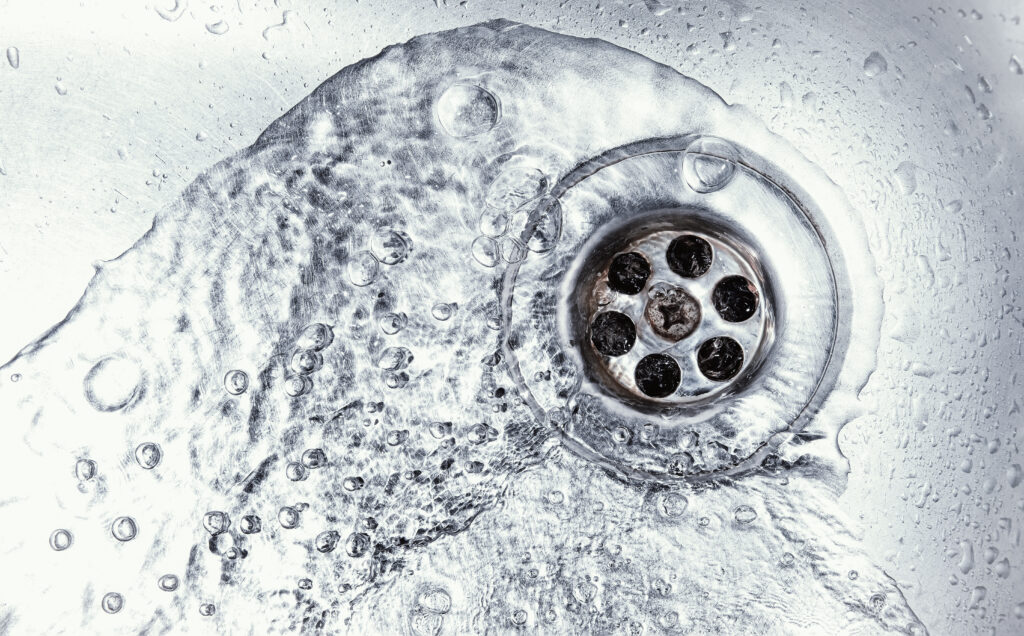
Before you can fix something, it helps to understand it. Your sink drain is a surprisingly simple system. Water exits through the drain opening, passes through a curved pipe section called the P-trap, and then flows into your home’s main drain line. The P-trap is that U-shaped pipe you can see under the sink cabinet. It serves two purposes: it holds a small amount of standing water that blocks sewer gases from entering your living space, and unfortunately, it is also the most common spot where debris collects and forms a clog. Hair, soap residue, toothpaste buildup, grease, and food particles all tend to accumulate right there in that curve. Once that passage narrows enough, water has nowhere to go fast.
Common Causes of a Clogged Sink
Not all clogs are created equal, and knowing the cause helps you choose the right fix. Kitchen sinks tend to clog from grease and food scraps, especially if a garbage disposal is involved. Bathroom sinks are almost always victims of hair and soap scum. Utility sinks can accumulate anything from paint residue to fabric lint. Here is a quick breakdown of what typically causes each type of sink blockage:
- Hair and soap buildup in bathroom sink drains
- Grease and food debris in kitchen sink drains
- Toothpaste and product residue in vanity sinks
- Mineral scale from hard water narrowing pipe interiors over time
- Foreign objects accidentally dropped down the drain
Identifying the most likely culprit makes the unclogging process a lot more targeted and efficient.
Step-by-Step: How to Unstop a Sink Yourself
There are several methods that work well for the average homeowner, and you can usually clear a clog without needing any special tools or expertise. Start simple and work your way up to more involved approaches only if the easy fixes do not solve the problem. Begin with boiling water — pour it slowly in two or three stages, allowing it to work between pours. This dissolves soap-based buildup effectively in many cases. If that does not do it, a mixture of baking soda followed by white vinegar creates a fizzing reaction that can break apart softer organic clogs. Cover the drain after pouring to direct the pressure downward, then flush with hot water after about fifteen minutes. If you still have standing water, a cup plunger — the flat-bottomed style, not the flange style used for toilets — can generate enough suction to dislodge most partial blockages. Make sure to cover the overflow hole near the top of the sink basin with a wet cloth before plunging, otherwise you will lose suction. For stubborn clogs that survive all of the above, removing and cleaning the P-trap manually is usually the definitive fix. Place a bucket under the curved pipe, unscrew the slip nuts by hand or with pliers, and clear out whatever has accumulated inside. It is not glamorous work, but it resolves the vast majority of sink clogs completely.

What About Chemical Drain Cleaners?
Chemical drain cleaners are widely available and they do work — sometimes. The issue is that they come with some meaningful drawbacks. The caustic chemicals in products like liquid drain openers generate heat as they dissolve clogs, and that heat can soften or warp PVC pipes over time. Repeated use is particularly hard on plumbing. Beyond pipe damage, these products are hazardous to skin and eyes, and if the drain is fully blocked and the cleaner just sits in standing water, removing it becomes its own problem. For the occasional, straightforward clog, a single use of a reputable drain cleaner is unlikely to cause serious harm. But for recurring clogs or older pipes, it is worth skipping the chemicals entirely and going straight to mechanical methods like the P-trap removal or a drain snake.
When a Drain Snake Is the Right Tool
A manual drain snake — also called a drain auger — is a long, flexible cable with a coiled end that you feed into the drain to physically break up or retrieve a clog. They are inexpensive, available at any hardware store, and genuinely effective on clogs that are deeper in the pipe than the P-trap. You insert the cable until you feel resistance, then rotate the handle to break up the blockage or hook it so you can pull it out. Electric drain snakes are a step up in power and are available for rent if you are dealing with a particularly stubborn or deep clog. For most household sink situations, though, a basic hand-crank model is sufficient.
Preventive Maintenance That Actually Works
Once your drain is clear, keeping it that way is largely a matter of a few consistent habits. Drain strainers or hair catchers installed over your drain openings are inexpensive and catch the majority of debris before it ever enters the pipe. Running hot water for thirty seconds after using a kitchen sink helps flush grease and soap before they can solidify. A monthly baking soda and vinegar treatment is a low-effort preventive measure that keeps slow buildup from ever becoming a full blockage. These are small steps, but they genuinely make a difference over time.
Signs the Problem Goes Beyond the Sink
Sometimes a clogged sink is a symptom of a larger plumbing issue rather than a localized blockage. If multiple drains in your home are slow or backing up simultaneously, or if you hear gurgling sounds from other fixtures when you use the sink, the clog may be in your main drain line rather than the individual pipe. Similarly, if sewage odors are present or water is backing up into a tub or floor drain when you run the sink, those are signs of a more serious blockage that requires professional diagnosis. In these cases, attempting DIY fixes is unlikely to resolve the underlying problem and could potentially make things worse.
The Real Cost of Ignoring a Slow Drain
A slow drain feels minor, but leaving it unaddressed can lead to consequences that are anything but. Persistent moisture around pipe connections creates conditions for mold and mildew growth inside cabinet spaces. A full blockage can result in water backing up and overflowing, which creates water damage risks to cabinetry, flooring, and adjacent walls. There is also the matter of pipe pressure — clogs that are left to harden over time can contribute to corrosion and eventual pipe failure in older systems. Addressing a slow drain early is almost always faster and cheaper than dealing with what it becomes if ignored.
How a Home Warranty Protects You When Plumbing Problems Get Serious
DIY fixes handle a lot of common sink clogs just fine. But plumbing problems do not always stay simple. When a clog is part of a larger drain line failure, when a pipe corrodes and needs replacement, or when a recurring blockage reveals deeper issues with your home’s plumbing system, the costs climb quickly — and without warning. That is where having the right home warranty in place changes everything. trusted home warranty coverage for plumbing and drain systems means that when a covered plumbing issue exceeds what a plunger and a drain snake can solve, you are not staring down an unexpected repair bill. Armadillo makes it straightforward: no confusing exclusions buried in fine print, no runaround when something goes wrong. If you want real protection for your home’s plumbing and the systems that keep everything running, take two minutes to get a personalized home warranty quote for plumbing and drain line protection and see exactly what coverage looks like for your home. It is the kind of backup plan that makes dealing with any plumbing issue — small or significant — a lot less stressful.

Frequently Asked Questions About How to Unstop a Sink
What is the fastest way to unclog a sink?
For most clogs, a combination of boiling water followed by baking soda and vinegar works quickly and without any special tools. If the clog is more stubborn, removing and cleaning the P-trap is the most direct and effective solution.
Can I use a toilet plunger on a sink?
You can, but a flat-bottomed cup plunger works better for sinks. The flange plunger designed for toilets does not create as effective a seal against a flat sink basin drain opening.
How do I know if my sink clog is in the P-trap or deeper in the pipe?
If cleaning the P-trap does not resolve the slow drain, the clog is likely further down the drain line and a drain snake will be necessary to reach it.
Is it safe to use chemical drain cleaners regularly?
Frequent use of chemical drain cleaners is not recommended. The heat generated during the chemical reaction can degrade PVC piping over time and does not address the root cause of recurring clogs.
Why does my bathroom sink keep clogging even after I clean it?
Recurring bathroom sink clogs are usually caused by ongoing hair and soap accumulation. Installing a drain strainer or hair catcher prevents debris from entering the pipe in the first place.
What causes a kitchen sink to drain slowly?
Kitchen sink drains typically slow down due to grease buildup and food particle accumulation, especially around the P-trap. Running hot water after each use and avoiding pouring grease directly down the drain reduces this significantly.
When should I call a plumber for a clogged sink?
Call a plumber if multiple drains are slow or backing up at the same time, if you notice sewage odors, or if DIY methods have failed after multiple attempts. These situations typically indicate a deeper issue within the main drain line.
Does homeowners insurance cover a clogged drain?
Standard homeowners insurance generally does not cover drain clogs or plumbing repairs caused by normal wear and blockage. A home warranty plan, however, is specifically designed to cover these types of mechanical and system failures.
How do I clean a P-trap without making a mess?
Place a bucket directly under the P-trap before loosening the slip nuts. Keep a towel nearby for any residual water and have a trash bag ready to dispose of debris immediately after removal.
Can hard water cause sink clogs?
Yes. Mineral deposits from hard water can gradually build up along the interior walls of pipes, narrowing the passage over time. A water softener reduces mineral accumulation and helps keep drain lines clear longer.