What Is a Convection Oven and Why Does It Matter in Your Home?
If you have spent any time in a kitchen — yours or someone else’s — you have probably heard the term convection oven thrown around. Maybe your new range has a convection setting you have never touched, or maybe you are shopping for a new appliance and wondering whether it is worth the upgrade. Either way, understanding what a convection oven actually does is a solid place to start. At its core, a convection oven uses a built-in fan to circulate hot air throughout the cooking cavity. That sounds like a small difference, but the results in your food — and your energy bill — can be pretty significant. Standard ovens heat from the bottom up, which means hot spots and uneven cooking are common. Convection changes that equation entirely.
How a Convection Oven Actually Works
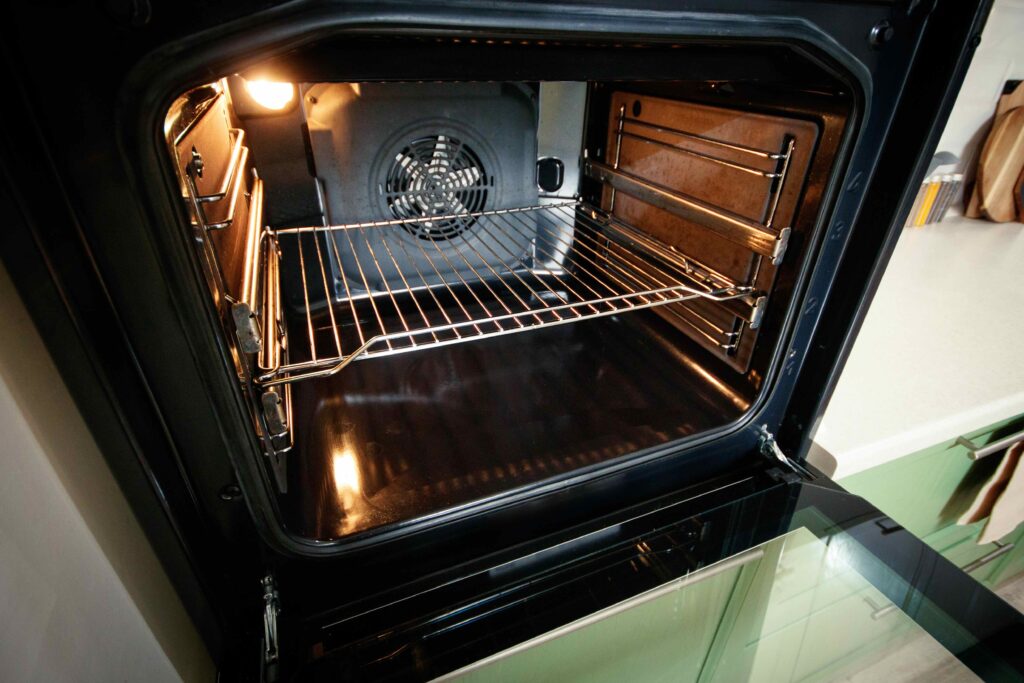
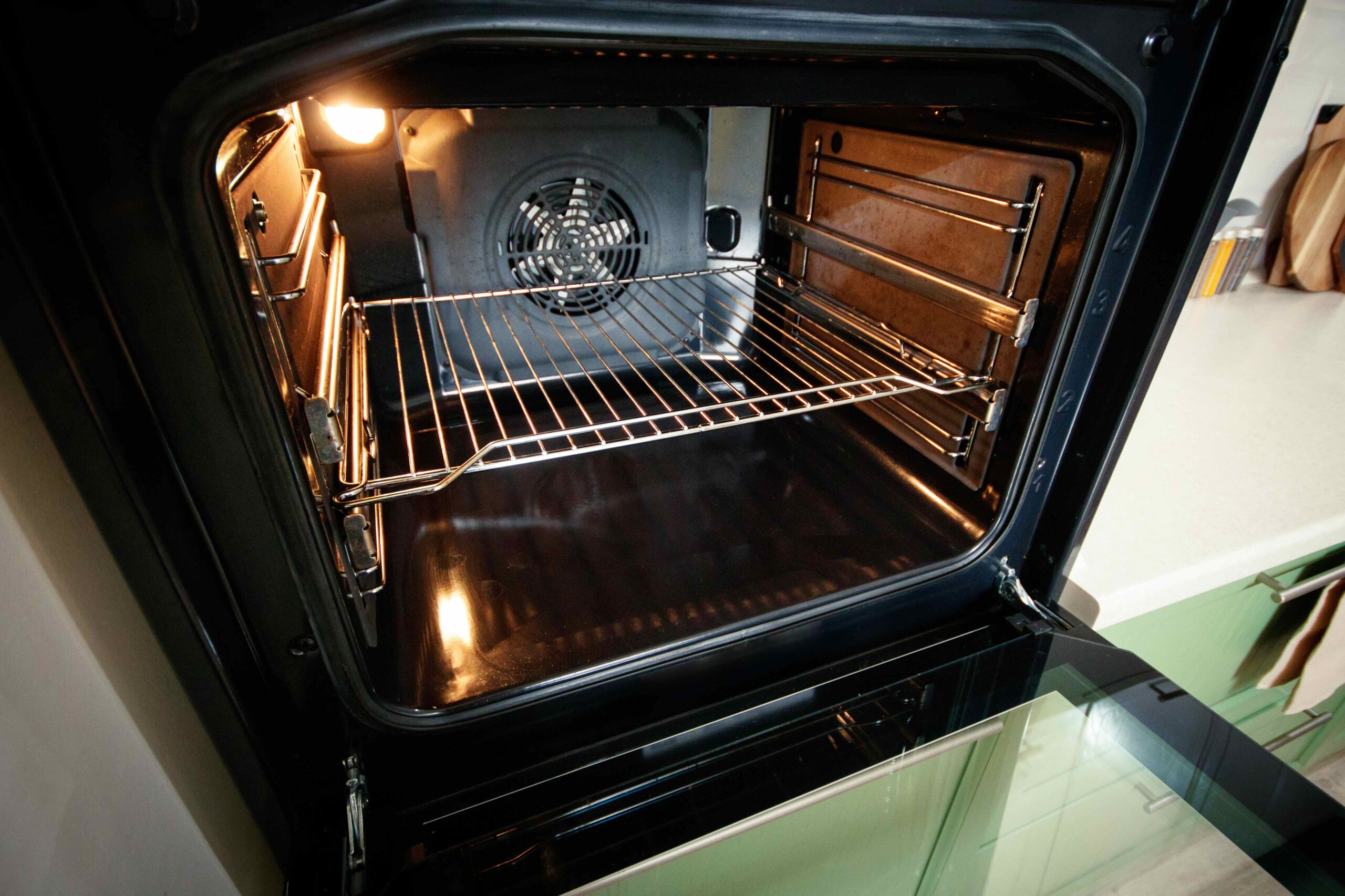
The mechanics here are not complicated, but they are worth understanding. A conventional oven has heating elements — usually at the top and bottom — and the heat just sort of sits there, rising and settling in inconsistent pockets. A convection oven adds a fan, and in many models, a dedicated third heating element positioned right behind that fan. The result is a steady, even flow of hot air that surrounds your food from every direction at once. Some models are called true convection or European convection, and those are the ones with that third heating element. European convection tends to be more consistent than fan-only models, which are sometimes called fan-assisted ovens. When you are comparing appliances, that distinction matters more than most people realize.
The Real Advantages of Cooking with Convection
There are a few reasons homeowners and professional chefs both tend to prefer convection when they have the option. The benefits go beyond just cooking faster, though that is certainly one of them.
- Even browning and crisping across the entire surface of your food, which makes roasting vegetables or baking cookies significantly more reliable
- Faster cook times — generally 25 percent quicker than conventional settings — which translates to real energy savings over time
- Lower cooking temperatures are often possible, usually reducing by about 25 degrees Fahrenheit without sacrificing results
- Multiple rack cooking becomes practical because air circulation compensates for the usual uneven heat distribution
- Moisture escapes more efficiently, which means meats develop better crusts and baked goods come out less dense
Those advantages stack up quickly, especially if you are someone who cooks frequently or uses your oven for a variety of tasks throughout the week. The energy efficiency angle is also worth noting — less time in the oven and lower temperatures mean lower electricity or gas usage, and that adds up across a year of regular cooking.
Common Drawbacks You Should Know Before You Commit
Convection is genuinely useful, but it is not without its frustrations — especially when you are learning the ropes. The most common complaint is that recipes do not always account for convection cooking, which means you need to adjust time and temperature manually. That trial-and-error process can lead to overdone dishes before you find your rhythm. Delicate baked goods like soufflés, custards, and certain cakes can also suffer in convection mode because the airflow disrupts their rise or sets the exterior too quickly. Some homeowners also find the fan noise distracting, particularly if they are used to a quieter kitchen environment. And if your convection oven develops a mechanical issue — say, the fan motor burns out — that repair is more complex and more expensive than a standard oven fix, which brings us to a point worth thinking about for any homeowner.

Convection vs. Conventional: Which Setting Should You Use When?
Most modern convection ovens let you toggle between convection and conventional modes, which is genuinely useful because not every dish benefits from convection. Roasts, sheet pan dinners, pizzas, and anything you want crisped or browned — those do well in convection mode. Bread that needs a slow, gentle rise benefits from conventional heat. Casseroles with liquid bases tend to dry out faster under convection airflow, so conventional is often the better call there. Cheesecakes and delicate custards fall into the same category. The practical advice: use convection as your default for everyday cooking and roasting, and switch to conventional when a recipe specifically requires gentle, moist heat or a slow rise. It becomes instinctive pretty quickly once you start paying attention to results.
How to Use a Convection Oven Correctly
Getting the most out of your convection oven comes down to a few consistent habits. First, always preheat — convection ovens still need time to come up to temperature, and starting with a cold oven undermines the benefits. Second, reduce your recipe temperature by about 25 degrees Fahrenheit when converting from a standard recipe. Third, check for doneness earlier than you expect, typically 10 to 15 minutes ahead of the listed cook time. Use low-sided pans and baking sheets rather than deep roasting pans when possible — high sides block airflow around your food. Finally, avoid overcrowding your oven. Convection works by circulating air, and if every rack is packed tight, the circulation cannot do its job effectively.
What to Expect in Terms of Maintenance and Longevity
Convection ovens are generally reliable appliances, but like any mechanical system with moving parts, they require some attention over time. The fan motor is the component most likely to show wear eventually. A failing fan motor usually announces itself with unusual noise, inconsistent cooking results, or the fan simply not running during convection mode. Heating elements — including that third convection element — can also burn out over time. Keeping the oven interior clean matters more than most homeowners realize, because grease buildup near the fan can affect airflow and put additional strain on the motor. If your oven has a self-clean function, use it strategically rather than excessively, since the intense heat of self-cleaning cycles can accelerate element wear.
Convection Ovens and Home Warranty Coverage: What Homeowners Should Understand
Here is where it gets practical for homeowners who want to think beyond just cooking performance. Convection ovens — whether they are built-in wall units or part of a freestanding range — are considered kitchen appliances, and many home warranty plans extend coverage to exactly these kinds of systems. When a fan motor fails or a heating element stops working, repair costs can run into the hundreds of dollars depending on the make and model. That is not catastrophic, but it is also not a pleasant surprise. A home warranty plan that includes appliance coverage can absorb that kind of cost, replacing an unexpected bill with a manageable service fee. The key is understanding exactly what your plan covers before something goes wrong, not after.
Why Armadillo Is a Smart Choice for Protecting Your Kitchen Appliances
When your convection oven fan motor gives out mid-roast or a heating element stops responding right before a holiday meal, the last thing you want is to navigate a repair bill alone. That is exactly the kind of situation Armadillo home warranty coverage for kitchen appliances and home systems is built to handle. Armadillo offers straightforward, no-surprises coverage designed for real homeowners dealing with real appliance failures — no fine print gymnastics, just reliable protection when it counts. If you want to know what protecting your oven and the rest of your home actually costs, you can get a free convection oven home warranty quote in seconds and see your options without any pressure. Armadillo keeps things honest, and that is something worth paying attention to when choosing a home warranty provider.

Frequently Asked Questions About Convection Ovens
These are the questions homeowners ask most often about convection ovens, answered directly and without the runaround.
What is the main difference between a convection oven and a regular oven?
A convection oven uses a fan to circulate hot air throughout the cooking cavity, while a conventional oven relies on stationary heat rising from the bottom element. The moving air in a convection oven results in faster, more even cooking and better browning.
Do I need to adjust my recipes when using convection mode?
Yes. The standard adjustment is to reduce the recipe temperature by 25 degrees Fahrenheit and check for doneness 10 to 15 minutes earlier than the listed time. Some ovens have an auto-conversion feature that makes this adjustment automatically.
Is convection mode good for baking?
It depends on what you are baking. Cookies, pastries, and roasted items benefit from convection. Delicate cakes, soufflés, custards, and cheesecakes are generally better baked in conventional mode since the airflow can interfere with their texture and rise.
Can I use any pan in a convection oven?
You can use most standard bakeware, but low-sided pans and rimmed baking sheets perform best because they allow air to circulate freely around your food. Deep roasting pans can block airflow and reduce the effectiveness of convection cooking.
How long do convection ovens typically last?
Most convection ovens have a lifespan of 13 to 15 years with regular maintenance. The fan motor and heating elements are the components most likely to require repair or replacement over that timeframe.
Is a true convection oven worth the extra cost?
For most homeowners who cook regularly, yes. True convection — also called European convection — includes a third heating element behind the fan, which delivers more consistent results than fan-only models. The performance difference is noticeable, particularly for roasting and multi-rack baking.
What should I do if my convection fan stops working?
If the fan is not running during convection mode, first check whether the oven is set correctly to convection rather than conventional mode. If the setting is correct and the fan is still not functioning, the fan motor likely needs professional diagnosis and replacement.
Does a convection oven use more electricity than a regular oven?
Generally, no. Convection ovens are typically more energy efficient because they cook at lower temperatures for shorter periods. The energy used by the fan motor is offset by the reduced cooking time and lower temperature requirements.
Are convection ovens covered under home warranty plans?
Many home warranty plans include coverage for built-in ovens and freestanding ranges, which can include convection models. Coverage specifics vary by provider and plan, so it is important to review what is included before a repair need arises.
Can I use the convection setting for frozen foods?
Yes, and it often produces better results than conventional mode for frozen items like fries, pizza rolls, and breaded proteins. The circulating air crisps the exterior more effectively than still heat. Reduce the temperature slightly and monitor closely since frozen foods can cook faster under convection.