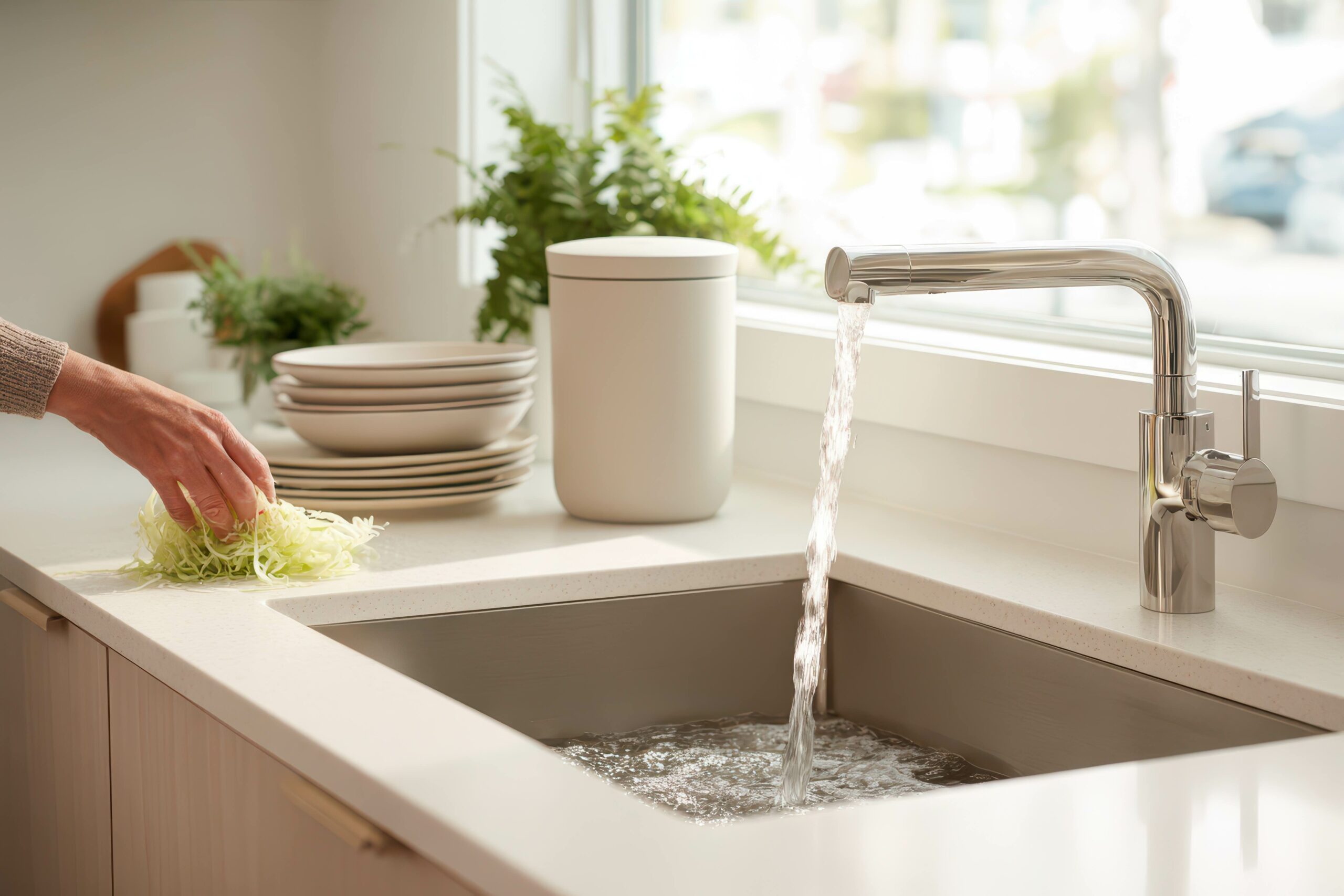
What Is a Garbage Disposal and Why Does It Matter in Your Home?
If you have a garbage disposal under your kitchen sink, you already know how much easier it makes daily cleanup. Scraping plates, rinsing cutting boards, clearing away food scraps — the disposal handles all of it quietly and efficiently. But like any home appliance, it needs maintenance to keep running well. That is where active disposal cleaner comes in. Understanding how to use it properly can extend the life of your unit, eliminate unpleasant odors, and keep your plumbing system healthier overall. This guide covers everything you need to know about disposal cleaning, from how it works to what it means for your home warranty coverage.
How a Garbage Disposal Actually Works
A garbage disposal is a motorized unit mounted beneath your kitchen sink drain. When activated, an electric motor spins a plate fitted with impellers — not blades, despite what most people assume — that grind food waste against a stationary grind ring. The ground particles are then flushed through your drain line and into the sewer system. The motor itself is sealed and powerful, designed to handle routine food scraps on a daily basis. Over time, though, food residue, grease, and soap buildup accumulate inside the unit. That residue clings to the grinding components and interior walls, creating the kind of environment where odor-causing bacteria thrive. That is exactly what active disposal cleaners are formulated to address.
What Is Active Disposal Cleaner and How Is It Different?
Active disposal cleaners are specifically formulated products designed to clean, deodorize, and in some cases, help maintain the mechanical components of your garbage disposal. They differ from generic drain cleaners in one important way: most drain cleaners are caustic and can actually damage the rubber components inside your disposal or corrode the interior housing. Active disposal cleaners use enzymatic formulas, foaming agents, or biodegradable surfactants that break down organic matter without causing damage. Some are dissolvable pods, some are liquid concentrates, and others come as foaming tablets that expand inside the unit to reach every surface. The goal is to eliminate the grease film, food debris, and bacterial buildup that accumulate over time.
How to Use Active Disposal Cleaner the Right Way
Using an active disposal cleaner is straightforward, but there are a few steps that make a real difference in results. Following the correct process ensures the cleaner reaches all parts of the unit and does its job effectively.
- Start with the disposal off and the cold water running at a steady flow.
- Insert the disposal cleaner pod, tablet, or measured liquid directly into the drain opening — not down the side drain.
- If using a foaming tablet, let it activate for the time recommended by the product, usually 30 to 60 seconds.
- Turn on the disposal and allow it to run while continuing to flush with cold water for at least 30 to 60 seconds.
- For routine maintenance, repeat this process once a week or at minimum twice a month.
One detail that often gets overlooked: clean the rubber splash guard separately. Lift the rubber flaps at the drain opening and scrub both sides with a small brush or old toothbrush. Bacteria and grease accumulate heavily there, and the cleaner alone may not fully reach it. Doing this consistently keeps odors from returning between cleanings.

Key Advantages of Regular Disposal Cleaning
The benefits of using an active disposal cleaner go beyond just eliminating bad smells. Consistent cleaning maintains the efficiency of the grinding mechanism by preventing buildup from slowing it down. It also reduces the risk of clogs forming in the drain line directly below the unit, which is one of the more common plumbing service calls homeowners experience. Enzymatic cleaners in particular continue breaking down organic material even after the disposal has finished running, providing ongoing protection between cleaning sessions. From a home maintenance standpoint, regular cleaning also extends the usable life of the unit, which matters because garbage disposals typically last eight to fifteen years — and keeping one running at the high end of that range saves real money.
Common Mistakes That Undermine Your Cleaning Efforts
Even with the best active disposal cleaner on the market, a few common habits can undo your progress quickly. Using hot water instead of cold water while running the disposal is one of the most frequent errors. Hot water melts grease temporarily, which sounds helpful, but it then re-solidifies further down the drain line, creating clogs farther from the unit where they are harder to address. Pouring bleach into the disposal to deodorize it is another mistake — bleach can damage rubber seals and is not effective at removing the biofilm that causes persistent odors. Running the disposal dry or without sufficient water flow is also hard on the motor and prevents debris from flushing through the system properly. A small amount of regular attention beats trying to fix a problem that has been building for months.
What You Should Never Put Down a Garbage Disposal
Maintaining your garbage disposal is as much about what you avoid as what you do. Certain materials can damage the grinding mechanism, cause clogs, or contribute to faster buildup even with regular cleaning.
- Fibrous vegetables like celery, asparagus, and artichoke leaves can tangle around the grinding plate.
- Starchy foods such as pasta, rice, and potato peels expand with water and create a paste-like clog.
- Grease, oil, and animal fat — in any amount — should always go in the trash, not the drain.
- Eggshells are debated, but the membrane inside can wrap around moving parts over time.
- Hard materials like fruit pits, bones, and corn cobs are too dense for most residential disposal motors.
How Home Warranty Coverage Applies to Your Garbage Disposal
A home warranty plan often includes garbage disposal coverage under the kitchen appliances or plumbing systems category, depending on how the provider structures their plans. What typically falls under covered repairs includes motor failures, electrical component issues, and mechanical breakdowns that occur through normal use. What generally falls outside of coverage — and this is important to understand — is damage resulting from neglect or misuse, including clogs caused by improper items being placed in the unit. This is precisely why maintenance matters in a home warranty context. A well-documented cleaning routine and proper use habits help demonstrate that a breakdown resulted from normal wear rather than negligence. Keeping your disposal clean is not just good practice; it is a layer of protection for your warranty claims.
Signs Your Garbage Disposal May Need Professional Attention
Even with consistent cleaning and careful use, garbage disposals do eventually experience mechanical issues. Knowing when to call for service rather than attempting a DIY fix is valuable information for any homeowner. If the disposal hums but does not grind, the motor may have seized or the flywheel may be jammed — pressing the reset button on the bottom of the unit is a logical first step, but persistent humming suggests a more significant problem. Leaks from the unit itself, not just from the drain connection, often indicate a cracked housing or failing internal seal. Slow draining that persists after cleaning and after checking for clogs points to a drain line issue that may require a plumber. And if the unit is more than ten years old and experiencing repeated failures, replacement is often more cost-effective than continued repair.

Why Armadillo Is the Smart Choice for Protecting Your Kitchen Appliances
Keeping up with garbage disposal maintenance is a smart move for any homeowner — and pairing that effort with the right home warranty plan makes it even smarter. When your disposal motor fails unexpectedly or a covered kitchen appliance breaks down without warning, the last thing you want is to face the full cost of repair or replacement out of pocket. That is where Armadillo home warranty coverage for kitchen appliances and plumbing systems steps in to bridge the gap. Armadillo offers straightforward, no-surprise coverage built for real homeowners who actually use their homes. The plans are easy to understand, the claims process is designed to be genuinely painless, and coverage is structured to reflect how appliances actually fail. If you are ready to stop worrying about what a broken disposal or unexpected appliance repair might cost you, take two minutes to get a free garbage disposal and home appliance warranty quote from Armadillo and see exactly what protection looks like for your home.
Frequently Asked Questions About Garbage Disposal Cleaning and Maintenance
These are the questions homeowners ask most often when it comes to keeping their garbage disposal clean, functional, and covered under a home warranty plan.
How often should I use an active disposal cleaner?
For most households, using an active disposal cleaner once a week is ideal. If your household generates less food waste, cleaning twice a month is a reasonable minimum to prevent odor and buildup from becoming a problem.
Can I use regular drain cleaner in my garbage disposal?
No. Standard chemical drain cleaners are too harsh for garbage disposal components. They can corrode rubber seals, damage the interior housing, and potentially void your warranty. Always use a cleaner specifically labeled as safe for garbage disposals.
Why does my garbage disposal still smell after cleaning?
The most common source of persistent odor is the rubber splash guard, which collects grease and bacteria on its underside. Clean the flaps manually with a brush after each disposal cleaning session to fully eliminate the source of the smell.
Is a garbage disposal covered under a standard home warranty plan?
Many home warranty plans include garbage disposal coverage, though it varies by provider and plan tier. Coverage typically applies to motor and mechanical failures from normal use, not damage caused by foreign objects or misuse.
What is the average lifespan of a garbage disposal?
A well-maintained garbage disposal typically lasts between eight and fifteen years. Regular cleaning, correct use habits, and prompt attention to minor issues all contribute to reaching the higher end of that range.
Should I use cold or hot water when running the disposal?
Always use cold water. Cold water keeps grease in a solid state so the disposal can grind and flush it out. Hot water melts grease, causing it to travel down the drain and resolidify further along the pipe where it causes clogs.
What should I do if my garbage disposal stops working suddenly?
Check the reset button located on the bottom of the unit first. If it has tripped, pressing it may restore function. If the disposal still does not operate after resetting, check your electrical panel for a tripped circuit before calling for service.
Can ice cubes really clean a garbage disposal?
Running ice cubes through the disposal can help dislodge debris from the grinding components, but it does not clean or disinfect the unit. It is a supplemental step, not a substitute for an active disposal cleaner.
Will a home warranty cover a garbage disposal that was damaged by a foreign object?
Generally, no. Home warranties cover mechanical and electrical failures that result from normal wear and use. Damage caused by inserting inappropriate items — like silverware, fruit pits, or bones — is typically excluded as misuse or owner negligence.
How do I know when it is time to replace my garbage disposal instead of repairing it?
If the unit is over ten years old and has experienced multiple failures within a short period, replacement is usually more cost-effective. Persistent leaks from the unit housing, frequent motor resets, and repeated clogs despite proper use are also strong indicators that replacement makes more sense than repair.