How to Wash Your Shoes Safely — Protecting Both Your Footwear and Your Appliances
Whether it’s a muddy hike, a sudden rainstorm, or just everyday wear and tear, shoes have a unique way of collecting the worst of your environment. Washing them, especially in a washing machine, can offer convenience—but it also presents risks. Not just to your shoes, but to your home appliances as well. As a homeowner, knowing how to clean your shoes safely while preserving the functionality of your washing machine is more important than you might think. This guide will explore exactly how to do that, why it matters, and how safeguarding your appliances with a home warranty can offer long-term peace of mind.
Understanding What Happens When You Wash Shoes
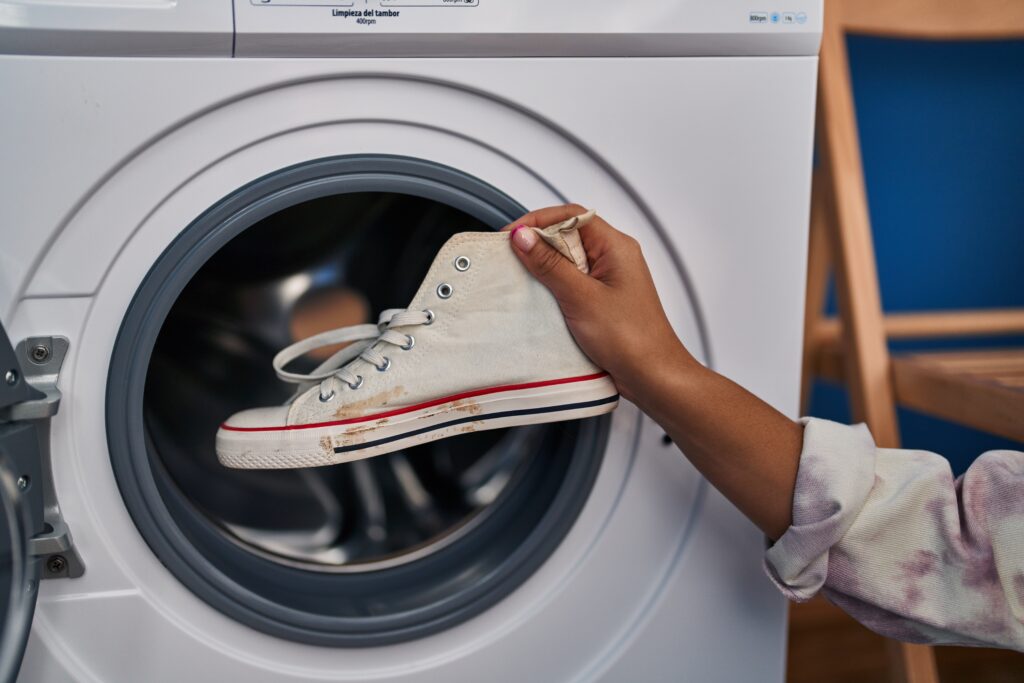

It seems simple—throw your sneakers in the wash, hit the spin cycle, and let the machine do the work. But cleaning shoes in a washing machine involves more complex dynamics than most people assume. Shoes aren’t like typical laundry items. They’re rigid, unevenly weighted, and loaded with dirt, rocks, and debris. When those elements get cycled through your washing machine, especially during high-speed spin cycles, the impact can be significant.
Inside the drum, the mechanical agitation and shifting weight can disrupt the appliance’s balance, sometimes leading to operational strain. If debris works its way into the drain pump or seals, that can result in clogs or even internal damage. Over time, it can reduce your washing machine’s overall efficiency or lead to costly repairs. Knowing this, homeowners are wise to take a more informed approach to shoe care—especially when relying on appliances they depend on weekly.
How to Prepare Shoes for Washing
Much like preparing delicate laundry items, prepping shoes before tossing them into the machine is essential. First, remove the laces and insoles. Laces can tangle and get caught in the agitator or around the drum, while insoles tend to hold moisture and may not dry evenly—making them susceptible to mold or distortion if not properly handled.
Next, knock off excess dirt or mud. This can be as simple as brushing them over a trash can or using a damp towel to lift off surface grime. The goal here isn’t perfection; it’s about preventing large debris from circulating inside the washer or clogging its internal systems. For heavily soiled pairs, a quick pre-soak in a sink or basin with mild detergent can reduce the wear on your appliance while improving cleaning results. A few minutes of preparation goes a long way in protecting both your shoes and your washer.
Using the Right Washer Settings
Once your shoes are properly prepped, it’s time to consider settings. Most modern front-loading washing machines offer multiple cycle options, but not all are appropriate for footwear. Avoid high-heat options or aggressive spin speeds. Instead, opt for a gentle cycle with cold or warm water, not hot. Excess heat can melt adhesives in your shoes or distort components like foam soles.
It’s also wise to put your shoes into a mesh laundry bag or pillowcase and secure them tightly. This minimizes their movement and prevents direct impacts with the metal drum walls. To balance the load, wash only one pair at a time and add towels to prevent banging and shaking, which can be hard on the appliance motor and suspension system.
Drying Techniques That Protect Your Shoes and Dryer
This is where many homeowners unknowingly damage their appliances—or their shoes. Dryers reach temperatures that may seem routine for clothing but can be destructive to the average pair of running shoes. High heat warps rubber, damages glue, and even melts synthetic materials. Worse, loose shoes in a dryer drum can cause thudding noises that signal internal damage or wear to the drive system.
Opt for air-drying whenever possible. After a wash cycle, gently reshape your shoes and place them in a well-ventilated area, away from direct sunlight or heaters. Stuffing them with paper towels or uninked paper can help retain shape and accelerate drying. This approach not only prolongs the life of the shoes but greatly reduces stress on your dryer, which is especially important for longevity.
The Impact on Your Home Warranty Coverage
This is the intersection most homeowners overlook. Washing machines and dryers are typically covered under home warranty plans, including coverage offered through Armadillo. However, warranty protections do not typically extend to misuse or avoidable damage. That means if a damaged shoe breaks the drum paddle inside your washer, or a shoelace clogs the pump, it may not be covered under normal wear-and-tear provisions.
Taking the time to prepare shoes correctly and choosing proper machine settings reduces your risk of voiding future warranty claims. It’s not just about maintenance; it’s about making sure your warranty remains valid and enforceable when you need it most. For households where shoes are washed frequently, taking a cautious approach is both a cost-saving and protective strategy.
Common Mistakes to Avoid When Washing Shoes
Learning from trial and error is a luxury rarely afforded when dealing with major appliances. Some common errors include using bleach, which can compromise materials and trigger breakdown in glue and stitching. Another common mistake is washing multiple pairs of shoes in one cycle. Although it might seem efficient, the uneven weight distribution can overload the drum and stress internal components.
Using the wrong detergent is also problematic. Stick to mild, bleach-free cleaners to avoid chemical reactions with delicate shoe fabric or synthetic rubber. Ignoring these guidelines leads to faster wear on your shoes, but more importantly, it shortens the lifespan of your laundry appliances—an expensive oversight that’s easily avoided.
When to Hand Wash Shoes Instead
Some shoes simply don’t belong in a washing machine. That includes shoes made of leather, suede, or any premium fabric. For these, hand washing is the safest and smartest route. Use a soft brush, warm water, and a mild soap solution to clean the surface. For deeper cleaning or for removing odors, a vinegar rinse or baking soda paste can be effective without damaging the materials.
This may be more time-consuming, but it’s worth the effort to avoid ruining shoes that won’t survive mechanical washing. Hand washing also eliminates any risks to your machine, making it a dual win for homeowners who prioritize both care and functionality.
Protect Your Appliances—and Peace of Mind—With Armadillo
Your washing machine and dryer work hard to support your household routines—and like any hardworking home system, they need protection. Improper use while washing shoes is a common way homeowners trip into appliance issues they never anticipated. That’s where a home warranty from Armadillo becomes essential.
With Armadillo, your appliances and home systems are covered against breakdowns caused by everyday wear and tear. And while no warranty covers intentional misuse, having a plan in place means that when unexpected mechanical issues do arise, you won’t face them alone. Thoughtful maintenance, like smart shoe washing methods, helps keep your machines running efficiently—and your warranty coverage intact.
Homeowners looking to keep their systems protected without the stress of surprise repair bills can explore flexible coverage options at www.armadillo.one. Ready to get started? You can build your custom plan today by entering your ZIP code at this link.