Your Washing Machine Does More Than You Think
Most homeowners think about their washing machine in pretty simple terms — clothes go in dirty, clothes come out clean. But that appliance sitting in your laundry room is quietly handling a lot more than dress shirts and gym shorts. Toss a pair of Skechers sneakers into the mix, and suddenly you are asking your washer to work a little harder than usual. The good news is that washing Skechers in a washing machine is entirely doable, and when you know the right process, it is straightforward. The better news is that understanding how your appliances handle stress — including non-standard loads — connects directly to how long those machines last and whether you have protection in place when something goes wrong.
Can You Actually Wash Skechers in a Washing Machine
Yes, most Skechers sneakers can be washed in a washing machine, but not all of them. Skechers made with leather, suede, or embellished materials should always be hand-washed or spot-cleaned only. For canvas, mesh, or fabric-based Skechers — which covers a large portion of their popular lineup including many memory foam styles — the washing machine is perfectly appropriate. Before you start, check the care label inside the shoe. That small tag is doing a lot of work. If it says machine washable, you are good to go. If it does not say that explicitly, err on the side of caution and hand wash instead.
Step-by-Step: How to Wash Skechers in the Washing Machine
Getting this right comes down to preparation and settings. Rushing through either step can damage the shoes or, more relevant to this conversation, put unnecessary strain on your washing machine. Here is the process broken down clearly.
- Remove the insoles and laces before washing. Wash them separately by hand or place them inside a mesh laundry bag.
- Knock off any loose dirt or debris outside before the shoes go anywhere near the machine.
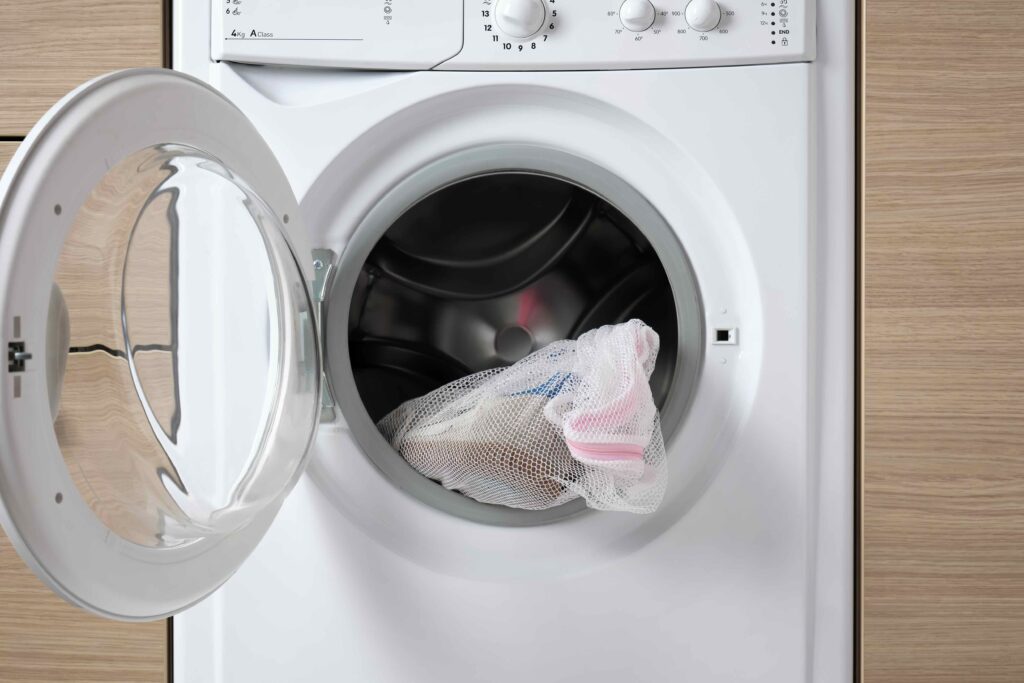
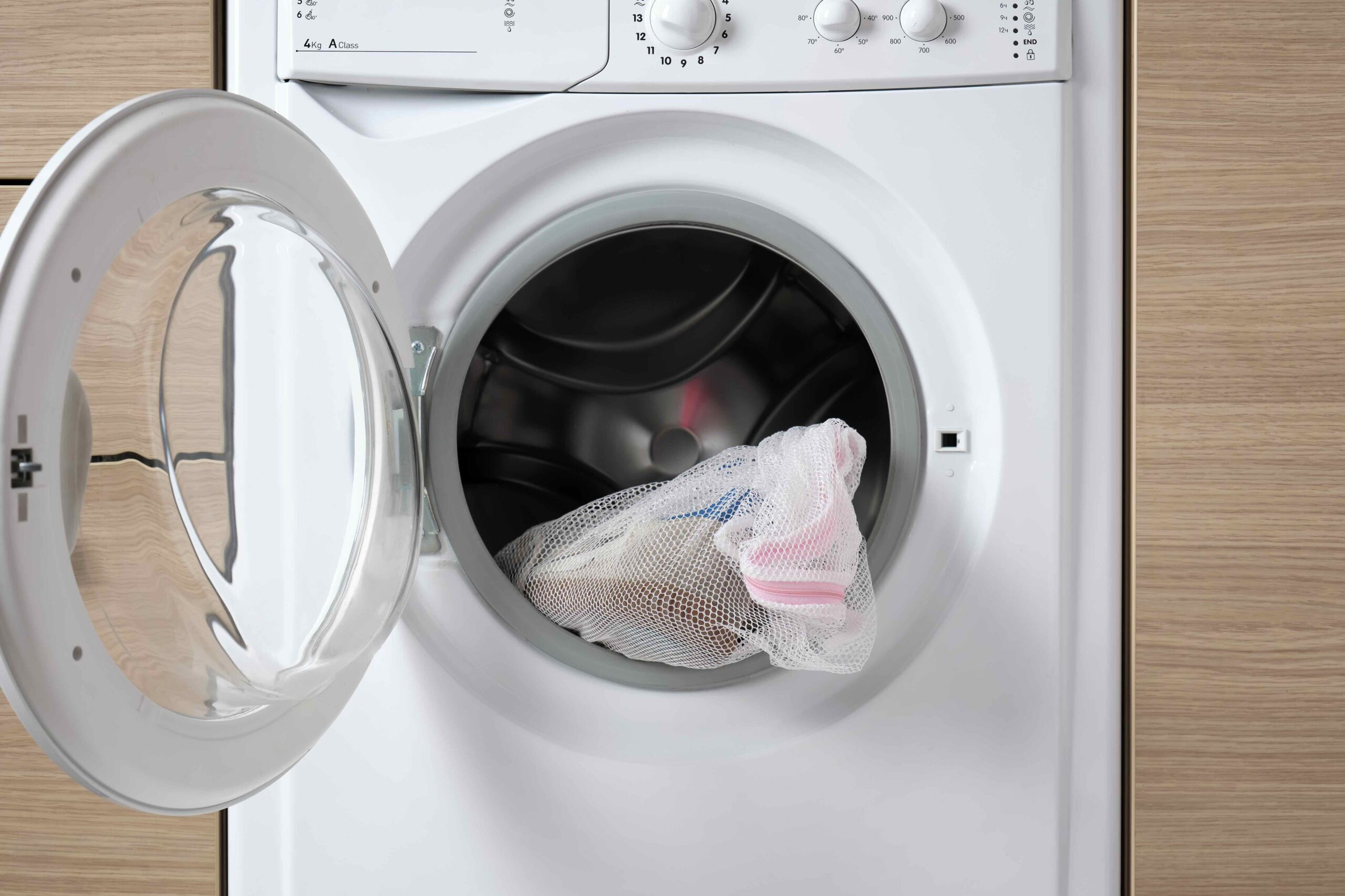
- Place the sneakers inside a mesh laundry bag or a pillowcase tied at the top. This reduces the thudding impact during the spin cycle.
- Add a few old towels to the load. This balances the drum and dampens the noise and vibration caused by shoes tumbling around.
- Use a small amount of mild liquid detergent. Powder detergent can leave residue inside the shoe fabric.
- Select a cold water, gentle or delicate cycle. Hot water can warp the sole adhesive and shrink materials.
- Skip the spin cycle if your machine allows it, or choose the lowest spin speed available.
- Air dry the shoes after washing. Never put Skechers in the dryer — the heat damages the foam cushioning and can cause the soles to separate.
Why the Washing Machine Settings Actually Matter Here
This might seem like shoe advice, but it is equally appliance advice. Running shoes through a washing machine on a hot, high-spin cycle is not just rough on the sneakers — it is rough on the machine. Imbalanced loads cause the drum to work harder than intended. Repeated stress from unbalanced cycles is one of the more common reasons front-load and top-load washers develop bearing issues or drum damage over time. Using the gentle cycle with a balanced load and cold water is the right call for your shoes and a kinder approach for your appliance long-term.

Key Advantages of Machine Washing Your Sneakers
There is a reason people reach for the washing machine instead of a bucket and a scrub brush. Machine washing Skechers saves time, requires less physical effort, and tends to produce a more thorough clean when done correctly. The agitation cycle reaches dirt embedded deep in mesh fabric that is nearly impossible to fully remove by hand. For households with active kids or anyone logging serious steps daily, being able to refresh footwear quickly and efficiently matters. It also extends the lifespan of the shoes themselves — regular cleaning prevents dirt buildup that breaks down materials over time.
Common Drawbacks and What to Watch For
Machine washing is not without its risks, and being honest about them helps you make better decisions. Repeated machine washing, even on gentle cycles, can gradually wear down the adhesive bonding the sole to the upper. Over time, this leads to separation, particularly in older pairs. The memory foam insoles that Skechers is known for can also break down faster when exposed to water repeatedly, which is exactly why removing and hand-washing them separately is important. Additionally, colors can fade with frequent machine washing, especially in darker or more vibrant styles. These are manageable drawbacks, not reasons to avoid machine washing entirely — just reasons to do it thoughtfully and not every single week.
Drying Skechers the Right Way After Washing
This step matters more than most people realize. After the wash cycle completes, reshape the shoes by hand while they are still damp. Stuff them loosely with dry paper towels or newspaper — this helps them hold their shape and absorbs moisture from the inside out. Place them in a well-ventilated area away from direct sunlight or heat sources. Direct sunlight can fade the fabric and cause the materials to become brittle. Most Skechers will dry completely within 24 hours under normal indoor conditions. Resist the urge to speed things up with a hair dryer or by placing them near a vent. Patience here protects the structural integrity of the shoe.
How Appliance Care Connects to Home Protection
Here is where things get interesting from a homeowner perspective. Your washing machine is one of the hardest-working appliances in your home. It handles everything from delicate fabrics to heavy denim to, yes, sneakers. Every load creates wear on internal components — the motor, the drum bearings, the pump, the lid switch or door latch. Most washing machines have a lifespan of around 10 to 14 years, but that number drops when the machine is regularly overloaded, used with incorrect settings, or subjected to repeated imbalanced cycles. Knowing how to use your appliances correctly is one layer of protection. Having a plan for when something breaks anyway is another layer entirely.
What Happens When Your Washer Breaks Down
Washing machine repairs are not cheap. A drum bearing replacement can run several hundred dollars. A motor replacement can easily exceed that. If a pump fails or the control board goes out, repair costs can approach or exceed the cost of a new machine in older units. For homeowners without a financial cushion set aside specifically for appliance repairs, an unexpected breakdown can create real stress. This is especially true when the washer is part of a daily routine — for families, for anyone working from home, or for households managing laundry for multiple people. Planning for this kind of disruption in advance is simply smart homeownership.
Why Armadillo Is the Right Partner for Homeowners Who Think Ahead
If you are the kind of homeowner who reads up on how to properly care for your appliances — the type who takes the time to learn the right washing cycle before tossing a pair of sneakers into the machine — then you already understand the value of being prepared. That same mindset is exactly what drives homeowners toward Armadillo home warranty coverage for major appliances and systems. Armadillo offers straightforward, honest protection for the appliances you rely on every day, including your washing machine. No confusing fine print, no runaround when something breaks. When your washer develops a problem — whether it is from normal wear, an aging motor, or years of faithful service — Armadillo is there to help you resolve it without the financial shock. The process is simple: get a free home warranty quote for washing machine and appliance protection and see exactly what your home could be covered for. Protecting your investment in your home does not have to be complicated. With Armadillo, it is not.

Frequently Asked Questions About Washing Skechers and Appliance Care
These are the questions homeowners ask most often when it comes to machine-washing sneakers and keeping laundry appliances running well for the long haul.
Can all Skechers sneakers be washed in a washing machine?
No. Canvas, mesh, and fabric-based Skechers are generally machine washable. Leather, suede, and embellished styles should be cleaned by hand only. Always check the care label inside the shoe before washing.
What water temperature should I use when washing Skechers?
Always use cold water. Hot water can weaken the adhesive bonding the sole to the upper and may cause materials to shrink or warp.
Should I remove the insoles before putting Skechers in the washer?
Yes. Remove both the insoles and laces before machine washing. Wash them separately by hand or place them in a mesh laundry bag to avoid tangling or damage.
Can I put Skechers in the dryer after washing them?
No. Heat from a dryer can damage the memory foam cushioning, warp the soles, and cause the shoe to lose its shape. Always air dry Skechers at room temperature in a ventilated space.
How often should I machine wash my Skechers?
Machine washing once a month or less is a reasonable frequency for regularly worn sneakers. Washing too frequently accelerates wear on both the shoes and the machine.
Does washing shoes in a washing machine damage the appliance?
Washing shoes incorrectly — without balancing the load or using the wrong cycle — can put stress on the drum bearings and motor over time. Using a mesh bag, adding towels for balance, and selecting a gentle cycle minimizes that risk significantly.
What detergent is best for washing Skechers in a washing machine?
Use a small amount of mild liquid laundry detergent. Avoid powder detergents, which can leave residue inside the fabric, and skip fabric softener, which can coat the materials unevenly.
How long does it take for Skechers to dry after machine washing?
Most Skechers will fully air dry within 24 hours when placed in a well-ventilated indoor space at room temperature. Stuffing them with paper towels speeds up the process and helps them retain their shape.
Does a home warranty cover washing machine repairs?
Most home warranty plans that include appliance coverage will cover washing machine repairs related to mechanical or electrical failure due to normal wear and tear. Coverage details vary by provider and plan, so reviewing what is included before purchasing is important.
What are the most common washing machine repairs homeowners face?
The most frequent washing machine issues include drum bearing failure, pump malfunctions, motor problems, lid switch or door latch failures, and control board issues. These repairs can range from moderate to expensive depending on the machine’s age and the severity of the problem.