How to Winterize a Vacant House: A Homeowner’s Guide to Protecting Your Property
A vacant home in winter is more vulnerable than many homeowners realize. When left unoccupied, a house becomes susceptible to freezing temperatures, burst pipes, and even long-term damage to its internal systems. Whether you’re heading south for the season, managing a rental property, or awaiting the sale of a home, knowing how to winterize a vacant house is a proactive—and necessary—step toward safeguarding your investment. At its core, winterizing is about preparation, protection, and prevention. And in the context of the home warranty industry, it’s also about ensuring your systems and appliances remain in good working order to preserve eligibility and avoid costly repairs. Let’s explore precisely how to winterize your vacant home, from plumbing and heating to structural considerations and security tips.
Understanding Why Winterization Matters
Winter temperatures can be brutal, especially in regions where freezing is the norm. When a house stands empty, no one is there to notice the subtle signs of impending damage—a creeping draft, condensation on basement walls, or a persistently running furnace. Water expands as it freezes, and pipes without flow are high-risk points. Once frozen, they can crack or burst, leading to considerable water damage and repairs that average thousands of dollars per incident. Beyond plumbing, an unheated home can affect other systems: HVAC performance degrades, roofing suffers under ice dams, and even electrical systems face wear from power surges or lack of regulation. Winterizing is about preventative care, plain and simple. It ensures continuity, supports your home warranty coverage, and offers much-needed peace of mind when you can’t be physically present.
Shutting Down (or Protecting) the Plumbing System
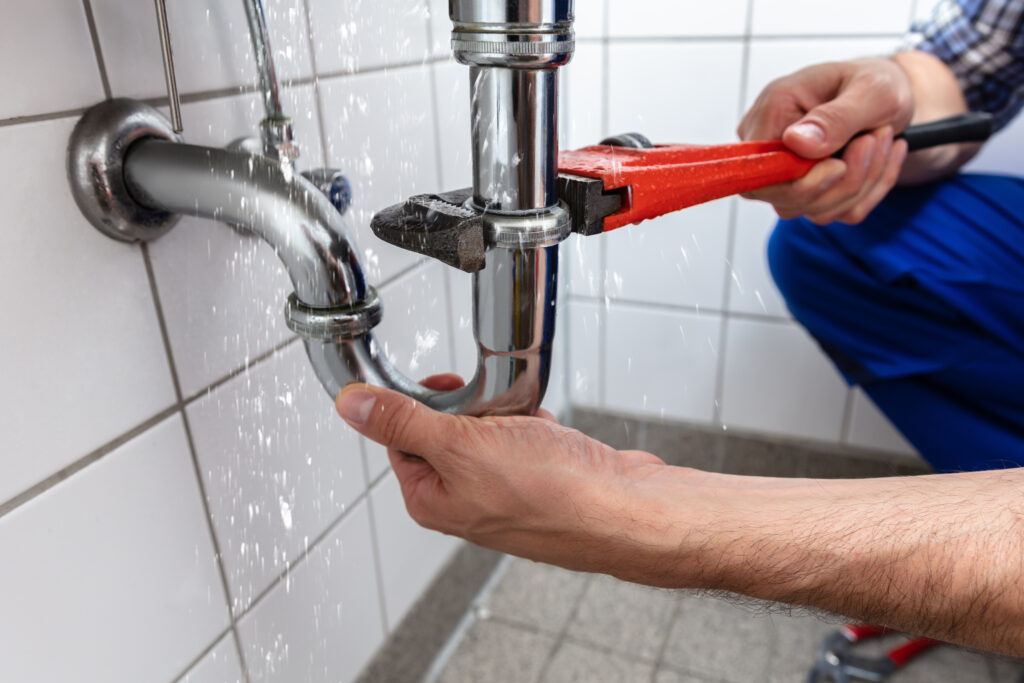
Your plumbing system is arguably the most vulnerable component in a vacant home. The ideal protection is to turn off the main water supply entirely and drain pipes to eliminate any standing water, which can freeze and expand. Begin by locating your main shutoff valve and closing it. After the main supply is off, open every faucet—both hot and cold lines. Don’t overlook exterior spigots or any auxiliary sinks, like in garages or basements. Flush toilets to remove water from the tanks and bowls, and pour antifreeze designed for plumbing systems into drains and traps to prevent freezing in those areas. Homes with sprinkler systems or water-based heating will need additional attention, often requiring a professional to blow out lines using compressed air. If you choose to leave heat running, ensure the thermostat stays set no lower than 55 degrees Fahrenheit. This keeps internal spaces warm enough to protect pipes, but not so high as to waste energy in a house no one is occupying.
Maintaining Your Heating System
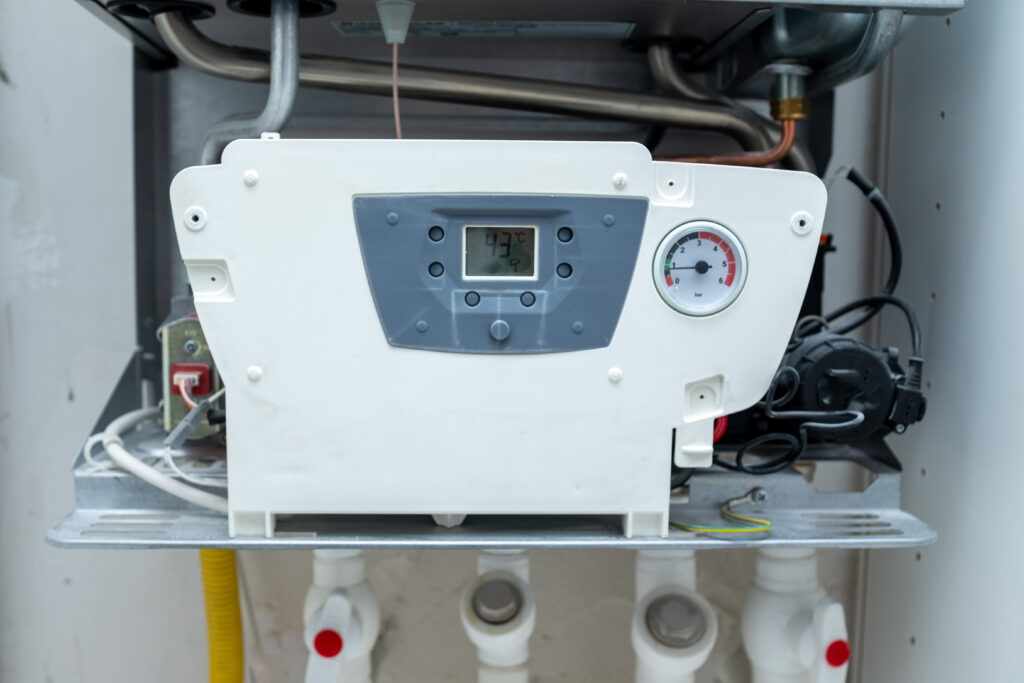
The heating system, particularly if it’s a furnace or boiler-based unit, is second only to plumbing in importance. A malfunction here during freezing conditions could quickly escalate into a full-home emergency. Before winter hits, schedule a professional HVAC inspection. This includes testing performance, cleaning burners, inspecting the exhaust system, and confirming the thermostat’s accuracy. Replace air filters to promote efficiency and ensure that batteries in your thermostat—if battery-powered—are fresh. If you choose to leave the heat on, program it to a minimum setting to avoid energy loss. Alternatively, if you completely shut the system down, be sure your home is properly insulated and that all water has been drained from any hydronic or radiant systems. Chimneys and flue pipes should also be checked to confirm that they’re sealed and free of obstructions like bird nests or debris that can accumulate when no heat is pushing through. Rule of thumb: a neglected heating system is far more costly to repair come spring than regular pre-season maintenance.
Securing Windows, Doors, and the Exterior Envelope
A house’s envelope—its outer walls, foundation, roof, windows, and doors—is its first defense against winter’s harsh conditions. Before vacating the house, examine all entry points for drafts, weak seals, and structural gaps. Apply caulk around windows and weatherstripping around doors to minimize heat loss. Glass should be intact with no cracks or failed seals. Damaged siding or roofing should be dealt with before snow or ice can infiltrate the structure. Gutters are often overlooked but are vital during freeze-thaw cycles. Clean them thoroughly and ensure downspouts are directed away from the foundation to prevent water accumulation and ice damming. If you can’t check the house regularly, installing storm windows or boarding up exposed glass provides additional protection. These steps not only keep the home warmer inside but also protect your systems—furnaces work less, pipes stay above freezing, and electrical systems function without freeze-induced interruptions.
Managing Appliances and Electrical Systems
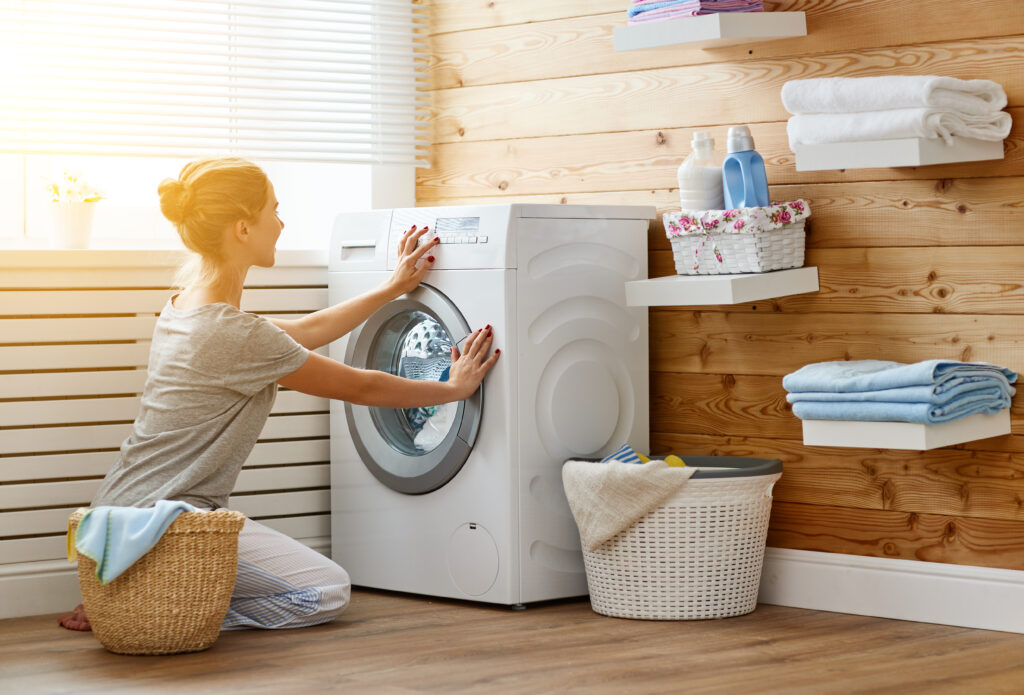
Appliances often exist on standby, quietly aging even if unused. When a home is vacant, unplug all nonessential devices including microwaves, washing machines, and televisions to protect against power surges, which can occur during sudden outages and winter storms. Your refrigerator and freezer, however, require special handling. If you unplug them, clean thoroughly, remove all food, and prop the doors open to prevent mildew and odor buildup. For appliances tied to water—think dishwashers, washing machines—drain all water and, again, consider using antifreeze to prevent any hidden lines from freezing. Your electrical panel should remain functional, powering basic necessities like the heating system or any installed security sensors. If you have smart home technology or security cameras, check battery levels and Wi-Fi connectivity to ensure ongoing visibility. Consider installing a smart thermostat or leak detection sensors that can alert you to trouble before it becomes catastrophic. Your home warranty coverage can address the mechanical failure of certain appliances and systems—but only when the home is winterized correctly and damage is not due to neglect.
Enhancing Security and Monitoring Capabilities
An unoccupied home can attract unwanted attention, whether from opportunistic intruders or wildlife seeking shelter from the cold. Begin by reinforcing all locks, including deadbolts and basement windows. Use motion-sensor lighting around the property and install a monitored security system if one isn’t already in place. Timers on interior lights can simulate occupancy, deterring break-ins. For additional peace of mind, smart home monitoring solutions allow you to view indoor temperatures, humidity levels, and even carbon monoxide levels remotely. Choose a trusted neighbor, friend, or local service to check in on the house periodically—walk the perimeter, ensure mail isn’t collecting, and confirm heating equipment is functioning. Your security focus should extend beyond physical theft; water leaks, fires, and HVAC failure can be just as damaging, especially when undetected for days or weeks at a time. Proactive risk mitigation protects your property—and your home warranty—by limiting scenarios that lead to uncovered damage due to neglect or avoidable system failures.
The Role of a Home Warranty in Winterizing Vacant Properties
Many homeowners mistakenly believe that home warranties only matter when the house is fully occupied and systems are in regular use. In reality, a well-structured warranty plan can provide excellent protection during vacancy periods—especially if the home is properly winterized. However, most home warranty coverage includes clauses around system maintenance and damage prevention. That means burst pipes due to a neglected heating system or long-term water leaks resulting from frozen valves may not be covered. Winterization demonstrates that a homeowner has taken reasonable precautions. It ensures appliances and systems are safely maintained and supports warranty eligibility should failures arise after a return to regular occupancy. The key is alignment: your warranty coverage works best when it supports a home that’s set up for protection, not simply survival, during winter months. Detailed records of winterization steps and seasonal maintenance will go a long way in supporting warranty claims and avoiding coverage disputes.
Why a Home Warranty from Armadillo Helps You Stay Protected Year-Round
A winterized home is a secure home—but even with the best preparation, systems can still fail. That’s where a comprehensive home warranty from Armadillo becomes indispensable. Our tailored protection plans cover critical systems and appliances, bringing peace of mind whether you’re living in the home full-time or managing it from afar. If your furnace unexpectedly quits mid-January or your water heater struggles to restart after dormant weeks, you won’t have to worry about costly repairs catching you off guard. Our plans help protect you from those surprises, especially when your home is properly maintained and prepared. Ready to shield your investment through smarter, simpler protection? Learn more at our homepage at https://www.armadillo.one or start building your custom plan today by visiting https://app.armadillo.one/plan-builder?current=zip. Winter may be coming, but with Armadillo, you’re always covered.