What Does It Mean to Winterize a Vacant House?
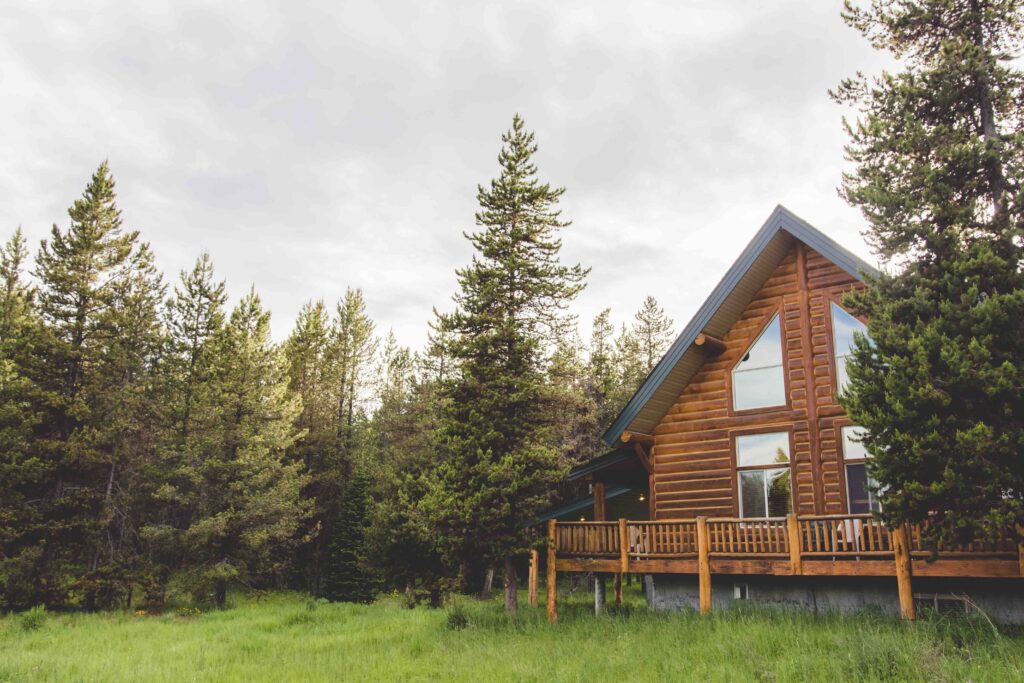
Winterizing a vacant house is the process of preparing an unoccupied home to withstand cold weather conditions without sustaining damage. When no one is living in a home, there is no one to notice a slow leak, a frozen pipe, or a failing heating system. That absence creates real risk. Pipes burst. Mold develops. Structural damage accumulates quietly until it becomes a very expensive problem. Whether you own a vacation property, an investment property, a recently inherited home, or a house that is between tenants, winterizing is not optional. It is essential. The goal is straightforward: protect the home’s core systems from cold temperatures so that when you return or when someone moves in, the house is exactly as you left it.
Why Vacant Homes Face Greater Winter Risks Than Occupied Ones
An occupied home has built-in advantages during winter. People run hot water, generate heat through daily activity, and notice problems early. A vacant home has none of that. Temperatures inside an empty house can drop dramatically if the heat is turned off or set too low, and there is no one present to catch the moment a pipe starts sweating or a water heater starts acting up. Insurance companies actually track this, and many homeowner policies include clauses that limit coverage for damage that occurs in a home left vacant beyond a certain number of days, typically 30 to 60 days depending on the policy. That is a significant exposure. Winterizing your vacant home is about more than comfort. It is about protecting a financial asset from conditions that can cause thousands of dollars in damage over a single cold season.
Start with the Plumbing System
Plumbing is the most vulnerable system in a vacant home during winter. Water expands when it freezes, and that expansion can crack pipes, split fittings, and cause major flooding once temperatures rise again. The first step is to shut off the main water supply to the house. After that, every faucet, both hot and cold, should be opened to drain residual water from the lines. Toilets should be flushed and the tanks should be emptied. The water heater should be drained as well, particularly if the home will remain vacant for an extended period. Any remaining water in traps, such as those under sinks or in floor drains, can be replaced with plumber’s antifreeze, which is a non-toxic formulation specifically designed for this application. Do not use automotive antifreeze. It is toxic and entirely wrong for residential plumbing systems.
Managing the Heating System in an Empty Home
You have two basic options when it comes to heating a vacant home in winter. You can either maintain a minimum level of heat throughout the season, typically no lower than 55 degrees Fahrenheit, or you can shut the system down entirely after completing a full plumbing drain. Both approaches have merit depending on the duration of vacancy and the climate. Keeping minimal heat running protects pipes that may be difficult to drain completely and also helps prevent moisture buildup, which leads to mold. However, it does mean the heating system continues to operate, which adds wear and utility costs. If you choose to drain the system and shut off heat, make sure your HVAC equipment is properly prepped and that you have had a technician inspect it before doing so. Either way, replacing the air filter before you walk away is a good, low-effort step that costs almost nothing.

Appliances, Water Heaters, and Other Systems to Address
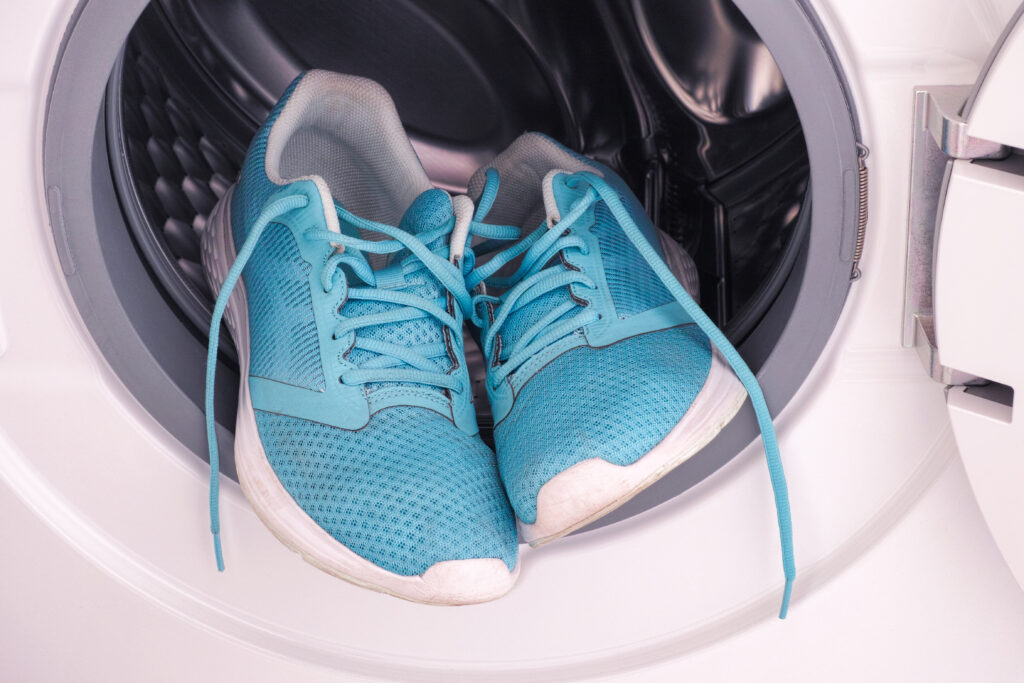
Beyond plumbing and heating, several other home systems and appliances require attention before a house is left vacant for the winter. Refrigerators should be emptied, cleaned, and either unplugged with the doors propped open or left running if keeping minimal power on. The dishwasher should be run once, then left open slightly to prevent mildew. Washing machines should have their hoses disconnected, and any remaining water drained from the drum. The water heater, if not being drained entirely, should at minimum be set to vacation or pilot mode to reduce energy consumption and wear. Sump pumps should be inspected to make sure they are operational, especially in basements prone to groundwater intrusion during freeze-thaw cycles. These details matter. A missed step in one system can undo everything else you did right.
Key Winterization Steps at a Glance
- Shut off the main water supply and drain all pipes, faucets, and fixtures
- Drain and flush the water heater or set it to vacation mode
- Add plumber’s antifreeze to drain traps and toilet bowls
- Set the thermostat to a minimum of 55 degrees Fahrenheit if keeping heat on
- Inspect the roof, gutters, and exterior for damage before winter sets in
- Disconnect and drain washing machine hoses
- Check the sump pump and clear any debris from the pit
- Seal gaps around windows, doors, and exterior penetrations to prevent cold air infiltration
Exterior Preparation Is Just as Important
The exterior of a vacant home takes a beating during winter. Gutters clogged with leaves will trap ice and cause water to back up under roofing materials, which is a condition known as an ice dam. Those are expensive to deal with. Clean the gutters before the first freeze and inspect the downspouts to make sure water is being directed well away from the foundation. Check the roof for any loose shingles or flashing that could allow water intrusion. Exterior hose bibs should be shut off from inside the home using the dedicated shut-off valve, and the hose itself should be disconnected and stored. Any exterior pipes or exposed plumbing should be wrapped with foam pipe insulation. Walk the perimeter and look for gaps or cracks in the foundation, around windows, or at any point where utilities enter the home. Seal them. Cold air finds every opening.
Common Mistakes Homeowners Make When Winterizing
Even well-intentioned homeowners skip steps that turn out to be important. One of the most common mistakes is setting the thermostat too low, thinking 45 degrees is close enough to 55. It is not. Pipes in exterior walls or unheated crawlspaces can still freeze at that temperature. Another frequent oversight is forgetting about the water softener, which holds water and can be damaged by freezing. Swimming pool and irrigation systems are also commonly overlooked, and the cost of repairing a cracked irrigation manifold or a damaged pool pump is not insignificant. Failing to notify your homeowner’s insurance provider that the property is vacant is another mistake that can have serious financial consequences if a claim needs to be filed mid-winter. Documentation and communication matter just as much as the physical preparation.
How a Home Warranty Adds Protection to a Vacant Home
Winterizing reduces your risk, but it does not eliminate it entirely. Systems fail. Equipment breaks down regardless of how carefully a home has been prepared. That is where a home warranty becomes a meaningful layer of protection. A home warranty covers the repair or replacement of major home systems and appliances when they break down due to normal wear and use. For a vacant property, that means if your heating system fails, your water heater gives out, or your electrical panel develops a fault, you have coverage in place rather than facing the full cost of repair out of pocket. It is worth being clear-eyed about this: a home warranty is not a substitute for winterization. It is a complement to it. Proper preparation combined with a warranty plan creates a much stronger safety net than either one alone.
Why Armadillo Is the Smart Choice for Protecting Your Home This Winter
When you have done the work of winterizing your vacant home, the last thing you want is to find out that a major system failure slipped through the gaps and left you with a repair bill you did not plan for. That is exactly the scenario that Armadillo’s home warranty coverage for heating systems, plumbing, and appliances is built to address. Armadillo offers straightforward, honest coverage without the fine-print surprises that frustrate homeowners when they need help most. The claims process is designed to be simple, the coverage is transparent, and the plans are built with real homeowners in mind, not just the best-case scenarios. If you are heading into winter with a vacant property and want to make sure you are covered beyond what winterization alone can provide, now is a good time to get a free home warranty quote for your vacant or investment property and see what a plan actually looks like for your situation. Protection should not be complicated, and with Armadillo, it is not.

Frequently Asked Questions About Winterizing a Vacant House
What temperature should I keep a vacant house at during winter?
The general recommendation is to maintain a minimum indoor temperature of 55 degrees Fahrenheit. This threshold is typically sufficient to prevent pipes from freezing, though homes with plumbing in poorly insulated exterior walls may require a slightly higher setting.
Do I need to drain all the pipes when winterizing a vacant home?
If you plan to shut off the heat entirely, draining all pipes is necessary to prevent freezing and bursting. If you are maintaining minimal heat at 55 degrees or above, full drainage may not be required, though it is still advisable for extended vacancies.
What is plumber’s antifreeze and is it safe to use inside a home?
Plumber’s antifreeze is a non-toxic, propylene glycol-based solution specifically formulated for use in residential drain traps, toilet bowls, and plumbing systems. It is safe for indoor use and should not be confused with automotive antifreeze, which is toxic.
Will my homeowner’s insurance cover damage to a vacant home in winter?
Many homeowner’s insurance policies limit or exclude coverage for damage that occurs in a home that has been vacant for 30 to 60 consecutive days or more. You should contact your insurer before leaving a property vacant to understand your coverage and explore a vacant home rider if needed.
Does a home warranty cover a vacant or investment property?
Many home warranty providers do offer coverage for vacant homes, rental properties, and investment properties. Coverage terms can vary, so it is important to review the plan details and confirm that the property type and vacancy status are accounted for in your agreement.
What happens if I forget to winterize and a pipe bursts?
A burst pipe in a vacant home can cause significant water damage before anyone notices. Depending on how long the water runs before discovery, you may be looking at structural damage, flooring replacement, drywall remediation, and mold remediation, all of which are costly. Acting early is always better than dealing with the consequences.
Should I turn off the electricity in a vacant home during winter?
Turning off electricity entirely is generally not recommended if you are maintaining heat, operating a sump pump, or using any monitoring systems. Selectively turning off circuits that serve non-essential areas is a reasonable middle ground that reduces risk without eliminating necessary power.
How do I prevent mold in a vacant home during winter?
Maintaining adequate heat prevents condensation from forming on cold surfaces, which is the primary driver of mold in vacant homes. Ensuring the home is properly sealed against moisture infiltration and that any known leaks are repaired before vacancy also significantly reduces mold risk.
Is it worth hiring a professional to winterize a vacant home?
For homes with complex plumbing systems, irrigation systems, pools, or HVAC equipment you are unfamiliar with, hiring a licensed professional is a sound investment. The cost of professional winterization is far lower than the cost of repairing damage caused by an incomplete or incorrect process.
Can a smart thermostat help protect a vacant home in winter?
A smart thermostat is an excellent tool for remote monitoring and temperature management in a vacant home. It allows you to check the indoor temperature from anywhere, receive alerts if the temperature drops unexpectedly, and make adjustments without being on-site.