What Is a Grounded Electrical Outlet and Why Does It Matter in Your Home?
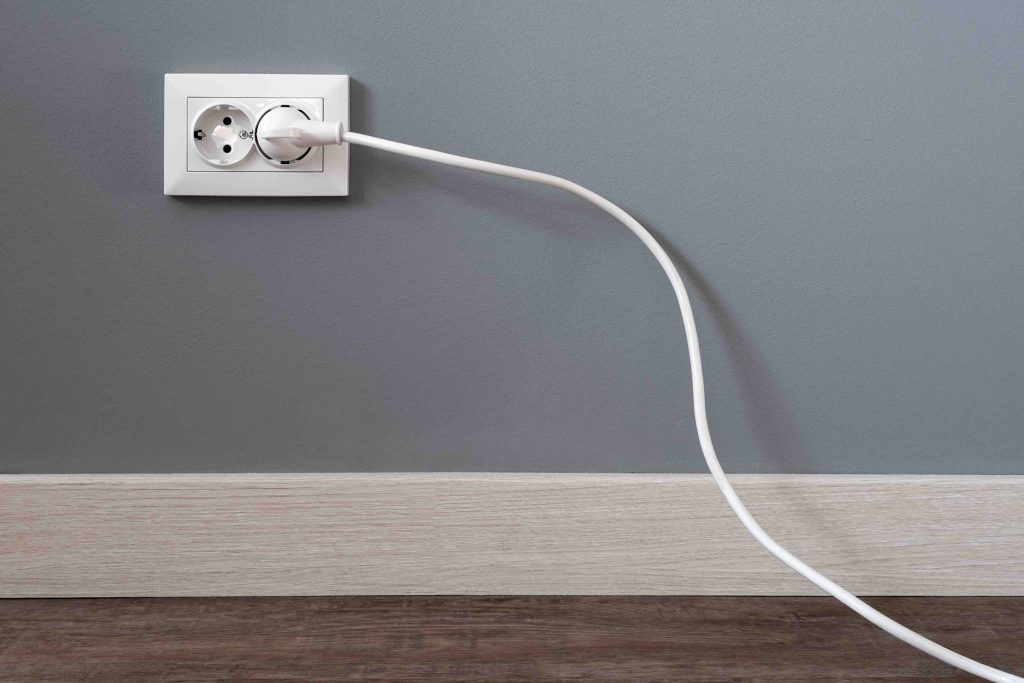
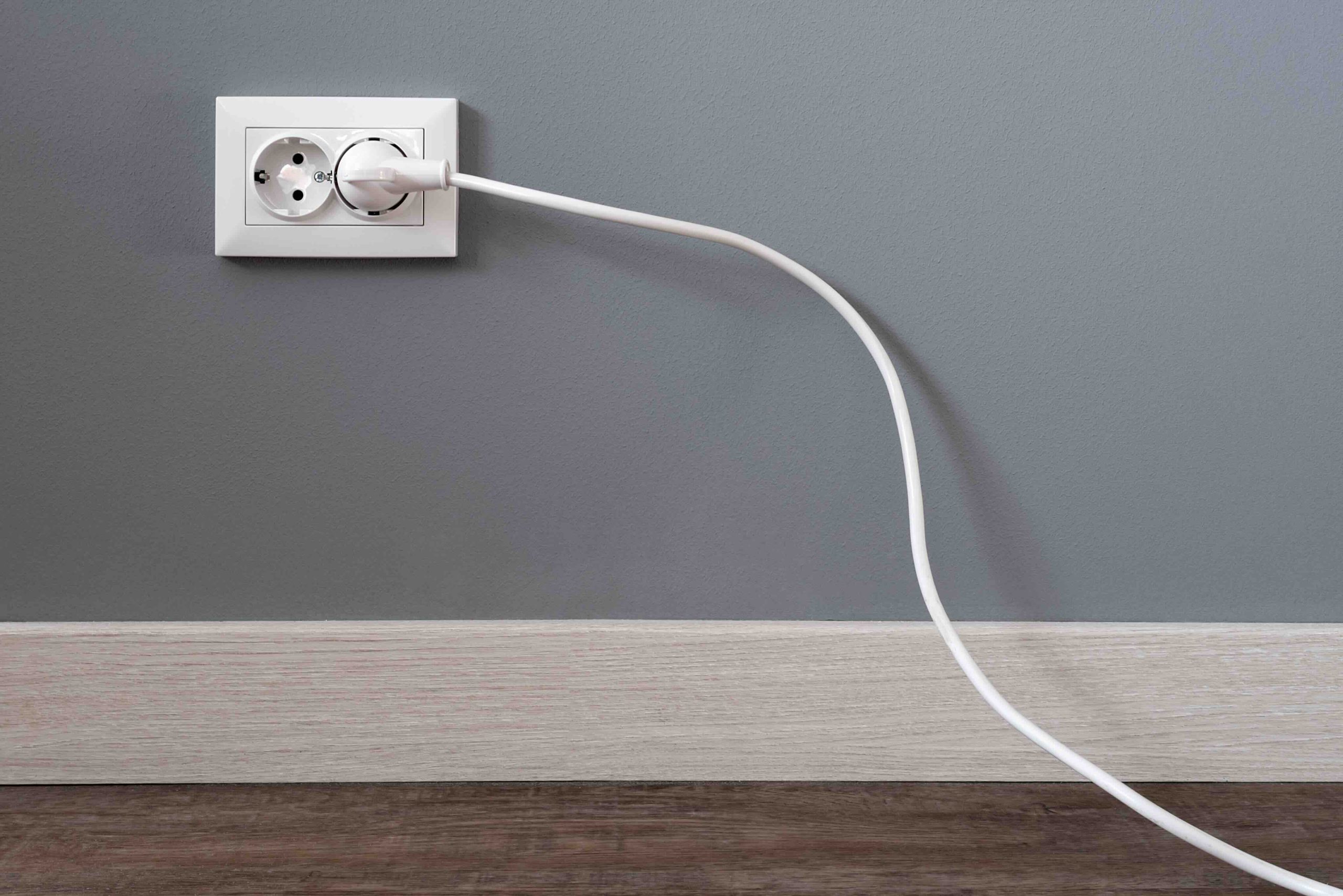
If you have ever looked at an outlet and noticed it has three slots instead of two, you are looking at a grounded receptacle. That third slot, the rounded one at the bottom, is not just there for looks. It serves a genuinely important function in your home’s electrical system. Grounded outlets are designed to redirect excess electrical current safely into the ground rather than through you, your appliances, or your wiring. It is one of those things that most homeowners never think about until something goes wrong, and by then, it can be costly or even dangerous. Understanding how these outlets work, how they are wired, and what can go wrong with them is practical knowledge every homeowner should have.
The Anatomy of a Standard Grounded Outlet
A standard three-prong outlet, also called a duplex receptacle, has three distinct connections. The hot wire carries the live current from the electrical panel to the outlet. The neutral wire returns the current back to the panel, completing the circuit. The ground wire is the safety net. It provides a low-resistance path for stray electrical current to follow in the event of a fault, directing it harmlessly into the earth rather than allowing it to travel through unexpected paths. Each wire corresponds to a terminal on the receptacle: black to brass, white to silver, and bare copper or green to the green ground screw. That color coding exists for a reason, and getting it wrong creates serious safety hazards.
How Grounded Outlets Are Wired Step by Step
Wiring a grounded outlet is a process that follows a consistent and logical sequence. The power to the circuit must be shut off at the breaker panel first, and that is non-negotiable. Before touching anything, you verify the circuit is dead using a non-contact voltage tester. Once confirmed, you strip the wires carefully, connect the black wire to the brass terminal, the white wire to the silver terminal, and the ground wire to the green screw. The outlet is then gently folded into the box, secured with screws, and covered with a wall plate. The breaker goes back on, and the outlet gets tested with a receptacle tester to confirm correct wiring. Simple in theory, but the margin for error is real.

The Key Advantages of Having Grounded Outlets Throughout Your Home
Grounded outlets offer a layer of protection that ungrounded two-prong outlets simply cannot match. Here is what grounding actually does for your home and your family.
- Protects against electrical shock by giving fault current a safe path to follow
- Reduces the risk of electrical fires caused by stray current arcing through walls or appliances
- Protects sensitive electronics like computers, televisions, and smart home devices from voltage surges
- Meets modern National Electrical Code requirements, which is important for home sales and inspections
- Supports the use of surge protectors, which require a ground connection to function properly
These are not minor conveniences. They are meaningful protections that affect both the safety of your household and the long-term condition of your electrical system and appliances.
Common Problems Homeowners Encounter with Grounded Outlets
Even correctly installed grounded outlets can develop problems over time. Outlets loosen with use, connections at the terminals can become corroded or work themselves free, and wiring that is decades old may not be in the best condition. One of the more frustrating issues is a so-called bootleg ground, where someone wired a three-prong outlet but connected the ground wire to the neutral terminal instead of the actual ground path. This makes the outlet test as grounded when it technically is not, creating a false sense of security. Another common issue is a broken ground connection somewhere in the circuit, which leaves the outlet without its safety function even though it accepts three-prong plugs just fine.
Older Homes and the Ungrounded Outlet Problem
Homes built before the 1960s often have two-prong outlets with no ground wire at all. This is not illegal for those existing installations, but it does create a real gap in safety coverage. Homeowners have a few options for addressing this. Running new grounded wiring from the panel is the most complete solution but also the most expensive and disruptive. Installing ground fault circuit interrupter outlets, known as GFCI outlets, is a code-approved alternative that provides shock protection even without a physical ground wire. Arc fault circuit interrupter devices offer yet another layer of protection in specific areas. Each option has trade-offs in terms of cost, protection level, and what future buyers or home inspectors will expect to see.
GFCI Outlets Versus Standard Grounded Outlets: Understanding the Difference
These two types of outlets sometimes get lumped together in conversation, but they protect against different things. A standard grounded outlet protects against shock and fire by redirecting fault current. A GFCI outlet monitors the current flowing through the circuit and shuts off power almost instantly when it detects an imbalance, which is what typically occurs when current is traveling through a person. GFCI outlets are required by code in kitchens, bathrooms, garages, outdoor areas, and anywhere water and electricity might be in close proximity. You can identify them by the test and reset buttons on the face of the outlet. Having both proper grounding and GFCI protection where required gives you the strongest safety profile.
When to Call an Electrician Instead of DIYing It
There is a line between what a reasonably careful homeowner can handle and what requires a licensed electrician. Replacing a like-for-like outlet on a circuit you have confirmed is properly grounded is a manageable task for someone who is comfortable working carefully with electricity. But if you open up an outlet box and find aluminum wiring, knob-and-tube wiring, no ground wire present, or any wiring that looks damaged or scorched, close it back up and call a professional. The same applies if you are trying to add outlets to a circuit, relocate boxes, or upgrade an entire room. Electrical work that goes beyond simple replacement carries real risk, and getting it wrong can result in fires, shock hazards, or failed inspections.
How Your Electrical System Connects to Your Home Warranty Coverage
Here is where home warranties become relevant to this conversation. Your home’s electrical system is one of the core covered systems in most home warranty plans, but the details matter. A home warranty typically covers the repair or replacement of components that fail due to normal wear and tear, which can include wiring, outlets, panels, and switches. What it generally does not cover is damage resulting from code violations, improper installation, or pre-existing conditions. This is precisely why understanding how your outlets are wired and whether they are up to standard matters not just for safety, but for your warranty coverage as well. If a faulty outlet causes a connected appliance to fail, the cause of that failure becomes a very important question.
Knowing your electrical system is properly grounded and maintained keeps you in a stronger position when it comes time to file a claim. It also helps avoid the frustrating scenario where a covered repair gets denied because the underlying issue traces back to something that was never properly installed in the first place. trusted home warranty coverage for your electrical system and major appliances starts with understanding what you have and keeping it in good working order. When you are ready to protect what matters most in your home, you can get a personalized home warranty plan that covers your electrical system and beyond in just a few minutes. Armadillo makes it straightforward to understand exactly what is covered, what is not, and what you are actually paying for, because homeowners deserve that kind of clarity.

Frequently Asked Questions About Grounded Outlets and Home Electrical Systems
Answers to the most common questions homeowners have about wiring grounded outlets, electrical safety, and how it all connects to home warranty protection.
What is the purpose of the ground wire in an electrical outlet?
The ground wire provides a low-resistance path for fault current to travel safely into the earth rather than through a person or appliance. It is a critical safety feature that helps prevent electrical shock and fire in the event of a wiring fault.
How can I tell if my outlets are grounded?
You can use an inexpensive outlet tester, available at any hardware store, that plugs into the receptacle and displays indicator lights showing whether the outlet is correctly wired, ungrounded, or miswired. A licensed electrician can also confirm grounding status as part of a home electrical inspection.
Is it safe to use a two-prong to three-prong adapter?
These adapters allow three-prong plugs to fit into two-prong outlets but do not provide actual grounding protection unless the adapter is connected to a grounded source, which older two-prong outlets typically do not have. They are generally considered a temporary solution at best and are not a substitute for proper grounding.
What is a GFCI outlet and where is it required?
A GFCI outlet detects imbalances in electrical current and shuts off power almost instantly to prevent shock. Current electrical codes require them in kitchens, bathrooms, garages, outdoor locations, crawl spaces, unfinished basements, and anywhere near water sources.
Can I replace an ungrounded outlet with a three-prong outlet without adding a ground wire?
Yes, but only if you replace it with a GFCI outlet and label it as having no equipment ground. This is a code-accepted method that provides shock protection without requiring new wiring runs, though it does not provide the full benefits of a physical ground connection.
Does a home warranty cover electrical outlets and wiring?
Most home warranty plans cover the electrical system including wiring, outlets, panels, and switches when they fail due to normal wear and tear. Coverage typically excludes damage caused by improper installation, code violations, or pre-existing conditions, so maintaining a properly wired system matters.
What does it mean if an outlet tester shows an open ground reading?
An open ground reading means the outlet is accepting a three-prong plug but the ground connection is not functioning. This could be due to a missing or disconnected ground wire, a loose connection at the ground terminal, or a break somewhere along the circuit. It should be investigated and corrected.
Is it dangerous to wire an outlet incorrectly?
Yes. Reversed polarity, swapped ground and neutral connections, or loose terminal connections can all create shock hazards, appliance damage, and fire risks. Electrical work should always be verified with a tester after completion, and any uncertainty warrants calling a licensed electrician.
How often should a homeowner have their electrical system inspected?
A general guideline is every three to five years for most homes, and more frequently for older homes with aging wiring or aluminum wiring. Any time you purchase a home, complete a renovation, or add significant new electrical load, an inspection is a practical and worthwhile step.
Will a home warranty deny a claim if my wiring is not up to current code?
It depends on the specific plan and the nature of the failure. Most home warranties cover components that fail due to wear and tear in their installed condition, but they generally will not cover repairs required because of code violations or work that was never properly performed. Reviewing your coverage terms carefully is always recommended.