What Homeowners Need to Know About Wiring an Electrical Outlet
Electrical outlets are one of those things most homeowners take completely for granted until one stops working. Then suddenly you are standing in your kitchen with a dead outlet, a plugged-in coffee maker, and a lot of questions. Understanding how electrical outlets are wired is not just a fun DIY rabbit hole. It is genuinely useful knowledge that helps you communicate with electricians, spot warning signs, and make smarter decisions about your home’s electrical system. So let’s walk through it properly.
The Basic Anatomy of an Electrical Outlet
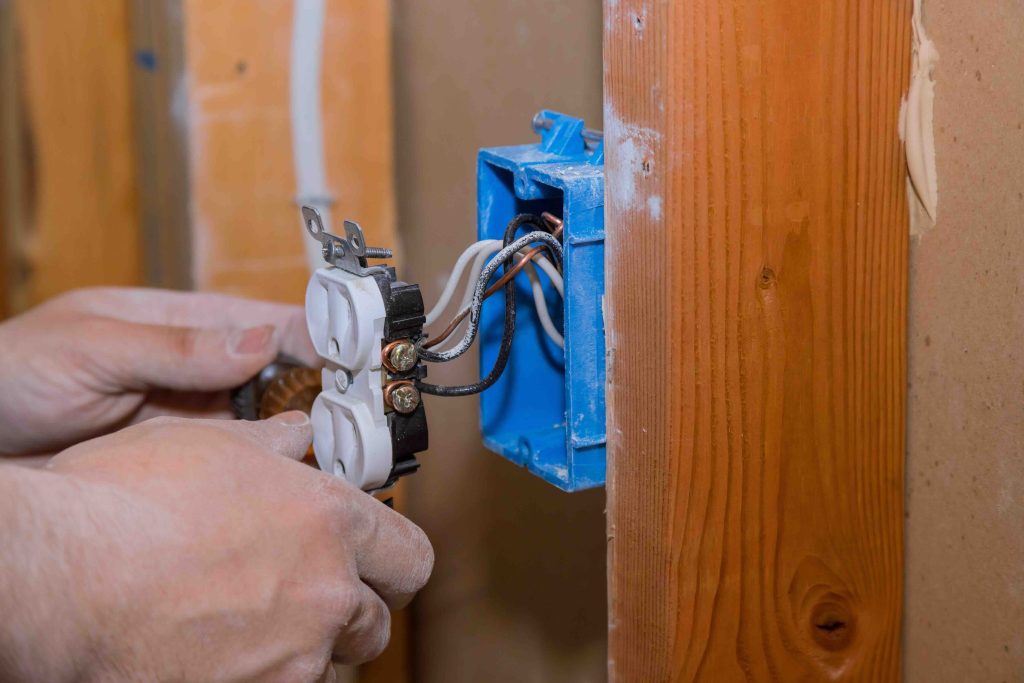
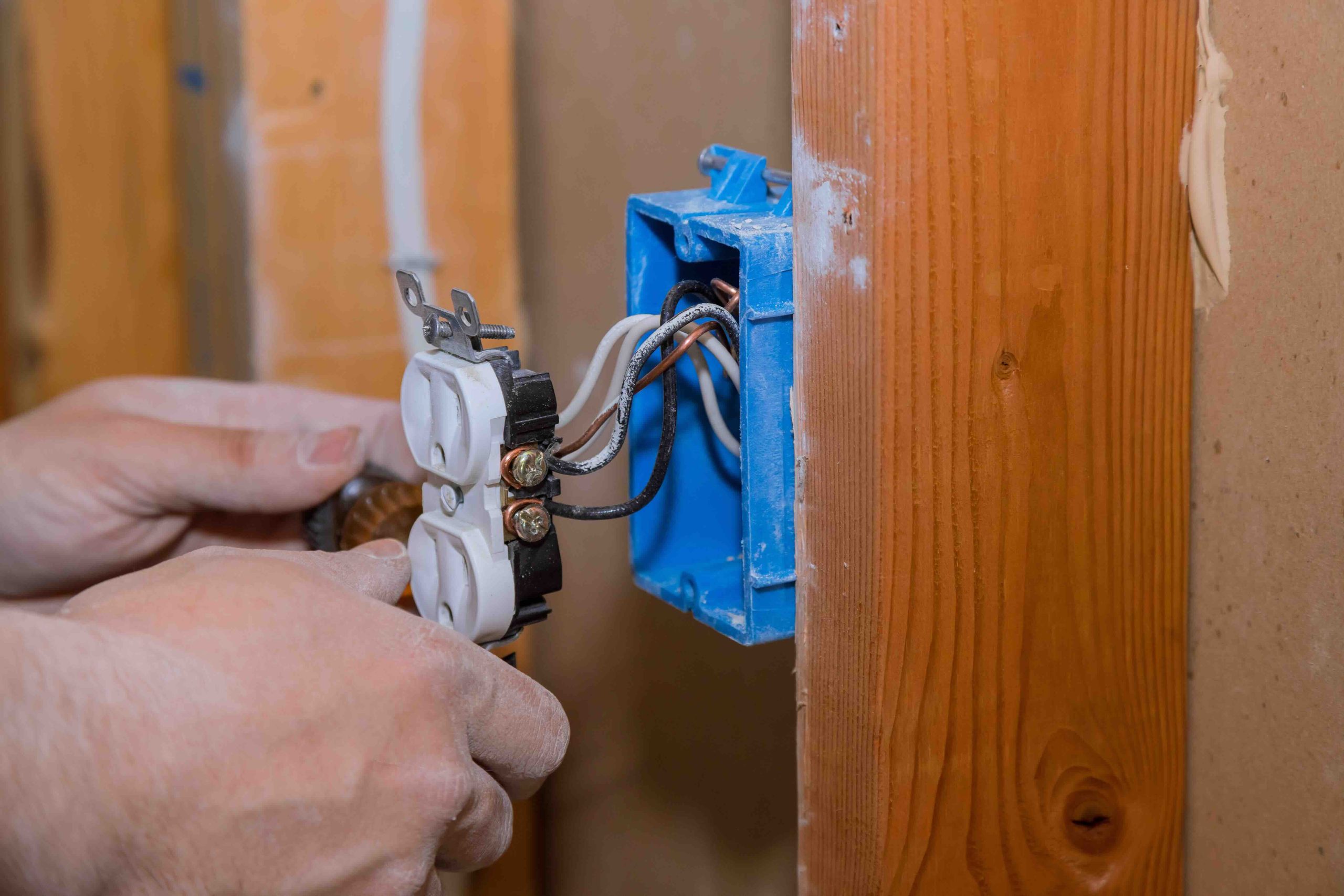
Before anything else, it helps to know what you are actually looking at when you pull a standard outlet off the wall. A typical household outlet in the United States operates on 120 volts and connects to three wires. There is the hot wire, which carries the electrical current to the outlet. There is the neutral wire, which completes the circuit by carrying current back to the panel. And then there is the ground wire, which exists specifically as a safety backup. If something goes wrong, the ground wire gives electricity a safe path to follow that does not involve a person. These three wires connect to corresponding terminals on the outlet itself, and the whole assembly tucks into an electrical box mounted in your wall. Simple in theory, serious in practice.
How the Wiring Actually Works Inside the Wall
Your home’s electrical system originates at the main service panel, which is that gray metal box usually located in a utility room, basement, or garage. From there, circuits branch out through your walls, and each circuit is protected by a breaker. The wiring runs through the walls to each outlet box. In most homes built after the mid-1960s, you will find three-prong outlets with copper wiring. Older homes may have two-prong outlets or even aluminum wiring, which comes with its own set of concerns. When an electrician or a knowledgeable DIYer wires an outlet, they connect the black hot wire to the brass-colored terminal on the outlet, the white neutral wire to the silver terminal, and the bare or green ground wire to the green terminal. Getting these connections right is not optional. Reversing the hot and neutral, for example, creates what is called a reversed polarity situation, which is a real safety hazard that is worth having checked if you are purchasing an older home.
Types of Outlets and Why They Matter
Not all outlets are created equal, and the differences go beyond aesthetics. Here is a quick breakdown of the most common types and their purposes:
- Standard duplex outlets: The two-plug receptacles found throughout most rooms in a home. They connect to standard 15-amp or 20-amp circuits.
- GFCI outlets: Ground Fault Circuit Interrupter outlets are required in bathrooms, kitchens, garages, and outdoor locations. They detect ground faults and cut power within milliseconds to prevent electrocution.
- AFCI outlets: Arc Fault Circuit Interrupter outlets protect against electrical fires caused by arc faults, which occur when wiring is damaged or connections are loose. Newer building codes require these in bedrooms and living areas.
- 20-amp outlets: Identifiable by a horizontal slot in addition to the vertical ones. These are wired to 20-amp circuits and used for appliances with higher power demands.
- USB outlets: Increasingly common, these have built-in USB ports alongside standard receptacles. They are wired the same way as standard outlets but have an integrated charging module.
Common Problems That Stem From Outlet Wiring Issues
Wiring problems do not always announce themselves dramatically. Sometimes an outlet just stops working. Other times, you might notice flickering lights, a warm outlet cover plate, or a faint burning smell near a receptacle. These are not things to ignore. Loose wire connections are one of the most frequent culprits behind outlet failures. Over time, the terminals that grip the wires can loosen, especially in homes with a lot of vibration or in older construction where the original work was not done to the tightest standard. Another common issue is overloaded circuits, where too many devices are pulling power from a single breaker. That is less a wiring problem and more a load management problem, but the result can still be tripped breakers, damaged outlets, and in worst-case scenarios, a fire hazard.

When DIY Is Reasonable and When It Is Not
Here is where a lot of homeowners get into trouble. Some outlet-related tasks are genuinely manageable for someone who is handy and careful. Replacing a like-for-like outlet, swapping in a GFCI receptacle in place of a standard one, or securing a loose outlet in its box are tasks that many homeowners handle without incident. However, running new circuits, upgrading the service panel, or diagnosing intermittent electrical issues requires a licensed electrician. Electrical work that is not done correctly is not just a code violation. It is a fire and safety risk. The general rule is this: if you are replacing something that already exists and you are confident turning off the breaker and verifying the power is off before touching anything, you may be in reasonable DIY territory. If you are adding something new or dealing with a problem you cannot clearly identify, call a professional.
The Role of Electrical Codes and Permits
Electrical codes exist for a reason, and they are updated regularly through the National Electrical Code, which most states adopt with minor modifications. Permits for electrical work are not just bureaucratic hurdles. They create a paper trail showing that the work was inspected and approved, which matters enormously when you sell your home or file an insurance claim. Unpermitted electrical work can complicate home sales, void insurance coverage, and leave you legally exposed if something goes wrong. Even if your neighbor did their whole basement rewire without pulling a permit and nothing happened, that is not a precedent worth following.
Signs Your Home’s Electrical Outlets May Need Attention
Knowing what to look for can help you catch problems before they escalate. Keep an eye out for these warning signs:
- Outlets that feel warm or hot to the touch
- Discoloration or scorch marks around the outlet face
- Outlets that spark when you plug something in
- Receptacles where plugs do not stay firmly seated
- Frequently tripping breakers tied to specific outlets
- Outlets that have simply stopped working entirely
The Cost Reality of Outlet Repairs and Replacements
Outlet replacement on its own is relatively affordable when viewed in isolation. A licensed electrician typically charges somewhere between $100 and $200 to replace a standard outlet, with GFCI outlets running slightly higher due to the components involved. However, costs escalate quickly when the underlying cause is more significant. If an outlet failure traces back to faulty wiring in the wall, a damaged circuit breaker, or a larger panel issue, you are looking at a very different price conversation. Electrical repairs that involve the panel or require running new wire through finished walls can reach into the thousands of dollars. This is where the financial unpredictability of homeownership becomes very real very fast.
How a Home Warranty Can Protect You from Electrical System Surprises
Electrical problems have a way of arriving at the worst possible time, and the costs can stack up in ways that genuinely strain a household budget. That is exactly the kind of scenario a quality home warranty is built for. Armadillo home warranty coverage for electrical systems and outlets is designed to take the financial sting out of breakdowns that are simply part of owning a home. When a covered electrical component fails, Armadillo connects you with a qualified service professional and handles the costs according to your plan terms. No scrambling for contractor recommendations, no surprise invoices. If you want to stop wondering what the next repair is going to cost you and start feeling prepared instead, you can get a free home warranty quote for electrical and system protection and see exactly what coverage looks like for your home. Electrical systems are not glamorous, but protecting them is one of the smartest moves a homeowner can make.

Frequently Asked Questions About Wiring Electrical Outlets
Here are answers to some of the most common questions homeowners ask about electrical outlets and how they are wired.
What are the three wires connected to an electrical outlet?
The three wires are the hot wire, which carries current to the outlet; the neutral wire, which carries current back to the panel; and the ground wire, which provides a safe path for electricity in the event of a fault. The hot wire is typically black, the neutral is white, and the ground is bare copper or green.
Is it safe to replace an electrical outlet yourself?
Replacing a like-for-like outlet can be a manageable DIY task for a careful homeowner, provided the circuit breaker is turned off and the power is verified as dead before touching any wiring. However, if you are unsure about any step in the process or the problem involves more than the outlet itself, hiring a licensed electrician is the safer choice.
What is the difference between a GFCI and a standard outlet?
A GFCI outlet contains a built-in sensor that monitors electrical current flow. If it detects an imbalance, which can indicate that electricity is flowing through an unintended path such as a person, it cuts power within milliseconds. Standard outlets do not have this protection. GFCI outlets are required in areas near water sources.
Why does my outlet feel warm to the touch?
A warm outlet is a sign of a problem and should not be ignored. It can indicate a loose wire connection, an overloaded circuit, or a failing outlet. In any of these cases, the outlet should be inspected by a licensed electrician promptly, as warm outlets can be a fire hazard.
What causes an outlet to stop working?
Common causes include a tripped circuit breaker, a tripped GFCI outlet somewhere on the same circuit, a loose wire connection inside the outlet box, or a failed outlet receptacle. Start by checking the breaker and any nearby GFCI outlets before assuming the outlet itself needs to be replaced.
How do I know if my home has outdated or unsafe wiring?
Signs of outdated wiring include two-prong outlets throughout the home, a fuse box instead of a circuit breaker panel, aluminum wiring rather than copper, and frequent breaker trips. If your home was built before 1980 and has never had a wiring inspection, scheduling one with a licensed electrician is a worthwhile investment.
Does replacing an outlet require a permit?
In most jurisdictions, replacing an existing outlet in-kind does not require a permit. However, adding new outlets, running new circuits, or upgrading to a different outlet type in a new location typically does require a permit and inspection. Check with your local building department when in doubt.
Can a home warranty cover electrical outlet repairs?
Yes, many home warranty plans include coverage for electrical system components, which can include wiring, outlets, and panels. Coverage specifics vary by plan and provider, so reviewing the terms carefully before purchasing is important. A home warranty can offset the cost of covered electrical repairs that would otherwise come entirely out of pocket.
What is reversed polarity in an outlet, and is it dangerous?
Reversed polarity occurs when the hot and neutral wires are connected to the wrong terminals on an outlet. The outlet may still function, but it creates a safety hazard because the components of plugged-in devices may remain energized even when switched off. A simple outlet tester can detect reversed polarity, and an electrician can correct it quickly.
How long do electrical outlets typically last?
Electrical outlets do not have a fixed expiration date, but they can degrade over time. Physical wear from repeated plug insertions, heat exposure from loose connections, and the age of the surrounding wiring all affect longevity. Outlets in homes that are 25 years or older are worth having assessed, particularly if you notice any of the common warning signs like looseness, discoloration, or intermittent function.