How a Vent Pipe Gets Clogged and Grounded: A Homeowner’s Guide
Homeownership means understanding the complex systems working behind your walls, under the floors, and above the ceiling. One of those unsung heroes? The plumbing vent pipe. This often-overlooked component keeps water flowing and odors out. When it’s functioning properly, you never think about it. But when it’s clogged or grounded, problems can escalate quickly. This article walks you through what a plumbing vent pipe is, how it works, what causes it to fail, and how to avoid costly repairs—with a little help from strategic maintenance and comprehensive home warranty support.
What Is a Plumbing Vent Pipe and Why It Matters
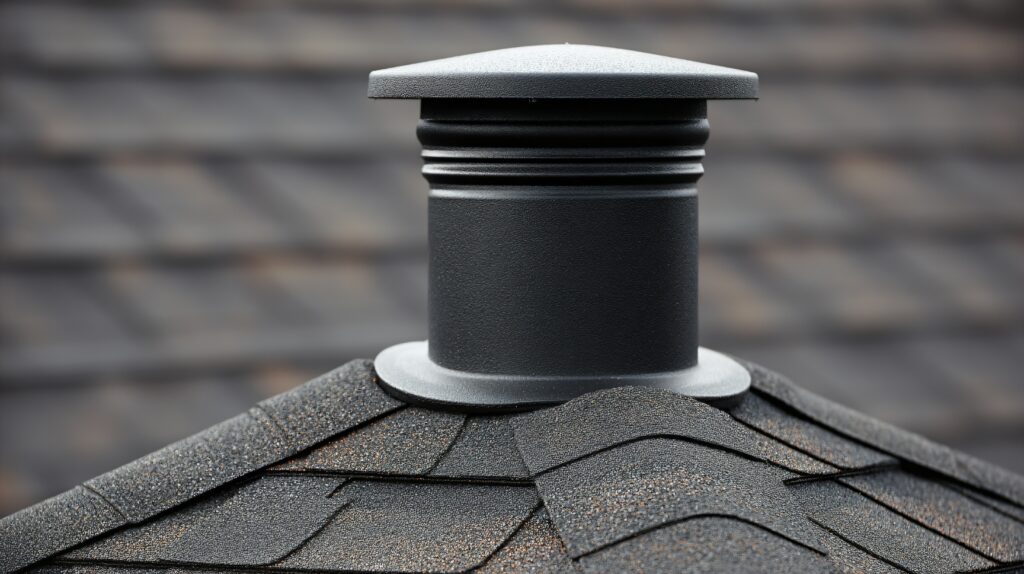
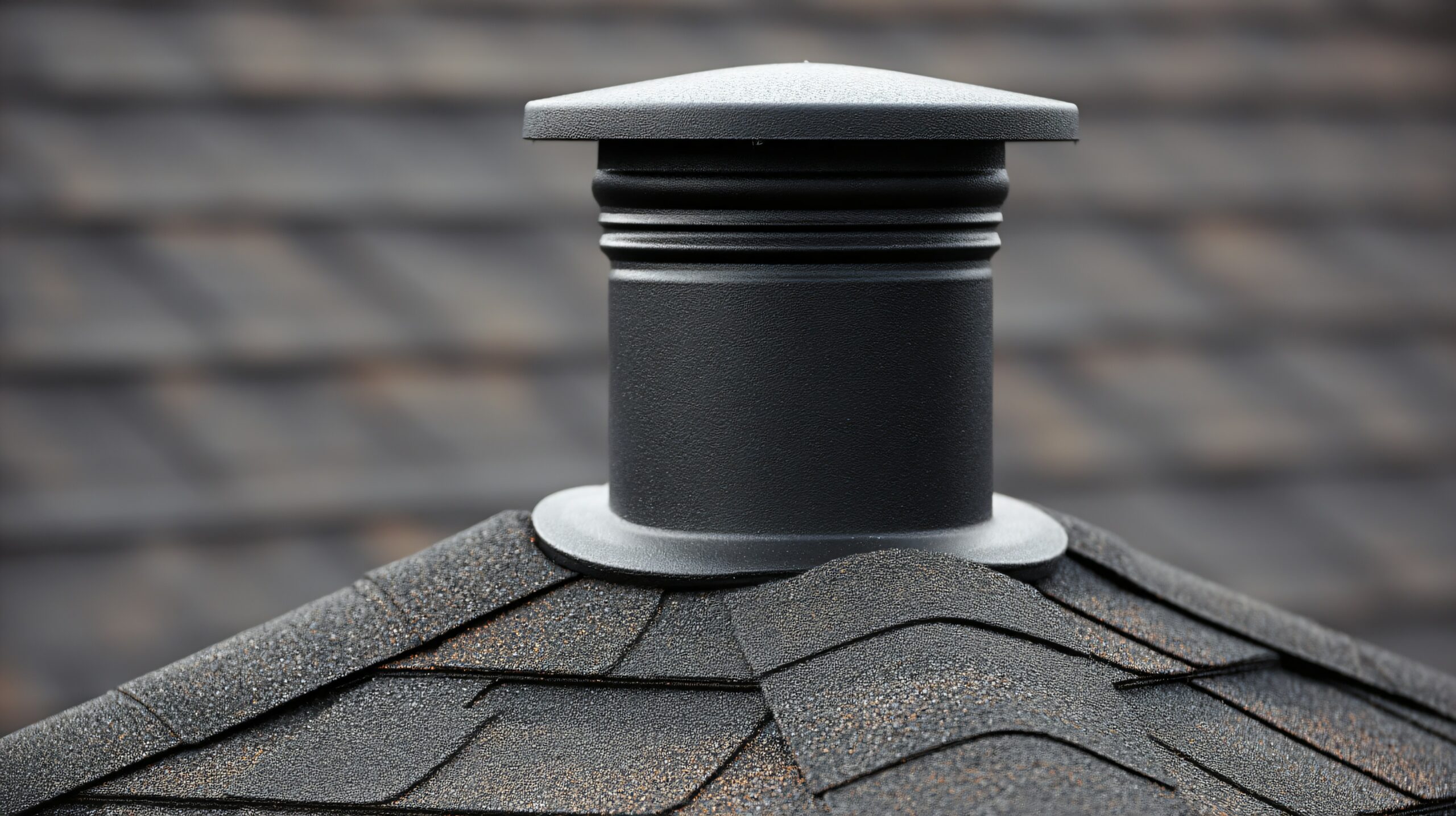
A plumbing vent, or vent stack, is typically a vertical pipe extending through your home’s roof. Its job is subtle but critical. It helps air enter the plumbing system to maintain proper pressure, allowing wastewater to flow out effortlessly. Without it, water can’t move freely through pipes, leading to gurgling drains, slow toilets, or even sewer gases backing up into your living space. Think of it as the breathing system for your home’s drainage architecture—no airflow, no proper outflow. It doesn’t handle water directly, but it enables every toilet flush or shower drain to function without resistance.
Why Do Vent Pipes Get Clogged?
Vent pipe clogs are more common than homeowners might assume. Over time, debris accumulates—leaves, twigs, bird nests, or even tennis balls if you’ve got kids with good aim and bad luck. Winter snow and ice can also form blockages. In some cases, deteriorating internal pipe walls can cause buildup inside the vent itself. Internal obstructions such as insect nests or corrosion scaling often go unnoticed until symptoms arise. These blockages trap air pressure inside your plumbing system, affecting its hydraulic balance and compromising flow.
The Issue of Grounding: When Electricity Meets Infrastructure
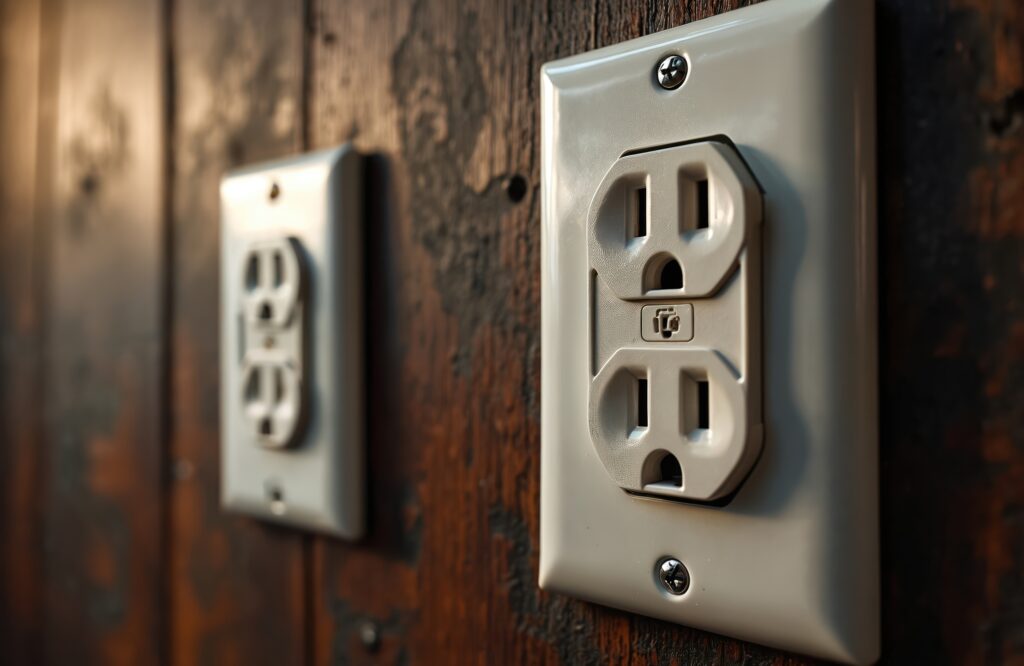
Grounding problems in vent systems tend to surprise homeowners because the concepts seem unrelated. Here’s how they connect. In older homes especially, some metal vent pipes were used to support grounding for the house’s electrical system. If that pipe becomes corroded, disconnected, or replaced with plastic, it could sever the ground path. This creates a genuine safety issue—not just plumbing inefficiency but also electrical shock risk. Improper grounding doesn’t just affect toilets and sinks; it can affect all electrically connected appliances. Any renovation that inadvertently removes or replaces a metal vent pipe with PVC without re-establishing ground continuity causes a deeper systems failure than it appears.
Recognizing Signs of a Clogged or Improperly Grounded Vent Pipe
The warning signals vary depending on the kind of failure. If your vent pipe is clogged, expect slow wastewater drainage, bubbling in the toilet bowl, or foul odors creeping up from sink drains. That unmistakable sewer gas smell typically means the pressure differential in the system is off, sucking water from traps and letting gas escape. If grounding is the issue, signs range from minor electric shocks at fixtures to inexplicable circuit trips. It’s vital not to ignore these cues. Contact a licensed plumber or electrician at the first sign—diagnosing early can prevent structural and health complications down the road.
Preventive Measures to Keep Your Vent Pipe Working
Staying proactive is your best defense. Schedule regular roofline inspections, especially in autumn and after heavy storms. Ensure the top of the vent stack remains uncovered and unobstructed. Install rodent or leaf guards if your home’s geography makes it vulnerable. Periodic water pressure checks can reveal internal obstructions. For grounding integrity, always consult an electrician before undertaking plumbing renovations or vent pipe replacements. If your home was built prior to 1980, ask for a grounding continuity test as part of your electrical systems inspection. Keep drainage flow steady by avoiding grease or debris buildup in pipes—it all ties back to the efficiency of the vent system above.
How Home Warranties Can Play a Role in Vent Pipe Issues
Many homeowners engage with vent pipe problems reactively, not proactively, which leads to higher costs. Home warranties can help close that gap. While policies vary, many comprehensive plans cover damage resulting from clogged plumbing or linked structural issues—especially where poor drainage leads to water backup or pipe strain. If poor grounding affects an appliance covered by your warranty, a repair or replacement may also qualify. Understanding what’s in your coverage makes an important difference. You’re not just protecting major systems—you’re ensuring the hidden infrastructure supporting them remains intact.
When to Call In a Professional
Some basic troubleshooting—like using a flashlight and mirror to check the top of the vent stack—can be DIY-friendly. But once you suspect a clog deeper down, or changes in grounding integrity, involving a licensed professional becomes essential. Hydro-jetting or auger-based vent clearing requires the right equipment and expertise. Grounding repairs are never safe to address through trial and error. Licensed tradespeople will also ensure any documentation needed for claims, warranties, or future maintenance is properly recorded, which helps establish a repair history—something home warranty providers often look for.
Protect Your Pipes—and Your Wallet—with Armadillo
Dealing with plumbing vent issues can be unpredictable, costly, and disruptive. Home warranty coverage from Armadillo simplifies the equation by taking the burden of unexpected repair costs off your shoulders. With customizable coverage options, including protection for plumbing systems and the appliances tied into them, Armadillo provides a modern, convenient approach that doesn’t just cover the visible breakdowns—it prepares you for what’s hiding in the infrastructure. Get started with a coverage plan that works for your home and budget by visiting our homepage or take the first step toward protection by building your customized plan today. Your home has enough to say—let’s make sure vent pipe problems aren’t one of them.