Understanding How Your Air Conditioner Works: A Homeowner’s Guide
Air conditioners are the unsung heroes of summer comfort. When outdoor temperatures surge and humidity becomes relentless, a functioning central or ductless air conditioning system makes all the difference. But while it’s easy to enjoy the cool air, fewer homeowners fully understand how their air conditioning system works—or what’s actually covered in the event of a breakdown. In this guide, we’ll take a step-by-step look at air conditioners from a homeowner’s perspective: what they are, how they operate, their pros and cons, and how proper maintenance (and a reliable home warranty) can help you keep your cool all season long.
What Is an Air Conditioning System?
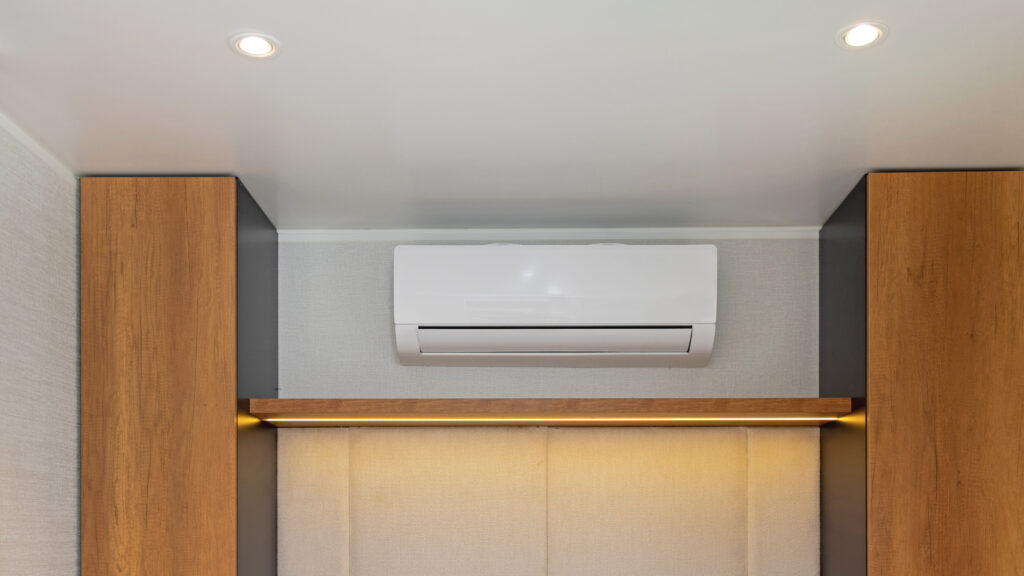
At its core, an air conditioner is a machine engineered to remove heat and humidity from indoor air. Contrary to common belief, it isn’t just blowing cold air into your home. Instead, it transfers heat from inside to the outside using a chemical refrigerant, a compressor, coils, fans, and a network of ducts or lines. Whether you have a central air conditioning system integrated with your HVAC setup or a ductless mini-split cooling a single room, the core mechanics remain similar. Your air conditioner takes warm air, processes it through the refrigerant cycle, and then circulates cooled, dehumidified air back into your living space.
How Does an Air Conditioner Actually Work?
The process begins with warm indoor air being pulled into the system through a fan. That air moves over the evaporator coils, which are filled with cold refrigerant. The refrigerant absorbs the heat from the air, cooling it. The now-chilled air is blown back into the room, while the warmed refrigerant flows to the outdoor unit. There, the compressor builds pressure, forcing the refrigerant into the condenser coil where it releases its heat to the outside air. The refrigerant then cools, turns back into a liquid, and cycles back to the evaporator coil indoors. It’s a loop that continues until your thermostat tells the system the desired temperature has been reached. There’s elegance to the science, and it’s orchestrated with precision—when everything is working correctly.
Grounded Components: What Keeps Your System Safe
Electrical grounding is a critical part of air conditioner safety, though it’s something many homeowners overlook. Air conditioners are powerful machines that draw significant amounts of electricity. Grounding ensures that in the event of a short circuit or electrical surge, excess electrical current is diverted safely into the ground instead of damaging the unit—or worse, igniting a fire. Most modern systems include grounding wires that route back to your home’s breaker panel. For units installed outdoors, the metal housing is also grounded as a safeguard. Regular inspections during seasonal maintenance can help ensure grounding connections remain intact and fully functional. While subtle and often invisible, grounding is what offers a layer of protection you don’t want to be without.
Most Common AC Issues Homeowners Encounter
Air conditioning systems are durable but not infallible. Among the most common problems are refrigerant leaks, dirty coils, electrical failures, blocked condensate drains, malfunctioning thermostats, and compressor issues. Because components interact so closely, a seemingly minor issue—like an unclean filter—can snowball into larger disruptions. Left unchecked, these problems often lead to poor cooling efficiency, higher energy bills, or total system failure. Diagnosing the source early is key. Regular maintenance by a licensed professional reduces the odds of major breakdowns, but if one happens unexpectedly, having a home warranty can make repairs far more manageable financially and logistically.
The Pros of Owning a Home Air Conditioning System
The most obvious benefit is comfort. A good air conditioning system keeps your home cool and dry even during summer’s most intense heat waves. But air conditioning also offers improved air quality as indoor units often come with built-in filtration systems that remove dust, allergens, and pollutants. Humidity control helps to prevent mold growth, especially in more humid climates. Additionally, keeping your home at a consistent temperature can improve overall sleep, reduce heat-related illnesses, and protect electronics and other heat-sensitive items. From a real estate angle, central air is an appealing feature that adds market value to most homes and is frequently a deciding factor for prospective buyers.
The Drawbacks You Should Know About
No system is perfect, and air conditioners have their downsides. Most notably, energy usage. Depending on the size and age of your unit, operating costs during peak seasons can be significant, particularly in homes with poor insulation. Annual maintenance is essential and, when neglected, small issues can quietly develop into costlier damages. Installation costs for central AC systems are also considerable, often requiring ductwork modifications or new electrical infrastructure. Finally, older AC units use phased-out refrigerants like R-22, which are both environmentally harmful and expensive to replace. Being aware of these realities helps homeowners plan wisely—especially when choosing whether to repair or replace aging systems.
Why Armadillo Makes Home Cooling Covered—and Simple
When summer arrives, your air conditioner becomes one of the most relied-upon systems in your home. And while regular maintenance is critical, even the best-kept systems can break down. A good home warranty brings peace of mind, covering repairs or replacements when your cooling unit fails due to normal wear and tear. With Armadillo’s modern, transparent approach to home warranties, homeowners get quick access to vetted technicians, responsive claims service, and plans that include high-coverage options for HVAC systems—making costly AC repairs manageable and less stressful. Explore our warranty plans at Armadillo’s homepage, or get started building your ideal plan with ease at our custom plan builder. It’s one less thing to sweat over—literally.