Understanding Your Home’s HVAC System: How It Works and Why Maintaining It Matters
For many homeowners, the HVAC system remains mostly invisible until something goes wrong. But this essential system is responsible for heating, cooling, and maintaining the overall comfort of your home year-round. Whether you experience blazing hot summers or bone-chilling winters, your HVAC’s performance can dramatically impact your comfort and your energy bill. In this article, we’ll break down what your HVAC system is, how it works, its key benefits, potential drawbacks, and how proactive care and protection—including choosing the right home warranty—can save you time, stress, and money in the long run.
What Is an HVAC System?
HVAC stands for heating, ventilation, and air conditioning. It’s an integrated system designed to regulate the temperature and air quality inside a building. Most residential HVAC systems include a furnace or heat pump, air conditioner, ductwork, vents, thermostat, and often a ventilation system that ensures fresh air circulates while stale air is removed. Some houses also include integrated humidifiers or air purifiers. Collectively, this system balances temperature and humidity and supports good indoor air quality.
How Does an HVAC System Work?
The system itself operates through three main functions. Heating is typically managed by either a furnace or a heat pump. Furnaces rely on natural gas, oil, or electricity to generate heat, which is then pushed through ductwork into the home via fans. Heat pumps, on the other hand, transfer heat from the outside air into your home by reversing the refrigerant cycle commonly found in air conditioners.
Cooling is managed by an air conditioner which extracts warm air from inside your home, cools it using refrigerant and coils, and then returns the cooled air via ducts. Lastly, ventilation distributes that heated or cooled air throughout your home while simultaneously filtering out pollutants, dust, and allergens. It also involves return vents that draw air back into the system to maintain a continuous loop of temperature-regulated air.
Key Benefits of a Well-Maintained HVAC System
At a glance, the benefit of proper heating and cooling seems obvious—comfort. However, there are several other long-term advantages. First, efficiency. A high-functioning HVAC system runs efficiently, meaning it uses less energy and reduces monthly utility bills. Second, it preserves indoor air quality. Proper filtration and humidity controls reduce contaminants like dust mites, mold, pet dander, and VOCs, which can worsen allergies or respiratory conditions. And third, property longevity. Regulated indoor temperatures help protect other core elements of your home, such as hardwood flooring, drywall, and electronics, by reducing exposure to humidity and temperature extremes.
Common HVAC System Drawbacks
No system is perfect, and HVAC is no exception. Installation and replacement costs can be significant—especially if your ductwork is outdated or your unit isn’t energy efficient. A neglected HVAC system also becomes less efficient over time, resulting in higher energy bills and uneven temperature distribution.
Wear and tear is inevitable. Components like blower motors, compressors, and thermostats can degrade and eventually fail. And unless you’re maintaining the system regularly and changing your filters at recommended intervals, you’ll likely see drops in performance. Another consideration: certain older refrigerants are being phased out for environmental reasons. If your system uses one of these, replacement or repairs can involve costly upgrades.
Tips for Homeowners to Maximize HVAC Performance
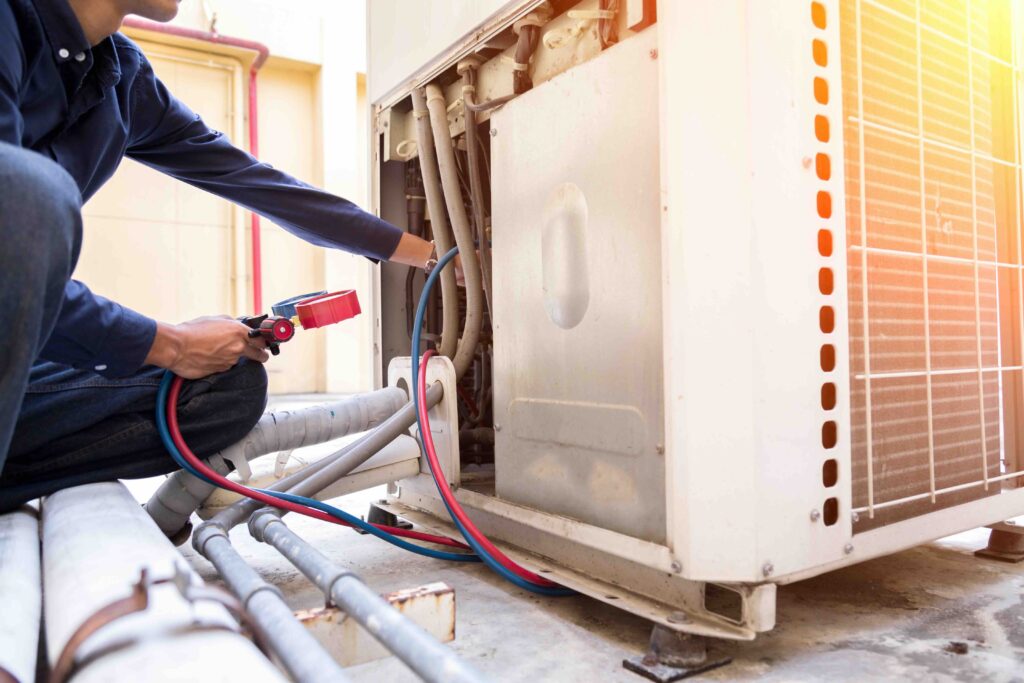
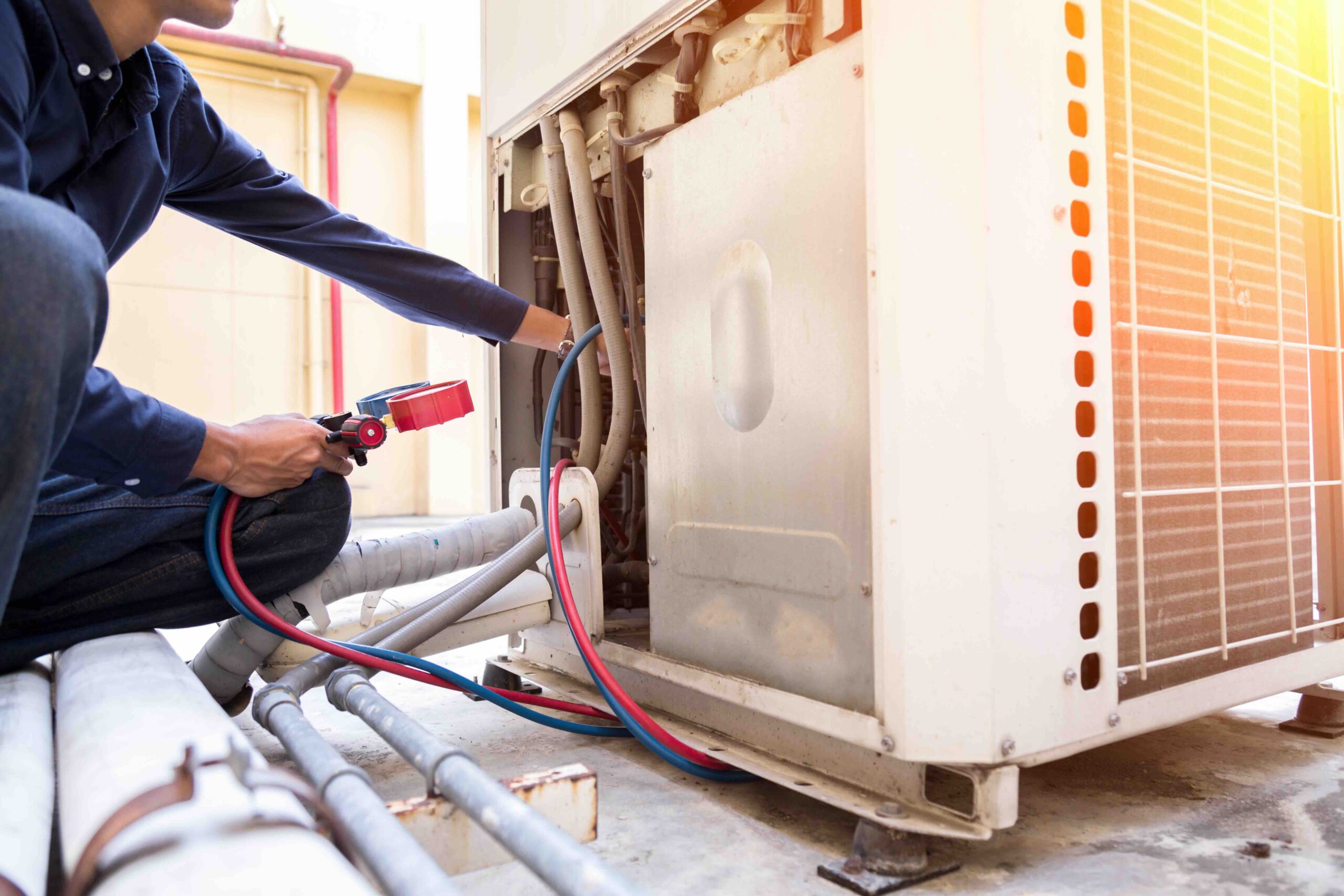
The easiest way to get the most out of your HVAC system is to stay ahead of problems. Schedule seasonal inspections—ideally before summer and winter peak months. Technicians can inspect ductwork, fan motors, and coolant levels, and clean or replace necessary parts before they stop working.
Change your filters every 30 to 90 days depending on your household’s needs. This ensures your HVAC system isn’t working harder than it should to push air through. Install a programmable or smart thermostat to regulate temperature more effectively when you’re not home. Additionally, keep vents clear of furniture or obstructions and monitor insulation levels in attics or crawlspaces to avoid energy loss. These practical steps can extend the life of your system and avoid future breakdowns.
When Repairs Happen: What Costs Should Homeowners Expect?
HVAC repair costs can vary greatly based on the problem. Minor fixes, like replacing a fan belt or capacitor, are often less than $200. On the other hand, repairing a refrigerant leak or replacing a compressor can cost upwards of $1,000. Full system replacement, depending on size and efficiency, can easily exceed $7,000—not including ductwork.
Costs also spike during extreme weather conditions, when service demand is highest. If an older unit fails in peak summer heat, you may be left facing urgent same-day repairs at premium pricing. This unpredictability makes HVAC one of the most valuable systems to include under a home warranty. Regular breakdowns are stressful enough without having to calculate every repair against your savings.
How Home Warranty Coverage Protects HVAC Systems
Unlike homeowners insurance, which covers damage from specific hazards (like fire or floods), a home warranty covers mechanical breakdowns due to normal wear and tear—including your HVAC system. This includes the furnace, heat pump, air conditioning components, and most interior system elements like ductwork and thermostats. Not only does it provide peace of mind, but it simplifies the repair process by connecting you with qualified professionals and covering parts and labor, dramatically reducing out-of-pocket costs.
Well-built home warranty plans go a step further. They offer 24/7 service request systems, flexible coverage tiers, and often customizable plans to match your household’s specific needs. That’s especially beneficial for homes with older HVAC components nearing their natural end-of-life—even if those units are still functional today.
Signs It’s Time to Consider HVAC Coverage
If your HVAC system is over 5 years old and lacks recent upgrades, it’s smart to think about a warranty. Other indicators might include rising energy bills, uneven temperatures between rooms, unusual noises, or frequent cycling on and off. If any of these feel familiar, your system might be headed for a breakdown—and with it, a surprise repair bill.
For new homeowners or those purchasing a resale property, know that many systems are no longer under manufacturer warranty. A home warranty acts as a safety net, especially during the first year in a new home when most system histories are a mystery.
Shield Your HVAC System with Armadillo
Protecting your HVAC setup isn’t just about comfort—it’s a smart financial decision. With Armadillo, you get modern home warranty coverage built for simplicity, speed, and flexibility. Whether it’s your aging AC unit or a heat pump just beginning to struggle, Armadillo has a plan that fits. Our streamlined service pairs you with qualified technicians and protects your budget from surprise repair costs, all while giving you control from your smartphone. Visit our homepage to learn more, or jump straight into building your home warranty at our plan builder here.