Understanding Your Home’s HVAC System: What Every Homeowner Should Know
Your home’s HVAC system is one of the most essential components of living comfortably year-round, yet for many homeowners, it can feel like a black box—something you know you need, but don’t fully understand. HVAC stands for Heating, Ventilation, and Air Conditioning. It’s the system responsible for keeping your living space warm in the winter, cool in the summer, and your indoor air quality healthy. Whether you’re a first-time homeowner or in the middle of a renovation, understanding how your HVAC system works, its key benefits and drawbacks, and how to maintain it can save you from costly repairs and give you more control over your home’s environment. Let’s unpack what every homeowner should know about the HVAC system that powers the heart of their home.
How Your HVAC System Works: The Basics
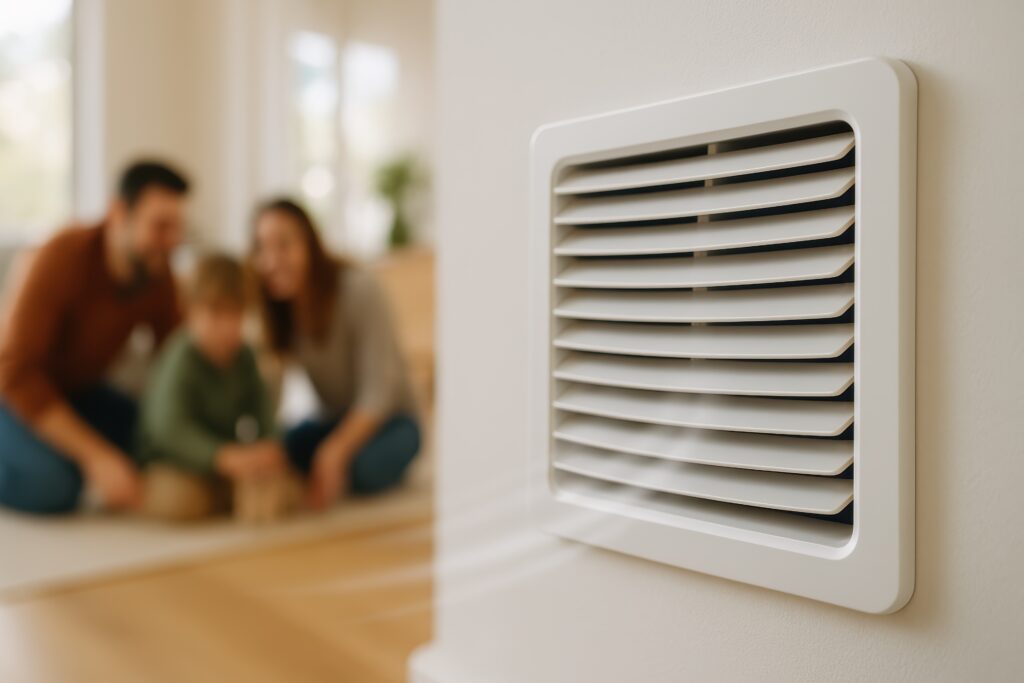
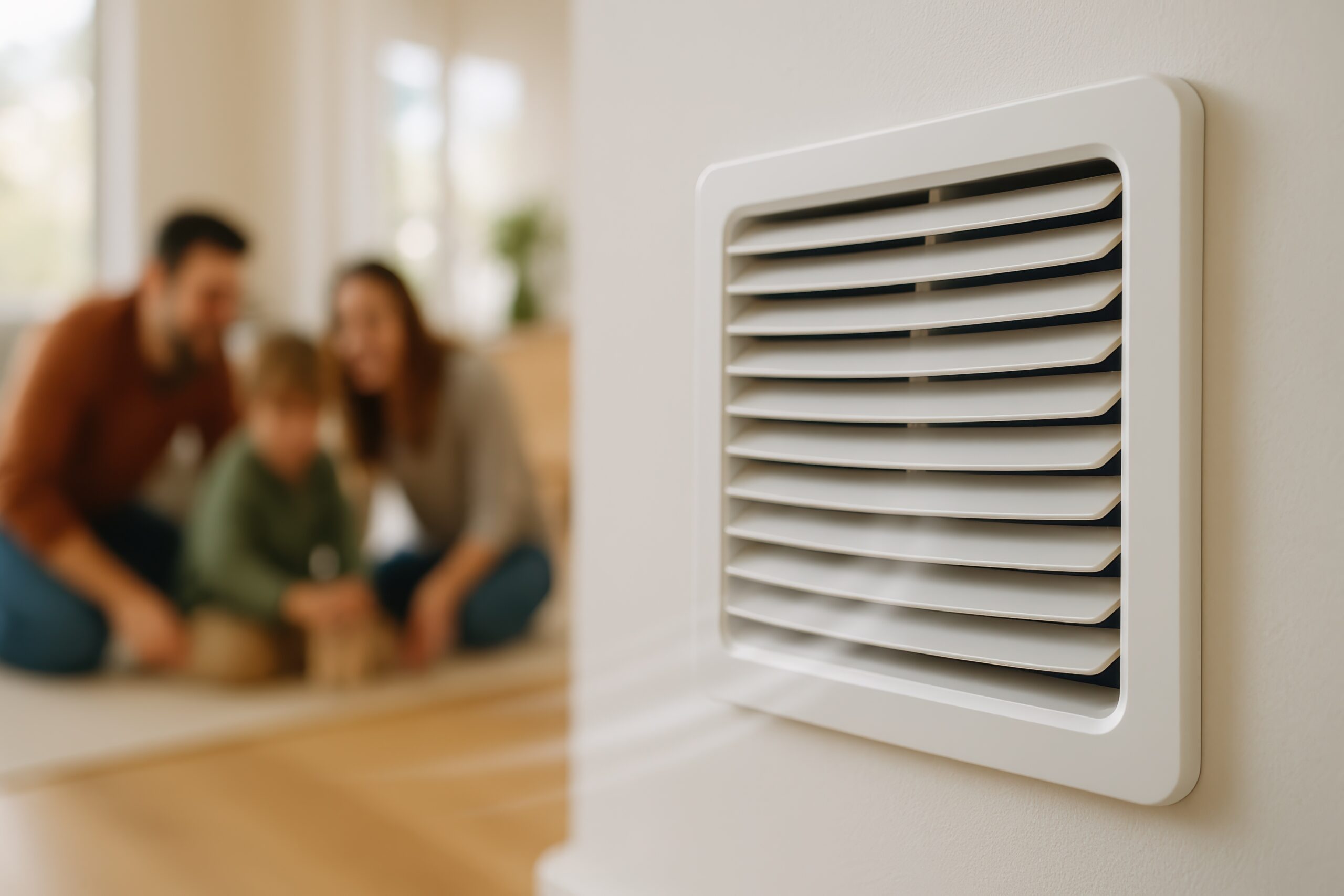
An HVAC system is a network of components working together to condition, circulate, and clean the air inside your home. It generally includes a furnace or heat pump, an air conditioner or cooling unit, ductwork, vents, filters, and in some cases, a smart thermostat. In cooler months, the furnace heats the air and sends it through the ducts to your living spaces. During warmer months, the air conditioner or heat pump extracts heat from the indoor air and moves cooled air throughout your home. All year round, fans and filters circulate and purify indoor air. Many systems are controlled through a single thermostat, which senses indoor temperature and switches between heating and cooling modes as needed.
Benefits of a Well-Maintained HVAC System
When properly maintained, your HVAC system can significantly enhance your quality of life. Comfort may be the most obvious perk, but energy efficiency, cleaner indoor air, and cost savings are equally compelling advantages. High-efficiency systems can lower your monthly utility bills by using less energy to maintain your home’s temperature. Clean filters and ducts mean fewer airborne pollutants like dust, pet dander, and mold spores—critical for allergy sufferers. Perhaps most importantly, a well-functioning HVAC system runs quieter, lasts longer, and reduces the likelihood of emergency repair calls. These aren’t just creature comforts; they’re smart investments in your home’s long-term value and performance.
Common HVAC Issues and Drawbacks
No system is perfect, and HVAC systems come with their own set of challenges. One of the most common issues homeowners face is uneven heating or cooling—hot and cold spots throughout the house—which can stem from poor duct design or an aging unit. Another drawback is operational cost: older HVAC systems can be energy hogs, driving up your utility expenses. And of course, unexpected breakdowns often seem to happen at the most inconvenient times. Without regular maintenance, parts like compressors and blower motors wear out faster. Finally, HVAC systems can become a source of indoor air pollution rather than a solution if not cleaned or replaced routinely, especially filters and ducts.
When to Consider Replacing Your HVAC System
Most HVAC systems have a life expectancy of around 15 to 20 years. As systems age, they become less efficient, noisier, and more prone to breakdowns. If your system is edging past the 12-year mark and requires frequent repairs or fails to adequately heat or cool your home, it may be time to consider a replacement. Also, any HVAC system using the now-phased-out R-22 refrigerant will become increasingly expensive to service. Newer systems offer features like variable-speed motors and smart thermostats that can increase comfort while cutting operational costs. A licensed technician can evaluate whether your current setup still meets your home’s needs or if it’s time for a strategic upgrade.
Tips for Optimizing HVAC Performance Year-Round
Maintaining an HVAC system doesn’t have to be burdensome. Change filters every 1 to 3 months, depending on usage and household conditions. Schedule biannual inspections—once before the heating season and once before cooling season. During the inspection, a technician will check refrigerant levels, inspect duct connections, test safety controls, and clean coils. Also, take a look at your insulation and weather stripping, as well-sealed homes reduce HVAC workload. Keep vents unobstructed by furniture or drapes to ensure consistent airflow. And consider installing a programmable thermostat to easily regulate home temperatures even when you’re not there. These small, simple steps compound to create big savings while improving indoor comfort.
Energy Efficiency Ratings: What to Look For
When evaluating HVAC systems, performance ratings can guide your decision. Two major ratings to understand are SEER (Seasonal Energy Efficiency Ratio) for air conditioners and AFUE (Annual Fuel Utilization Efficiency) for furnaces. A higher SEER rating indicates better efficiency—current federal standards require a minimum SEER of 14 in most regions, but high-efficiency models can achieve 18 or above. AFUE ratings reflect how efficiently a furnace converts fuel into heat. A system with an AFUE of 90 percent converts 90 percent of fuel into usable heat. Choosing a high-rated system might have a higher upfront cost, but the payback in energy savings frequently justifies the investment over time.
Why Armadillo is the Smart Move for Protecting Your HVAC System
Protecting your HVAC system isn’t just about comfort—it’s about safeguarding one of your home’s most valuable assets. With a home warranty from Armadillo, you’re not left alone when heating or cooling problems arise. Our plans are built to cover high-dollar systems like your HVAC, offering access to qualified technicians, streamlined service, and built-in replacement cost coverage where applicable. We take the stress out of homeownership, so when your furnace gives out in January or your AC fails in July, you’re not scrambling. Visit our homepage at https://www.armadillo.one to learn more about our plans, or get started today by building your custom warranty package at https://app.armadillo.one/plan-builder?current=zip. Keeping your HVAC system running smoothly is simpler—and smarter—with Armadillo in your corner.