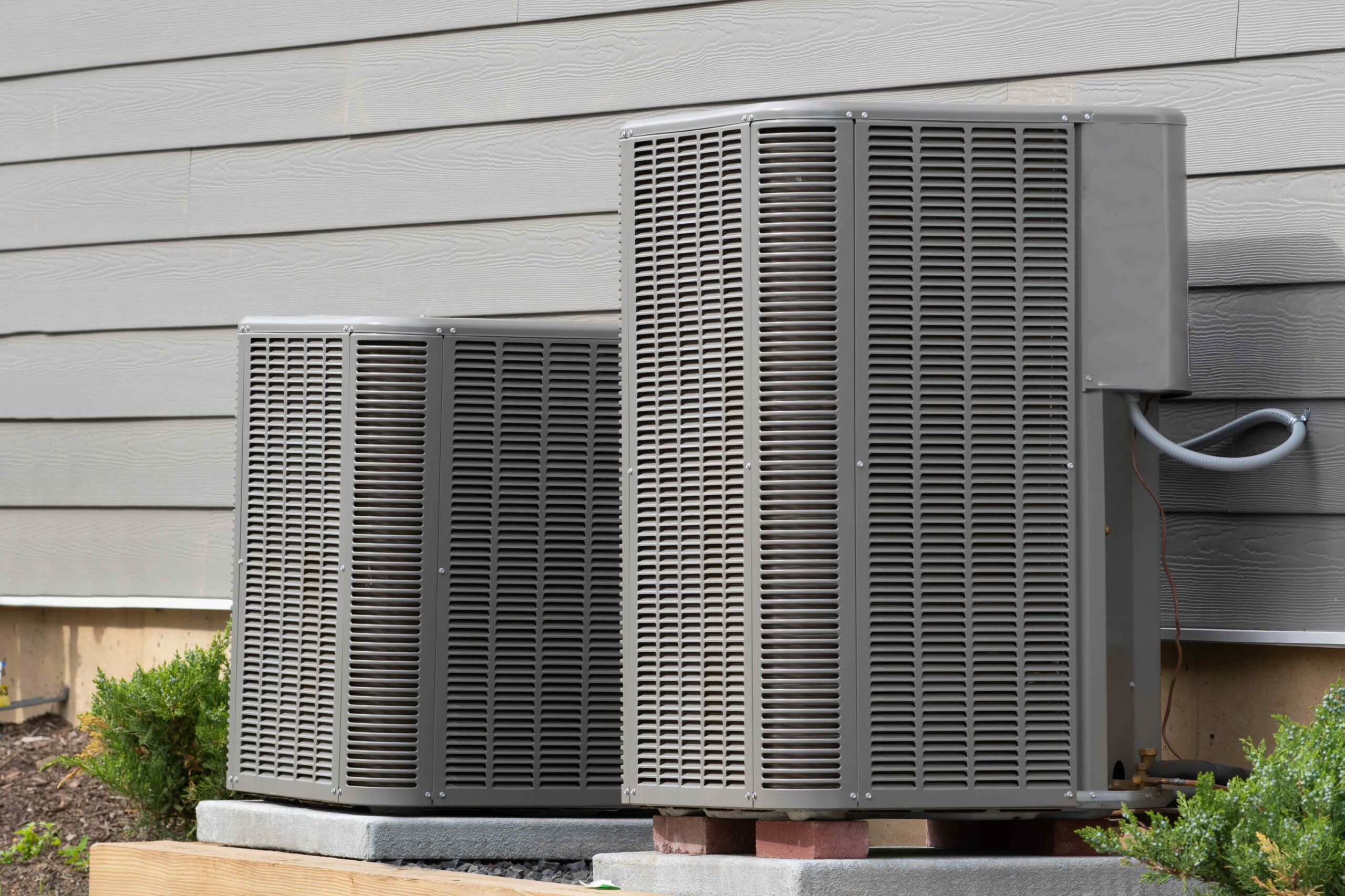
What Is an HVAC System and Why Does It Matter in Your Home?
Your HVAC system is essentially the lungs of your home. It handles heating, ventilation, and air conditioning all under one umbrella, and when it works well, you barely notice it. When it does not, you notice immediately. Whether it is a sweltering July afternoon or a January cold snap, this system is what stands between you and a very uncomfortable living situation. Understanding how it works, what it needs, and what can go wrong is one of the more practical things a homeowner can invest time in learning. It is not glamorous knowledge, but it is the kind that saves real money.
How an HVAC System Actually Works
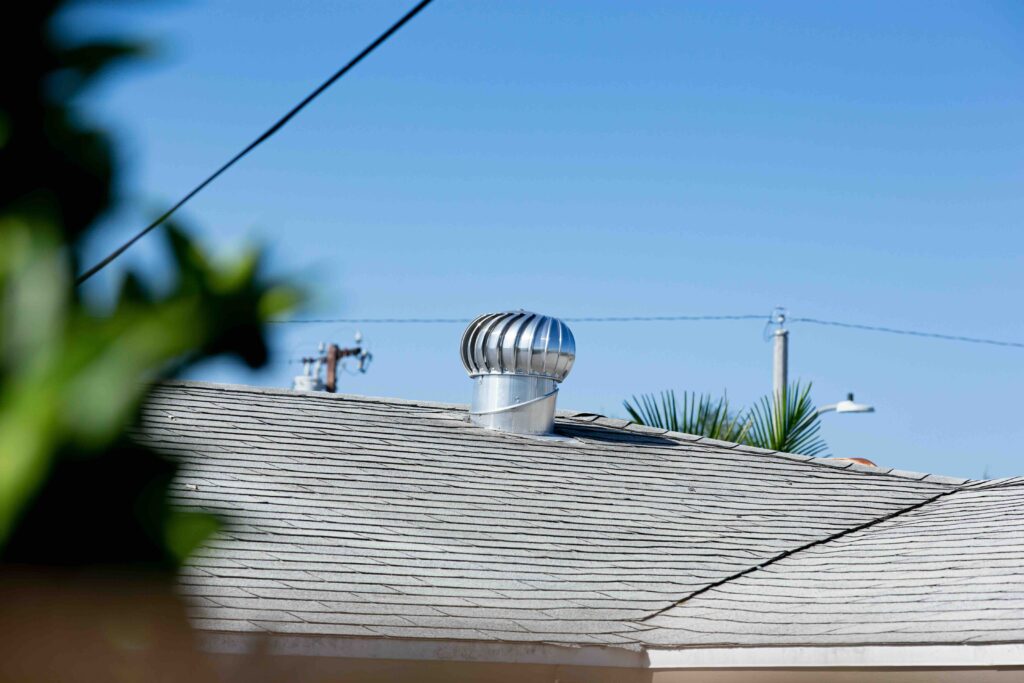
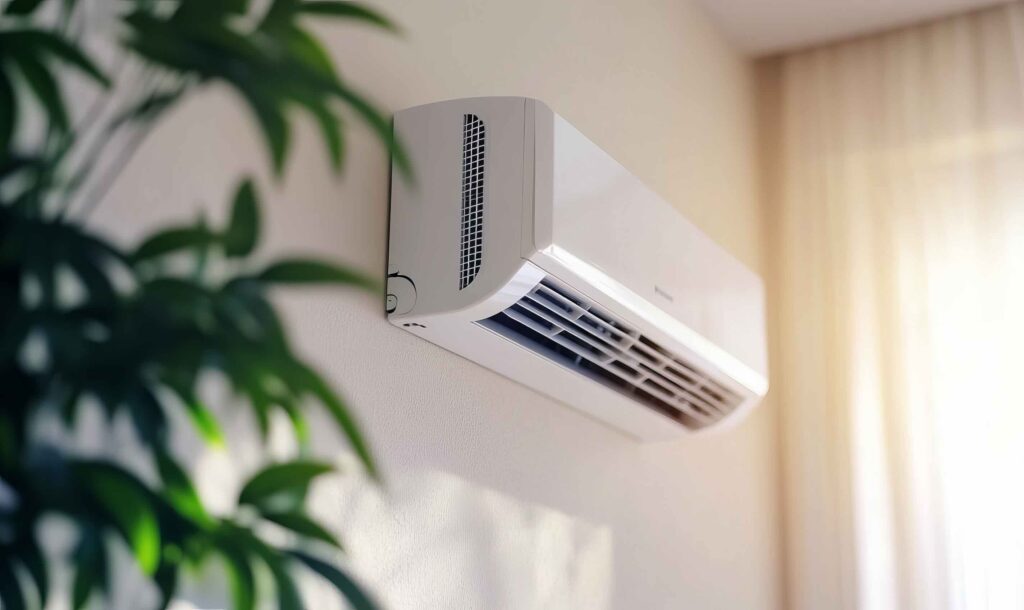
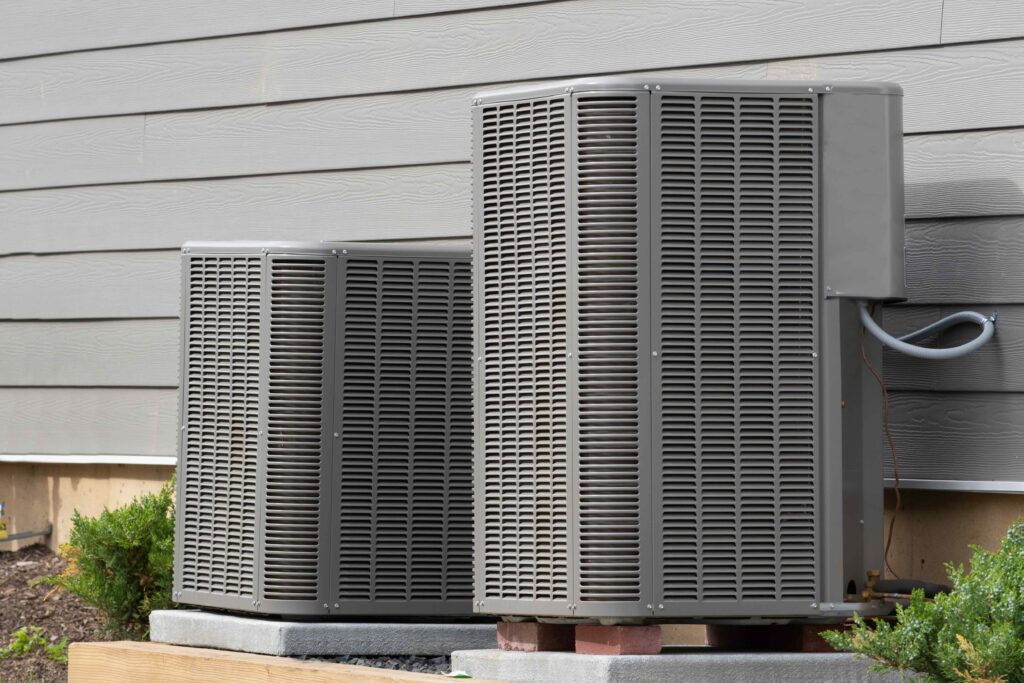
At its core, an HVAC system moves air and adjusts its temperature and quality. A furnace or heat pump generates warmth in the winter, while an air conditioning unit extracts heat from interior air to cool things down in the summer. The ventilation component handles air exchange, pulling stale indoor air out and allowing fresh air in while managing humidity levels in the process. All of these components are connected through a network of ductwork and controlled by a thermostat. It sounds simple, and the concept is, but the execution involves refrigerant lines, electrical components, air handlers, blower motors, filters, condensate drains, and more. Each of those pieces has a lifespan and a failure point worth knowing.
The Key Components an Inspection Covers
A proper HVAC inspection goes well beyond a technician glancing at your air filter and calling it a day. A thorough inspection evaluates each major part of the system to catch wear, inefficiency, and potential failures before they escalate. Knowing what gets checked helps you understand what questions to ask and what warning signs to watch for yourself.
- Thermostat calibration and functionality
- Air filter condition and airflow restriction
- Blower motor and belt condition
- Heat exchanger integrity for signs of cracks or corrosion
- Refrigerant levels and line condition
- Condenser and evaporator coil cleanliness
- Condensate drain line and pan condition
- Electrical connections and capacitor health
- Ductwork for leaks, obstructions, or disconnections
- Flue and venting for safe exhaust dispersal
The Real Advantages of Staying Ahead of HVAC Maintenance
There is a reason HVAC professionals recommend annual inspections, and it is not just to keep their schedules full. A well-maintained system runs more efficiently, which translates directly into lower utility bills. Beyond cost savings, regular maintenance extends equipment lifespan considerably. The average central air conditioner lasts between 15 and 20 years with proper care. Neglect that maintenance and you might be shopping for a replacement closer to year 10. There is also the safety factor. A cracked heat exchanger, for example, can allow carbon monoxide to enter living spaces without any visible warning. That is not a minor inconvenience. That is a life-safety issue. Routine inspections catch these things early, and that is where the value really compounds over time.

Common HVAC Problems Homeowners Run Into
Even with regular maintenance, HVAC systems develop issues over time. Some are minor and relatively inexpensive to fix. Others arrive without much warning and come with a repair bill that can genuinely sting. Refrigerant leaks, failed capacitors, dirty evaporator coils, and clogged condensate drains are among the more common culprits. Ductwork leaks are also frequently underestimated. Studies suggest that the average home loses 20 to 30 percent of conditioned air through leaky ducts, which means your system is working harder than it needs to for a result that falls short of what it should deliver. Ignoring these problems does not make them cheaper to fix. It typically does the opposite.
Warning Signs Your HVAC System Needs Attention
You do not need to be a technician to recognize when something is off with your system. There are reliable signals that indicate it is time to call a professional rather than hope the problem resolves on its own. Unusual noises like rattling, banging, or squealing often point to mechanical issues with the blower or motor. Inconsistent temperatures room to room may signal duct problems or a failing component. A sudden spike in energy bills without a change in usage habits is a common indicator of reduced efficiency. Moisture near the indoor unit, short cycling where the system turns on and off too frequently, and air that smells musty or burnt are all legitimate reasons to schedule a service visit sooner rather than later.
How Often Should You Schedule an HVAC Inspection?
The industry standard recommendation is twice per year. Ideally, you would schedule one inspection in the spring before cooling season begins and one in the fall before heating season ramps up. This timing ensures your system is in peak condition right before you need it most. Some homeowners opt for a single annual inspection and manage just fine, particularly in milder climates where the system is not under constant strain. But for homes in extreme climate regions or for systems that are more than ten years old, the twice-annual cadence is worth following. Think of it the same way you think about changing the oil in your car. Skipping it has consequences that show up eventually.
DIY Maintenance vs. Professional Service: Where the Line Is
There are maintenance tasks that any homeowner can and should handle regularly. Replacing air filters every one to three months depending on filter type and household conditions is the most impactful thing you can do on your own. Keeping the area around the outdoor condenser unit clear of debris, checking that vents are not blocked by furniture, and visually inspecting the condensate drain pan for standing water are all reasonable DIY-level tasks. Where the line gets drawn is around refrigerant handling, electrical diagnostics, heat exchanger inspection, and anything involving the gas supply. These are not tasks to approach without proper training and certification. The potential for harm, both to the system and to the person doing the work, is real.
Why a Home Warranty Makes Sense for HVAC Coverage
HVAC systems represent one of the most expensive repair and replacement categories a homeowner can face. A full system replacement can run anywhere from five thousand to fifteen thousand dollars depending on the size of the home, the type of system, and local labor rates. That is not a cost most households can absorb without some level of financial disruption. A home warranty that includes HVAC coverage can dramatically reduce that exposure. When a covered component fails due to normal wear and tear, the warranty steps in to cover repair or replacement costs beyond whatever service fee applies. For a system that gets used daily for most of the year, that protection is not a luxury. It is a sensible layer of financial planning. Armadillo home warranty plans designed to protect your HVAC system are built around exactly this kind of real-world risk, with clear coverage and no surprise exclusions buried in fine print. If your system is aging or you have recently moved into a home where the maintenance history is uncertain, now is a practical time to get an HVAC home warranty quote and explore your coverage options before an unexpected breakdown forces the conversation.

Frequently Asked Questions About HVAC Systems and Home Warranty Coverage
These are the questions homeowners ask most often when trying to understand their HVAC system and how home warranty protection fits into the picture.
How long does an HVAC system typically last?
Most central air conditioning units last between 15 and 20 years with proper maintenance. Furnaces and heat pumps have similar lifespans, though this varies by brand, usage frequency, and how consistently the system has been serviced.
What does an HVAC inspection cost?
A standard HVAC inspection typically costs between 75 and 150 dollars depending on your region and the scope of the inspection. Many HVAC companies offer seasonal tune-up packages that bundle inspection with basic maintenance tasks.
Does a home warranty cover HVAC repairs?
Most home warranty plans include HVAC coverage for mechanical failures caused by normal wear and tear. Coverage specifics vary by provider and plan tier, so reviewing what components are included before purchasing is important.
What is not typically covered by a home warranty for HVAC?
Home warranties generally exclude damage caused by improper installation, lack of maintenance, physical damage, or pre-existing conditions that existed before the policy started. Cosmetic components and outdoor structures are also commonly excluded.
How do I know if my HVAC system is energy efficient?
Look for the SEER rating on your air conditioner. A SEER rating of 14 or higher is considered efficient by current standards. Older units often fall in the 8 to 10 range and cost significantly more to operate.
Why is my HVAC system running but not cooling the house?
This could indicate low refrigerant, a dirty evaporator coil, a failing compressor, or significant ductwork leaks. Each of these requires a professional diagnosis to confirm and address correctly.
How often should I change my HVAC air filter?
For standard one-inch filters, every 30 to 90 days is the general recommendation. Homes with pets, allergies, or high dust levels should lean toward more frequent changes. Thicker media filters can last up to six months or longer.
Can I add HVAC coverage to an existing home warranty plan?
Many home warranty providers allow homeowners to add HVAC coverage as part of an upgrade or add-on to a base plan. Availability and pricing depend on the provider and the age and condition of the existing equipment.
What is the difference between an HVAC tune-up and a full inspection?
A tune-up typically focuses on cleaning and minor adjustments to improve performance. A full inspection is a diagnostic evaluation of all system components to identify wear, potential failures, and safety concerns. Both have value and are not mutually exclusive.
Is it worth repairing an old HVAC system or replacing it?
A common rule of thumb in the HVAC industry is the 5,000 rule: multiply the system’s age by the repair cost. If that number exceeds 5,000 dollars, replacement is usually the more cost-effective decision over time.