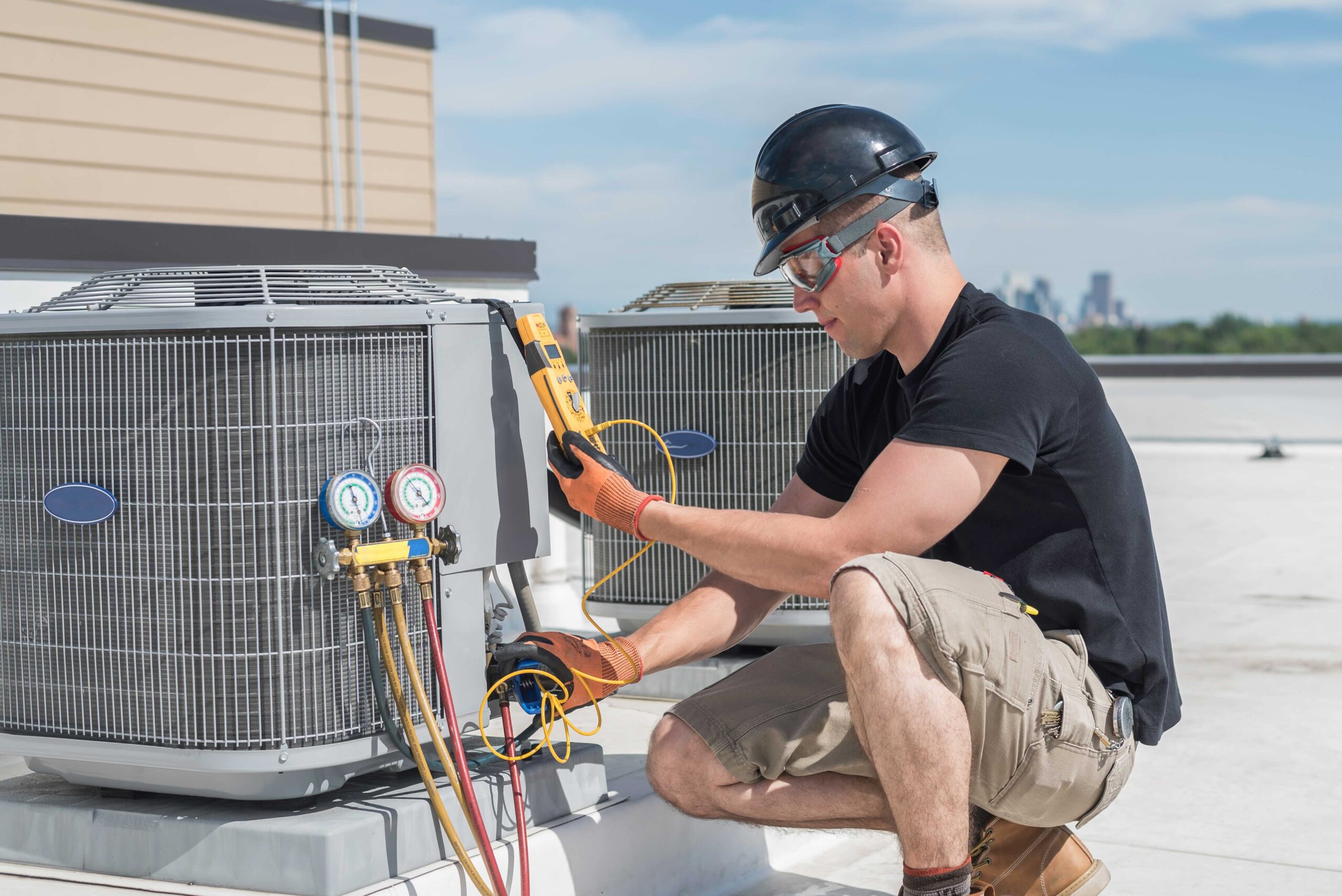
What Is HVAC Maintenance and Why Does It Matter for Your Home?
Your HVAC system is one of the hardest-working systems in your home. It runs through blistering summers, cold winters, and everything in between — often without a single thank-you. HVAC stands for Heating, Ventilation, and Air Conditioning, and it is the collection of equipment responsible for keeping your indoor environment comfortable and breathable year-round. That includes your furnace, air conditioner, ductwork, thermostat, and air handler, all functioning as one coordinated system. When things are going well, you barely notice it. When something breaks, you notice immediately. Regular HVAC maintenance is what keeps that system running efficiently and reliably, and understanding what it involves — and what it costs — can help you plan ahead and avoid expensive surprises.
How an HVAC System Actually Works
Most residential HVAC systems operate on a relatively straightforward principle: moving heat from one place to another. In summer, the air conditioner pulls heat out of your indoor air and expels it outside. In winter, the heating system generates or transfers heat and distributes it through your home. The ventilation component handles airflow and filtration, cycling air through the system to remove dust, allergens, and pollutants. All of this depends on components like refrigerant lines, heat exchangers, blower motors, compressors, and drain lines working together in sync. When any one of those components falls behind, the whole system works harder to compensate — and that is where inefficiency and eventual failure begin.
What HVAC Maintenance Actually Includes
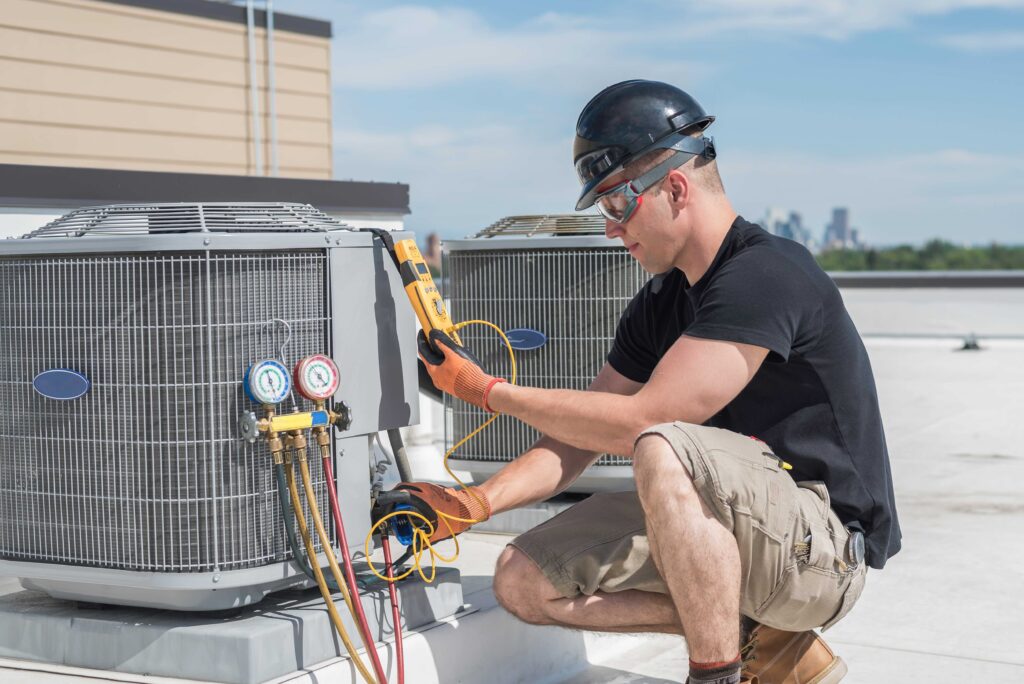
Routine HVAC maintenance is not just swapping out a filter and calling it done — though filter changes are genuinely important. A proper maintenance visit from a qualified technician typically covers a detailed inspection of the entire system. Here is what that usually looks like in practice:
- Replacing or inspecting air filters
- Cleaning evaporator and condenser coils
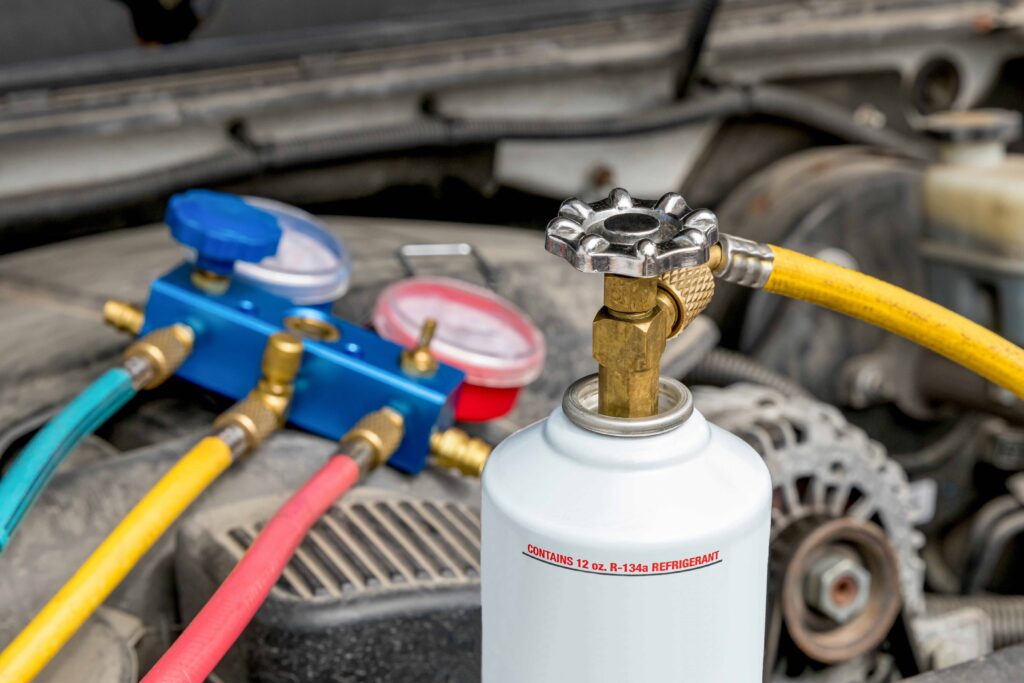
- Checking refrigerant levels and inspecting for leaks
- Lubricating moving parts like motors and fan blades
- Inspecting the heat exchanger for cracks or damage
- Testing thermostat calibration and functionality
- Clearing the condensate drain line
- Checking electrical connections and capacitors
- Measuring airflow through the duct system
Most HVAC professionals recommend scheduling maintenance at least twice per year — once in the spring before cooling season and once in the fall before heating season kicks in. Sticking to that rhythm goes a long way toward catching small issues before they turn into costly repairs.
The Real Cost of HVAC Maintenance
Here is where a lot of homeowners get a bit of a reality check. HVAC maintenance costs vary depending on your location, system type, and what the visit actually involves. On average, a standard HVAC tune-up runs between $75 and $200 per visit. If you are servicing both your heating and cooling units separately, you could be looking at $150 to $400 per year just for preventive maintenance. That does not account for any repairs discovered during the visit. Refrigerant recharges alone can run $100 to $350 or more. Replacing a capacitor might cost $150 to $300. A new blower motor can land anywhere from $300 to $600 with labor. And if your heat exchanger has cracked — which is a safety concern, not just a performance one — replacement costs can climb into the thousands. The math on skipping maintenance rarely works in the homeowner’s favor.
Key Advantages of Keeping Up With HVAC Maintenance
Consistent HVAC maintenance delivers benefits that extend well beyond just keeping the air comfortable. A well-maintained system runs more efficiently, which translates directly into lower monthly energy bills. The U.S. Department of Energy has noted that neglected HVAC systems can use significantly more energy than properly maintained ones. Beyond efficiency, regular service extends the lifespan of your equipment. The average central air conditioner lasts 15 to 20 years with proper care; that number drops considerably without it. Maintenance also supports indoor air quality — a clean system circulates cleaner air, which matters especially for households with allergy sufferers or young children. And from a safety standpoint, catching a cracked heat exchanger or faulty gas connection early is not just smart — it is critical.
Common Drawbacks and Challenges Homeowners Face
Honest conversation time: HVAC maintenance is not without its friction points. Scheduling can be inconvenient, especially during peak seasons when HVAC companies are at their busiest. Costs add up over time, and if your system is older, maintenance visits tend to uncover more issues that require additional spending. There is also the challenge of finding trustworthy technicians — the HVAC industry is not uniformly regulated, and service quality varies widely by company and region. Some homeowners find themselves unsure whether a recommended repair is genuinely necessary or upsold. That lack of clarity can make the whole experience frustrating, even when the technician means well.
Practical HVAC Maintenance Tips Every Homeowner Should Know
You do not need to be an HVAC technician to take good care of your system between professional visits. A few consistent habits can meaningfully reduce wear and improve performance over time. Change your air filter every one to three months depending on the filter type and your household conditions — homes with pets or allergy sufferers generally need more frequent changes. Keep the area around your outdoor condenser unit clear of debris, plants, and obstructions. Make sure your vents are open and unblocked by furniture. Pay attention to unusual sounds, smells, or inconsistent temperatures — those are the system’s way of communicating that something is off. And do not ignore your thermostat; a smart thermostat can optimize run cycles and reduce unnecessary strain on your equipment.
When Maintenance Costs Become Repair Costs: Knowing the Line
There is a tipping point with every HVAC system where the cost of ongoing repairs starts to outweigh the value of maintaining aging equipment. Industry professionals often use the “5,000 rule” as a rough guide: multiply the age of the unit by the estimated repair cost, and if the result exceeds $5,000, replacement is likely the more financially sound option. For example, a 12-year-old unit facing a $450 repair would produce a figure of $5,400 — right at the boundary. That said, the condition of the system, your local climate demands, and whether the unit has been consistently maintained all factor into that decision. Understanding where your system sits in its lifecycle is something a reputable technician can help you assess.
How a Home Warranty Can Protect You From Unexpected HVAC Costs
HVAC systems are among the most expensive home systems to repair or replace, and that is exactly why having a plan in place before something goes wrong is so valuable. Armadillo home warranty plans that cover HVAC systems and major home appliances offer homeowners a straightforward way to manage the financial unpredictability that comes with owning a home. When your air conditioner stops cooling in July or your furnace fails to fire up on a cold morning, the last thing you want is to scramble for a technician and absorb a large, unexpected bill. With coverage in place, you simply file a claim and let the process work. Armadillo keeps things transparent — no confusing fine print, no runaround. If you want to see what that peace of mind actually costs, you can get a free HVAC home warranty quote tailored to your home in minutes. Given what a single HVAC repair can run, coverage that offsets those costs often pays for itself faster than most homeowners expect.

Frequently Asked Questions About HVAC Maintenance Costs and Coverage
Real questions from homeowners who want straight answers about maintaining their HVAC systems and protecting their budgets.
How much does a typical HVAC maintenance visit cost?
Most standard HVAC tune-up visits cost between $75 and $200 per unit. If you are servicing both a heating system and an air conditioner as separate visits, expect to spend $150 to $400 annually before any repairs are factored in.
How often should HVAC maintenance be performed?
HVAC maintenance should be performed at least twice per year. Schedule a heating system check in the fall before temperatures drop and an air conditioning inspection in the spring before the cooling season begins.
Does a home warranty cover HVAC maintenance?
Most home warranties cover HVAC repairs and replacements due to mechanical failure, but they do not typically cover routine maintenance visits. Maintenance is considered a homeowner responsibility, while warranties step in when covered components break down unexpectedly.
What happens if I skip HVAC maintenance?
Skipping regular maintenance allows small issues to grow into larger, more expensive problems. It also reduces system efficiency, increases energy bills, shortens equipment lifespan, and may void manufacturer warranties on newer equipment.
How long does an HVAC system last with proper maintenance?
A properly maintained central air conditioner typically lasts 15 to 20 years. A gas furnace can last 20 to 30 years with consistent care. Neglected systems often fail significantly earlier than those averages.
What is the most expensive HVAC repair homeowners face?
Compressor replacement is one of the costliest HVAC repairs, often ranging from $1,200 to $2,500 or more. Heat exchanger replacement and full system replacement are also high-cost scenarios that can reach several thousand dollars.
Can I perform HVAC maintenance myself?
Homeowners can handle basic tasks like changing air filters, clearing debris around the outdoor unit, and keeping vents unobstructed. However, tasks involving refrigerant, electrical components, and internal inspections require a licensed technician.
Is an HVAC maintenance contract worth the cost?
For many homeowners, a maintenance contract with a local HVAC company offers convenience and often a discounted rate per visit. Whether it is worth it depends on your system’s age, your local service rates, and how proactive you want to be about preventive care.
What are signs that my HVAC system needs immediate attention?
Warning signs include unusual noises like banging or grinding, inconsistent temperatures throughout the home, a sudden spike in energy bills, water pooling near the unit, or the system cycling on and off more frequently than normal.
Does HVAC age affect home warranty coverage eligibility?
It depends on the home warranty provider. Some companies have age restrictions or exclude pre-existing conditions, while others cover systems regardless of age as long as the unit was functional at the time coverage began. Always review the terms carefully before purchasing a plan.