What Is HVAC Mold and Why Should Homeowners Take It Seriously
Mold inside your HVAC system is one of those problems that tends to stay hidden until it becomes something much harder to ignore. Your heating and cooling system moves air through your entire home, and if mold has taken hold somewhere inside those ducts, coils, or air handlers, every room in the house is potentially exposed. This is not a surface-level cosmetic issue. HVAC mold can affect indoor air quality, aggravate respiratory conditions, and quietly spread to areas that are genuinely difficult to reach without professional help. Understanding how it happens, what the cleaning process looks like, and where home warranty coverage fits into the picture can help you handle it with clarity instead of panic.
How Mold Gets Into Your HVAC System in the First Place
Mold needs three things to grow: moisture, organic material to feed on, and relatively warm temperatures. Your HVAC system provides all three in abundance. The evaporator coil, which handles condensation during the cooling process, creates moisture as a normal part of operation. Dust, debris, and organic particles that accumulate inside ductwork give mold exactly the kind of surface it prefers. Add in any humidity imbalance, a clogged condensate drain line, or a system that sits idle for extended periods, and you have a setup that practically invites mold growth. It can start near the air handler, move through the ductwork, and eventually reach supply and return vents throughout the home before most people even notice anything is off.
Signs That Mold May Be Present in Your HVAC System
The tricky part about HVAC mold is that you often smell it before you see it. A musty or stale odor that seems to follow the airflow, or that intensifies when the system kicks on, is one of the most reliable early indicators. Beyond that, there are several other warning signs worth watching for:
- Visible dark or discolored spots near air vents, registers, or on the air handler unit itself
- Unexplained allergy-like symptoms among household members that seem worse indoors
- Excess condensation or moisture accumulating around the system or nearby surfaces
- Black or greenish residue around vent covers that reappears after cleaning
- Increased respiratory irritation, headaches, or fatigue without a clear explanation
None of these signs are conclusive on their own, but multiple indicators together should prompt a professional inspection rather than a wait-and-see approach.
What HVAC Mold Cleaning Actually Involves
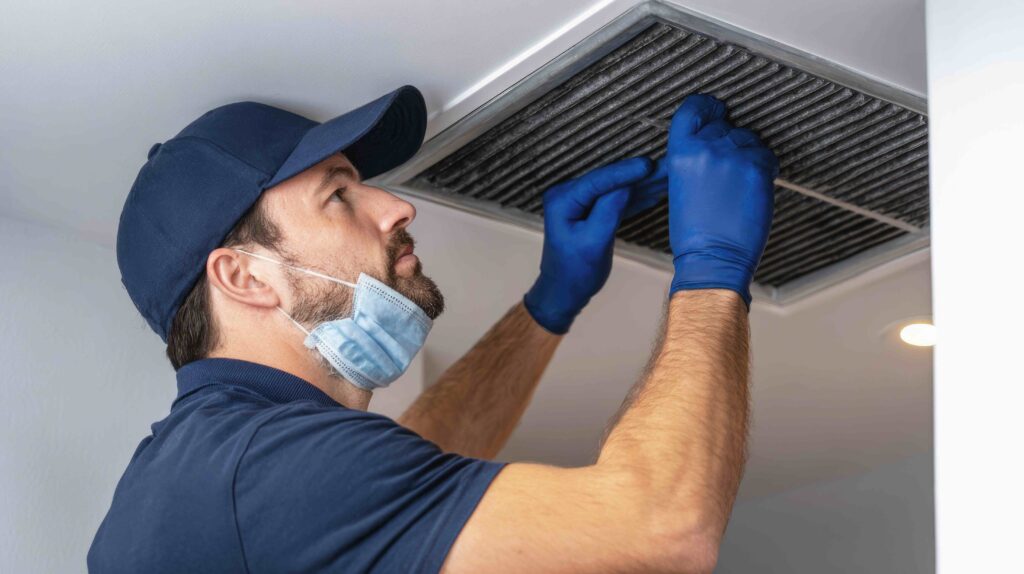
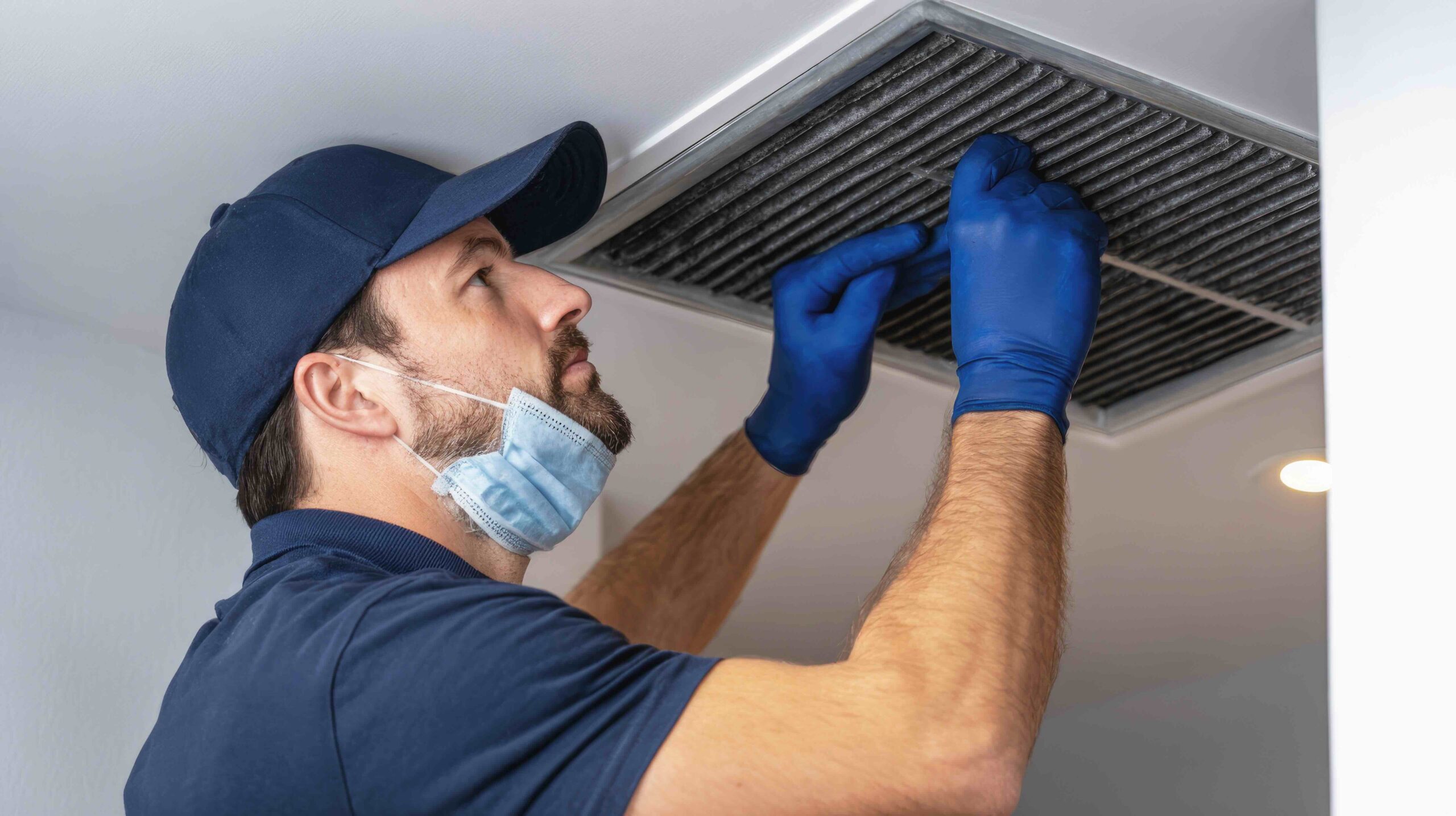
Professional HVAC mold remediation is a multi-step process, and it goes well beyond wiping down a vent or spraying a product into a duct. A qualified technician will typically begin with a thorough inspection using specialized cameras or visual tools to assess the extent of contamination. From there, the process usually includes sealing off the affected areas to prevent mold spores from spreading during cleaning, using EPA-approved biocides or antimicrobial solutions to treat contaminated surfaces, physically removing debris and buildup, and in some cases, replacing insulated ductwork that cannot be adequately cleaned. The evaporator coil and drain pan are also cleaned and treated, as these are common mold hotspots. After remediation, a post-cleaning inspection or air quality test helps confirm that the work was effective.
How Much Does HVAC Mold Cleaning Cost
Cost varies widely depending on how far the mold has spread, the size of the system, and local labor rates. A basic professional cleaning of accessible areas might run a few hundred dollars. Full duct cleaning with mold treatment across a larger home can reach anywhere from five hundred to two thousand dollars or more. If sections of ductwork need to be replaced due to severe contamination, costs climb further. This is part of why regular HVAC maintenance and humidity control matter so much as preventive tools, because catching mold early is considerably less expensive than addressing a system-wide infestation.

Key Benefits of Professional HVAC Mold Remediation
There is a meaningful difference between doing a surface clean yourself and having a trained professional address the root source of contamination. Professionally remediated HVAC systems operate more efficiently because airflow is no longer partially blocked by buildup. Indoor air quality improves noticeably, particularly for households with young children, older adults, or anyone managing asthma or allergy conditions. A clean system also runs under less strain, which can extend the lifespan of components and reduce the likelihood of breakdowns tied to restricted airflow or coil degradation. The peace of mind that comes from knowing the problem has been properly handled, rather than temporarily masked, is genuinely worth factoring into the decision.
Drawbacks and Limitations Homeowners Should Know About
Professional HVAC mold cleaning is not a permanent guarantee. If the underlying conditions that allowed mold to develop are not corrected, such as poor drainage, high indoor humidity, or irregular maintenance, mold will return. The remediation process can also be disruptive, sometimes requiring the system to be offline for several hours. Costs can be difficult to predict without an inspection, which means the initial estimate does not always reflect the final bill. And while cleaning removes existing mold, it does not improve system design flaws that create moisture problems in the first place. That kind of fix may require additional HVAC work or home improvements beyond the scope of a standard mold cleaning service.
Preventive Measures That Actually Make a Difference
Keeping mold out of your HVAC system long-term is largely about consistency. A few practices worth building into your routine include:
- Replacing air filters every one to three months, depending on usage and household conditions
- Scheduling annual or semi-annual HVAC maintenance that includes coil cleaning and drain line checks
- Using a dehumidifier in naturally humid spaces like basements where ductwork runs through
- Keeping indoor humidity levels between 30 and 50 percent year-round
- Ensuring that condensate drain lines are clear and draining properly at all times
None of these steps are complicated, and together they significantly reduce the environment mold needs to establish itself.
Does a Home Warranty Cover HVAC Mold Cleaning
This is the question most homeowners find themselves asking at some point, and the honest answer is nuanced. Standard home warranty plans typically cover mechanical failures of HVAC components, such as a failed blower motor, a broken compressor, or a malfunctioning thermostat. Mold remediation itself is generally treated as a maintenance or environmental issue rather than a mechanical breakdown, which puts it outside the scope of most basic coverage. However, when mold causes or results from a covered component failure, such as a condensate drain line clog that leads to water damage or a coil issue that creates excess moisture, there may be partial coverage depending on the specific plan and provider. Reading the fine print and asking direct questions before purchasing a plan can save a great deal of frustration later.
Why Armadillo Is Worth Considering When HVAC Problems Surface
When your HVAC system runs into trouble, whether it is mold-related or a straightforward mechanical failure, having reliable coverage behind you changes the entire experience. Armadillo home warranty plans for HVAC systems and major appliances are built with homeowners in mind, offering clear terms, responsive service, and coverage that does not leave you guessing when something goes wrong. The HVAC system is one of the most expensive and most relied-upon systems in any home, and the cost of repairs can move fast once a problem is identified. Rather than absorbing those costs out of pocket, having a plan in place means you have a first line of defense already built into your household budget. If you have been putting off exploring your options, this is a reasonable time to take a closer look and get a free home warranty quote for HVAC coverage to see what fits your home and your situation.

Frequently Asked Questions About HVAC Mold Cleaning
Answers to the most common questions homeowners have about mold in HVAC systems, cleaning services, and related coverage considerations.
Can mold in HVAC ducts make you sick?
Yes. Mold spores circulated through an HVAC system can cause or worsen respiratory symptoms, allergic reactions, headaches, and fatigue, particularly in individuals with sensitivities or pre-existing conditions.
How do I know if my HVAC system has mold and not just dust?
Mold typically presents with a persistent musty odor that intensifies when the system runs, visible dark spotting near vents or on the unit itself, and symptoms among household members that improve when they leave the home.
How often should HVAC ducts be cleaned to prevent mold?
Most experts recommend professional duct cleaning every three to five years, though homes in humid climates or with allergy sufferers may benefit from more frequent service combined with annual preventive maintenance.
Is HVAC mold cleaning something I can do myself?
Surface-level cleaning of accessible vents and registers is manageable for homeowners, but mold inside ducts, on coils, or in the air handler requires professional equipment and EPA-approved treatments to be addressed effectively and safely.
What causes mold to grow specifically on HVAC evaporator coils?
Evaporator coils produce condensation as part of normal cooling operation, and if dust or debris accumulates on the coil surface alongside that moisture, mold has ideal conditions to develop quickly.
Will mold come back after professional HVAC cleaning?
It can, if the moisture or humidity conditions that caused it in the first place are not corrected. Remediation removes existing mold, but ongoing prevention requires maintenance, humidity control, and regular filter changes.
Does homeowners insurance cover HVAC mold removal?
Standard homeowners insurance rarely covers mold remediation unless it is directly caused by a covered sudden peril like a burst pipe. Gradual mold growth resulting from humidity or lack of maintenance is typically excluded.
How long does a professional HVAC mold cleaning take?
Most professional HVAC mold cleaning services for a standard residential system take between two and six hours, depending on the size of the system and the extent of contamination found during the inspection.
What type of professional should I hire for HVAC mold cleaning?
Look for a certified HVAC technician who also holds credentials in mold remediation, or hire a licensed mold remediation company with documented experience working on heating and cooling systems specifically.
Can a home warranty plan help with costs related to HVAC mold damage?
Home warranty plans generally cover mechanical component failures rather than mold remediation, but if mold results from a covered mechanical issue such as a failed drain line, some costs may qualify depending on the plan terms and provider policies.