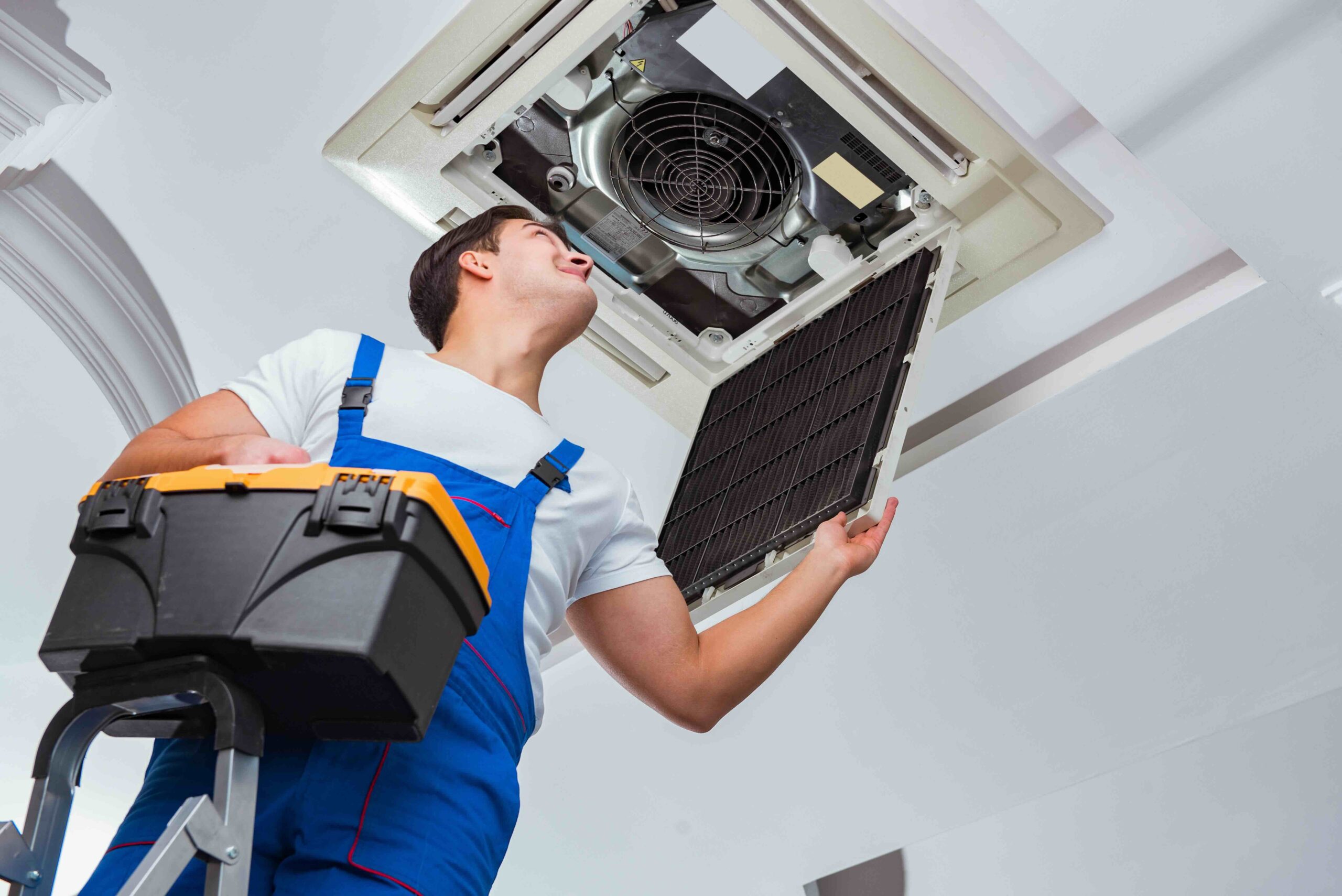
What Does It Actually Cost to Replace Your Heating and Air Conditioning System?
There are a few things in homeownership that can genuinely knock the wind out of you, and discovering that your HVAC system needs full replacement is right at the top of that list. One day everything is fine, and the next your technician is looking at you with that particular expression — the one that means the news is not going to be good. Heating and air conditioning systems are among the most expensive components in any home, and understanding what replacement actually costs, and why, can make a significant difference in how prepared you are when that moment arrives.
What Is an HVAC System and How Does It Work?
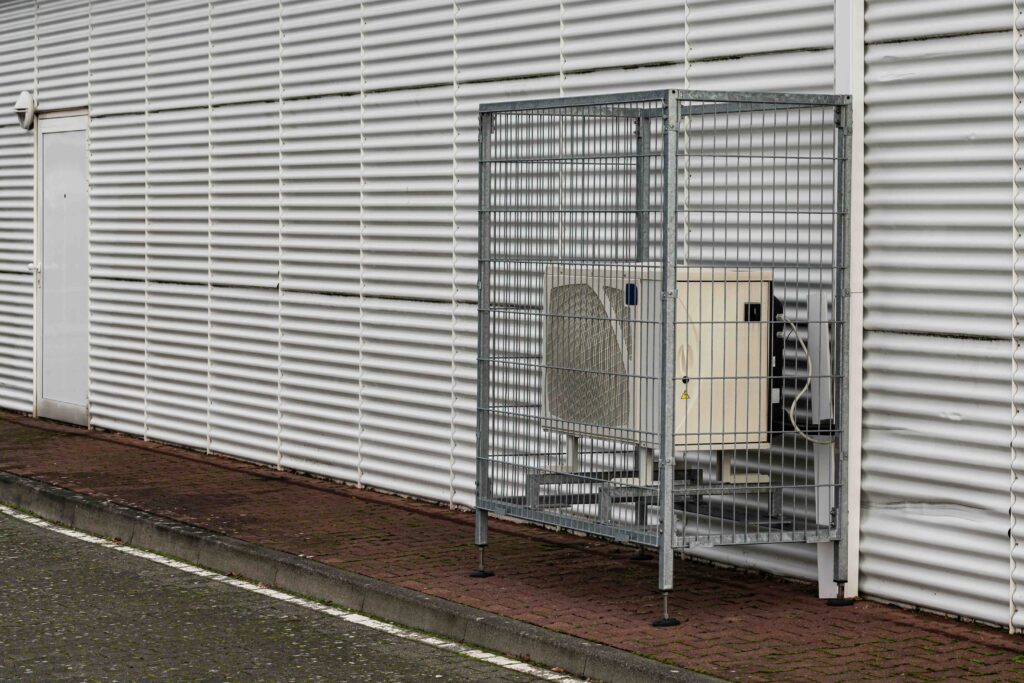
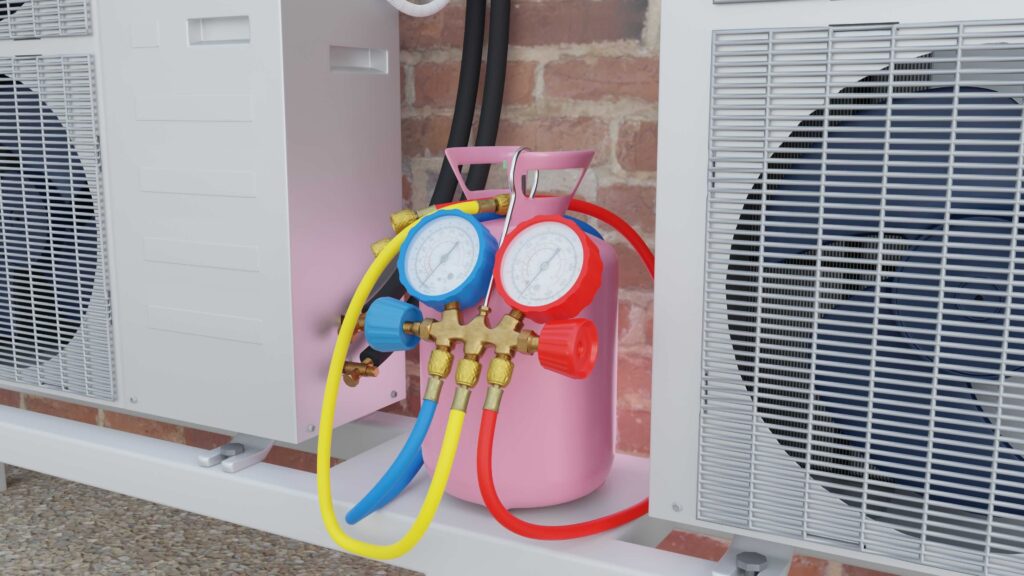
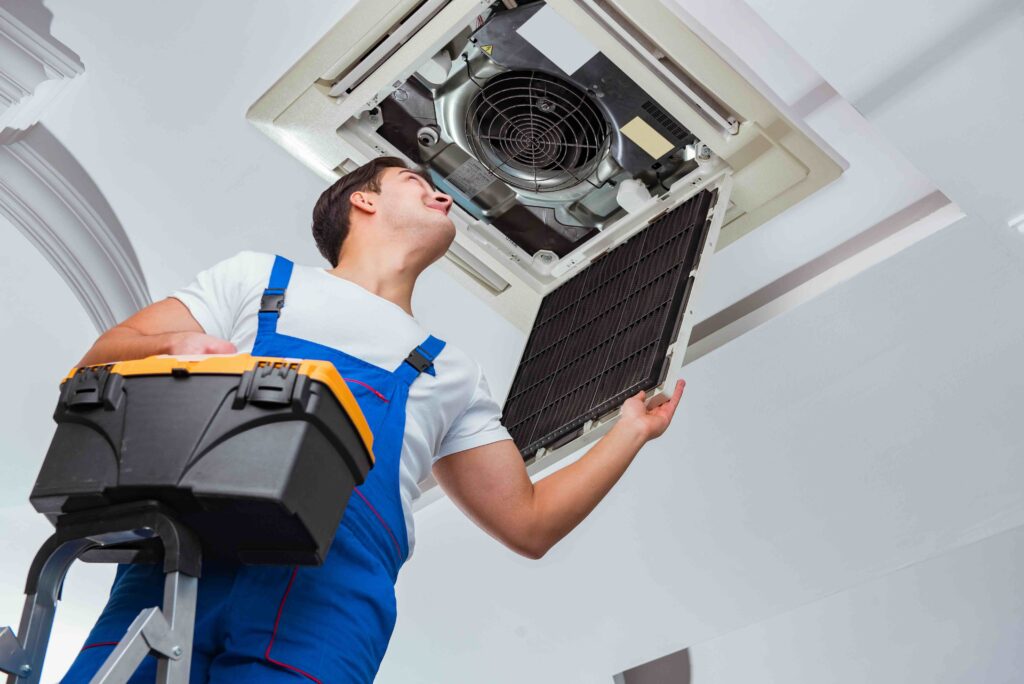
HVAC stands for heating, ventilation, and air conditioning. It is the interconnected system responsible for maintaining comfortable temperatures in your home year-round. A typical residential HVAC setup includes a furnace or heat pump for warmth, a central air conditioning unit for cooling, and a network of ductwork that distributes conditioned air throughout the home. More modern systems may also include smart thermostats, variable-speed air handlers, and air quality components like humidifiers or UV filters. The system works by cycling air through a heat exchanger or refrigerant coil, either warming or cooling it before pushing it through the ducts and into your living spaces. The whole process runs on electricity, and in most homes, also relies on natural gas or propane for heating. It sounds straightforward, but the mechanical and electrical complexity involved is exactly why repairs and replacements carry such significant price tags.
Average Cost to Replace a Heating and Air Conditioning System
Replacement costs vary widely depending on the type of system, the size of your home, your geographic location, and the brand you choose. That said, industry data provides a fairly reliable range to work from. A central air conditioning unit alone typically runs between $3,800 and $7,500 installed. A gas furnace replacement generally falls between $2,500 and $6,000. If you are replacing both together — which many HVAC professionals recommend since the components are designed to work in tandem — total costs can range from $6,000 to $12,000 or more. Heat pump systems, which handle both heating and cooling, tend to cost between $4,500 and $10,000 installed. High-efficiency models, larger homes, and complex installations will push costs toward the higher end of those ranges or beyond them.
Key Factors That Influence the Final Price
Understanding what drives replacement costs helps you have a more informed conversation with contractors and avoid being caught off guard by estimates. Several variables consistently affect the final number:
- System size, measured in tons for cooling capacity, directly affects equipment cost — most homes require between 1.5 and 5 tons of cooling capacity
- SEER rating, which measures energy efficiency, impacts both the upfront cost and long-term operating expenses
- Ductwork condition — if your ducts need repair or replacement alongside the system, that adds $1,000 to $5,000 or more
- Labor costs vary significantly by region, with metro areas typically running higher than rural markets
- Brand and warranty tier — premium brands with extended manufacturer warranties carry higher price points
- Permit requirements in your municipality, which can add both time and cost to the project

The Advantages of Upgrading to a New HVAC System
There is real value in replacing an aging or inefficient system, even when the upfront cost feels significant. Modern HVAC systems are considerably more energy-efficient than units installed ten or fifteen years ago. A new system with a high SEER rating can reduce energy consumption by 20 to 40 percent compared to an older unit, which translates into meaningful savings on monthly utility bills. Beyond efficiency, new systems offer improved air quality management, quieter operation, and better compatibility with smart home technology. There is also the reliability factor — a new system comes with manufacturer warranties and substantially lower odds of a mid-season breakdown. For many homeowners, the comfort and predictability of a new system alone justifies the investment.
Common Drawbacks to Keep in Mind
The most obvious drawback is cost. Even at the lower end of the replacement spectrum, you are looking at several thousand dollars, and for many households, that kind of expense requires significant financial planning or financing arrangements. Installation timelines can also be disruptive, particularly during peak demand seasons in summer or winter when HVAC contractors are stretched thin and wait times can extend to days or even weeks. Additionally, the efficiency gains from a new system take time to materialize through utility savings, so the return on investment is not immediate. And while new systems are more reliable, they are not immune to issues — components can still fail, and maintenance remains essential regardless of how recently the system was installed.
How Long Should an HVAC System Last?
This question comes up constantly, and the honest answer depends heavily on how well the system is maintained. A gas furnace that receives annual servicing can last 20 to 30 years. Central air conditioning units typically have a lifespan of 15 to 20 years under normal operating conditions. Heat pumps, because they operate year-round rather than seasonally, tend to have shorter lifespans in the 10 to 15 year range. Skipping annual maintenance, ignoring early warning signs, or running a system beyond its expected life all increase the likelihood of an unexpected and costly failure. Routine filter changes, coil cleaning, and professional inspections go a long way toward maximizing the life of your investment.
Practical Tips for Managing HVAC Replacement Costs
There are several approaches homeowners can take to make HVAC replacement more financially manageable. Getting multiple quotes from licensed contractors is essential — pricing can vary by hundreds or even thousands of dollars for the same installation. Timing matters as well; scheduling replacement during off-peak seasons like spring or fall often results in better pricing and faster service. Federal tax credits for high-efficiency systems are worth investigating, as they can offset a meaningful portion of the upfront cost. Many utility companies also offer rebates for energy-efficient HVAC upgrades. Finally, establishing a dedicated home repair fund — even a modest one funded monthly — can prevent a system failure from becoming a financial emergency.
Signs Your HVAC System May Need Replacement Soon
Knowing the warning signs of a failing system gives you time to plan rather than react. Watch for these indicators:
- The system is more than 15 years old and experiencing recurring breakdowns
- Repair costs are approaching or exceeding 50 percent of the cost of a new unit
- Energy bills have increased noticeably without changes in usage habits
- Rooms are heating or cooling unevenly despite normal thermostat settings
- Unusual sounds, such as banging, rattling, or persistent humming, are coming from the unit
- The system cycles on and off more frequently than it used to
Why Armadillo Is Worth Considering for HVAC and Home System Protection
When an HVAC system fails — and eventually, most of them do — the financial impact can be immediate and severe. That is exactly the kind of situation a home warranty is designed to address. Armadillo offers straightforward, transparent home warranty coverage built specifically for moments like these, where a system failure becomes an unexpected four-figure or five-figure expense overnight. If you have been researching your options, home warranty coverage that protects heating and cooling systems from Armadillo is worth a serious look. The plans are clear, the coverage is meaningful, and there are no convoluted exclusions designed to leave you paying out of pocket anyway. For homeowners who want to stop treating HVAC failure as a financial wildcard, the smart move is to get a free HVAC home warranty quote tailored to your home and see what coverage actually costs. Spoiler: it is a lot less than a full system replacement.

Frequently Asked Questions About HVAC Replacement Costs
These are the questions homeowners ask most often when navigating HVAC replacement decisions.
How much does it cost to replace a central air conditioning unit?
The average cost to replace a central air conditioning unit, including installation, falls between $3,800 and $7,500 for most residential properties. Larger homes, higher-efficiency models, and complex installations can push costs above that range.
Is it better to repair or replace an HVAC system?
A common guideline is the 50 percent rule: if the cost of repair exceeds 50 percent of the cost of a new system, replacement is generally the more economical long-term choice. Age and energy efficiency are also important factors in that decision.
How long does a home HVAC system last?
Gas furnaces typically last 20 to 30 years with proper maintenance. Central air conditioning units average 15 to 20 years. Heat pumps generally have a lifespan of 10 to 15 years due to year-round operation.
Does a home warranty cover HVAC replacement?
Many home warranty plans cover HVAC system failures caused by normal wear and tear, which can include full replacement when repair is not feasible. Coverage terms vary by provider, so reviewing what is included and excluded before purchasing is essential.
What is the most energy-efficient type of home heating and cooling system?
Heat pumps, particularly modern variable-speed models, are currently considered among the most energy-efficient options available for residential use. They move heat rather than generate it, which requires significantly less energy than traditional heating methods.
Can I replace just the air conditioning unit without replacing the furnace?
Technically yes, but HVAC professionals often recommend replacing both at the same time. Mismatched components can reduce efficiency and performance, and pairing a new condenser with an older air handler may void manufacturer warranties on the new equipment.
What time of year is best to replace an HVAC system?
Spring and fall are generally the best times to schedule HVAC replacement. Demand for HVAC contractors drops significantly during these shoulder seasons, which can result in better pricing, faster scheduling, and more installer availability.
Are there tax credits available for new HVAC systems?
Yes. Under current federal energy efficiency programs, homeowners may qualify for tax credits when installing qualifying high-efficiency heat pumps, central air conditioners, or furnaces. Credit amounts and eligibility requirements can change annually, so consulting a tax professional or the IRS website is advised.
How can I extend the life of my current HVAC system?
Annual professional maintenance, regular filter replacement every one to three months, keeping the outdoor unit clear of debris, and addressing minor issues promptly before they escalate are the most effective strategies for maximizing HVAC system lifespan.
What size HVAC system does my home need?
HVAC sizing is determined through a load calculation that accounts for square footage, ceiling height, insulation quality, window placement, and climate zone. Oversized and undersized systems both create performance and efficiency problems, so professional assessment is strongly recommended before purchasing any replacement equipment.