The Real Cost to Replace an HVAC System — And How to Plan for It
For homeowners, your HVAC system often works behind the scenes until one day—suddenly—it doesn’t. Whether it quietly stops cooling in the middle of summer, or it sputters out mid-winter, HVAC system failure can be both unexpected and expensive. Understanding the cost to replace an HVAC system, as well as how this essential home system functions, is key to making informed and cost-effective decisions. This article offers a straightforward breakdown of how HVAC systems work, when replacement becomes necessary, what you can expect in terms of costs, and how a home warranty can reduce surprise financial stress down the road.
Understanding What an HVAC System Is and How It Works
The acronym HVAC stands for heating, ventilation, and air conditioning. This integrated system is responsible for maintaining indoor climate comfort and air quality. Most commonly, the system includes a furnace, an air conditioner, ductwork, and a thermostat. The furnace handles heating, pumping warm air through ducts during colder months. The air conditioner does the reverse in summer, removing heat from inside the home and transferring it outside. Ventilation runs year-round, circulating and filtering air to ensure it is fresh and clean.
In many homes, especially those in newer or renovated builds, HVAC systems are centralized. A single thermostat sends instructions to the entire system, allowing homeowners to control the interior environment with relatively simple settings. But despite the system’s seamless interface, what operates below the surface is highly technical—and vulnerable to age and wear.
What Triggers the Need for a Full System Replacement?
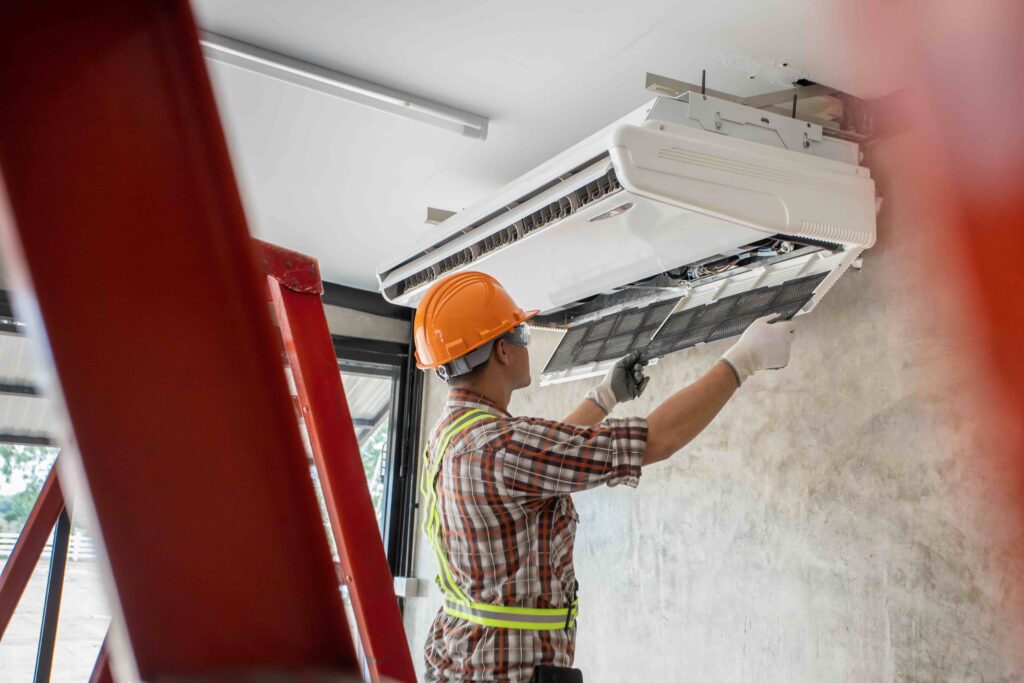
An HVAC system doesn’t usually fail overnight. Instead, the deterioration is gradual. Typical signs that you may be approaching the need for replacement include frequent or costly repairs, uneven heating or cooling, increased energy bills, odd noises, and inconsistent thermostat responsiveness. If your system is over 10 to 15 years old, these symptoms are especially telling. Energy efficiency standards evolve quickly, and older systems are likely to lag behind in performance and cost savings. Additionally, if critical components like the compressor or heat exchanger are damaged, the cost of repair may approach or exceed the cost of replacement.
What’s the Actual Cost to Replace an HVAC System?
The average national cost to replace a standard HVAC system ranges from $7,500 to $15,000, but this can vary based on home size, selected equipment, labor rates, and existing infrastructure. A small single-story home with accessible ductwork might fall toward the low end. A larger property, or one requiring ductwork updates, might reach or exceed the upper range. Separately, if you’re only replacing the AC unit or the furnace—and not both—the cost might come in at half that range, although combining units often delivers long-term efficiency benefits.
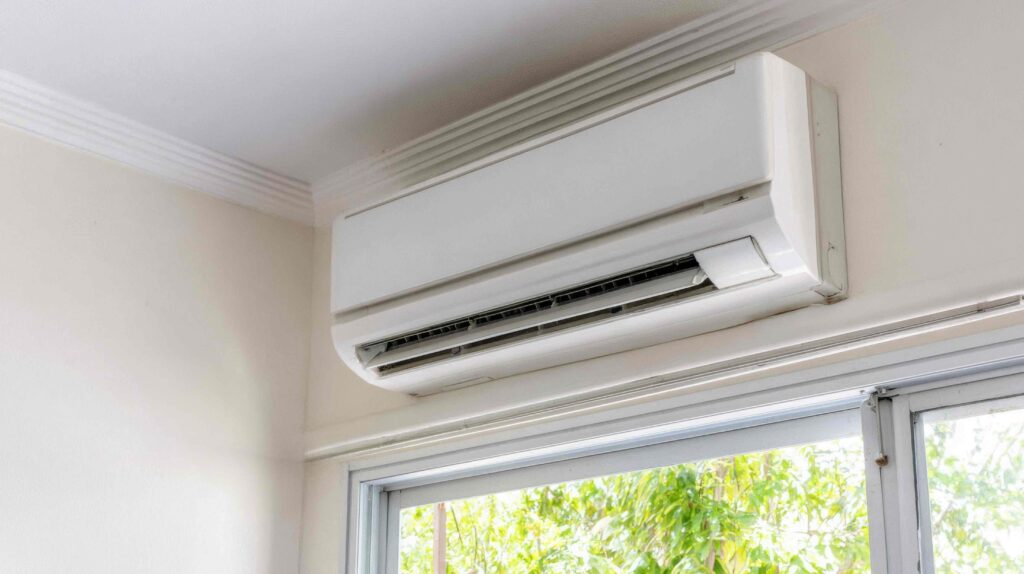
Additional expenses can include smart thermostats, zoning systems, permits, or higher-efficiency models. Some homeowners opt for heat pumps, which provide both heating and cooling and can help manage long-term utility expenses. Whether you install a traditional split system or choose something more modern like a ductless mini-split, pricing is as much about choosing the right fit for your home as it is about brand or model.
Key Advantages of Replacing an HVAC System
There are distinct benefits to a full HVAC system replacement. First, you’ll immediately see improved energy efficiency. Newer systems are built to stricter standards and often carry higher SEER (Seasonal Energy Efficiency Ratio) ratings, which translate into lower utility costs. Many models also run quieter. Modern systems can offer better temperature control across zones, especially when paired with upgraded thermostats. On a resale front, a brand new HVAC system is an attractive element that reassures future homebuyers. Most significantly, a new system offers peace of mind. You reduce the likelihood of mid-season breakdowns and may benefit from a new manufacturer warranty, giving you years of coverage you didn’t have before.
Drawbacks and What to Consider Before Replacing
Of course, there are drawbacks. The most immediate is cost. Even the most budget-conscious systems require upfront investment. There can also be unforeseen issues—once installation begins, legacy ductwork might not support a modern system without additional upgrades. Installations can be noisy and will temporarily disrupt your home routines. Choices around sizing, brands, technicians, and warranties can feel overwhelming. Furthermore, not all HVAC contractors are created equal. A rushed or poorly installed unit can lead to years of inefficiency or malfunction. Carefully vetting licensed and insured installers is imperative.
How a Home Warranty Can Safeguard Future HVAC Costs
If an HVAC system replacement isn’t immediately necessary, a home warranty can serve as a financial safeguard if and when it becomes so. A comprehensive home warranty typically covers key components of both heating and cooling systems, meaning that mechanical failures due to normal wear and tear—like blower motors, thermostats, or compressors—may be covered. With a home warranty in place, you pay a set monthly or annual premium and a service fee per claim rather than the full cost of parts or labor. In many cases, if the system is deemed beyond repair, coverage may contribute toward a replacement.
Note that most warranties don’t cover units that have been improperly maintained or installed, so routine filter changes and licensed servicing matter. It’s crucial to understand the scope of coverage and any caps or exclusions. Some providers even offer optional add-ons for ductwork or advanced air purification components.
Making the Most of Your Investment as a Homeowner
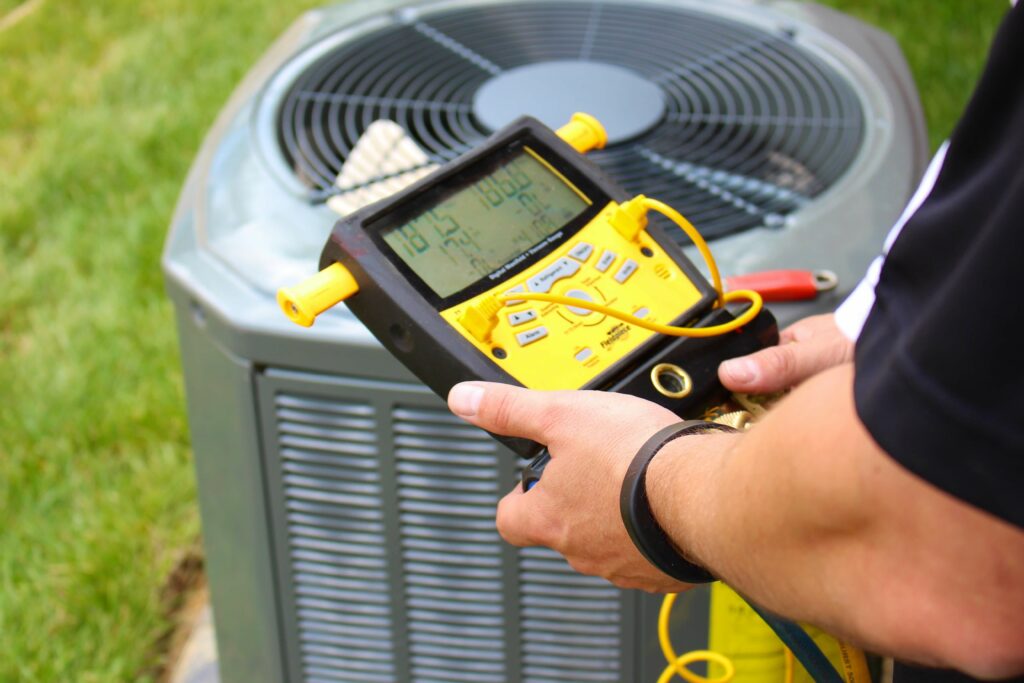
Plan ahead. The best time to replace an HVAC system is before it fails completely. Sticking to a proactive maintenance schedule, tracking energy bills, and booking seasonal inspections all help you gather useful data. If you sense decline in performance or rising energy consumption, start shopping before peak heating or cooling season. Not only will you have more time to compare options, but many HVAC providers offer off-season discounts on equipment and installation. If your current system is within a decade old and you have a home warranty that covers it, you might decide to extend its usable life without absorbing major repair costs.
Finally, be practical about financing. Some HVAC contractors offer payment plans or promotions, while others partner with lenders to help homeowners manage large costs. Home warranties, particularly from reliable partners, can complement these choices with predictable protection year-round.
How Armadillo Helps Protect Your HVAC and Your Wallet
Replacing your HVAC system is one of the most significant homeownership expenses you’ll face. With Armadillo, you don’t have to navigate it alone. Our home warranty plans are designed to cover the essential systems that keep your home running smoothly—including heating and air conditioning systems. When your HVAC starts showing signs of aging or wears down prematurely, we help relieve the financial burden by covering repairs and, when needed, contributing toward replacement. You stay cooler in summer, warmer in winter, and better protected year-round. Get started at armadillo.one, or jump directly into customizing your plan at our plan builder.