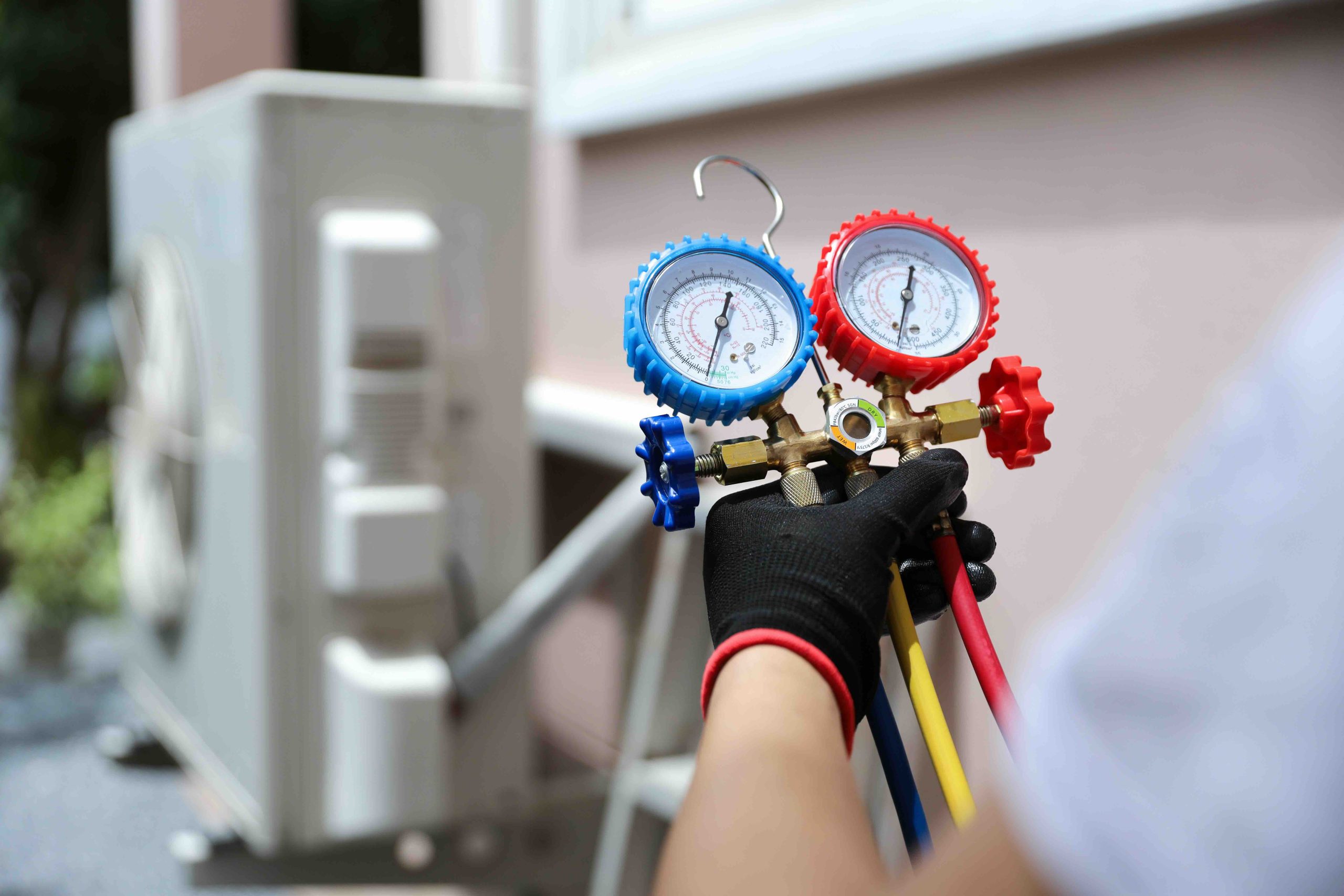
What Is an HVAC System and Why Does It Matter for Your Home?
Your HVAC system is one of the hardest-working systems in your home, and honestly, most homeowners do not give it much thought until something goes wrong. HVAC stands for Heating, Ventilation, and Air Conditioning. It is the interconnected network of equipment responsible for keeping your home comfortable year-round, managing air quality, regulating humidity, and maintaining temperatures whether it is the middle of July or the coldest week of January. Understanding this system is not just useful for trivia, it is genuinely important for protecting your home investment and avoiding costly surprises.
How Does an HVAC System Actually Work?
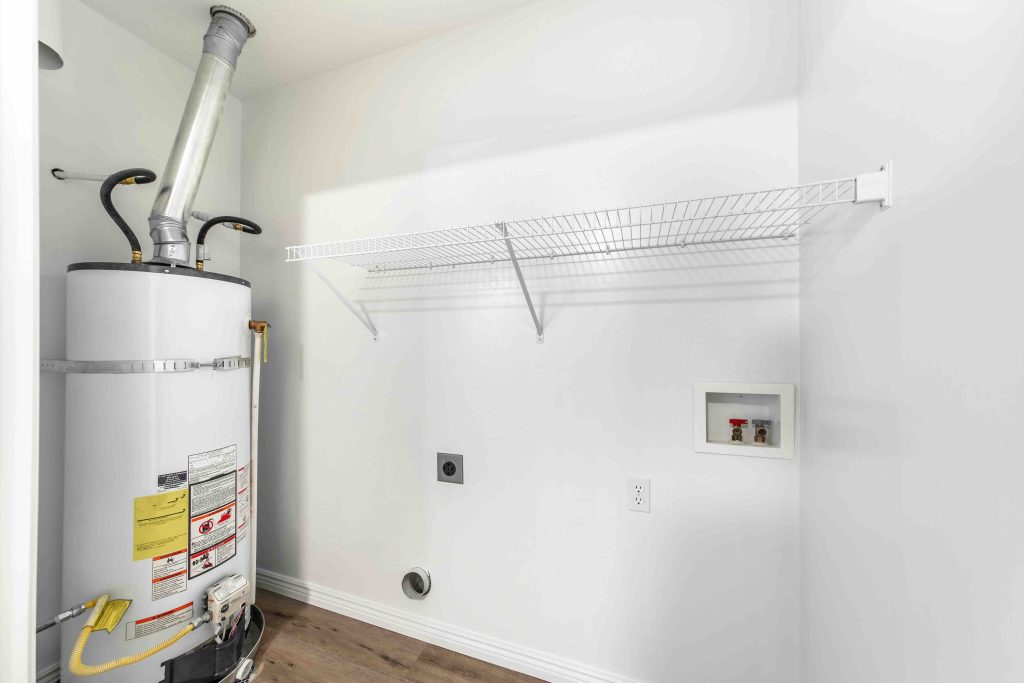
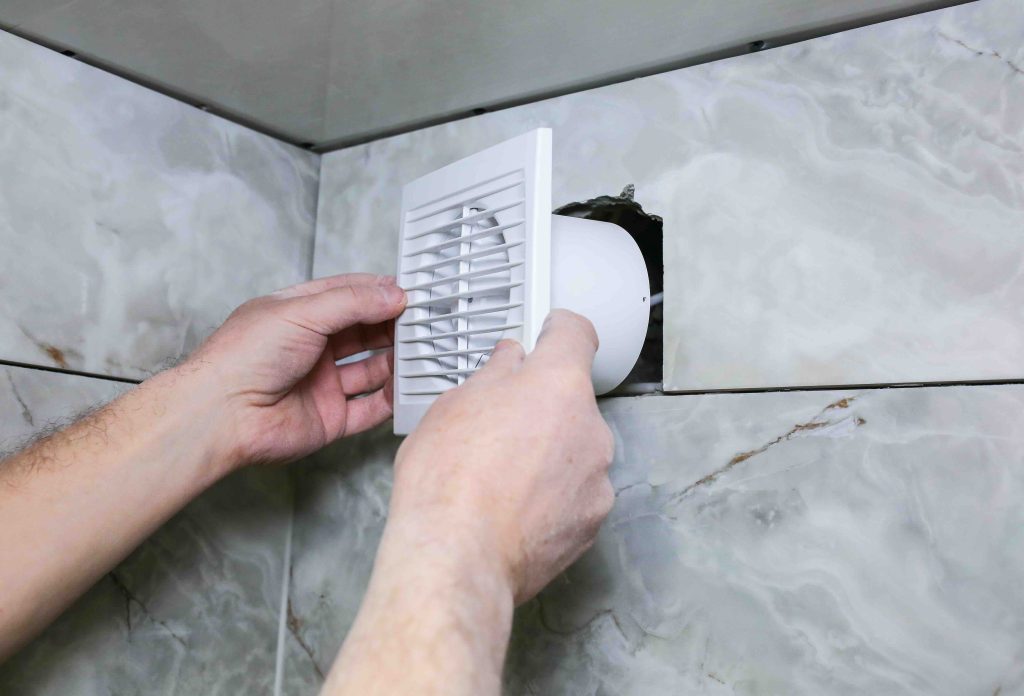
At its core, an HVAC system moves air. Heated or cooled air is produced by central equipment, typically a furnace, heat pump, or air conditioning unit, and then distributed throughout your home via a series of ducts, vents, and air handlers. The thermostat acts as the brain of the operation, signaling the system to turn on or off based on your temperature settings. Ventilation is the often-overlooked third component, responsible for exchanging indoor air with fresh outdoor air and filtering out contaminants, allergens, and excess moisture. All three components work together in a cycle that keeps your living environment stable, breathable, and comfortable.
The Key Components Every Homeowner Should Know
Knowing what makes up your HVAC system helps you spot problems earlier and communicate more clearly with technicians. Here are the primary components you will encounter:
- Furnace or heat pump: the main heating source, typically powered by gas, electricity, or oil
- Air conditioner or condenser unit: located outdoors, responsible for cooling refrigerant and releasing heat
- Air handler or blower: circulates conditioned air through your ductwork
- Ductwork and vents: the delivery network that carries air to every room
- Thermostat: the control panel that manages system behavior and scheduling
- Air filter: captures dust, debris, and allergens before air recirculates through your home
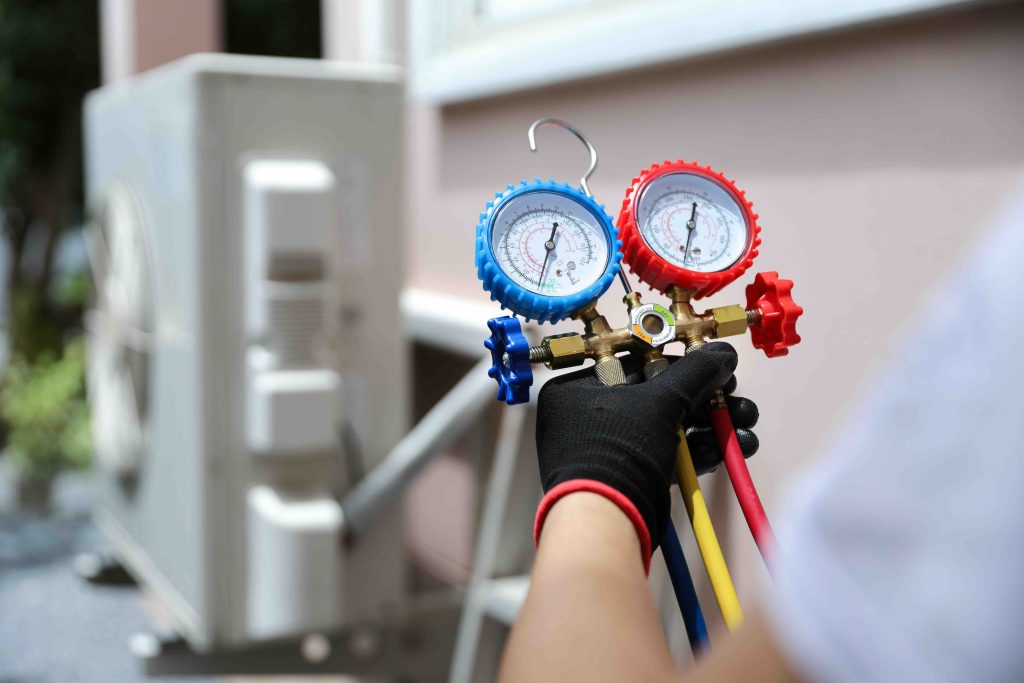
- Refrigerant lines: carry coolant between the indoor and outdoor units in cooling systems
The Major Advantages of a Well-Maintained HVAC System
A properly functioning HVAC system does a lot more than keep you comfortable. It actively contributes to your home’s overall health and efficiency. When the system is maintained correctly, it keeps energy bills lower by running at peak efficiency, meaning the equipment does not have to work as hard to hit your target temperature. Indoor air quality improves significantly when filters are clean and ventilation is functioning as designed, which matters a lot if anyone in your household has allergies, asthma, or respiratory sensitivities. A well-maintained system also tends to last longer, which means fewer early replacements and better return on your original investment. Homes with documented HVAC maintenance records can also command stronger resale value, since buyers feel more confident in the home’s condition.

Common HVAC Problems and What Causes Them
Even the best systems run into trouble over time. Dirty or clogged air filters are the number one cause of reduced HVAC efficiency and premature equipment wear, and they are entirely preventable with routine filter changes every one to three months. Refrigerant leaks in cooling systems can cause the unit to blow warm air and increase energy consumption significantly. Dirty evaporator or condenser coils reduce the system’s ability to transfer heat, forcing it to run longer cycles. Thermostat malfunctions can cause the system to behave erratically, cycling on and off at the wrong times or failing to reach target temperatures. Ductwork leaks are another silent problem, where conditioned air escapes into unconditioned spaces like attics and crawlspaces before it ever reaches your living areas. Over time, these issues compound into bigger, more expensive repairs if left unaddressed.
The HVAC Safety Checklist: What to Inspect and When
Safety inspections are not optional when it comes to HVAC systems, particularly for gas-powered furnaces and heat pumps. Routine checks protect your family from carbon monoxide leaks, electrical hazards, and fire risks. A solid HVAC safety checklist includes the following:
- Inspect and replace air filters every 30 to 90 days depending on household conditions
- Check the area around outdoor condenser units for debris, vegetation, or obstructions
- Test carbon monoxide and smoke detectors near your furnace at least twice per year
- Listen for unusual sounds like banging, rattling, or squealing during system operation
- Check visible ductwork for disconnections, tears, or signs of pest intrusion
- Inspect condensate drain lines for blockages that could cause water damage
- Schedule a professional inspection and tune-up at least once per year, ideally before peak heating or cooling season
Understanding HVAC Lifespan and When Replacement Makes Sense
Most central air conditioning units have a serviceable lifespan of roughly 15 to 20 years, while furnaces can last anywhere from 15 to 30 years depending on the equipment type, brand, and how consistently it has been maintained. Heat pumps generally fall somewhere in the 10 to 15 year range. As systems approach the end of their designed lifespan, repair costs tend to increase while efficiency tends to decline. A good rule of thumb in the HVAC industry is the 5000 rule: multiply the age of the unit by the estimated repair cost, and if that number exceeds 5000, replacement often makes more financial sense than continued repair. Newer systems also come with substantially improved efficiency ratings, which can translate into meaningful savings on monthly energy bills.
Seasonal Maintenance Tips to Extend HVAC Performance
Spring and fall are the ideal windows for HVAC maintenance because the system is not under peak load demand during those transition months. In the spring, focus on your cooling system by cleaning condenser coils, checking refrigerant levels, testing the thermostat, and clearing debris from around the outdoor unit. In the fall, shift attention to the heating side by inspecting the furnace burner, checking heat exchanger integrity, replacing the filter, and testing carbon monoxide detectors. Year-round habits also matter. Keeping vents unblocked, maintaining consistent thermostat settings, and sealing obvious air leaks around windows and doors all reduce the burden on your HVAC system and help it perform more efficiently across every season.
How a Home Warranty Protects Your HVAC Investment
HVAC repairs and replacements represent some of the largest unexpected expenses a homeowner can face. A compressor replacement alone can run anywhere from 1,300 to 2,500 dollars, and a full system replacement can easily exceed 8,000 to 12,000 dollars depending on the size of the home and the equipment selected. That is where a home warranty becomes genuinely valuable. Unlike homeowners insurance, which covers damage from sudden events like fires or floods, a home warranty is a service contract that covers the repair or replacement of major home systems and appliances when they break down due to normal wear and tear. For a predictable annual or monthly premium, homeowners gain access to covered repairs without having to absorb the full cost out of pocket.
Why Armadillo Is the Right Partner for HVAC Home Warranty Coverage
When your HVAC system starts showing signs of wear or breaks down without warning, the last thing you want is to navigate a confusing claims process or discover that your warranty has more exclusions than coverage. Armadillo was built specifically to make home warranty protection straightforward, transparent, and actually useful when you need it most. With clear coverage terms and no surprise denials for covered repairs, Armadillo home warranty coverage for HVAC systems and major home appliances gives homeowners a reliable safety net against the high cost of heating and cooling system failures. Whether your furnace is aging out or your air conditioner compressor is giving up mid-summer, Armadillo connects you with qualified service professionals and handles the financial weight of covered repairs. If you are ready to stop worrying about what a major HVAC breakdown would cost you, take two minutes and get a free home warranty quote for HVAC and whole-home protection to see exactly what your coverage could look like.
Frequently Asked Questions About HVAC Systems and Home Warranty Coverage
Below are answers to the most common questions homeowners ask about HVAC systems, maintenance responsibilities, and how home warranty coverage applies to heating and cooling equipment.
How often should I have my HVAC system professionally serviced?
Most HVAC professionals recommend scheduling a professional inspection and tune-up at least once per year. If your system includes both heating and cooling equipment, twice per year is ideal, once in the spring before cooling season and once in the fall before heating season begins.
What is the difference between an HVAC tune-up and a repair?
A tune-up is a preventive maintenance visit where a technician inspects, cleans, and calibrates your system to optimize performance. A repair is reactive work performed when a specific component has failed or is malfunctioning. Tune-ups are designed to reduce the likelihood of needing repairs.
Does a home warranty cover HVAC repairs caused by lack of maintenance?
Most home warranty providers, including Armadillo, cover mechanical failures resulting from normal wear and tear. Failures caused by documented neglect, improper installation, or pre-existing conditions may not be covered. Keeping up with routine maintenance protects both your equipment and your warranty eligibility.
How long does a typical home HVAC system last?
Central air conditioners generally last 15 to 20 years, furnaces can last 15 to 30 years, and heat pumps typically have a lifespan of 10 to 15 years. Regular maintenance significantly influences how long any system remains operational and efficient.
What are the most common signs that my HVAC system needs repair?
Common warning signs include unusual noises during operation, inconsistent temperatures throughout the home, unexplained increases in energy bills, reduced airflow from vents, frequent cycling on and off, and the presence of unusual odors when the system runs.
Is it worth replacing an HVAC system before it completely breaks down?
Proactive replacement can make financial sense when a system is approaching the end of its useful lifespan, repair costs are increasing, or energy bills are rising due to declining efficiency. Planning ahead also allows you to select equipment and timing on your own schedule rather than in an emergency.
What does HVAC refrigerant do, and why does it matter?
Refrigerant is the chemical compound that absorbs and releases heat as it cycles through the air conditioning system. Low refrigerant levels, usually caused by a leak, reduce cooling capacity and force the system to work harder, increasing wear and energy costs. Refrigerant handling requires a licensed technician.
Can I improve HVAC efficiency without replacing the system?
Yes. Sealing duct leaks, upgrading to a programmable or smart thermostat, replacing air filters regularly, cleaning coils, and improving home insulation are all effective ways to improve efficiency without investing in new equipment.
Does homeowners insurance cover HVAC breakdowns?
Standard homeowners insurance does not cover HVAC breakdowns due to mechanical failure or wear and tear. Homeowners insurance typically applies to damage caused by covered perils like fire, storms, or sudden accidental events. A home warranty is specifically designed to fill that coverage gap for system and appliance failures.
What should I do immediately if my HVAC system stops working?
Check the thermostat settings and battery first, then inspect the air filter for blockages and verify that the circuit breaker for the unit has not tripped. If those basic checks do not resolve the issue, contact your home warranty provider or a licensed HVAC technician to diagnose the problem before it worsens.