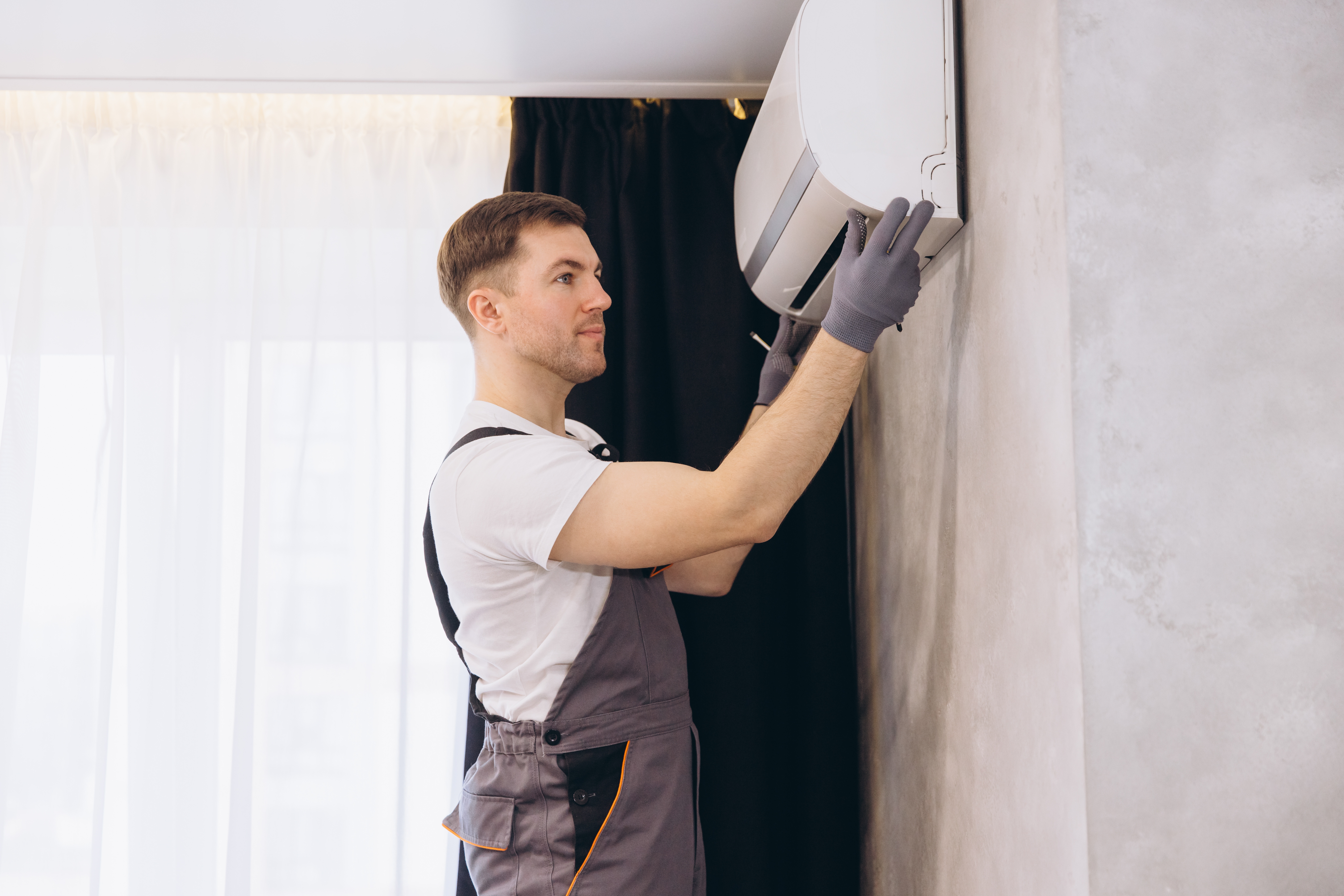
Understanding HVAC Systems: A Homeowner’s Guide to Comfort, Cost, and Coverage
Modern living hinges on the quiet reliability of systems we rarely think about—until something goes wrong. Among the most critical of those systems is your HVAC. Whether you’re basking in summer’s heat or braving winter’s bite, your HVAC system is your first line of defense. But what happens when it fails? What does it even mean for it to work efficiently? And crucially, how can you protect yourself against an unexpected and often expensive breakdown? This guide offers a clear, structured look at HVAC systems—from how they function to what they cost, why they matter, and how a home warranty can offer a safety net when you need it most.
What Is an HVAC System and Why Does It Matter?
HVAC stands for Heating, Ventilation, and Air Conditioning. It’s a general term used to describe the comfort systems in your home that regulate temperature, ensure airflow, and maintain indoor air quality. Fundamentally, your HVAC works to create a stable environment year-round. It cycles between heating in the colder months and cooling during hotter times, while also filtering and circulating air to maintain health standards—critical in both older homes and newer, sealed environments where indoor air can become stale quickly. For most homeowners, HVAC represents a significant investment, both in the initial cost and ongoing maintenance. When it fails, it often does so suddenly and at the worst times—a reason why understanding your system and protecting it is so essential.
Core Components and How They Work Together
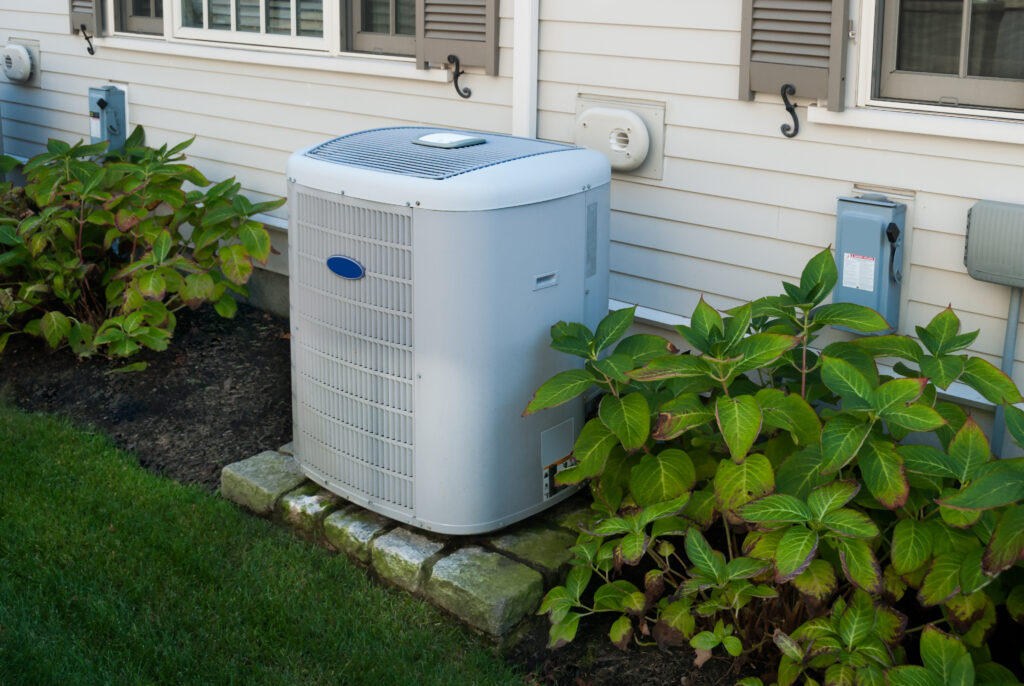
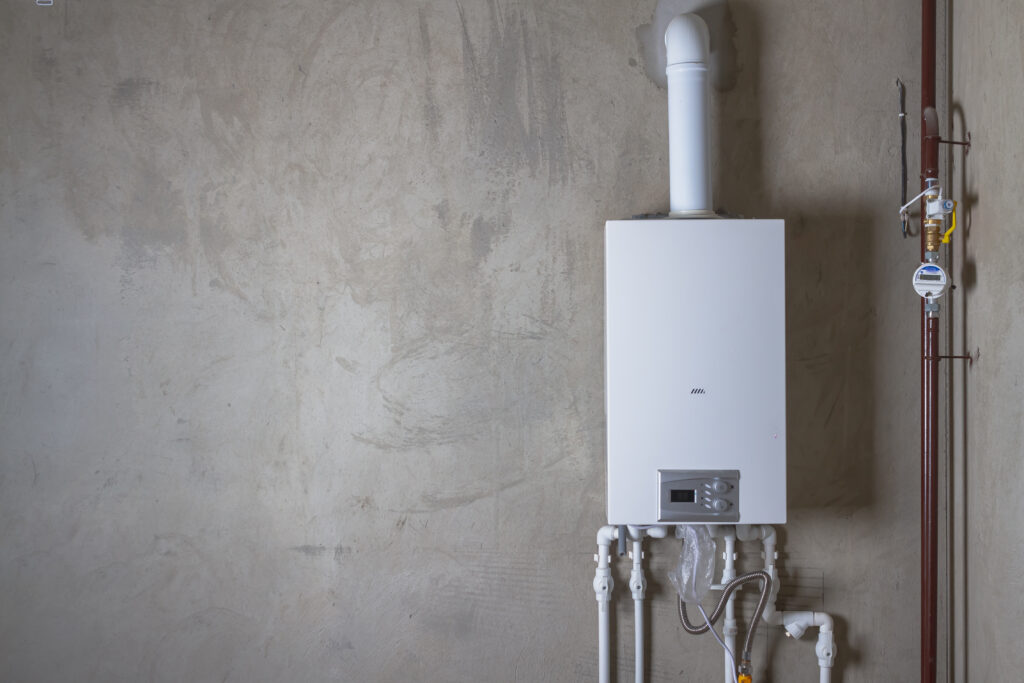
The HVAC system is made up of several key components: the furnace, usually for heating; the air conditioner, responsible for cooling; ductwork for distributing air; and a thermostat, which acts as the control center. Some systems include additional elements like air purifiers or humidifiers to enhance indoor air quality. In colder climates, heat pumps may replace traditional furnaces, operating as both heaters and coolers using a refrigeration cycle. These components must work in concert. When one part stumbles—clogged filters, frozen coils, faulty thermostats—the entire system’s efficiency starts to unravel. Recognizing signs of breakdown early can be challenging without technical knowledge, risking extended periods of discomfort and higher costs down the line.
Pros and Cons of Owning an HVAC System
The advantages of HVAC ownership are straightforward. You gain full control over your indoor climate, improving comfort and potentially increasing home value. Energy-efficient models can reduce utility bills, and modern HVACs often include smart features for automation and remote control. However, drawbacks exist. Upfront costs for a full HVAC installation can range from $5,000 to over $12,000, depending on system type and square footage. Annual maintenance is not optional if you want to avoid mid-season outages, and repairs—especially on core components like compressors or heat exchangers—can skyrocket past $1,500 without warning. Sudden failures usually mean either sweating it out or freezing while scrambling for quotes and contractors.
The True Costs of HVAC System Repairs and Replacement
When HVAC systems fail, homeowners are often taken aback not just by the timing, but the cost. A blower motor replacement can run $500 to $900. A new central air conditioning unit? Anywhere from $3,000 to $7,500. A complete furnace replacement might push well past $6,000. Factors that influence these numbers include the brand, unit size, energy efficiency rating, regional climate, and labor variability. Emergency repairs, particularly during heatwaves or cold snaps, may add a premium to labor charges, not to mention potential logistical delays in sourcing parts. It’s rarely just a matter of flipping a switch or swapping a fuse. HVAC systems require professional diagnoses, and each component is part of a delicate, interdependent structure that must be handled with expert care.
The Role of Preventative Maintenance and Routine Checkups
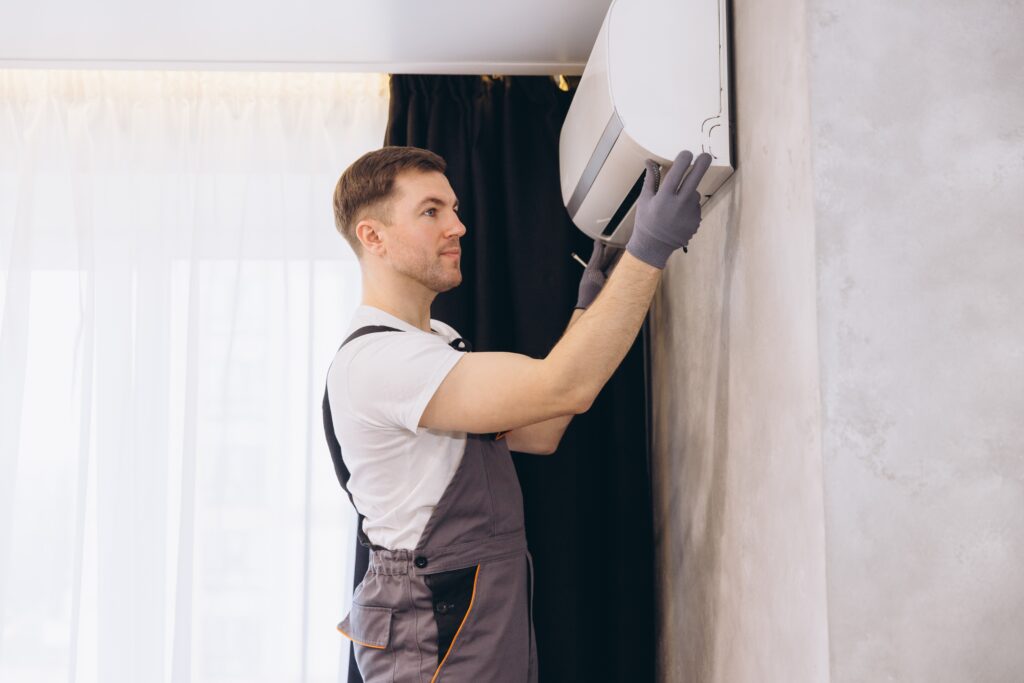
A professionally installed HVAC system can last anywhere from 10 to 25 years, but only with consistent maintenance. Filters should be replaced every one to three months. Ducts should be inspected annually, and refrigerant levels need occasional balancing. Ignoring these steps invites diminished airflow, decreased efficiency, and outright failures. Most performance issues stem not from inherent flaws but from deferred maintenance. Think of HVAC care like brushing your teeth—it’s a minor, regular task that prevents major (and expensive) problems. Investing in annual checkups is like taking out an insurance policy on your comfort: you may not notice the benefits when things work well, but you’ll certainly notice when they don’t.
How a Home Warranty Can Protect Your HVAC Investment
Homeowners often wonder what rights and options they have when an HVAC system suddenly gives out. The truth? If your unit isn’t covered, you’re on the hook for everything—from diagnosis fees to parts and labor. A home warranty, however, can bridge that financial gap. It works like a service contract: you pay a plan fee, and in return, your HVAC repair or replacement—if it breaks from wear and tear—is handled by a network-certified technician at a fraction of the retail cost. With HVAC systems commonly tied with the plumbing and electrical network, having warranty coverage isn’t just a convenience—it’s a cost-containment strategy. You safeguard yourself against surprise outlays, reduce downtime, and rely on professionals vetted for quality, timeliness, and technical rigor.
Choose Armadillo for Peace of Mind and Smooth Repair Journeys
At Armadillo, we’ve built our home warranty services around the idea that your home should be protected with intelligence and simplicity. Our plans cover critical systems like HVAC with transparency and expertise, ensuring rapid response and optimized repair outcomes. We understand not just the systems themselves—but the stress and decisions homeowners face when something breaks. Explore our platform at Armadillo.one to learn more. Ready to get started? Build a custom plan that fits your home and your priorities at our sign-up page. The comfort of your home should never hinge on a single faulty wire, a failed compressor, or a missed maintenance step. With Armadillo, it doesn’t have to.