What Is an HVAC System and Why Does It Matter in Your Home?
The HVAC system is one of those things most homeowners never think about until it stops working. HVAC stands for Heating, Ventilation, and Air Conditioning, and it is the combined infrastructure responsible for keeping your home comfortable through every season. Whether it is the middle of July or deep into a cold January, this system is quietly working in the background — circulating air, regulating temperature, and maintaining indoor air quality. Understanding what this system is and how it operates is one of the most practical things a homeowner can do. It helps you catch problems early, make smarter decisions, and frankly, avoid the kind of expensive surprises that tend to show up at the worst possible time.
The Core Components of an HVAC System Explained
The HVAC system is not a single unit — it is actually a collection of components that work together. Each part plays a specific role, and when one piece fails, the rest of the system can feel the strain. Here is a breakdown of the major components you will find in most residential HVAC systems.
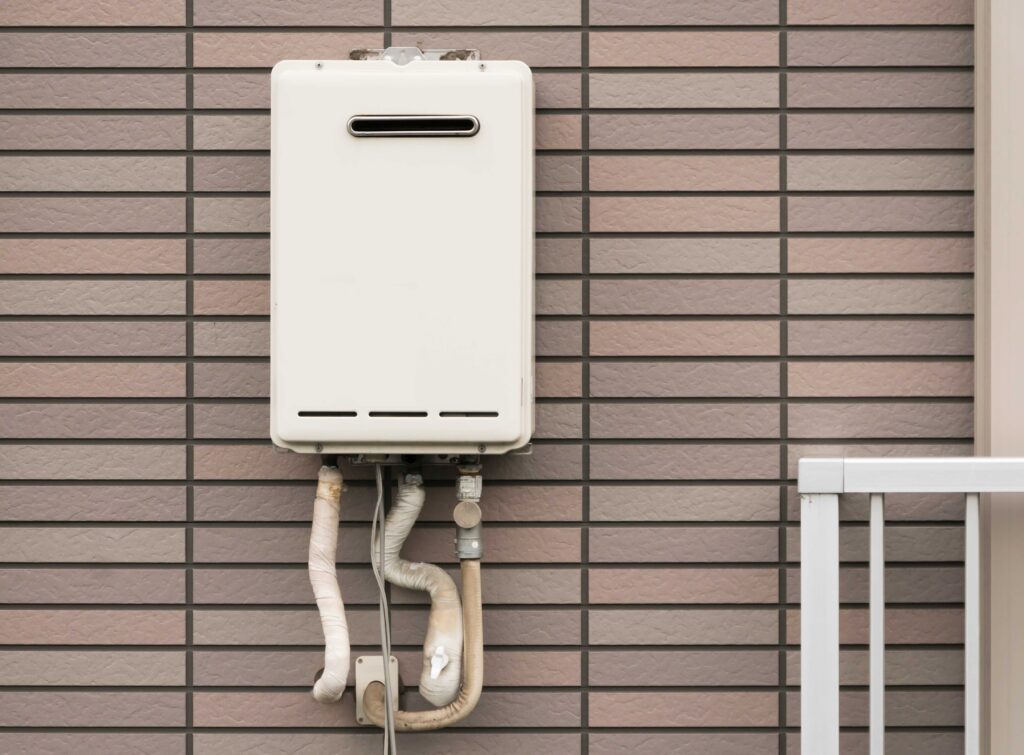
- Furnace: The furnace is typically the largest component and is responsible for heating air that gets distributed throughout the home via ductwork.
- Air Conditioner or Heat Pump: These units handle cooling and, in the case of heat pumps, can also provide heating by transferring heat rather than generating it.
- Air Handler: This indoor unit works alongside a heat pump or central air conditioner to move conditioned air through the duct system.
- Ductwork: The network of channels that distributes heated or cooled air throughout the home and returns air back to the system.
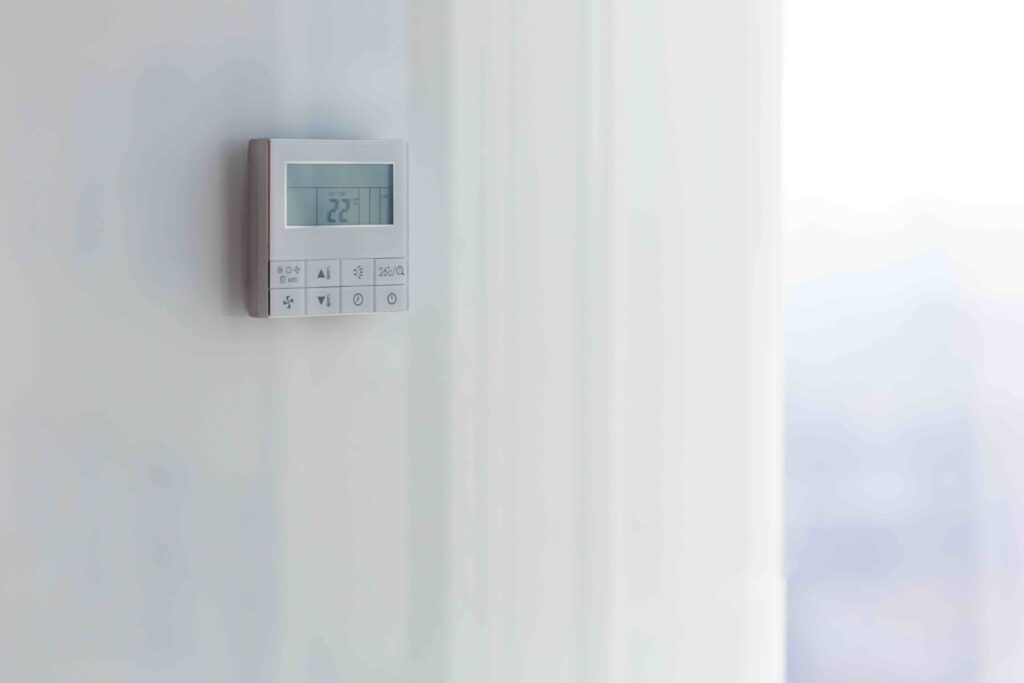
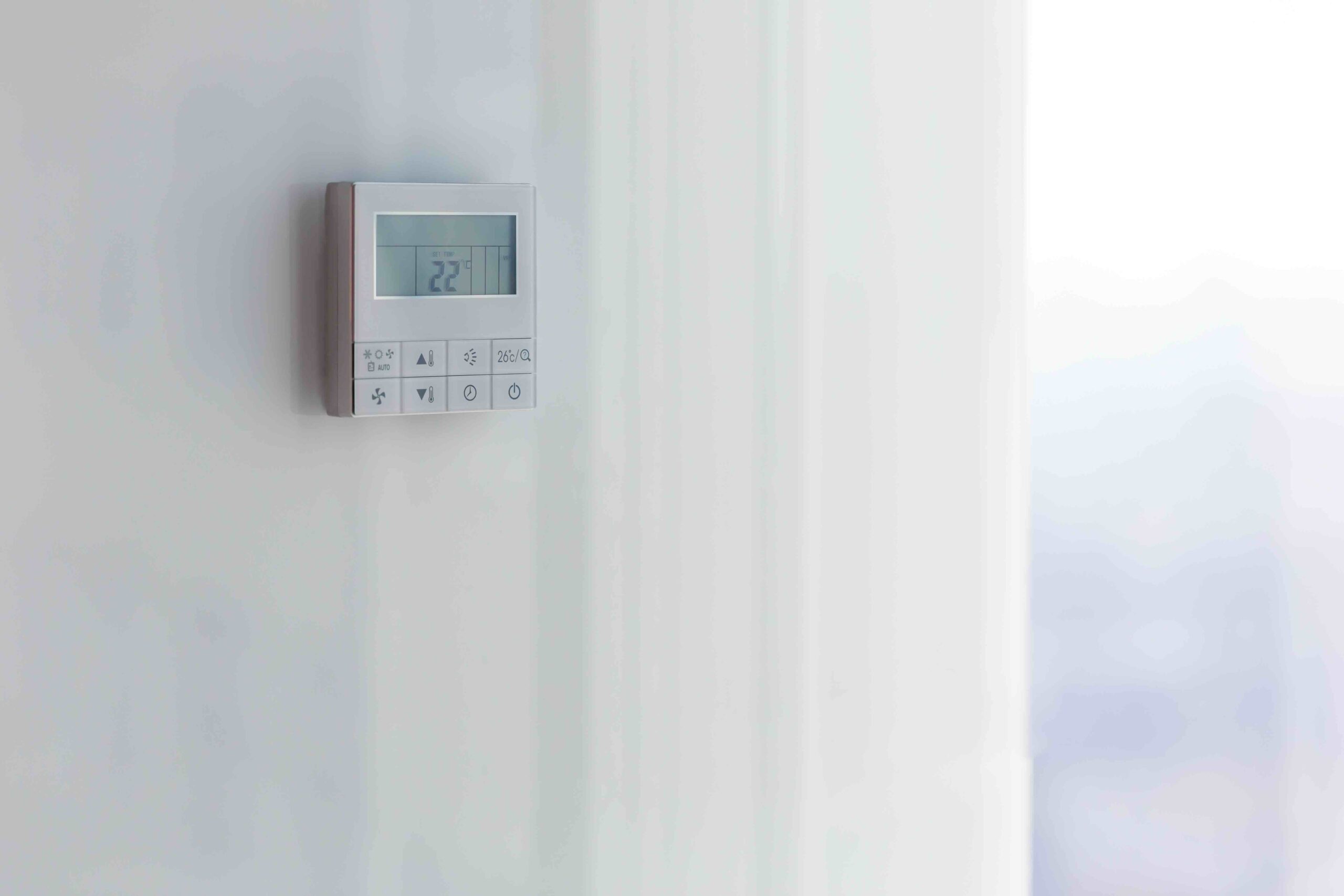
- Thermostat: The control center of the system, where you set temperature preferences and schedules.
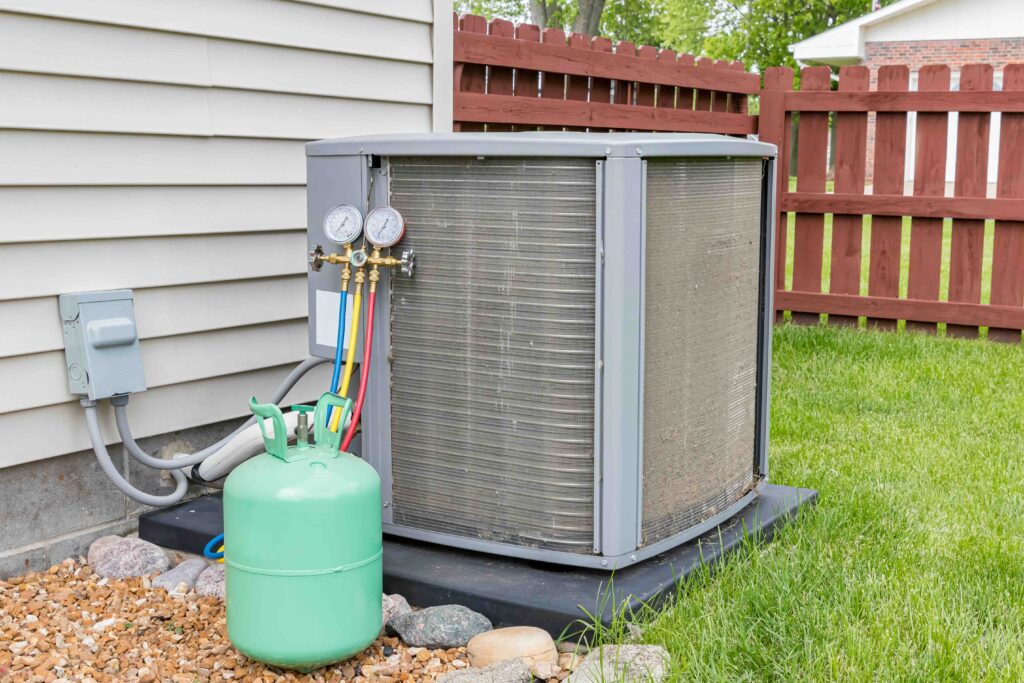
- Evaporator and Condenser Coils: These coils work together to absorb and release heat during the cooling process.
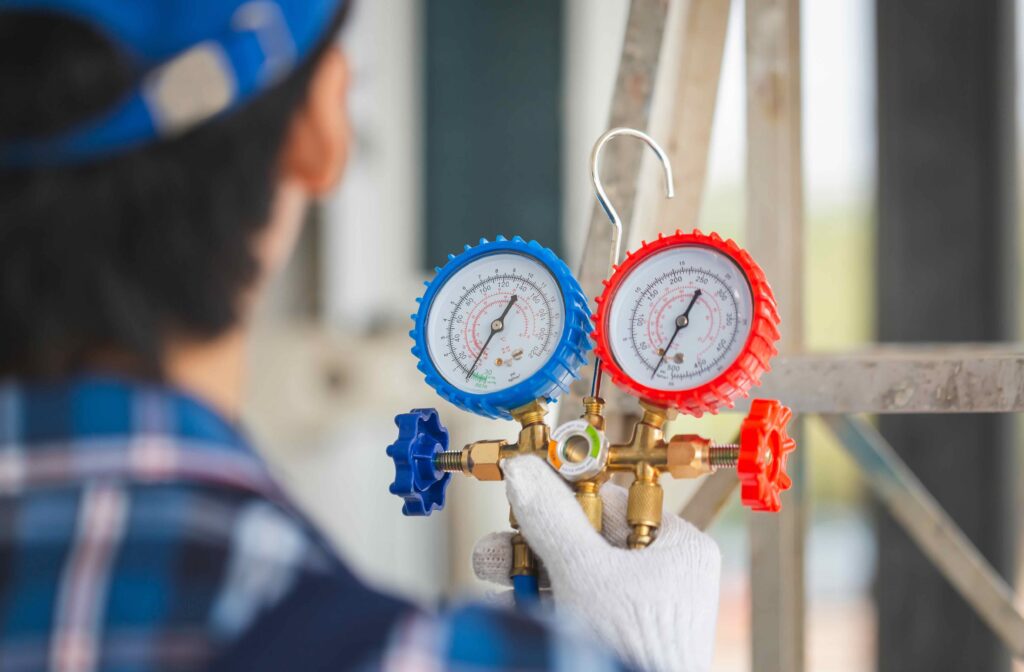
- Refrigerant Lines: The refrigerant circulates between the indoor and outdoor units, facilitating the heat exchange cycle.
- Blower Motor: Responsible for pushing conditioned air through the ductwork and into each room.
- Air Filter: Traps dust, allergens, and debris before air circulates through the system and your living space.
How Your HVAC System Actually Works
Understanding the mechanics does not require an engineering degree, but it does help to have a basic picture. In heating mode, the furnace burns fuel or uses electric resistance to heat air, which the blower motor then pushes through the ductwork into each room. In cooling mode, the process is almost counterintuitive — the system does not push cold air in so much as it pulls heat out. Refrigerant absorbs heat from the indoor air through the evaporator coil, carries it to the outdoor condenser unit, and releases it outside. The result is cooler air being recirculated indoors. Ventilation ties it all together by ensuring fresh air exchange, controlling humidity, and filtering airborne particles. When all three functions are working in sync, the result is a home that stays comfortable without requiring constant manual adjustment.

The Key Advantages of a Well-Functioning HVAC System
A properly maintained HVAC system delivers benefits that go well beyond simple comfort. Consistent indoor temperatures reduce stress on building materials, which can expand and contract with extreme heat and cold. Good air circulation and filtration lower the concentration of allergens, dust mites, mold spores, and other airborne irritants — something especially important for households with children, elderly residents, or anyone with respiratory sensitivities. Energy efficiency is another major benefit. Modern systems are significantly more efficient than units from a decade ago, meaning lower monthly utility bills when the equipment is functioning correctly. In terms of home value, an updated and well-maintained HVAC system is a genuine selling point. Buyers notice it, and home inspectors will certainly document its condition during any real estate transaction.
Common Drawbacks and Challenges Homeowners Face
No system is perfect, and HVAC is no exception. The upfront cost of a new system installation is one of the most significant home expenses a homeowner can face, often ranging from several thousand dollars to well above ten thousand depending on the size of the home and the type of equipment selected. Ongoing maintenance is another reality. Filters need regular replacement, coils need cleaning, and refrigerant levels need to be checked periodically. Neglect any of these, and efficiency drops while the risk of a breakdown climbs. Ductwork is a hidden problem in many homes — leaks or poor insulation in ducts can cause the system to work significantly harder than it should, leading to uneven temperatures and wasted energy. Older systems also carry the risk of using refrigerants that are no longer manufactured or supported, creating complications when repairs are needed.
HVAC Maintenance Tips Every Homeowner Should Know
Staying ahead of HVAC issues is far less expensive than reacting to them. There are some straightforward habits that go a long way toward keeping your system in good shape year-round. Replacing the air filter every one to three months is one of the simplest and most impactful things you can do. A clogged filter restricts airflow and forces the system to work harder. Scheduling professional tune-ups twice a year — once before cooling season and once before heating season — allows a technician to catch minor issues before they escalate. Keeping the area around your outdoor condenser unit clear of debris, vegetation, and obstructions helps maintain proper airflow through the unit. Checking that all vents inside the home are open and unblocked ensures even air distribution. And paying attention to unusual sounds, odors, or changes in how the system is performing can be the early warning sign that saves a significant repair bill.
When to Repair Versus When to Replace Your HVAC System
This is the question that keeps a lot of homeowners up at night. The general rule of thumb most industry professionals use is the five thousand dollar rule — multiply the age of the unit in years by the estimated repair cost. If that number exceeds five thousand dollars, replacement is usually the more financially sound decision. Age is also a significant factor. Most air conditioners last between fifteen and twenty years, while furnaces can last twenty to thirty years with proper care. If your system is approaching or has passed that range, investing in major repairs becomes difficult to justify. Efficiency ratings are another consideration. Newer systems operate at efficiency levels that older units simply cannot match, and the energy savings over time can offset a meaningful portion of the replacement cost.
How Home Warranties Factor Into HVAC Coverage
For many homeowners, one of the most stressful aspects of owning an HVAC system is the financial unpredictability of breakdowns. A compressor failure alone can cost thousands of dollars to replace. This is where a home warranty becomes relevant. A home warranty is a service contract that covers the repair or replacement of major home systems and appliances when they break down due to normal wear and tear. HVAC systems are typically among the most valuable and most used components of any home warranty plan. Having coverage means that when a covered breakdown occurs, you are not reaching into your savings to cover the full cost of diagnosis, parts, and labor. It creates a level of financial predictability that most homeowners find worth the investment, particularly as their systems age.
Why Armadillo Is the Right Home Warranty Partner for HVAC Coverage
When your HVAC system breaks down, the last thing you want is to navigate a complicated claims process or deal with vague policy language. That is exactly what sets Armadillo apart. Armadillo offers transparent, homeowner-friendly coverage designed to protect the systems that matter most — including the heating and cooling equipment your household depends on every day. If you are looking for a home warranty plan that covers HVAC systems with clear terms and reliable service, Armadillo is built with that standard in mind. There are no confusing exclusions buried in fine print and no runaround when you need help most. Getting started is straightforward — you can get a free home warranty quote that includes HVAC system protection in just a few minutes. Protecting your heating and cooling investment is a smart decision, and choosing the right coverage partner makes all the difference.

Frequently Asked Questions About HVAC Systems
These are some of the most common questions homeowners ask about their HVAC systems, answered clearly and directly.
What does HVAC stand for?
HVAC stands for Heating, Ventilation, and Air Conditioning. It refers to the combined system of equipment responsible for regulating temperature, air quality, and humidity inside a home.
How often should I replace my HVAC air filter?
Most standard filters should be replaced every one to three months. Homes with pets, allergies, or high dust levels may need filter changes more frequently, closer to every four to six weeks.
What is the average lifespan of a residential HVAC system?
Air conditioners typically last fifteen to twenty years. Furnaces can last twenty to thirty years. Heat pumps generally have a lifespan of fifteen to twenty years with regular maintenance.
How do I know if my HVAC system needs a tune-up?
Common signs include reduced airflow, inconsistent temperatures throughout the home, unusual noises, higher-than-normal utility bills, or the system cycling on and off more frequently than usual.
What is the difference between a heat pump and a traditional HVAC system?
A traditional HVAC system uses a furnace for heat and a separate air conditioner for cooling. A heat pump handles both functions by transferring heat rather than generating it, making it more energy-efficient in moderate climates.
Does a home warranty cover HVAC systems?
Many home warranty plans include coverage for HVAC systems, including the furnace, air conditioner, and related components. Coverage details vary by provider, so it is important to review what is included in any specific plan before purchasing.
Why is my HVAC system making strange noises?
Banging, squealing, or rattling sounds often indicate loose components, worn belts, or debris in the system. These noises should be evaluated by a licensed HVAC technician as soon as possible to prevent further damage.
What causes uneven heating or cooling in different rooms?
Uneven temperatures are commonly caused by leaky or poorly insulated ductwork, blocked vents, an undersized system, or thermostat placement issues. A professional HVAC inspection can identify the root cause.
How much does it cost to replace an HVAC system?
Replacement costs vary significantly based on home size, system type, and local labor rates. Most homeowners spend between five thousand and fifteen thousand dollars for a full system replacement, though costs can be higher for larger homes or specialized equipment.
Can I run my air conditioner and furnace at the same time?
In most standard systems, the air conditioner and furnace do not operate simultaneously. However, both share components like the blower motor and ductwork. Some advanced systems with zoning capabilities can manage different needs in different areas of the home at the same time.