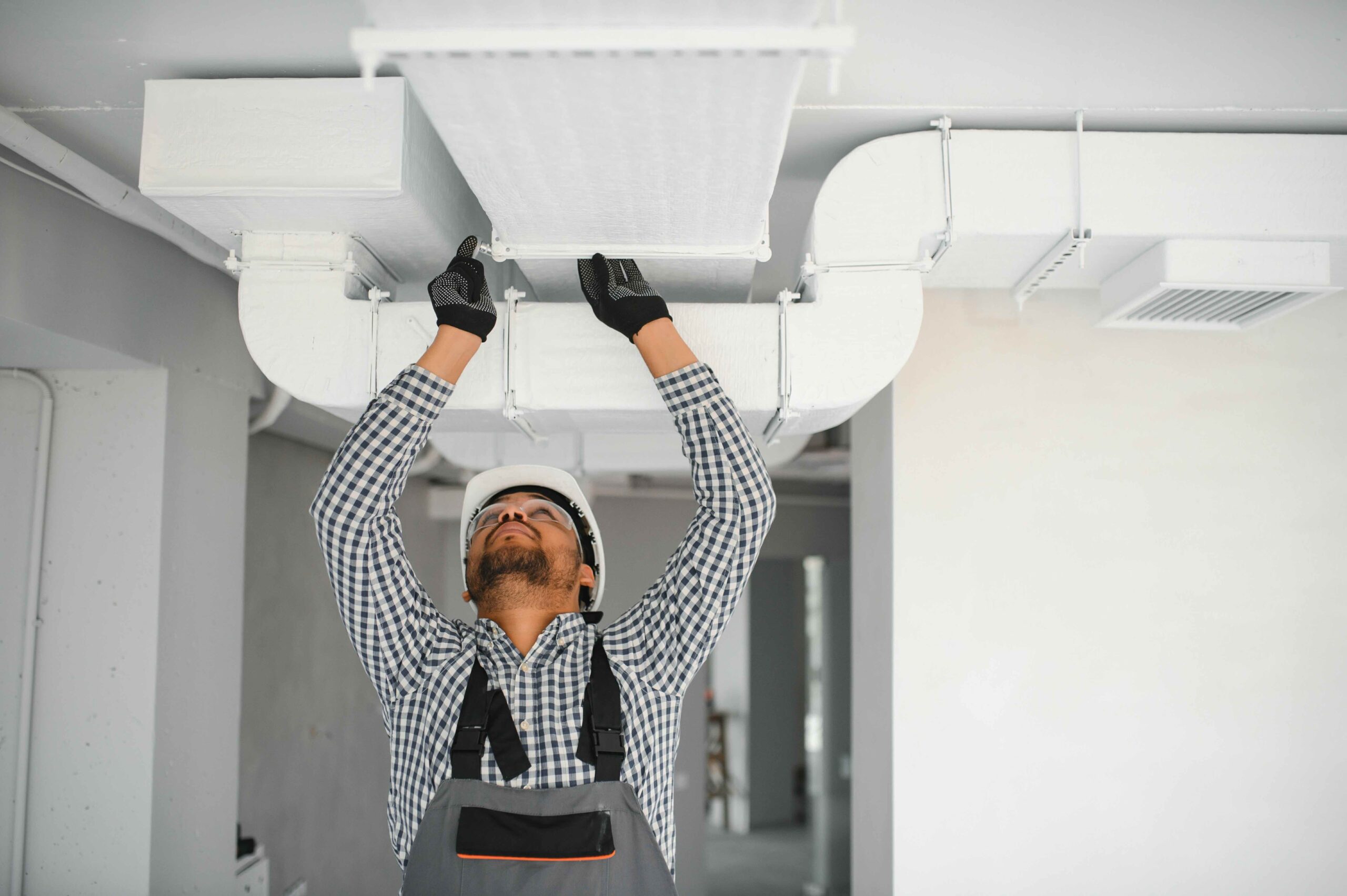
Understanding HVAC Systems: A Homeowner’s Guide
In the world of homeownership, few systems are as crucial to comfort and livability as your HVAC system. Responsible for heating, ventilation, and air conditioning, the HVAC system winds its way through the very walls of your home, regulating climate and ensuring year-round comfort. But what exactly makes up an HVAC system? How does it function, and what should you know as a savvy homeowner? Stick with us as we embark on an informative journey to uncover the copper coils and circuits that keep your home in its comfort zone.
What is an HVAC System?
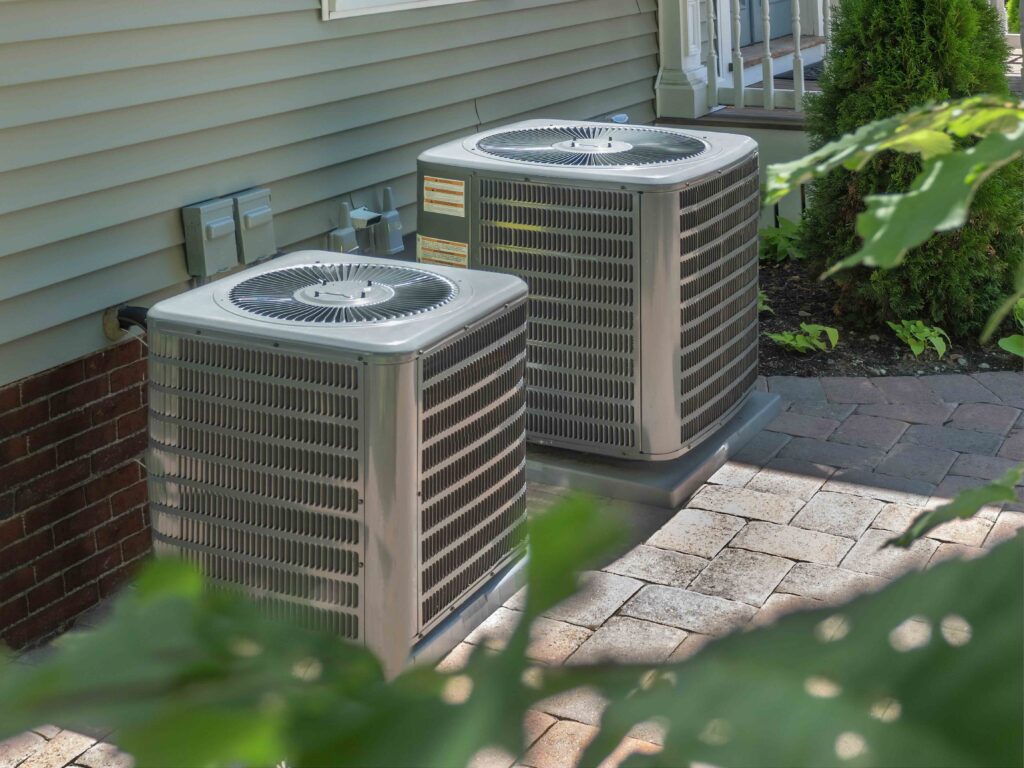
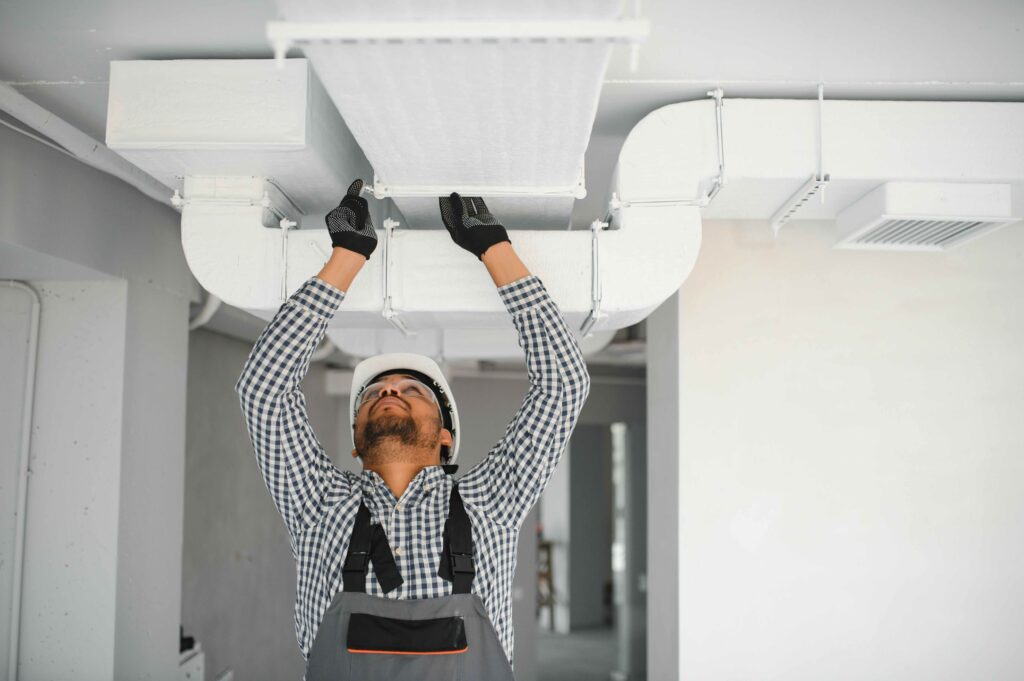
An HVAC system is the ultimate climate control apparatus within a home. It integrates heating, ventilation, and air conditioning to maintain optimal indoor temperature and air quality. The system is composed of multiple components, including a furnace or heat pump for heating, an air conditioner for cooling, ductwork for air distribution, and thermostats to regulate temperature. Each component is essential, working in harmony to create a comfortable living environment.
How Does an HVAC System Work?
Your HVAC system operates through the magic of heat transfer and air circulation. In heating mode, the furnace or heat pump absorbs heat from the outside air or fuel sources, even on cold days, and uses it to warm your home. During the sweltering months, the air conditioner will extract heat from indoors and expel it outside, cooling your home in the process. The ventilation aspect ensures fresh air moves through your home’s ductwork, replacing stale air and maintaining quality indoor air conditions.
Key Advantages of HVAC Systems
Investing in a well-functioning HVAC system ensures year-round comfort. They provide precise temperature regulation and improve energy efficiency, which can lead to significant savings on your energy bills. Additionally, with advancements in technology, many modern HVAC systems come equipped with smart thermostats and zoning features, allowing room-by-room temperature adjustments. Improved air quality, humidity control, and allergy reduction are other notable benefits, particularly for those with respiratory issues.
Common Drawbacks of HVAC Systems
No system is without its drawbacks, and HVAC systems are no exception. Initial installation costs can be steep, especially if ductwork needs retrofitting. Maintenance is another consideration; regular checks and cleanings are necessary to prevent the system from becoming inefficient. Over time, parts may wear out, necessitating repair or replacement. Noise can also be a factor, particularly with older models. Therefore, homeowners must weigh these aspects against the benefits when considering an HVAC system installation or upgrade.
Choosing the Right HVAC System for Your Home
Selecting an HVAC system involves careful consideration of your home’s size, existing infrastructure, and your personal requirements. Larger homes may benefit from zoning systems, while smaller homes might be adequately served by a single-zone system. Energy efficiency ratings, often denoted by SEER (Seasonal Energy Efficiency Ratio) for cooling and AFUE (Annual Fuel Utilization Efficiency) for heating, are critical. Opting for systems with higher efficiency ratings can lead to long-term savings and environmental benefits.
Maintaining Your HVAC System
Regular maintenance is paramount for optimal HVAC performance. Homeowners should schedule annual inspections with a certified professional to evaluate and clean system components. Air filters, which can get clogged with dust and pollen, should be replaced every 1-3 months. Keeping the area around outdoor units clear of debris enhances efficiency. Staying ahead of these routine tasks can prolong your system’s lifespan, ensuring consistent performance throughout its years of service.
Troubleshooting Common HVAC Issues
Despite our best efforts, issues may arise. Common problems include thermostat malfunctions, restricted airflow, or unusual noises. Improperly sized systems can lead to uneven heating or cooling, whereas refrigerant leaks can compromise cooling efficiency. Identifying these issues early is key to preventing more extensive damage. In many cases, troubleshooting guides or expert diagnostics are invaluable assets for quick resolutions.
Why Choose Armadillo for Your HVAC System Warranty
When it comes to protecting your investment in an HVAC system, Armadillo offers comprehensive home warranty solutions tailored to your needs. By choosing an Armadillo plan, you secure peace of mind knowing that expert repairs and maintenance are only a call away. Visit our homepage to explore our offerings or jump straight into the process by starting your sign-up today. Armadillo is your trusted ally in maintaining a comfortable, efficient, and trouble-free home atmosphere.