Understanding HVAC Systems: A Homeowner’s Guide to Comfort and Cost Efficiency
In cities like Denver, Portland, and Salt Lake City—places admired for their access to the great outdoors and dynamic seasonal climates—homeowners rely heavily on HVAC systems to keep indoor environments stable and comfortable throughout the year. HVAC, short for heating, ventilation, and air conditioning, is more than a luxury; it’s a necessity in regions known for their temperature swings. But even in temperate climates like Asheville or Boise, a dependable HVAC setup contributes significantly to the overall comfort, health, and energy efficiency of a home. For homeowners navigating the complexities of maintenance and potential costs, understanding this system, how it functions, and how to protect it is crucial.
What Is an HVAC System and How Does It Work?
An HVAC system is an integrated mechanical network designed to regulate a home’s heating, cooling, and air circulation. While specific configurations vary based on home size, age, geography, and architecture, they typically consist of a furnace or heat pump, air conditioner, ventilation pathways like ducts and vents, and a thermostat. In winter, the heating component either generates warm air through gas combustion or heat transfer from outside. In summer, the air conditioner disperses cooled and dehumidified air. All of this is circulated by fans and delivered through ductwork, ensuring even temperatures and airflow from room to room.
Benefits of a Reliable HVAC System
The advantages of a well-functioning HVAC system extend far beyond comfort. In areas like Bend, Oregon or Flagstaff, Arizona—places that experience cold winters and hot summers—a properly operating system ensures steady climate control year-round. Energy efficiency is another major benefit. Advanced HVAC systems manage temperature more precisely and consume less energy, resulting in lower monthly utility bills. Indoor air quality also improves. Systems with upgraded filtration reduce airborne allergens and pollutants, making them especially beneficial for those with asthma or allergies. A modern HVAC unit may also increase user control through smart thermostats, allowing remote operation and automated scheduling that promotes both convenience and savings.
Common HVAC System Problems Homeowners Should Know
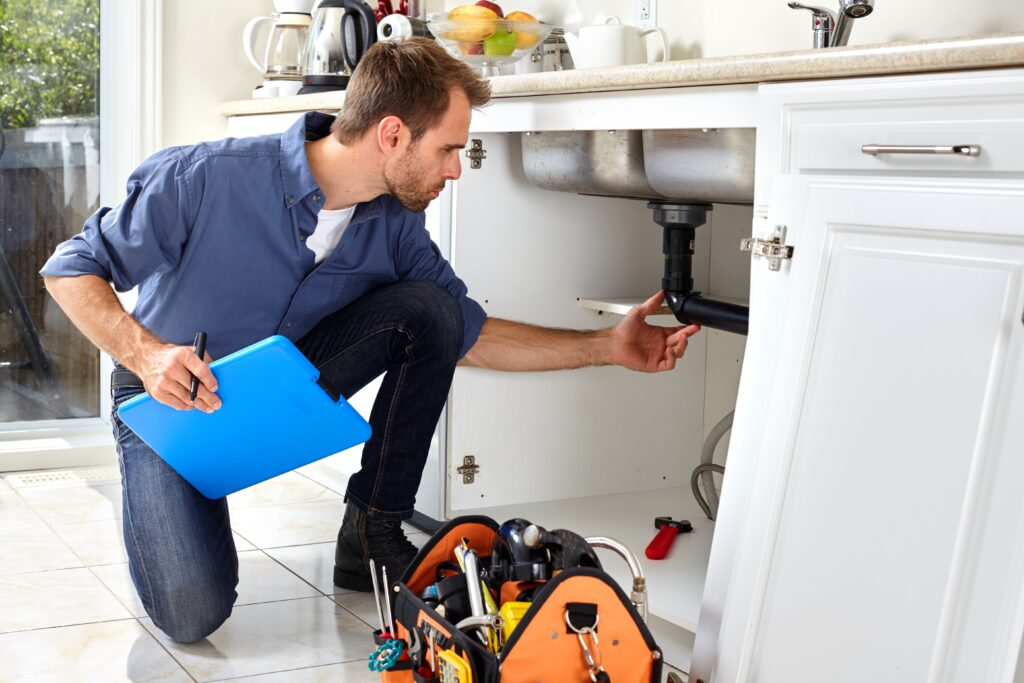
While newer systems require less intervention, HVAC components are susceptible to wear and malfunctions—especially in areas with extreme weather fluctuations such as Colorado Springs or Reno. One common issue is inconsistent heating or cooling from room to room, which could point to blocked ducts, dirty filters, or a weakened blower motor. Another signal is strange sounds or grinding during operation, often indicating mechanical failure. Leaks from the indoor unit may be tied to a clogged condensate drain or a refrigerant issue. Most concerning, however, are spikes in energy bills that usually point to inefficiency due to system fatigue or outdated parts. Routine service visits can spot these issues quickly and prevent premature failure, but few homeowners budget for such surprises without protection.
Should You Repair or Replace Your HVAC System?
It’s the question nearly every homeowner asks when faced with an HVAC problem. And the answer depends on system age, performance, and frequency of issues. If the HVAC system is over 12 to 15 years old and experiences continuous breakdowns—or if energy costs keep rising despite regular maintenance—replacement may be the smarter route. New high-efficiency models offer better long-term value and fewer headaches. On the other hand, isolated problems in newer units are often addressed with a targeted repair. But the cost of even a single repair—especially anything involving the compressor or a refrigerant leak—can run high. This is where a home warranty can be particularly valuable. It cushions the financial impact and removes uncertainty from the decision-making process.
What Does a Home Warranty Cover for HVAC Systems?
Unlike homeowners insurance, which focuses on external damage from fires or storms, a home warranty addresses mechanical failures from daily use and wear. For HVAC systems, a home warranty from a provider like Armadillo can cover components of both heating and air conditioning, including the furnace, compressor, refrigerant lines, thermostat, and ductwork. This means when your system suddenly fails during a Texas heatwave or freezes in a frigid Minnesota winter, help may only be a service request away. It’s valuable coverage, especially for homeowners in climates with several seasonal peaks, where the HVAC system is almost never off duty. The best home warranty plans include regular maintenance benefits and options for add-ons like filters and smart thermostat support, ensuring long-term peace of mind.
Tips to Extend the Life of Your HVAC System
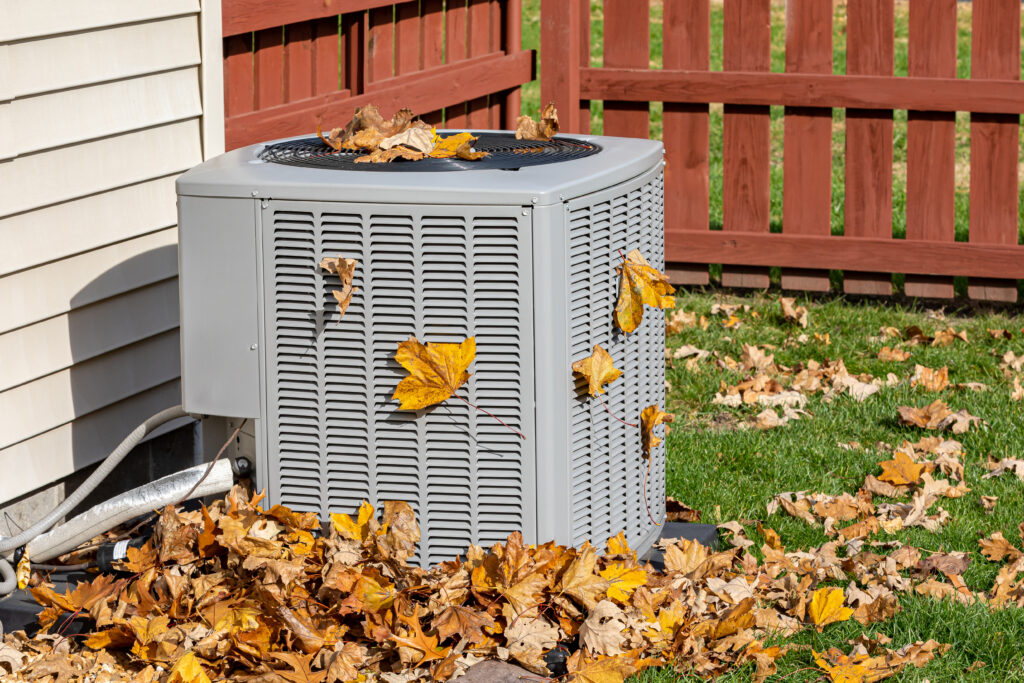
Proactive care can delay the need for major repairs or replacements. Starting with filter changes—monthly or seasonal depending on usage—this seemingly small detail carries big importance. Clean filters mean the system doesn’t have to work as hard, which lengthens its lifespan. Keep the outdoor AC unit free from buildup like leaves, dirt, and pet hair, which can interfere with operation. Schedule annual tune-ups in spring and fall, so the system is optimized ahead of both peak usage seasons. Sealing ductwork and insulating your home can also reduce strain on your system, especially in mountain or desert climates where temperature imbalances are more pronounced. Even something as seemingly routine as using a programmable thermostat correctly contributes to extending HVAC life while keeping energy costs manageable.
Protect Your HVAC System and Your Budget with Armadillo
Whether you’re enjoying a cabin in Flagstaff or maintaining your family home in Boulder, your HVAC system plays the invisible—but critical—role of creating a comfortable and livable indoor space. But when it breaks down unexpectedly, it puts your routine, budget, and comfort at risk. That’s where a comprehensive home warranty from Armadillo comes in. Designed to help modern homeowners take the guesswork out of system failures, Armadillo’s smart protection plans cover HVAC breakdowns and much more. With flexible coverage, fast service times, and a completely digital experience, Armadillo makes system protection simple. Don’t wait until the heat wave or cold snap to get serious about HVAC peace of mind. Learn more at armadillo.one or get started building your plan today at this link.