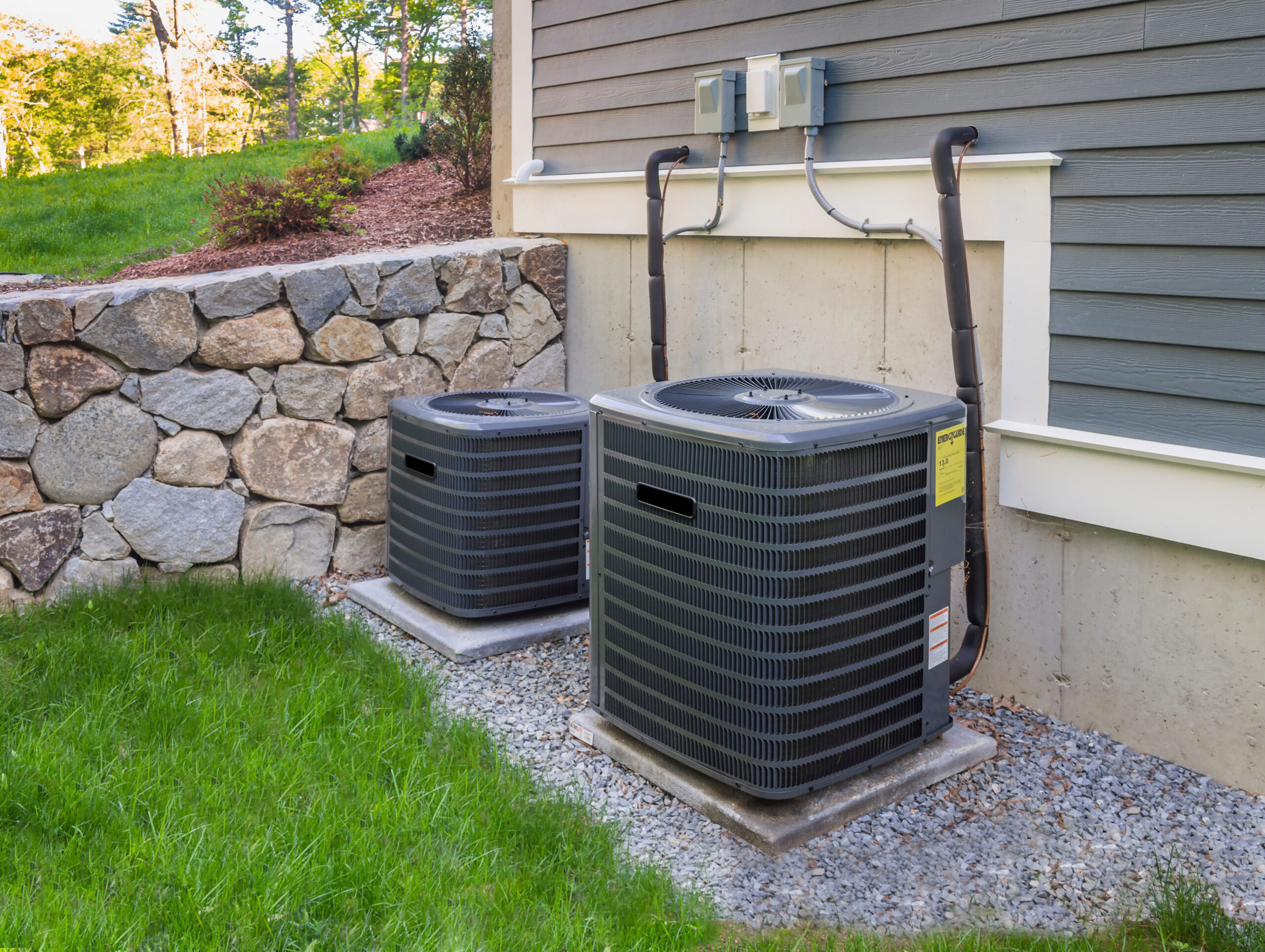
What Is an HVAC System and Why Does It Matter So Much in Your Home?
Your HVAC system is one of the hardest-working systems in your entire home, and honestly, it tends to get overlooked until something goes wrong. HVAC stands for Heating, Ventilation, and Air Conditioning — and that name basically covers the full picture of what it does. It keeps your home comfortable through every season, manages air quality, and controls humidity levels. It is not just about staying warm in winter or cool in summer. It is about creating a living environment that actually works for the people inside it. Understanding what your HVAC system is, how it operates, and what it needs to stay healthy is one of the smartest investments a homeowner can make in their own peace of mind.
How an HVAC System Actually Works
At its core, an HVAC system moves air. That might sound overly simple, but the process behind it is worth understanding. Your heating component — typically a furnace or heat pump — generates or transfers warmth and pushes it through your home via a network of ducts and vents. The air conditioning side does the opposite, pulling heat out of the indoor air and releasing it outside, leaving cooler air behind. The ventilation piece is what ties it all together, exchanging stale indoor air with fresher outdoor air and cycling everything through filters that trap dust, allergens, and debris. These three functions operate as a single coordinated system, all managed by your thermostat, which acts as the brain of the operation. When one part struggles, the others feel it.
The Main Components You Should Know
A lot of homeowners think of their HVAC system as one big machine, but it is actually a collection of individual components that each play a specific role. Getting familiar with these parts helps you communicate more clearly with technicians and catch problems earlier.
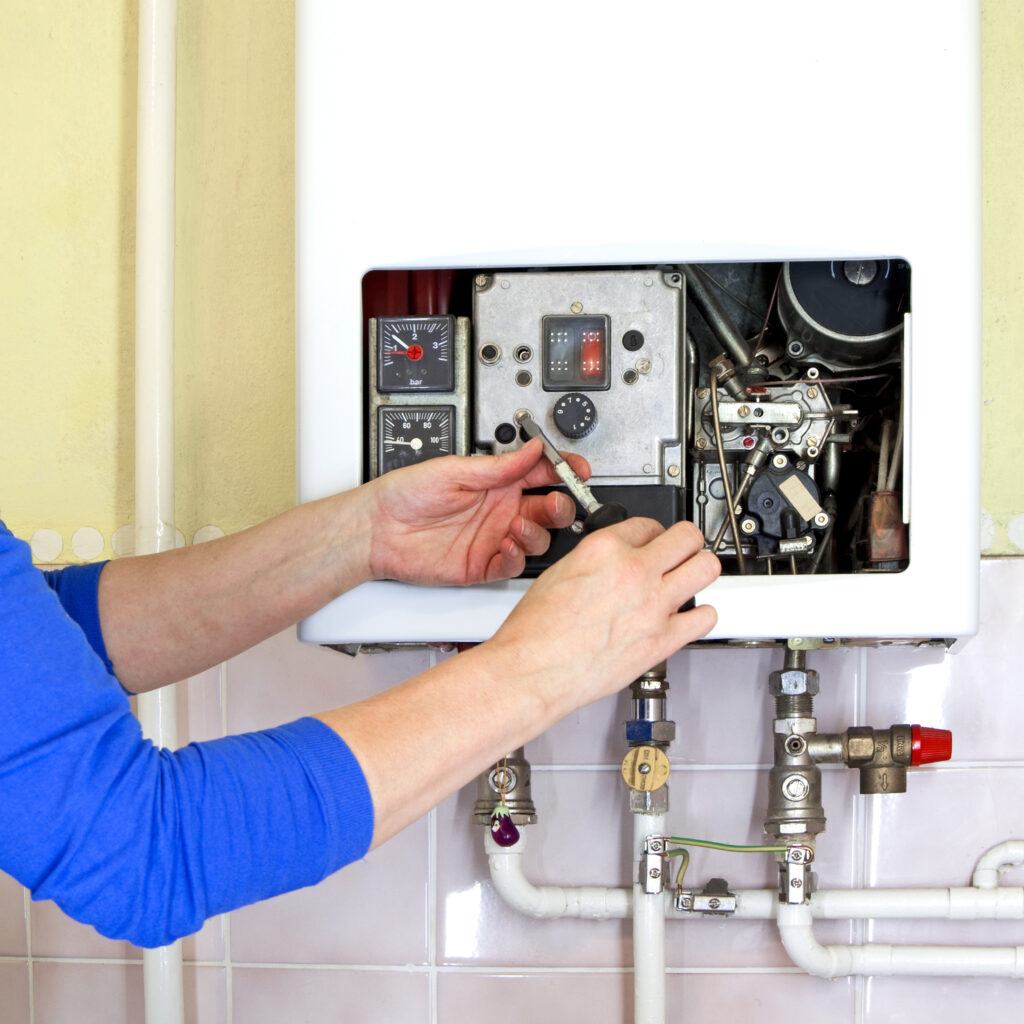
- Furnace or air handler: the unit responsible for heating air and distributing it through your home
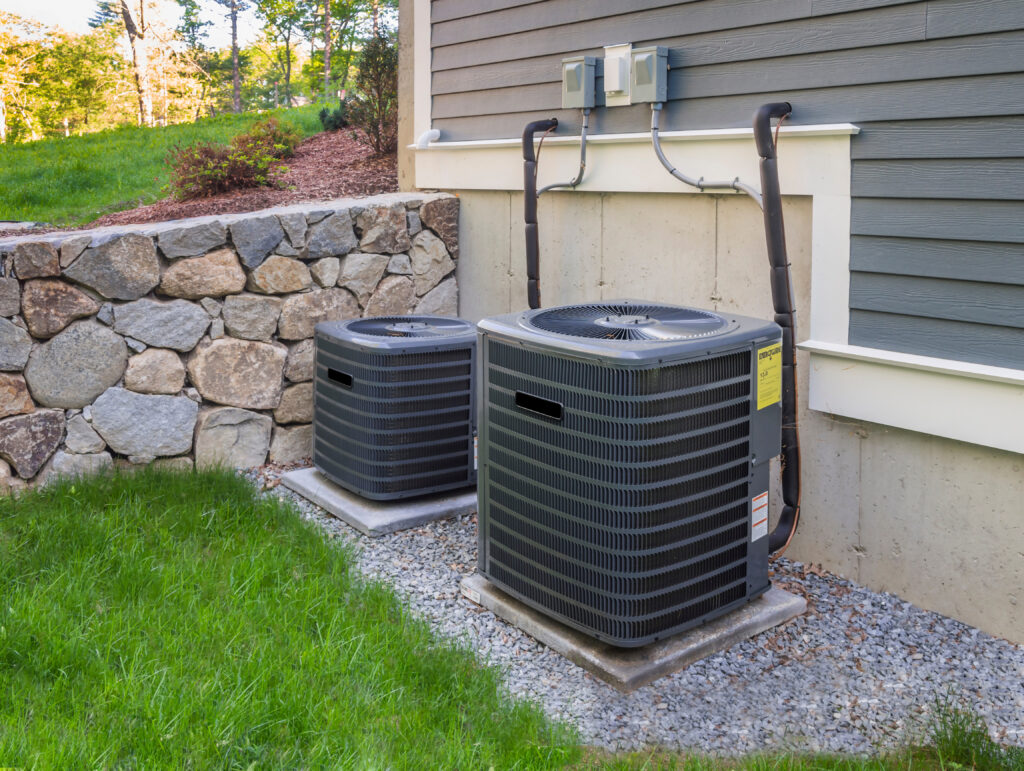
- Air conditioner or heat pump: manages cooling and, in the case of heat pumps, can also handle heating
- Ductwork: the network of channels through which conditioned air travels
- Thermostat: controls temperature settings and system cycles
- Air filter: traps particles before air circulates through the system
- Evaporator and condenser coils: facilitate the heat exchange process in cooling cycles
- Refrigerant lines: carry refrigerant between the indoor and outdoor units
- Blower motor: pushes air through the ductwork and into living spaces
Each of these components can wear down, malfunction, or fail over time, which is why regular maintenance and a reliable protection plan are so important for long-term homeownership.
Key Advantages of a Well-Maintained HVAC System
When your HVAC system is running the way it should, the benefits are tangible and immediate. Energy efficiency tends to improve significantly when filters are clean, coils are free of buildup, and refrigerant levels are correct. That translates directly into lower monthly utility bills. Indoor air quality also improves, which matters more than people realize, especially for households with allergy sufferers, pets, or young children. A properly functioning system also extends the lifespan of the equipment itself, which is meaningful given how expensive HVAC replacement can be. Beyond the practical advantages, there is also just the basic comfort factor — a home that holds its temperature evenly, without hot or cold spots, simply feels better to live in day to day.

Common HVAC Problems Homeowners Encounter
Even a well-maintained HVAC system will run into issues eventually. Some problems are minor and easy to address, while others can signal deeper mechanical failures that require professional attention. Knowing the difference saves time, money, and a lot of frustration. Clogged air filters are among the most frequent and easily preventable issues — they restrict airflow and force the system to work harder than it should. Refrigerant leaks are more serious and require a certified technician to diagnose and repair. Blower motor failures, faulty thermostats, frozen evaporator coils, and cracked heat exchangers all appear regularly in HVAC service calls. Ductwork leaks are another common culprit, often responsible for uneven temperatures throughout the home and significant energy waste. The older the system, the more frequently these issues tend to surface.
How to Keep Your HVAC System Running Longer
Routine maintenance is the single most effective thing a homeowner can do to extend the life of their HVAC system. It does not have to be complicated, and a lot of it can be handled without calling a professional. Changing the air filter every one to three months depending on usage and household conditions is essential. Keeping the outdoor condenser unit clear of debris, leaves, and overgrown vegetation allows for proper airflow. Scheduling a professional tune-up once or twice a year — ideally in spring before cooling season and in fall before heating season — keeps components calibrated and catches small issues before they escalate. Checking that vents inside the home are open and unobstructed also improves airflow distribution. These habits collectively reduce wear on the system and prevent the kind of breakdowns that always seem to happen at the worst possible time.
Understanding HVAC System Lifespan and Replacement Timelines
Most HVAC systems are designed to last between 15 and 25 years, depending on the type of equipment, how well it has been maintained, and the climate where the home is located. Furnaces tend to land on the longer end of that range. Central air conditioners and heat pumps typically fall somewhere in the middle. When a system starts approaching the end of its expected lifespan, repair costs often begin climbing faster than they used to, and efficiency tends to drop noticeably. At that point, homeowners face a real decision about whether continued repairs make financial sense or whether a replacement investment is the smarter long-term move. Energy-efficient modern systems can qualify for tax credits and rebates in some cases, which can offset a portion of the upfront cost.
HVAC and Indoor Air Quality: A Connection Worth Taking Seriously
There is a dimension of HVAC performance that does not always get enough attention, and that is its direct connection to the air quality inside your home. The average person spends a significant portion of their time indoors, and the air circulating through your home passes through your HVAC system repeatedly throughout the day. A system with a dirty filter, mold growth in the ductwork, or a malfunctioning ventilation component is not just inefficient — it is actively distributing compromised air throughout your living space. Upgrading to a higher-rated air filter, scheduling periodic duct cleaning, and ensuring proper humidity control through your system can make a meaningful difference. This is especially relevant in climates with high moisture levels, where mold and mildew can establish themselves inside ductwork relatively quickly if conditions are not managed properly.
Why Home Warranty Coverage for Your HVAC System Is Worth It
When your HVAC system fails unexpectedly, the costs can escalate quickly. A compressor replacement alone can run into the thousands. A full system replacement for a central air and heating setup can cost anywhere from five thousand to fifteen thousand dollars or more depending on the size of the home and the equipment selected. That kind of financial exposure is exactly what a home warranty is designed to address. For homeowners who want reliable protection against the unpredictable nature of mechanical failure, comprehensive home warranty coverage for HVAC systems and major appliances offers a straightforward way to manage those risks without draining a savings account. Rather than hoping the system holds together, you can approach each season with confidence knowing that if something breaks, you have a plan in place. If you are ready to stop leaving it to chance, get a personalized HVAC home warranty quote and see what your coverage options look like — it takes only a minute and the clarity it provides is worth every second.

Frequently Asked Questions About HVAC Systems
These are some of the most common questions homeowners ask when trying to better understand their HVAC system, its upkeep, and the protection options available to them.
How often should I have my HVAC system professionally serviced?
Most HVAC professionals recommend scheduling a tune-up twice a year — once in the spring to prepare the cooling system for summer and once in the fall to prepare the heating system for winter. Annual servicing at minimum is strongly advised.
How do I know if my HVAC system needs to be replaced rather than repaired?
If your system is more than 15 years old, requiring increasingly frequent repairs, or producing noticeably higher energy bills despite normal usage, replacement is likely the more cost-effective choice over the long term.
What is the most common reason an HVAC system stops working?
A clogged or dirty air filter is the most frequent cause of HVAC performance issues. It restricts airflow, causes the system to overheat, and can trigger automatic shutdowns. Replacing the filter regularly prevents the majority of these incidents.
Can a home warranty cover HVAC repair and replacement costs?
Yes. Many home warranty plans specifically include HVAC system coverage, which can cover the cost of repairs to components like the compressor, blower motor, and refrigerant lines, as well as full system replacement in qualifying situations.
What does SEER rating mean and why does it matter?
SEER stands for Seasonal Energy Efficiency Ratio and measures how efficiently an air conditioner or heat pump operates over a cooling season. A higher SEER rating means greater efficiency and lower operating costs over time.
Why is one room in my home always warmer or cooler than the others?
Uneven temperatures throughout a home are often caused by ductwork leaks, blocked vents, poor insulation, or an HVAC system that is improperly sized for the home. A professional diagnostic evaluation can identify the specific cause.
How long does an HVAC system typically last?
Most central HVAC systems last between 15 and 25 years depending on the equipment type, maintenance history, and climate. Heat pumps generally fall in the 15 to 20 year range, while furnaces can sometimes last longer with proper care.
What refrigerant does my air conditioner use and does it matter?
Older systems often used R-22 refrigerant, which has been phased out due to environmental regulations. Newer systems use R-410A or newer alternatives. If your system uses R-22, refrigerant costs are significantly higher and replacement may be more practical.
Is it normal for my HVAC system to run continuously on very hot or cold days?
Extended run times during extreme weather are normal to some degree, as the system works harder to maintain the set temperature. However, if it runs continuously without ever reaching the target temperature, there may be an underlying issue worth investigating.
What can I do right now to improve my HVAC system’s performance without calling a technician?
Replace the air filter if it has not been changed recently, clear any debris from around the outdoor unit, ensure all interior vents are open and unobstructed, and verify that your thermostat settings are correctly programmed for your schedule.