Understanding the Importance of an HVAC Tune-Up: What Every Homeowner Should Know
Your home’s HVAC system—the combined heating, ventilation, and air conditioning unit—does far more than just keep you comfortable. It affects indoor air quality, energy consumption, long-term appliance wear, and even safety. Yet for many homeowners, it exists entirely in the background until something stops working. That’s why scheduling an HVAC tune-up is a quiet, yet essential part of responsible homeownership. A tune-up isn’t just a maintenance check; it’s preventive care, much like changing the oil in your car to keep it running smoothly. And when it comes to cost savings and protecting your home investment, the benefits are substantial.
What Is an HVAC Tune-Up?
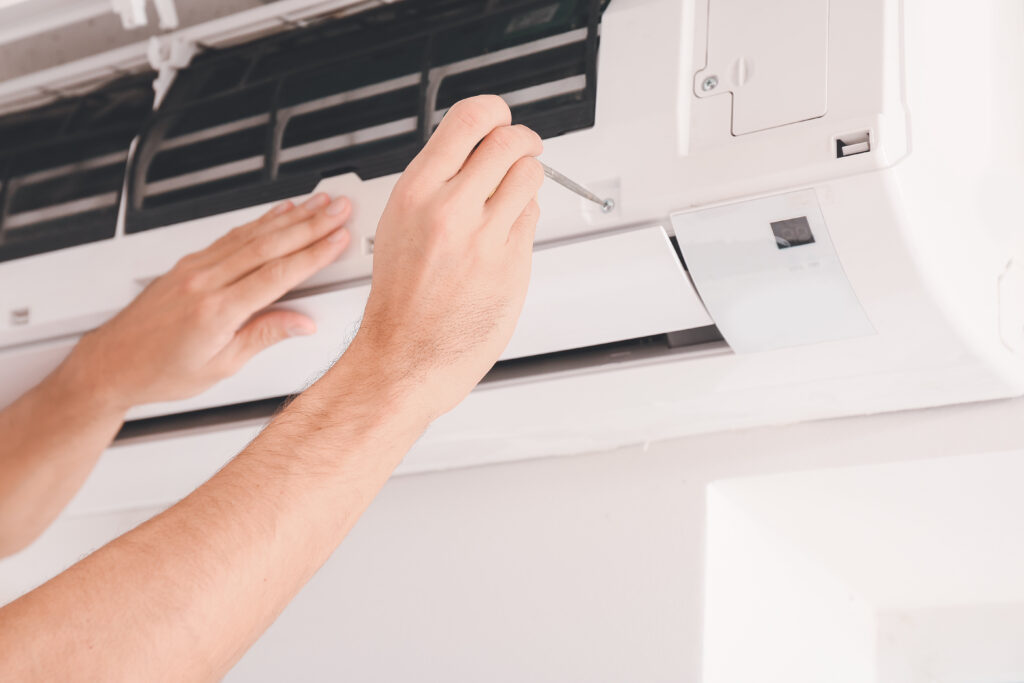
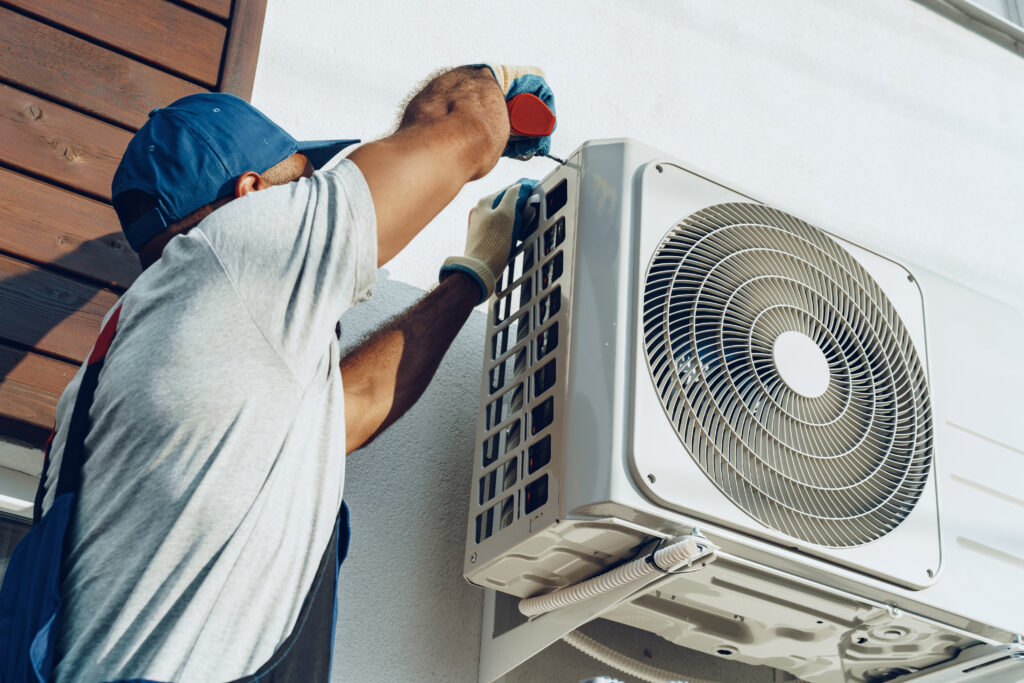
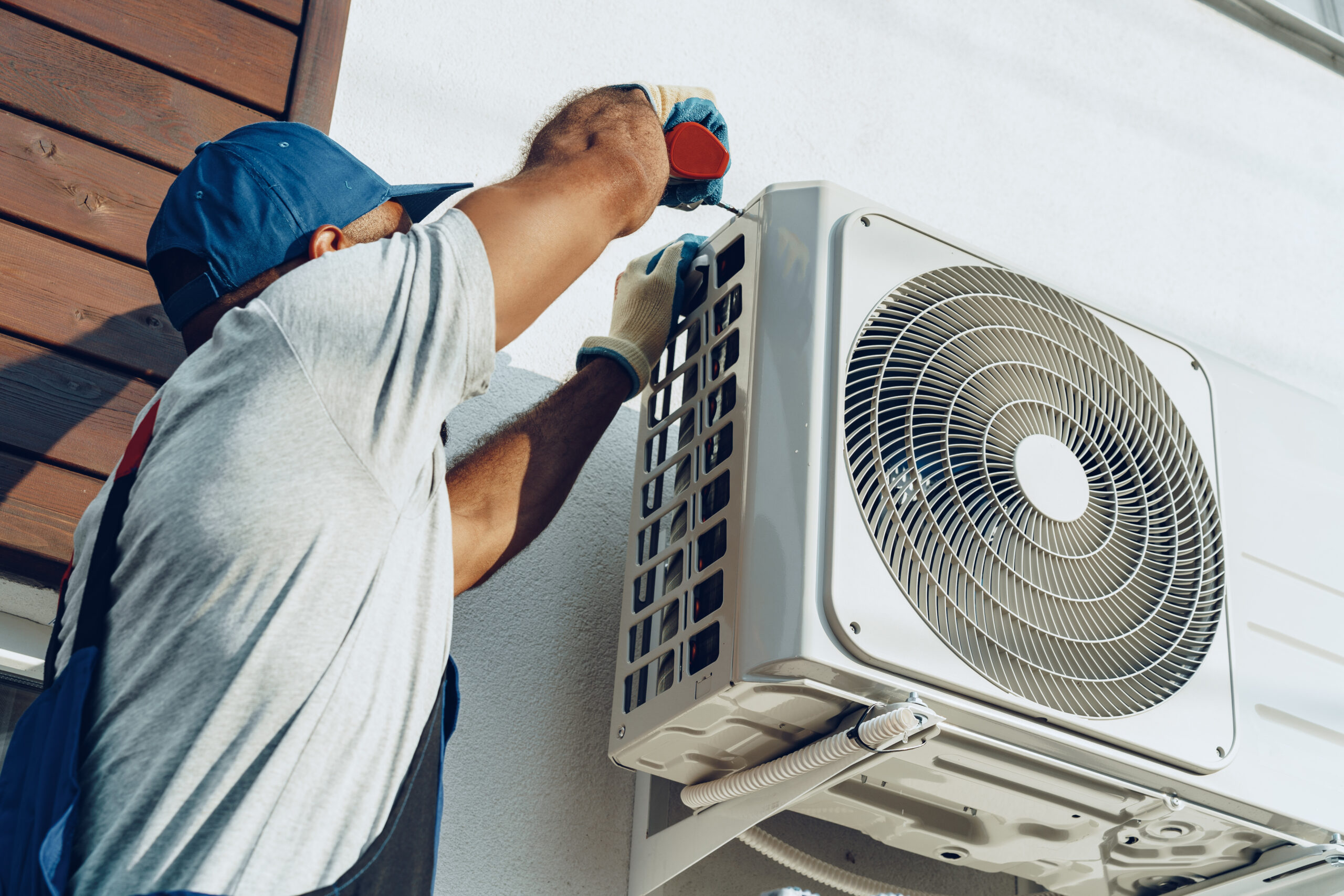
An HVAC tune-up is a scheduled inspection and service of your heating and cooling system. It’s typically performed by a licensed technician and includes a series of tasks to clean components, identify wear or damage, test system performance, and ensure efficient operation. These tune-ups are generally done once or twice a year—spring for air conditioning, fall for heating—before seasonal demand begins. The goal is to catch any issues that might lead to breakdowns or inefficiencies before they mushroom into major, costly problems.
How an HVAC System Works
An HVAC system has three core components: a heating unit (usually a furnace or heat pump), a cooling unit (typically a central air conditioner), and a ventilation system (ductwork and fans). When the thermostat signals a temperature change, the system begins pulling in air, either heating or cooling it, and then circulating it throughout the home. The cycle repeats continuously to maintain a consistent indoor environment. This operation relies on many parts—filters, coils, blowers, burners, refrigerant lines, thermostatic sensors—and if any of these fail or drop in performance, the system struggles to deliver comfort efficiently.
Benefits of Regular HVAC Tune-Ups
The advantages of regular HVAC maintenance are layered, influencing everything from monthly utility costs to system lifespan. First, tune-ups ensure optimal efficiency. Dirty or obstructed components make the system work harder, inflating energy bills. Next, they enhance system longevity. Preventive maintenance lowers the risk of premature part failure, delaying expensive replacements. Tune-ups also improve indoor air quality; clean filters and coils reduce dust, allergens, and moisture buildup. Finally, tune-ups preserve safety. Technicians inspect gas connections, carbon monoxide levels, and electrical wiring, minimizing the risk of combustion or electrical hazards—and keeping your family safer throughout the year.
Common Issues That Tune-Ups Help Prevent
Left unchecked, minor HVAC problems can become major emergencies. Dirty condenser coils or clogged filters restrict airflow, forcing the motor to work overtime and risking burnout. Refrigerant leaks can reduce cooling efficiency and damage the compressor. Failing thermostats misread indoor temperatures, cycling the system more than necessary and wasting energy. Electrical shorts and loose wiring can trigger full failures or even pose fire risks. And during the heating season, without proper combustion checks, carbon monoxide leaks could remain undetected. Routine tune-ups catch these issues early when they’re most manageable and least expensive to resolve.
What Happens During an HVAC Tune-Up?
A standard tune-up follows a checklist that may vary slightly by provider, but it typically includes several key tasks. Technicians inspect and calibrate the thermostat, clean or replace air filters, examine compressors and blower components, test system controls, lubricate moving parts, check refrigerant levels, and clear condensate drains. They’ll inspect heat exchangers in furnaces, clean evaporator and condenser coils, test electrical components for signs of wear, and verify overall system airflow and cycling operation. For gas heating systems, they’ll also examine the flue system, gas pressure, and ignition sequence. It’s a detailed, multi-step process that restores the system to peak condition.
Drawbacks and Limitations of Tune-Ups
While HVAC tune-ups are crucial, they’re not a magic fix for all system problems, nor are they an alternative to major repairs. A tune-up doesn’t eliminate the chance of mid-season issues, especially if parts are nearing end of life or if a system is already underperforming due to age. Cost is another consideration; although relatively inexpensive compared to repairs, tune-ups are still an out-of-pocket service unless covered by a warranty or maintenance plan. Finally, the benefit of the tune-up hinges on technician expertise—working with inexperienced contractors can result in missed problems or incomplete servicing. Choosing licensed, reputable professionals is key.
How Tune-Ups Align with Your Home Warranty
Home warranties are designed to cover repair or replacement costs of essential home systems and appliances due to normal wear and tear—but they don’t typically cover breakdowns caused by neglect. That’s why regular HVAC maintenance, including tune-ups, is a critical requirement in most home warranty contracts. Skipping it could invalidate your warranty claims, especially if a preventable issue results in a system failure. Think of tune-ups as not only preventive care but also as a compliance step to maintain home warranty eligibility. It’s a small investment that ensures you remain protected under your coverage when something does go wrong.
Protect Your HVAC System with Armadillo
At Armadillo, we understand that maintaining your HVAC system might not be the most exciting task on your to-do list. But it’s essential—and with a home warranty plan from Armadillo, you’ll be better prepared when that next HVAC issue arises. Our protection plans support well-maintained systems and help you manage unexpected repairs and costs with less stress and more confidence. With the right partner beside you, managing your home’s vital systems becomes simpler, smarter, and less disruptive. Learn more about our customizable coverage at armadillo.one, or start building your protection plan today at our plan builder.