What Is an HVAC Tune-Up and Why Does Your Home Need One?
If your HVAC system is quietly running in the background of your life — heating in winter, cooling in summer, never really complaining — it might be easy to assume everything is fine. That assumption can get expensive. An HVAC tune-up is a scheduled, professional inspection and maintenance service that keeps your heating and cooling system operating at peak efficiency. Think of it the same way you think about an oil change for your car. You do not wait until the engine seizes. You stay ahead of it. A tune-up covers everything from checking refrigerant levels and cleaning coils to inspecting electrical connections and testing thermostat calibration. It is not glamorous work, but it is exactly the kind of preventive care that separates a well-maintained home from a reactive, expensive one.
How an HVAC Tune-Up Actually Works
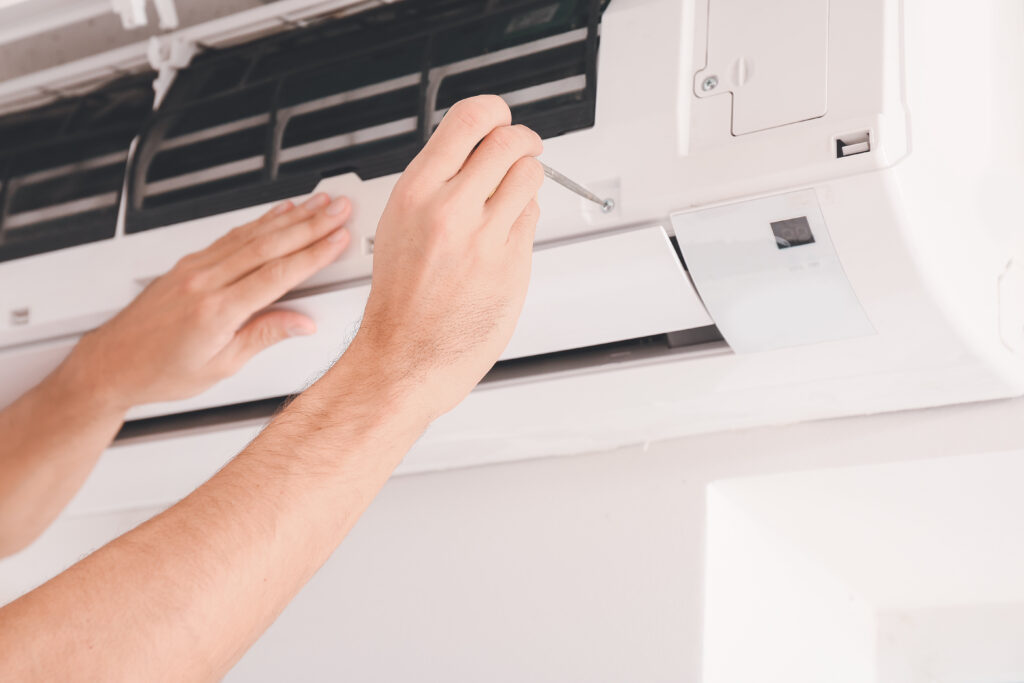
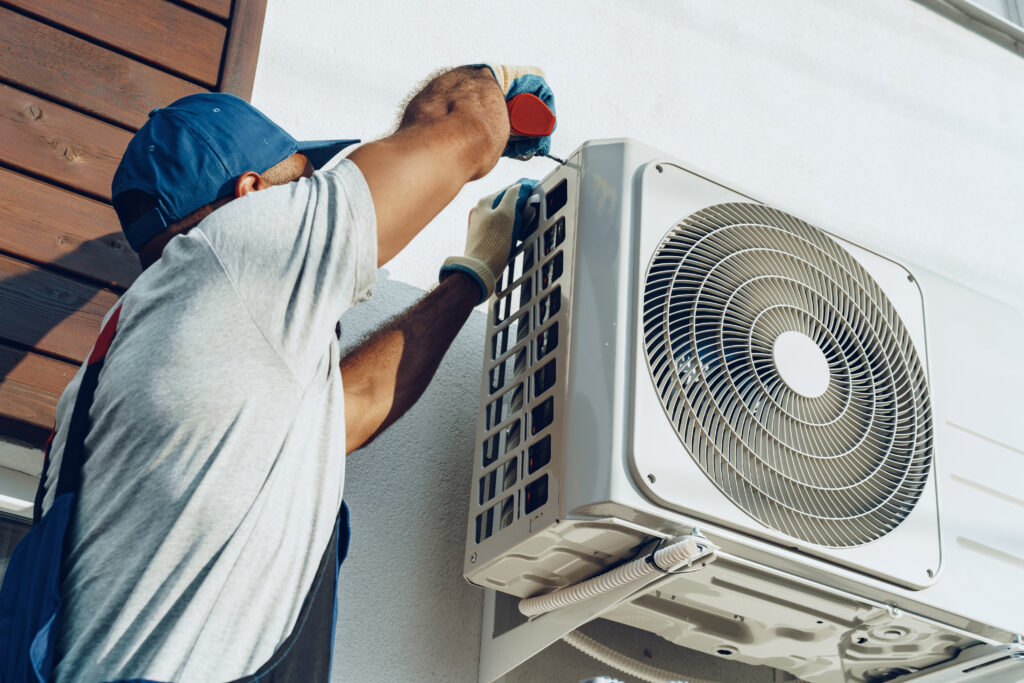
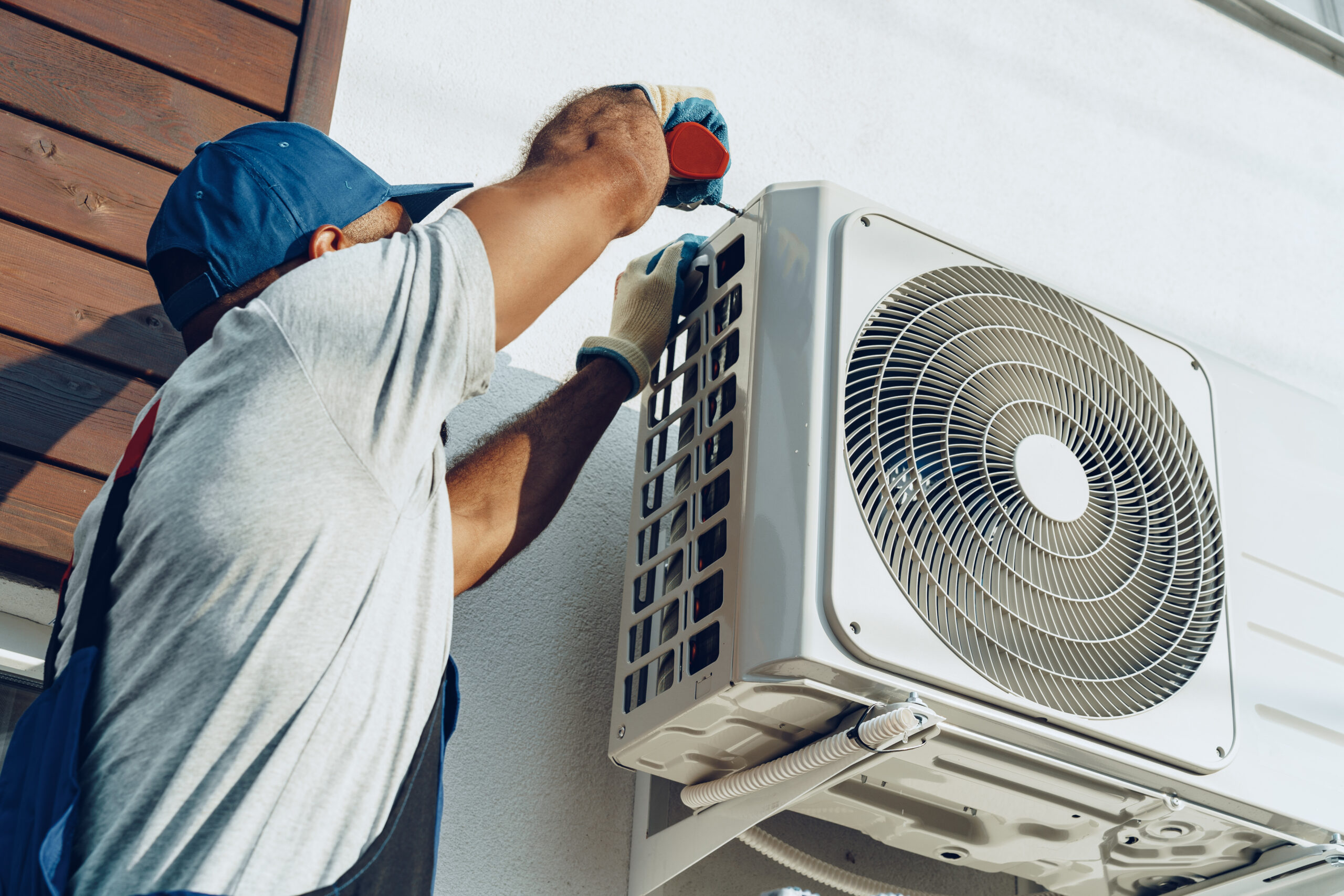
During a professional HVAC tune-up, a certified technician runs through a detailed checklist that covers both the heating and cooling sides of your system. On the cooling side, that typically includes checking refrigerant charge, inspecting the evaporator and condenser coils, clearing the condensate drain line, and measuring airflow. On the heating side, a technician will inspect the heat exchanger, test ignition components, check gas pressure if applicable, and verify that the burners are clean and operating correctly. Beyond those system-specific tasks, the technician also checks electrical components, tightens any loose connections, lubricates moving parts, and tests the thermostat to confirm it is reading and responding accurately. From start to finish, a thorough tune-up usually takes between one and two hours depending on the age and complexity of your system.
The HVAC Tune-Up Checklist: What Gets Inspected
It helps to know what is actually on that checklist so you can have an informed conversation with your technician and know what to expect. A comprehensive HVAC tune-up typically covers the following areas:
- Air filter inspection and replacement if needed
- Thermostat calibration and functionality test
- Condenser and evaporator coil cleaning
- Condensate drain line clearing and treatment
- Refrigerant level check and leak inspection
- Electrical connections tightening and component testing
- Blower motor and belt inspection and lubrication
- Heat exchanger inspection for cracks or damage
- Burner cleaning and ignition system test
- Flue and venting inspection for blockages or corrosion
- Overall system cycling test to verify heating and cooling operation
This level of detail matters. A technician who skips half of these steps is not doing a tune-up — they are doing a visual once-over. Make sure you know what is included before scheduling any service.
Key Advantages of Scheduling Regular HVAC Maintenance
The benefits of a routine HVAC tune-up are both immediate and long-term. On the immediate side, a well-tuned system runs more efficiently, which translates directly into lower monthly energy bills. Studies consistently show that a poorly maintained HVAC system can lose up to 25 percent of its efficiency over time. That adds up fast. Beyond the energy savings, a tune-up surfaces small problems before they become large failures. A frayed belt, a weak capacitor, a slightly clogged drain line — these are inexpensive fixes when caught early and genuinely costly when they escalate into component failures or water damage. Consistent maintenance also extends equipment lifespan. The average HVAC system lasts 15 to 20 years with proper care. Neglect that care and you are looking at a premature replacement that can cost anywhere from $5,000 to $12,000 or more depending on your home size and system type.

Common Drawbacks and Honest Limitations to Consider
A tune-up is not a cure-all, and it is worth being realistic about what it can and cannot do. If your system is already aging or has a significant mechanical issue, a tune-up is still valuable but it may also surface problems that require more substantial repair work. Some homeowners are surprised when a maintenance visit turns into a repair estimate — that is not a scam, that is the process working correctly. Another limitation worth noting is that tune-ups do not prevent all breakdowns. Components fail unpredictably sometimes, and no amount of preventive maintenance eliminates that risk entirely. What it does do is reduce the frequency and severity of those failures. It is also worth noting that the quality of tune-up services varies widely between providers. Cheaply priced tune-up offers from some companies are essentially loss-leaders designed to upsell unnecessary services. Vet your technician and read reviews before scheduling.
How Often Should You Schedule an HVAC Tune-Up?
The general industry recommendation is twice per year — once in the spring to prepare your air conditioning system for the cooling season, and once in the fall to get your heating system ready for winter. This schedule makes practical sense because it aligns service with seasonal demand. You do not want to discover your AC has a refrigerant leak on the first 95-degree day of summer, and you do not want to find out your furnace igniter has failed when the temperature drops overnight in November. If your system is older or has a history of issues, more frequent check-ins may be warranted. And if your home has particularly high usage — running the system nearly year-round, for instance — sticking to that biannual schedule is especially important.
DIY Maintenance Tasks You Can Do Between Professional Visits
Professional tune-ups handle the technical work, but there are several maintenance steps a homeowner can and should take on their own throughout the year. Changing your air filter every one to three months is the single highest-impact thing you can do. A clogged filter restricts airflow, reduces efficiency, and puts unnecessary strain on the blower motor. Beyond that, keep the area around your outdoor condenser unit clear of debris, vegetation, and obstructions. Check your condensate drain pan periodically and look for standing water, which could indicate a clog. Keep supply and return vents unblocked by furniture or rugs. And pay attention to how your system sounds and performs — unusual noises, inconsistent temperatures, or unexplained spikes in your energy bill are all signals worth investigating sooner rather than later.
HVAC Tune-Ups and Home Warranty Coverage: What You Need to Know
This is a topic that trips up a lot of homeowners. A home warranty is not the same as a maintenance plan, and understanding that distinction matters. Home warranties are designed to cover the repair or replacement of systems and appliances that break down due to normal wear and tear. What they typically do not cover is routine maintenance — things like filter changes, coil cleanings, or refrigerant top-offs. That is your responsibility as the homeowner. Here is why this matters practically: if your HVAC system breaks down and you file a home warranty claim, one of the first things a warranty provider may look at is whether the system was reasonably maintained. Lack of maintenance can be cited as a contributing factor in a claim denial. Staying current on tune-ups is not just good for your system — it is good for your warranty coverage too.
Why Armadillo Is Worth a Serious Look for HVAC Protection
When your HVAC system breaks down — not if, when — having a home warranty in place can be the difference between a manageable repair bill and a financial disruption you were not prepared for. HVAC systems are among the most expensive components in any home, and they are among the most common sources of home warranty claims. Armadillo was built specifically for situations like this. With straightforward coverage, transparent terms, and a claims process that does not feel like navigating a bureaucratic maze, it is the kind of protection that actually works when you need it. If you want to understand what comprehensive home protection really looks like, explore Armadillo’s HVAC and home systems coverage options to see how it aligns with your home’s specific needs. And if you are ready to stop wondering and start knowing what you are covered for, you can get a personalized home warranty quote for your HVAC system in just a few minutes. Pair that coverage with a consistent tune-up schedule and you have built a genuinely solid foundation for protecting one of your most valuable assets.

Frequently Asked Questions About HVAC Tune-Ups
Here are answers to some of the most common questions homeowners ask about HVAC tune-ups, maintenance schedules, and how it all connects to home protection.
How long does an HVAC tune-up typically take?
Most professional HVAC tune-ups take between one and two hours. Older systems or those with multiple components, such as a combined heating and cooling setup, may take longer to service thoroughly.
What is the average cost of an HVAC tune-up?
Costs typically range from $75 to $200 per visit depending on your location, the provider, and what the service includes. Bundled maintenance plans that cover both heating and cooling visits can sometimes reduce the per-visit cost.
Can I skip a tune-up if my system seems to be working fine?
It is not recommended. Many HVAC issues develop gradually and are not obvious until they cause a breakdown. A tune-up is designed to catch those problems before they reach that point, regardless of how well the system appears to be running.
Does a home warranty cover HVAC tune-ups?
Generally, no. Home warranties cover repair and replacement of systems that fail due to normal wear and tear. Routine maintenance, including tune-ups, is the homeowner’s responsibility and is not typically included in warranty coverage.
What happens if I neglect HVAC maintenance and then file a warranty claim?
A lack of documented maintenance can be used as grounds for a claim denial. Home warranty providers may investigate whether the failure was caused or worsened by neglect. Keeping records of your tune-ups helps protect your claim eligibility.
Is spring or fall the better time to schedule a tune-up?
Both are important for different reasons. Spring tune-ups prepare your air conditioning system before peak cooling demand. Fall tune-ups get your heating system ready before cold weather arrives. Scheduling both is the recommended approach.
What is the difference between an HVAC tune-up and an HVAC inspection?
An inspection is primarily observational — a technician identifies what they see. A tune-up is both diagnostic and hands-on, involving cleaning, adjusting, lubricating, and testing components. Tune-ups are generally more comprehensive and more valuable for preventive maintenance.
How does a dirty air filter affect my HVAC system?
A clogged air filter restricts airflow through the system, forcing the blower motor to work harder. This reduces efficiency, increases energy consumption, and accelerates wear on internal components. Replacing filters regularly is one of the easiest and most impactful maintenance tasks a homeowner can perform.
Will a tune-up improve my energy bills?
Yes, in most cases. A properly tuned system operates more efficiently, which means it uses less energy to achieve the same level of heating or cooling. Homeowners with older or poorly maintained systems often see the most noticeable improvement after a professional service.
At what age should I consider replacing my HVAC system rather than continuing to maintain it?
Most HVAC systems have a functional lifespan of 15 to 20 years with proper maintenance. If your system is over 15 years old, requires frequent repairs, and is no longer operating efficiently, replacement is often the more economical long-term decision compared to ongoing repairs and rising energy costs.