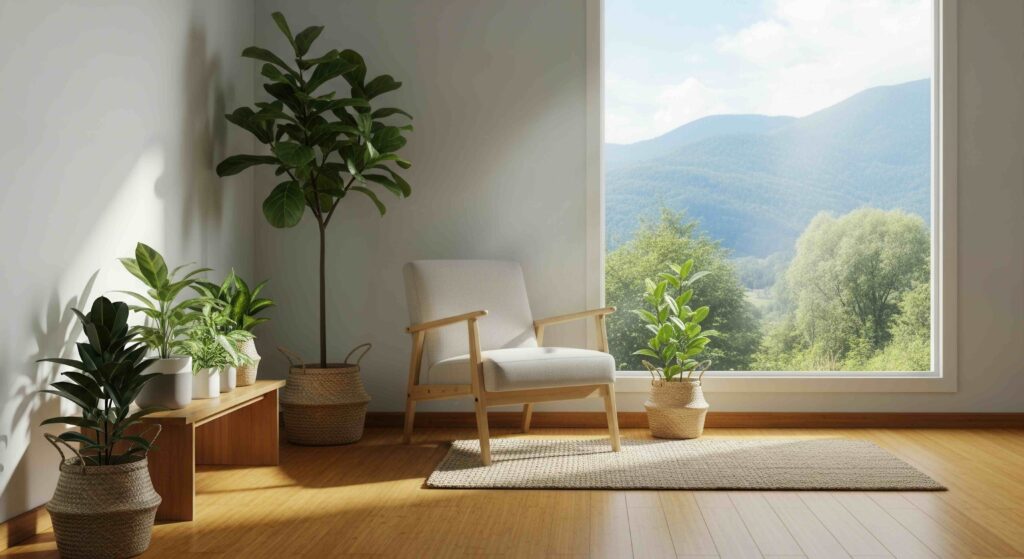
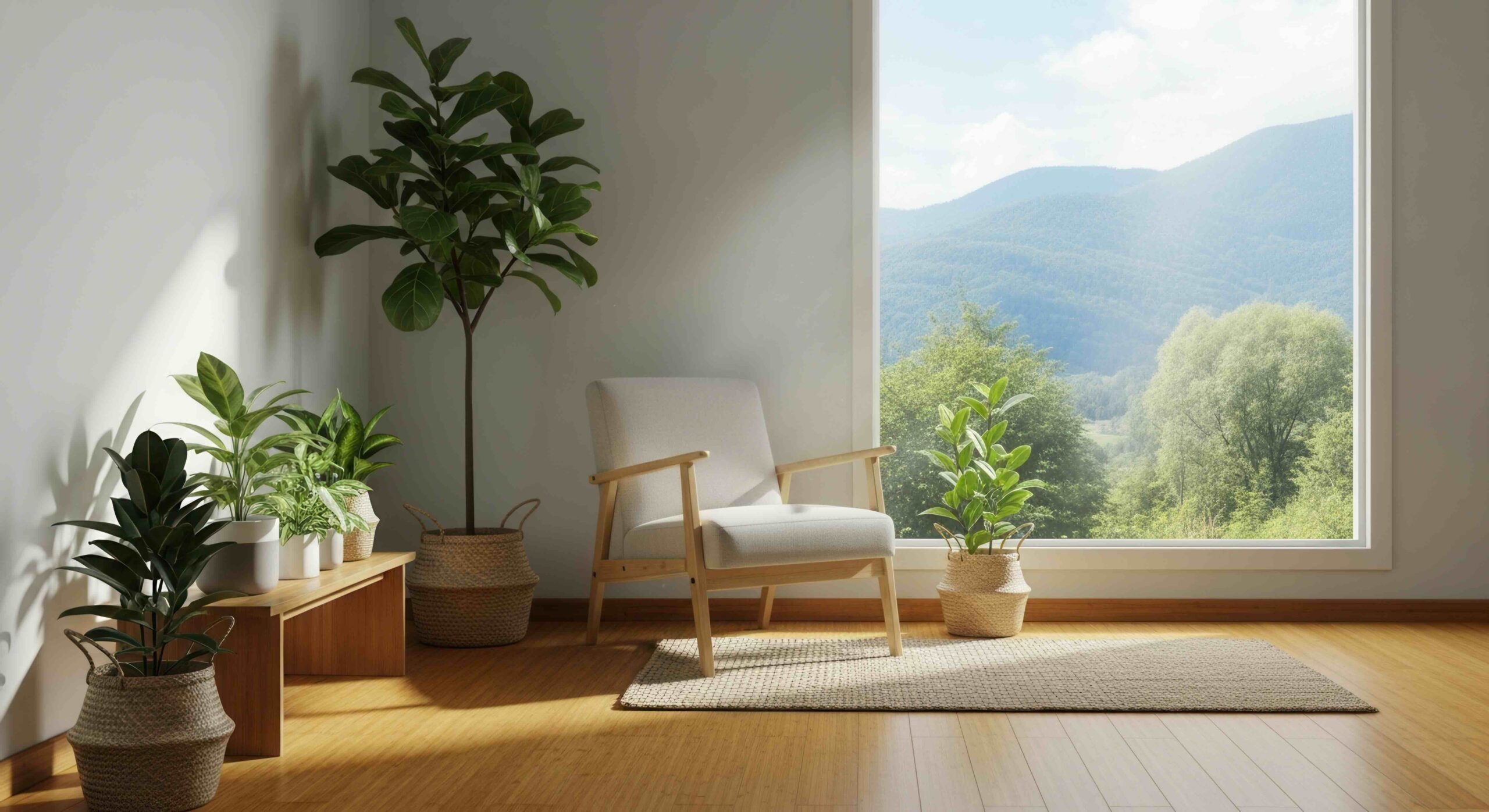
Bringing Nature Indoors: A Comprehensive Guide to Indoor Trees for Your Living Room
Transforming your living space into a lush oasis with indoor trees is not just a growing trend but an enriching lifestyle choice. Indoor trees serve as magnificent centerpieces within living rooms, adding life, elegance, and tranquility to your home environment. Why settle for drab when you can invite the outdoors in? In this comprehensive guide, we’ll delve into what indoor trees are, how they work their green magic, their key benefits, possible drawbacks, and tips for choosing the best indoor tree for your living room. So, whether you’re a seasoned plant enthusiast or a curious newcomer, this article will equip you with the knowledge you need to make a verdant addition to your home.
Understanding Indoor Trees
Indoor trees are essentially scaled-down versions of larger trees that are suitable for indoor environments. Unlike your standard potted plant, these trees can grow several feet tall, with some species reaching up to ten feet or more! Indoor trees offer aesthetic beauty and a serene atmosphere, making them ideal for living rooms. They come in various species, each requiring different levels of care, such as water, sunlight, and humidity. Some popular choices include the Fiddle Leaf Fig, Rubber Tree, and the Kentia Palm. But how do they work their magic indoors? Simple—through photosynthesis. They absorb carbon dioxide and release oxygen, refreshing the air while adding a touch of nature to your living space.
The Charm of Indoor Trees
What makes indoor trees so appealing? Beyond their obvious beauty, these green giants bring numerous benefits to your living room. Firstly, they improve air quality by filtering out pollutants and toxins, creating a healthier living environment. Secondly, indoor trees can increase humidity, which is especially beneficial during dry winter months. Furthermore, studies have shown that being around greenery can reduce stress and promote relaxation, making your living room a sanctuary of calm amidst daily chaos. The visual impact is undeniable, as indoor trees can transform any space, adding structure, depth, and a pop of color. Plus, they are a testament to your plant-care abilities, a living reflection of dedication that captivates guests.
Navigating the Challenges
While the numerous benefits make indoor trees a great addition, it’s essential to consider potential drawbacks. One of the most common challenges is maintenance. Indoor trees require consistent care, including watering, pruning, and ensuring they receive enough light. Additionally, some species may not thrive in certain environments due to humidity or temperature constraints. Pests can also be a concern, as they might inflict damage on your trees if not promptly addressed. Moreover, the rapid growth of certain trees can mean they soon outgrow their allotted space, requiring re-potting or rearrangement within your living area. However, with the right choice of species and routine care, these challenges can be effectively managed.
Choosing the Right Tree for Your Living Room
Selecting the right indoor tree involves considering factors such as available light, space, and your ability to maintain the plant. If your living room is bathed in sunlight, opt for species like Olive Trees or Fiddle Leaf Figs, which thrive in bright conditions. Conversely, for low-light settings, the adaptable Snake Plant or Peace Lily may be more suitable. Think about the eventual size of the tree as well; a Rubber Tree can become quite large and may not be ideal for smaller spaces. Consider your commitment level too—some trees require regular misting or specific watering schedules to thrive. Ultimately, the perfect indoor tree is one that fits harmoniously with your lifestyle and living space.
Maintaining Your Indoor Tree
Successfully caring for an indoor tree involves several keystones of maintenance. Foremost is understanding the water requirements of your specific tree, as overwatering is a common mistake leading to root rot. Next, assess the amount of light your living room can provide and position your tree accordingly. Regular pruning is necessary to maintain the tree’s shape and size while promoting healthy growth. Fertilization is another critical aspect—choose a fertilizer that matches your tree’s needs and apply it during the growing season. Monitor your tree for pests or diseases and address any issues immediately. Consistent care fosters a thriving indoor tree that stands as a testament to your dedication.
Indoor Trees and Your Home Warranty: A Seamless Fit
Indoor trees not only enhance aesthetics but can be integrated seamlessly alongside home systems covered by your home warranty. What’s fascinating is how these green residents complement the warranties you have on essential home appliances and systems. Just as your home warranty provides peace of mind against the unexpected breakdown of appliances, similarly, selecting the right indoor tree, attending to its care, and understanding its needs, ensures longevity and vitality. And speaking of reliability and coverage, ensuring your home systems are protected has never been easier. Consider utilizing a comprehensive home warranty like Armadillo, which covers not just the essentials but extends support to create a harmonious home environment. Explore more on their homepage or start your seamless journey with building a plan that fits your home needs at Armadillo’s plan builder.