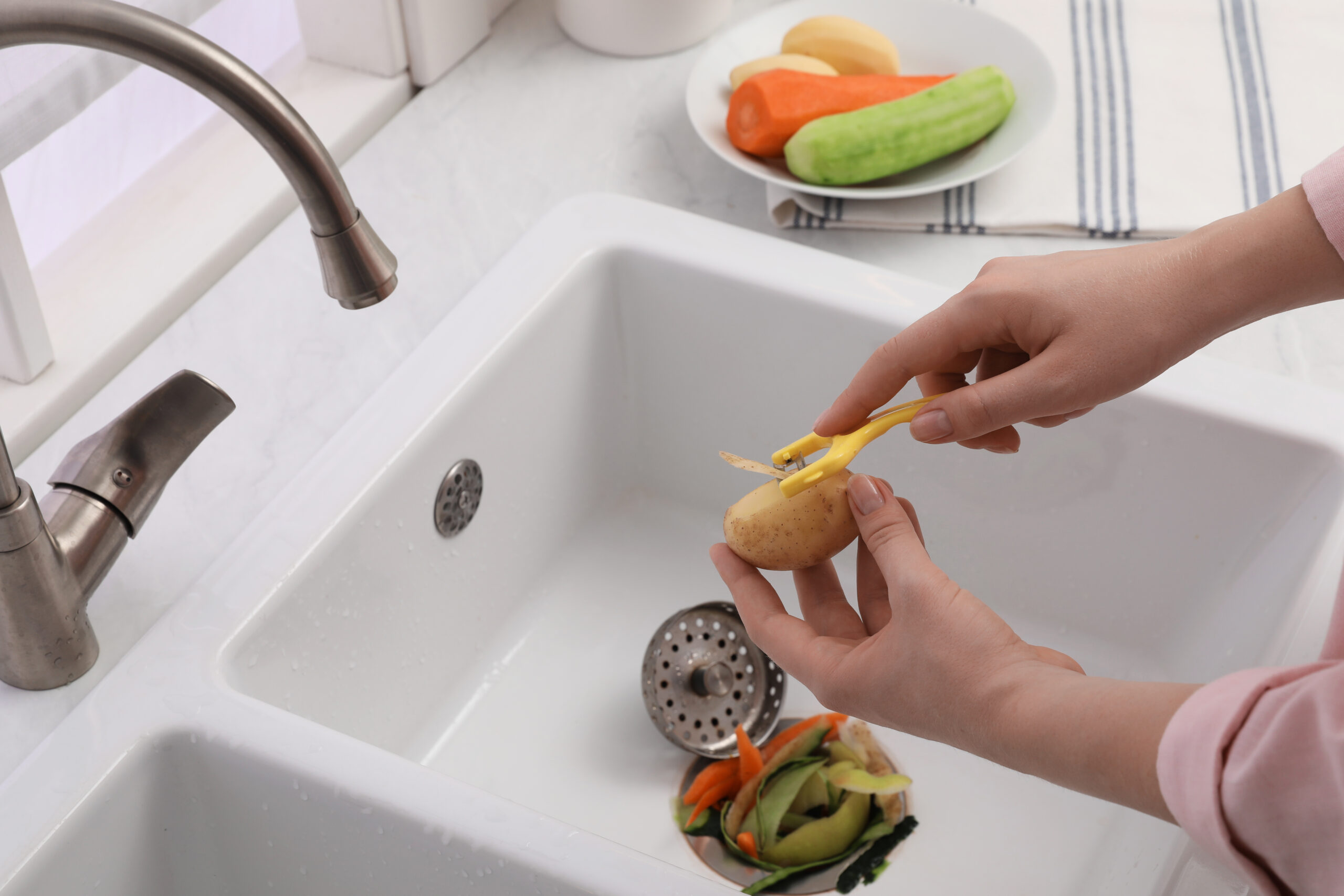
Is a Garbage Disposal Actually Necessary? What Homeowners Need to Know
If you have ever stood at the kitchen sink after dinner, scraping plate scraps into the drain and wondering whether your garbage disposal is doing anything useful, you are not alone. It is one of those appliances that most people inherit when they buy a home and never really question. But when it breaks down, suddenly everyone has opinions. Is it worth repairing? Is it even necessary in the first place? And here is the part that catches a lot of homeowners off guard — is it covered under a home warranty? These are fair questions, and the answers matter more than most people realize.
What Is a Garbage Disposal and How Does It Work
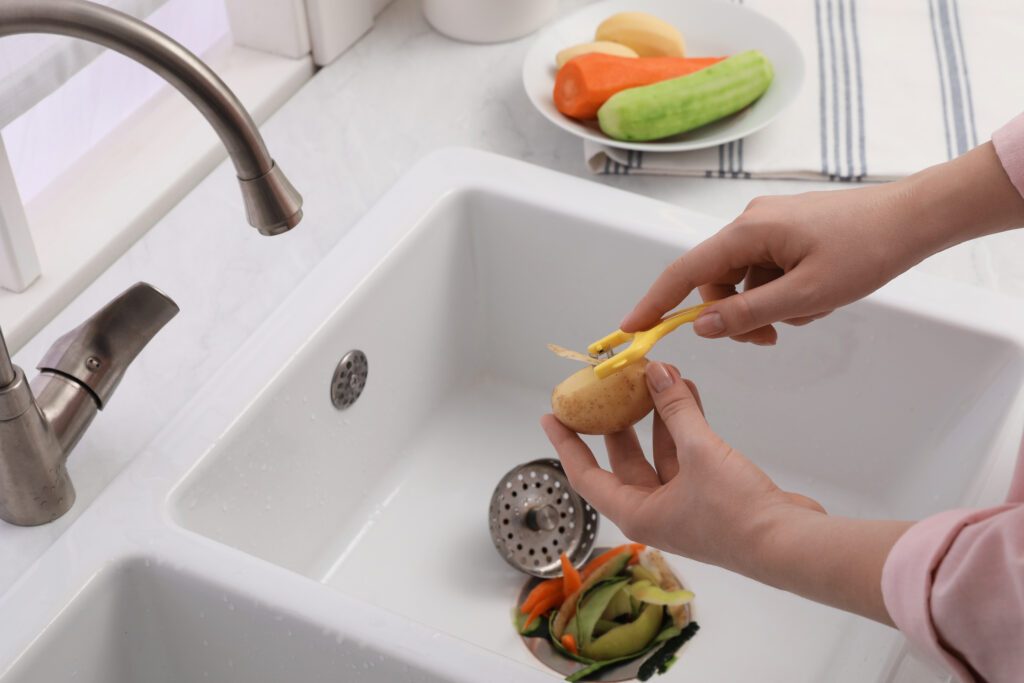
A garbage disposal is an electrically powered unit installed beneath the kitchen sink, between the drain and the drainpipe. When activated, it uses a spinning plate and impellers to grind food waste into small particles fine enough to pass through your plumbing system and into the municipal sewer or septic system. Most units run on a standard 120-volt outlet, and they are activated either by a wall switch or, in some models, by pressing down on the sink drain cover. The motor typically ranges from one-third to one full horsepower depending on the model. Higher horsepower units handle tougher food scraps and tend to last longer under heavy use. The mechanism itself is relatively simple, which is part of why it has remained such a common kitchen fixture for decades.
The Real Benefits of Having a Garbage Disposal
There are genuine reasons why garbage disposals have stayed popular in American kitchens. They are not just a convenience — for many households, they are a practical tool for managing daily kitchen waste. Here is what makes them worth considering:
- Reduces food waste in trash bins, which cuts down on odors and pests
- Makes kitchen cleanup faster and more efficient after meals
- Lowers the volume of organic waste sent to landfills in some scenarios
- Relatively low cost to operate given how frequently most households use them
- Compatible with most standard kitchen sink setups
That said, the environmental calculus is more complicated than it looks. In areas where wastewater treatment facilities can capture and process organic material effectively, disposals can actually contribute to energy recovery through biogas. In other areas, the added load on water treatment systems can offset those gains. Context matters here, and it is worth knowing what your local infrastructure looks like.
Common Drawbacks You Should Know Before Deciding
No appliance is without its trade-offs, and garbage disposals are no exception. One of the most common issues is misuse. People put the wrong things down the drain — grease, fibrous vegetables like celery, starchy foods like pasta or rice, and hard items like bones or fruit pits — and the disposal either jams or wears out prematurely. Beyond that, disposals do use water to flush waste through the system, which adds a small but consistent increase to your water usage. They also add mechanical complexity under your sink, which means there is one more thing that can break. And in older homes with narrower pipes or aging plumbing, disposals can contribute to clogs further down the line if not used carefully.

Is a Garbage Disposal Considered Necessary
Here is the honest answer: no, a garbage disposal is not strictly necessary. Plenty of homes function perfectly well without one. Many municipalities and regions with septic systems actually discourage or prohibit their use entirely. That said, for households with busy kitchens, young children, or high volumes of food prep, the convenience factor is real. Whether it is necessary depends on your household habits, your plumbing setup, and your local regulations. What it is, without question, is a valued appliance in millions of homes — and one that warrants proper maintenance and protection like anything else in your kitchen.
How Long Does a Garbage Disposal Last
Most garbage disposals have a lifespan of roughly ten to fifteen years with proper use and maintenance. Units that are frequently jammed, improperly loaded, or neglected tend to fall short of that range. Routine maintenance is straightforward — running cold water before, during, and after use, avoiding prohibited food items, and periodically cleaning the unit with ice cubes or disposal-safe cleaning tablets can meaningfully extend its life. When a disposal starts making unusual grinding or humming noises, trips the reset button repeatedly, or leaks at the connection points, those are signs that repair or replacement is likely on the horizon.
What It Costs to Repair or Replace a Garbage Disposal
Garbage disposal repairs are generally on the lower end of the appliance repair spectrum. A simple jam or reset issue might cost nothing beyond a few minutes of troubleshooting. Professional repairs for more involved issues typically range from fifty to one hundred fifty dollars depending on the nature of the problem and local labor rates. Replacement units themselves range from about seventy-five dollars for a basic model to three hundred or more for a heavy-duty unit with sound insulation and higher horsepower. Installation adds another seventy-five to two hundred dollars if you are hiring a plumber or handyman. Altogether, a full replacement with installation can run between one hundred fifty and five hundred dollars, which is exactly the kind of unexpected expense that catches homeowners off guard mid-month.
Is a Garbage Disposal Covered Under a Home Warranty
This is the question that genuinely surprises most homeowners. Yes — garbage disposals are covered under many home warranty plans, but the specifics vary by provider and plan tier. Some providers include garbage disposals as part of a standard kitchen appliance or built-in systems plan, while others list them as optional add-ons. Coverage typically applies to mechanical and electrical failures that occur under normal use conditions. Damage caused by misuse, improper installation, or items placed in the unit that should not be there is usually excluded. Reading the coverage details matters, because disposal coverage is one of those line items that often goes unnoticed until a homeowner actually needs it.
Tips for Getting the Most Out of Your Garbage Disposal
Whether you are protecting a relatively new unit or trying to squeeze more life out of an aging one, a few habits go a long way. Always run cold water when operating the disposal — cold water keeps fats solid so they grind and flush more cleanly. Never pour grease or cooking oils down the drain. Avoid fibrous, starchy, or hard food items. Run the disposal regularly even when you do not have much to grind, since this prevents rust and keeps components moving freely. And if the unit trips the reset button or starts to slow down, address it promptly rather than forcing it through repeated cycles. Small issues caught early rarely turn into expensive ones.
Why Armadillo Is the Right Home Warranty Partner for Protecting Your Kitchen Appliances
When something like a garbage disposal breaks down, the last thing you want is to navigate confusing warranty fine print or wait weeks for a resolution. That is where Armadillo home warranty coverage for kitchen appliances and built-in systems makes a genuine difference. Armadillo keeps things straightforward — clear plans, transparent coverage, and a process that does not feel like a negotiation every time you file a claim. Garbage disposals fall into that category of appliances that are easy to overlook until the moment they stop working, and having the right coverage in place before that happens is simply the smarter approach. If you want to know exactly what your home is covered for without sitting through a sales call, you can get a personalized home warranty quote that covers your garbage disposal and more in just a few minutes. Protecting the systems that make your home run smoothly should not be complicated — and with Armadillo, it is not.

Frequently Asked Questions About Garbage Disposals and Home Warranty Coverage
Is a garbage disposal required by building code in the United States?
No, garbage disposals are not universally required by building code. Some municipalities actually prohibit them, particularly in areas served by septic systems. Always check local regulations before installing one.
Does a home warranty automatically cover a garbage disposal?
It depends on the plan. Some home warranty providers include garbage disposals in standard coverage, while others treat them as optional add-ons. Review your specific plan details to confirm what is included.
What types of garbage disposal damage are typically excluded from home warranty coverage?
Most home warranties exclude damage caused by misuse, improper installation, or foreign objects placed in the unit. Coverage generally applies to mechanical and electrical failures that occur under normal operating conditions.
How often should a garbage disposal be replaced?
Most garbage disposals last between ten and fifteen years with proper care. If yours is frequently jamming, leaking, or making unusual noises, it may be approaching the end of its useful life.
Can a garbage disposal damage a septic system?
Yes, it can. Garbage disposals increase the volume of solid organic material entering a septic tank, which can disrupt the bacterial balance and require more frequent pumping. Many septic system professionals advise against using disposals with septic setups.
What should never be put in a garbage disposal?
Grease, cooking oils, fibrous vegetables like celery or artichokes, starchy foods like pasta or rice, fruit pits, bones, and coffee grounds should all be kept out of a garbage disposal to prevent jams and premature wear.
Is it worth repairing a garbage disposal or should it be replaced?
If the unit is less than five years old and the repair cost is modest, repair usually makes sense. If it is older than ten years or the repair cost approaches the price of a new unit, replacement is typically the better investment.
Does homeowners insurance cover garbage disposal failures?
Standard homeowners insurance generally does not cover mechanical failures of appliances like garbage disposals. That type of protection falls under a home warranty, which is designed specifically for system and appliance breakdowns.
How much does it cost to install a garbage disposal for the first time?
First-time installation typically costs between one hundred fifty and four hundred dollars, depending on whether new electrical wiring or plumbing modifications are needed. Replacing an existing unit is usually less expensive.
What is the most energy-efficient type of garbage disposal?
Continuous-feed disposals with higher motor efficiency ratings and sound insulation tend to perform well from an energy standpoint. Batch-feed models, which only operate when the drain cover is in place, can also reduce unnecessary run time and energy use.