Is an Induction Stove Right for Your Home? What Homeowners Need to Know
For homeowners seeking to update their kitchens with innovative, energy-efficient technology, the modern induction stove offers a compelling option. Popular among professional chefs and eco-conscious households alike, induction cooktops are gaining momentum for their precision, safety, and sleek design. But if you’re considering upgrading your traditional range or planning a full kitchen remodel, it’s important to understand exactly how induction technology works—and whether it’s the right fit for your cooking habits, energy goals, and long-term appliance care. In this guide, we’ll break down the induction stove system through a homeowner’s lens, highlighting how it functions, where it excels, where it presents drawbacks, and what to consider for protection through a reliable home warranty.
What Is an Induction Stove and How Does It Work?
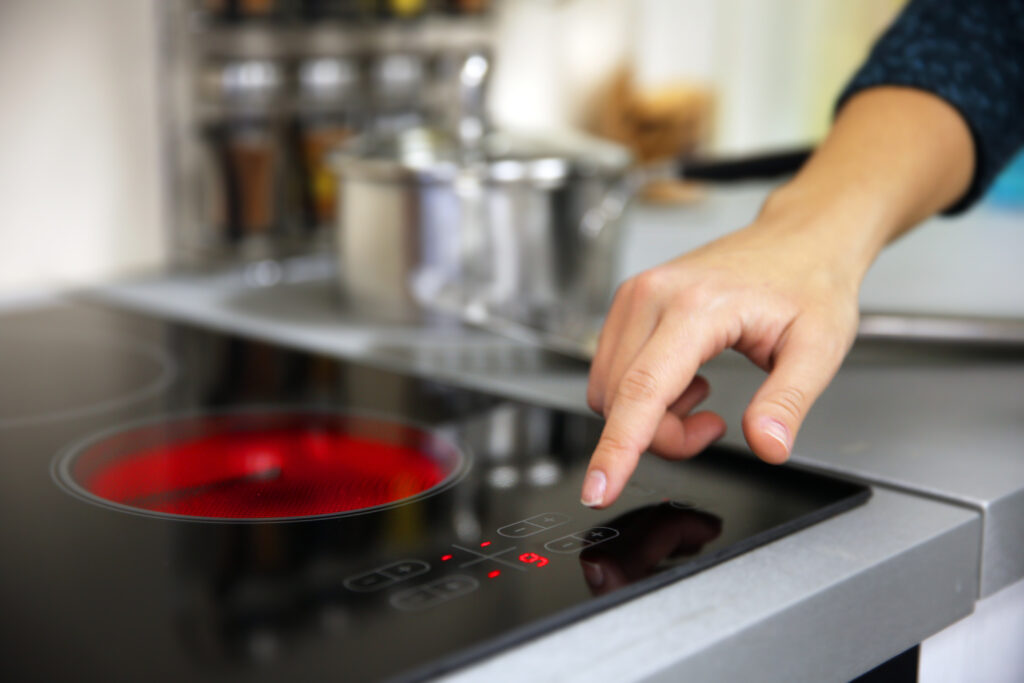
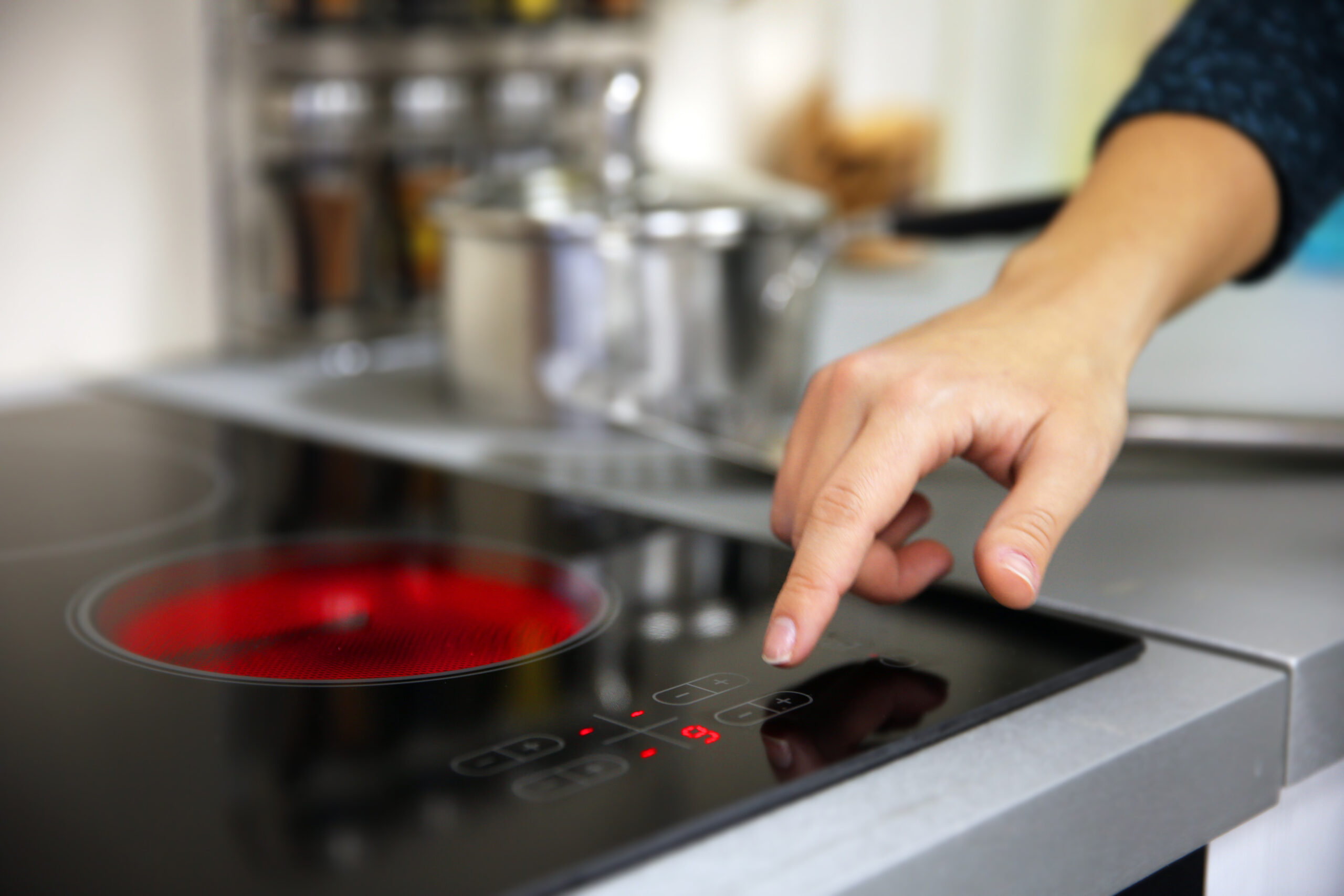
An induction stove is an advanced electric cooktop that heats cookware directly using electromagnetic energy. Unlike traditional electric or gas ranges that rely on thermal conduction from a flame or heating element, induction cooktops create a magnetic field that transfers energy directly into compatible pots or pans. This process starts with a copper coil beneath the glass-ceramic surface of the stove. When electricity flows through the coil, it generates an oscillating magnetic field. Place a ferromagnetic pot—like one made of cast iron or stainless steel—on top, and the field excites the metal’s molecules, producing heat internally within the cookware itself.
In simple terms, the cooktop itself doesn’t get hot; the pot does. That’s what sets this technology apart. It’s fast, precise, and cool to the touch where there’s no cookware. But because it uses magnetism, it only works with certain types of pots and pans. Understanding this interaction is critical to seeing how induction cooking fits into your home’s system of efficiency, safety, and convenience.
Efficiency and Performance Advantages
From the moment you turn the dial or tap the digital interface, induction delivers heat nearly instantly. Because energy transfers directly into the metal of the pan, there’s minimal loss. This makes induction significantly more energy-efficient than traditional electric or gas stoves, both of which radiate heat into the surrounding air. For homeowners looking to reduce energy consumption or aiming for a more sustainable kitchen setup, this precision heating method can mean lower utility bills and a smaller environmental footprint.
Induction also stands out in terms of temperature control. Want to simmer a sauce without scorching it or bring water to a roaring boil in under two minutes? Induction’s immediate response time and precise heat settings outperform most standard burners. With top-tier models offering “melt,” “warm,” and “sear” options, homeowners gain greater control over culinary results—regardless of skill level.
Safety and Usability Considerations
For families, landlords, and seniors alike, the safety benefits of induction stoves cannot be overstated. Since the cooktop stays cool where there’s no cookware, there’s less risk of burns from accidental contact. The stove surface only becomes warm to the touch from residual heat in the pan, which dissipates quickly once the pan is removed. Many induction models also feature built-in auto-off timers, child safety locks, pan detection, and temperature sensors that shut off cooking zones in the event of overheating.
Another benefit that can go underappreciated: ease of cleaning. Without open flame or exposed burners, spills don’t bake onto the surface. Wiping down an induction cooktop is straightforward. A minimalist design with flat glass top means you’re not scrubbing around grates, coils, or grease traps. As a result, maintenance is generally lower compared to traditional stoves—a welcome update for any homeowner managing daily meal prep along with everything else life throws at them.
Drawbacks and Essential Compatibility Factors
While induction cooking excels in speed and energy efficiency, it’s not without limitations. One of the most significant drawbacks is cookware compatibility. If a magnet doesn’t stick to the bottom of your pot or pan, it won’t work on an induction stove. That means non-magnetic materials like aluminum, copper, or glass won’t heat unless specifically manufactured with a magnetic base. For homeowners who’ve spent years building a trusted cookware set, this could mean swapping out key items, adding cost and decision fatigue to an already complex upgrade.
Another consideration: initial investment. Induction stoves tend to be more expensive than mid-range electric and gas models. Although long-term energy savings can offset the upfront cost, it’s crucial for homeowners to weigh current appliance needs and kitchen design goals against budgetary constraints. In older homes, electrical system compatibility may also require an upgrade to handle induction current, which adds another layer of complexity and expense.
Repair Needs and Coverage Gaps
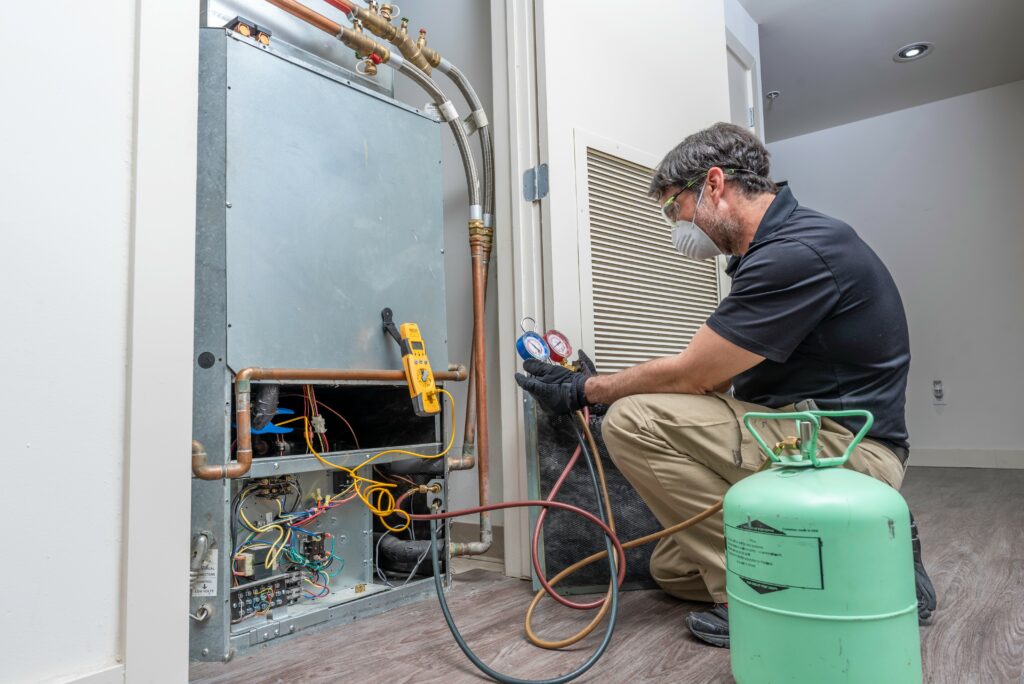
Like all advanced home appliances, induction stoves rely on internal circuitry, sensors, and a sensitive glass surface—all of which can fail or break over time. Common issues include unresponsive touch controls, sensor errors, faulty temperature calibration, and occasional power surges that affect performance. Because induction systems aren’t mechanical in the way gas burners are, diagnosing issues often requires a specialized technician trained in electrical diagnostics. Costs for repair or replacement, especially on high-end models, are usually higher than with traditional stoves.
It’s also worth noting that manufacturer warranties typically last between one and two years and may not cover the types of daily-use issues homeowners run into: power fluctuations, cooking zone errors, cracked surfaces from heavy pans. This is where a comprehensive home warranty can add lasting value, catching those gaps as the stove transitions from “new” to “lived-in.”
When Should Homeowners Consider a Home Warranty?
A home warranty serves a unique role in protecting homeowners from sudden out-of-pocket repairs across a range of systems and appliances—including induction stoves. If your home includes or will soon include an induction cooktop, it’s wise to consider coverage once the manufacturer’s warranty ends. A professionally administered warranty ensures that your household’s core systems can be repaired or replaced quickly after breakdowns—without the headache of hunting down specialists, managing invoices, or negotiating fees. It’s a safety net that’s especially useful for busy families, frequent entertainers, and homeowners managing other aging systems like HVAC or water heaters simultaneously.
With induction technology leading the latest wave in home appliance trends, ensuring long-term protection isn’t just a convenience—it’s a calculated decision that supports the modern homeowner’s lifestyle.
Protecting Your High-End Kitchen Appliances Starts with Armadillo
If you’re investing in a sleek, modern kitchen outfitted with energy-efficient technology like induction cooking, it’s worth protecting that investment with a home warranty you can count on. Armadillo offers smart, tailored warranty coverage that steps in when your advanced appliances need repair or replacement, saving you from unexpected expenses and long service delays. Whether you’re upgrading your home systems or simply maintaining what already works, the right coverage puts control back in your hands—not your next repair bill. Explore coverage options through the Armadillo homepage, or streamline your selection process by starting with our Plan Builder and securing home coverage that evolves with how you cook, live, and plan ahead.