Can You Microwave a Tinfoil Bowl? Understanding Safe Microwave Use for Homeowners
Microwaves are ubiquitous in modern homes, celebrated for their speed and convenience. However, with convenience comes responsibility—particularly when it comes to what materials you place inside one. A common question among homeowners is whether it’s safe to microwave a tinfoil bowl. It’s more than just a curiosity; it’s a matter of appliance longevity, home safety, and informed use. This article explains what microwaves do, how they interact with materials like tinfoil, and what that means for your kitchen—and your home warranty.
How Microwaves Work and Why Material Matters
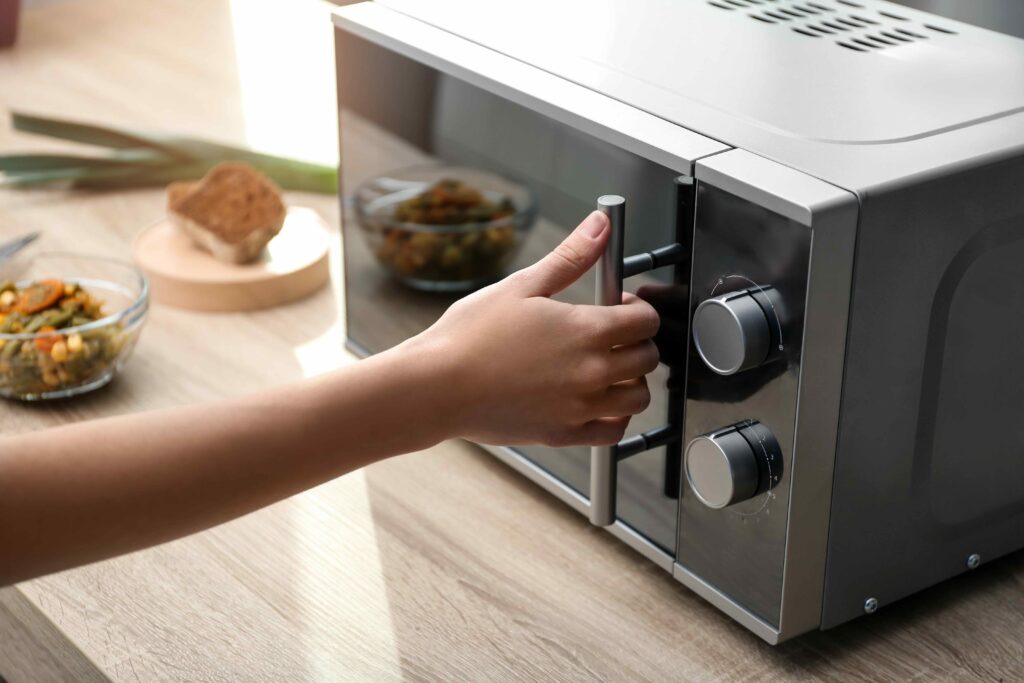
The microwave oven operates by emitting electromagnetic radiation, specifically microwaves, that penetrate food and cause water molecules to vibrate. This molecular movement produces heat, which warms your food from the inside out. But this process only works effectively when the container allows the microwaves to pass through—a characteristic of many plastics, ceramics, and glass. Metals, on the other hand, reflect microwaves rather than absorb them. That’s the source of the concern when it comes to materials like aluminum foil or any metallic bowls.
What Happens When You Microwave Tinfoil?
The immediate reaction of metal in a microwave can be harmless if the piece is small, smooth, and well-placed. However, the material’s properties mean it reflects microwave energy, and when crumpled or edged sharply—as tinfoil bowls often are—it can lead to arcing. Arcing is when electricity jumps through the air between two points, a phenomenon that produces sparks and extreme heat. This not only risks damaging the microwave’s magnetron (the component that generates microwaves) but can also ignite fires. The bowl’s shape, size, and proximity to other surfaces compound the danger, making the use of foil in microwaves largely inadvisable.
The Role of Kitchen Appliances in Home Warranty Coverage
Kitchens are at the heart of most homeowner investment, and appliances like microwaves can often fall under home warranty protection—if used correctly. Misuse, however, especially involving unsafe materials like aluminum containers, may void coverage. Home warranty plans generally cover mechanical failures due to normal wear and tear, but they seldom protect against damage caused by user error. If your microwave suffers internal component failure because someone microwaved a foil-lined bowl, that claim could be denied. Understanding not only how the appliance works, but also the manufacturer’s guidelines, is critical if you want your warranty to stay valid and your appliances protected.
When Can Aluminum Foil Be Used Safely?
Aluminum foil is not entirely off limits in a microwave; however, its use comes with strict limitations. Some newer microwave models and oven-microwave combos are designed with foil use in mind, especially when partially shielding parts of larger roasts or lasagnas. In such cases, the foil must be kept smooth, minimal, and well away from the oven’s walls. Manufacturers often indicate safe practices in their manuals, and homeowners are encouraged to follow these instructions exactly. Even so, using aluminum foil is more common in traditional ovens. For microwave applications, ceramic or microwave-safe plastic poses far less risk and delivers more predictable outcomes.
Microwave-Safe Alternatives That Preserve Appliance Integrity
To ensure both food safety and appliance longevity, homeowners should prioritize containers labeled as microwave-safe. These materials are designed to absorb microwave energy without deforming, melting, or creating hazards. Tempered glass, certain plastics without BPA, and ceramic containers make reliable choices. These alternatives avoid the reflective pitfalls of metal and ensure even heating. Investing in proper containers not only protects the food but also prolongs the life of your microwave, ultimately protecting your home budget and ensuring alignment with the terms of your home warranty agreement.
Common Mistakes That Could Void Your Kitchen Appliance Warranty
Aside from microwaving tinfoil, there are several behaviors that unintentionally void warranty coverage. Running the microwave while empty—a surprisingly common issue—can lead to internal damage since the energy has nothing to absorb into. The same risk applies when overloading the appliance or using it repeatedly for non-food purposes, such as drying materials. Regular cleaning and ensuring vents remain unobstructed are often overlooked but vital to the microwave’s performance and home safety. Documenting proper use and maintenance can be invaluable should you need to file a claim later. Always remember, the warranty is only as good as the conditions you uphold.
Think Beyond the Microwave: Why Appliance Habits Matter Across the Home
Bad habits in the kitchen can extend more broadly into other elements of home ownership. Whether it’s overloading your washer, blocking your HVAC vents, or neglecting your water heater, using appliances in ways not intended opens you to both mechanical failure and claim disputes. A microwave incident may be small in the grand scheme, but it reflects larger patterns of care (or neglect). Home warranty coverage is there to assist when systems fail naturally, but it assumes responsible handling. Cultivating smart appliance habits—like avoiding foil in the microwave—translates to better overall home management.
Protect Your Kitchen and More with Armadillo Home Warranty
The simple choice of putting tinfoil in the microwave can have outsized consequences—compromising an appliance, risking safety, and potentially violating warranty terms. That’s why understanding how your home systems work, and treating them properly, is more than just responsible ownership. It’s an investment in longevity, value, and peace of mind. At Armadillo, we help homeowners like you protect the core systems and appliances of your home with warranty coverage that is both clear and reliable. Learn more at armadillo.one, or start building your customized plan today at armadillo.one/plan-builder. Your home deserves care—and coverage that works as hard as you do.