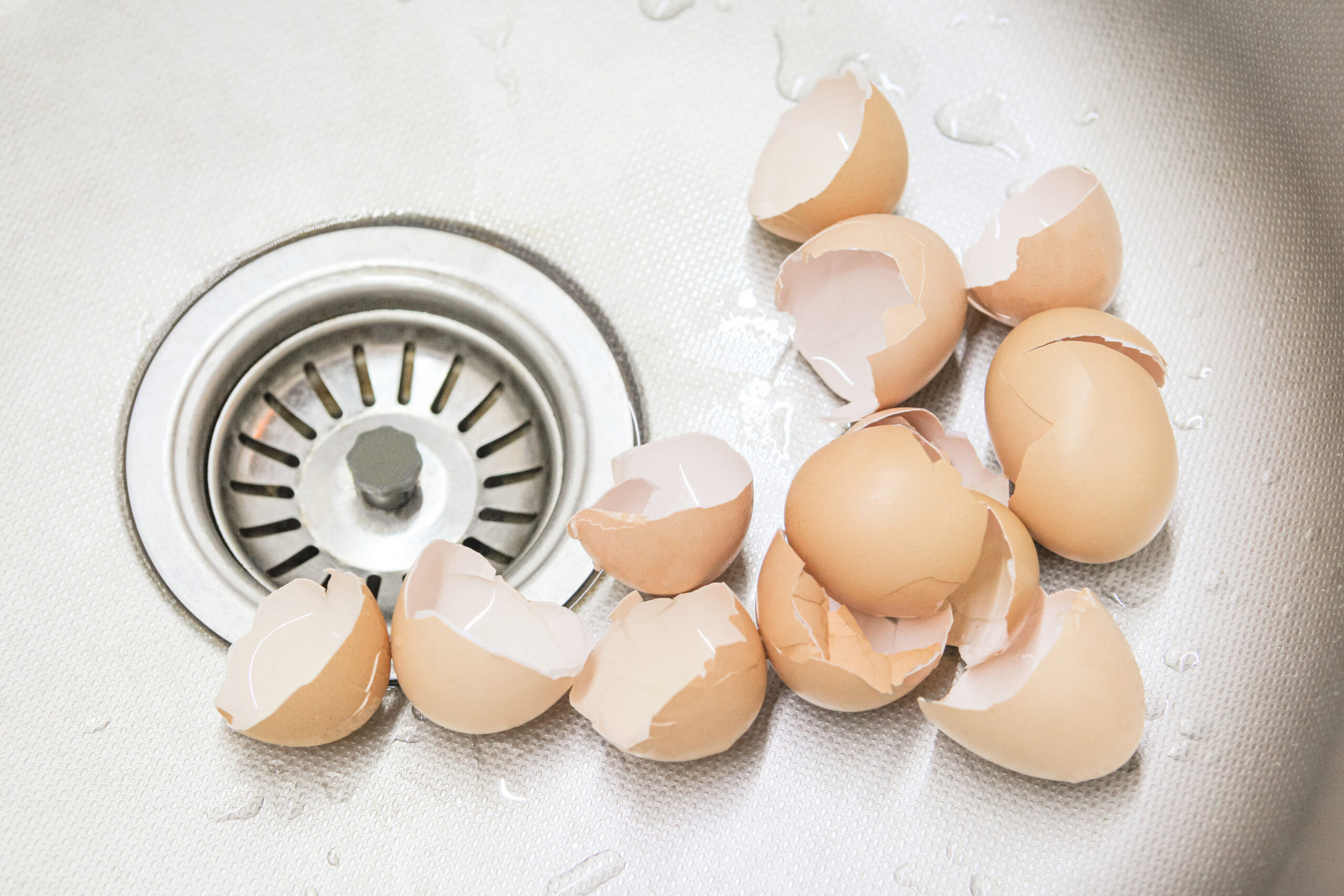
Is It Safe to Put Eggshells in a Garbage Disposal? What Every Homeowner Should Know
You just made breakfast, you have a pile of eggshells sitting on the counter, and the garbage disposal is right there. It seems harmless enough. After all, eggshells are small, light, and they basically crumble at the slightest touch. So why not just rinse them down? Here is the thing — what seems convenient in the moment can quietly become a plumbing headache down the road. This article breaks down the real answer to whether eggshells belong in your garbage disposal, how your disposal actually works, and what you can do to protect one of the most hardworking appliances in your kitchen.
How a Garbage Disposal Actually Works
Before getting into the eggshell debate, it helps to understand what a garbage disposal is actually doing when you flip that switch. A garbage disposal does not work like a blender with sharp blades slicing everything into tiny pieces. It actually uses a spinning plate with blunt impellers that fling food waste against a grinding ring. This grinding ring breaks the material down into small particles that can pass through your drain and into the sewer or septic system. The system is surprisingly effective for soft food waste, but it has real limitations — and understanding those limitations is how you avoid expensive repairs.
The Truth About Eggshells and Your Garbage Disposal
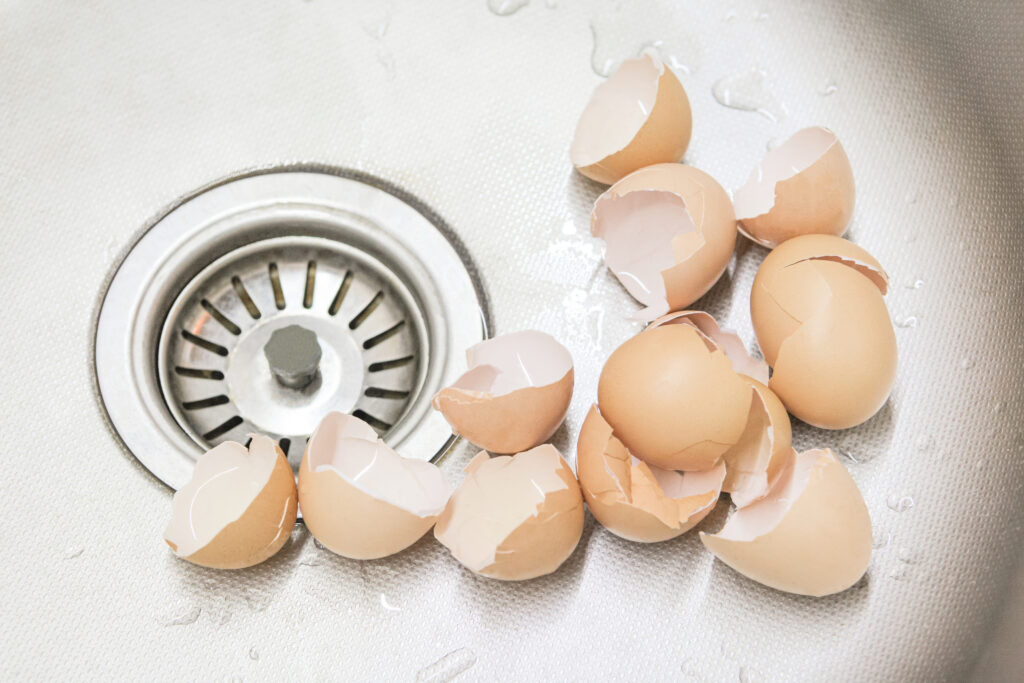
The myth that eggshells sharpen garbage disposal blades has been circulating for years. It sounds logical, but it is not based on how disposals actually function. Since there are no blades to sharpen, the premise falls apart immediately. What actually happens is that eggshells break into small, sharp, sand-like fragments when processed. That part sounds fine until you consider where those fragments go. The inner membrane of the eggshell — that thin, papery film — can wrap around the disposal’s components and cause mechanical issues over time. Combine that with the gritty shell particles accumulating inside your pipes, and you have a recipe for buildup, slow drains, and potential clogs.
Why the Membrane Is the Bigger Problem
Most conversations about eggshells focus on the hard outer shell, but the membrane is actually the more problematic element. That thin white layer clinging to the inside of the shell does not break down easily. When it enters the disposal, it can stick to the grinding components and even make its way into the drain pipe, where it can catch other food debris passing through. Over time, this creates a gradual accumulation that restricts water flow. It is not always dramatic — you might just notice your drain moving a little slower each week — but left unaddressed, it can develop into a full clog that requires professional intervention.
What You Should Not Put Down a Garbage Disposal
Eggshells are just one item on a longer list of foods and materials that seem harmless but can damage or clog your disposal and drain system. Knowing what to avoid is one of the easiest ways to extend the life of your appliance.
- Fibrous vegetables like celery, artichokes, and corn husks can tangle around the disposal’s impellers
- Grease, fat, and cooking oils solidify inside pipes and create stubborn blockages
- Coffee grounds accumulate into a dense, paste-like substance that coats drain pipes
- Pasta and rice expand when wet and can form thick clumps inside the drain line
- Fruit pits and hard seeds can damage the grinding mechanism entirely
- Potato peels create a starchy paste that acts like a sealant inside the drain
Best Practices for Garbage Disposal Use and Maintenance
Your garbage disposal is designed to handle incidental food scraps — the small bits left on a plate after a meal, not the full contents of meal prep. Treating it that way will dramatically extend its lifespan and reduce the chances of a breakdown. Always run cold water before, during, and after using the disposal. Cold water keeps any fats or oils solid so they can be ground and flushed out rather than coating the inside of your pipes. Avoid overloading it with large quantities of food at once, and let the disposal fully clear between batches. For routine cleaning, grinding a few ice cubes combined with a small amount of coarse salt works well to clean the interior surfaces without introducing anything harmful to your drain system.
What to Do Instead of Putting Eggshells Down the Drain
The good news is that eggshells are actually quite useful once you decide not to send them down the disposal. Composting is the most obvious alternative — eggshells break down well and add calcium to compost that benefits garden soil. You can also crush them and use them as a natural deterrent for slugs and certain insects in a garden bed. If composting is not your thing, simply tossing eggshells in the trash is a perfectly reasonable choice. None of these options cost anything, and all of them are better for your plumbing than risking gradual pipe buildup over months of depositing shell fragments into your drain.
How Garbage Disposal Problems Can Escalate Into Larger Plumbing Issues
A disposal that is not draining properly does not stay a disposal problem for long. Because your garbage disposal connects directly to your kitchen drain line, any blockage or slow flow can affect the broader plumbing in that area of your home. A partial clog from accumulated eggshell grit or membrane buildup can cause water to back up into the sink basin, create unpleasant odors from trapped organic material, or put added pressure on the drain line itself. In more serious cases, especially in older homes with aging pipes, that kind of persistent pressure and buildup can contribute to pipe corrosion or joint failures. What starts as a small, avoidable habit at the kitchen sink can turn into a plumbing service call — or worse.
How a Home Warranty Can Protect Your Garbage Disposal and Kitchen Plumbing
Here is where things get practical for homeowners. Garbage disposals are mechanical appliances, which means they wear down over time regardless of how carefully you use them. Motors fail, grinding components degrade, and electrical connections can loosen. When that happens, the repair or replacement cost comes out of your pocket — unless you have a home warranty plan in place. Homeowners who want real protection for the appliances and systems they depend on every day would benefit from exploring what home warranty coverage for kitchen appliances and plumbing systems can actually look like. Having a plan that covers your garbage disposal, along with your other major home systems, means you are not caught off guard when something stops working. If you are thinking about getting coverage in place before your next unexpected repair bill, you can get a personalized home warranty quote that covers garbage disposals and more to see exactly what protection is available for your home. Armadillo makes the process straightforward, and the peace of mind that comes with knowing your appliances are covered is genuinely worth it.
Frequently Asked Questions
Is it ever safe to put eggshells in a garbage disposal?
Occasional, small amounts of eggshell are unlikely to cause immediate damage, but the consistent habit of putting eggshells down a disposal can lead to buildup in pipes over time. The membrane lining the shell is particularly problematic and can cling to internal components. It is best to avoid it altogether.
Do eggshells actually sharpen garbage disposal blades?
No. Garbage disposals do not have blades. They use blunt impellers and a grinding ring to break down food. The idea that eggshells sharpen anything inside a disposal is a persistent myth with no mechanical basis.
What happens if you put too many eggshells down the disposal at once?
A large amount of eggshells introduced at once can overwhelm the grinding mechanism, create a gritty slurry that settles in the drain pipe, and increase the likelihood of a clog forming further down the line.
How do I unclog a drain affected by eggshell buildup?
Start with running hot water through the drain for several minutes. If that does not clear it, a plunger or a mixture of baking soda and white vinegar can help break up soft buildup. Persistent clogs may require a drain snake or a professional plumber.
Are there foods that are actually safe to put in a garbage disposal?
Yes. Soft food scraps like cooked vegetables, small pieces of fruit without pits, most cooked meats in small amounts, and liquid-based food waste are generally safe for garbage disposal use.
How long should a garbage disposal last?
A well-maintained garbage disposal typically lasts between 8 and 15 years. Regular cleaning, mindful use, and avoiding problematic food items can help push that lifespan toward the higher end.
Does a home warranty cover garbage disposal replacement?
Many home warranty plans include garbage disposal coverage as part of a kitchen appliance or plumbing package. Coverage specifics vary by provider, so reviewing the terms of any plan before purchasing is important.
What is the best way to clean a garbage disposal?
Grinding ice cubes with a small amount of coarse salt is an effective cleaning method. You can also run cold water and a small amount of dish soap through the running disposal. Avoid chemical drain cleaners, which can damage the disposal’s components and surrounding pipes.
Can eggshells damage garbage disposal motors?
Over time, consistently grinding eggshells can contribute to motor strain, particularly if shell fragments accumulate and create resistance against the spinning impeller plate. Motor failure is one of the more costly garbage disposal repairs.
What should I do if my garbage disposal stops working after putting eggshells in it?
Start by pressing the reset button on the bottom of the unit, which often trips when the motor is overloaded. If that does not restore function, check for a jam using the manufacturer-recommended hex wrench tool. If neither resolves the issue, contact a plumber or appliance technician for diagnosis.