Is Polyethylene Foam Safe for Homes? Understanding Its Use, Benefits, and Potential Risks
Polyethylene foam is a common material found in various areas of a home—from insulation to packaging to flooring underlay. As a homeowner, especially if you’re renovating or just evaluating what materials are being used in your space, understanding whether polyethylene foam is toxic is a valid and important question. It’s often selected for its light weight and cushioning properties, but safety is paramount, particularly when it comes to indoor air quality and long-term exposure. This article breaks down what polyethylene foam is, how it’s used in residential applications, its safety profile, and what homeowners should consider when choosing materials for their homes.
What Is Polyethylene Foam and How Is It Used in Homes?
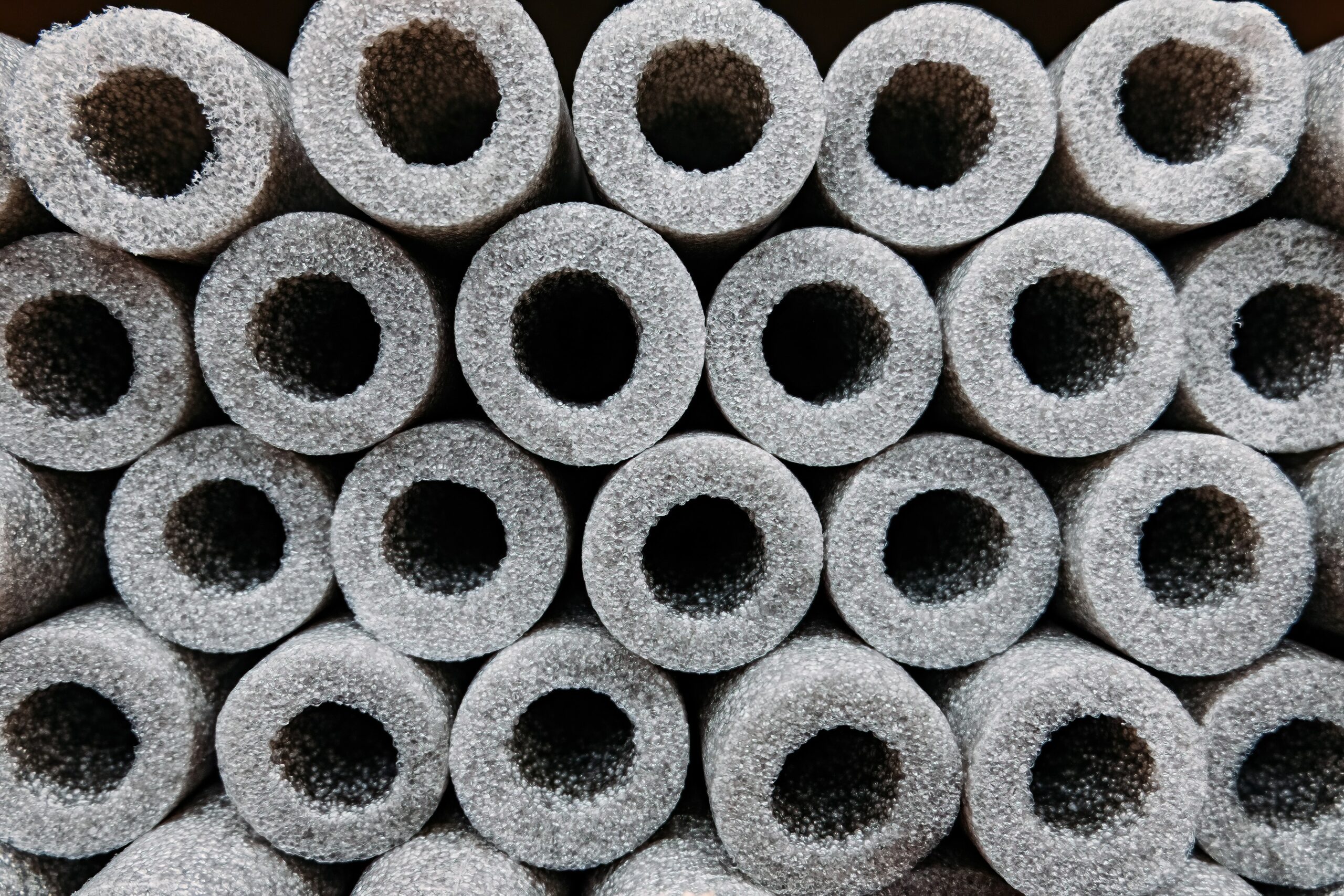
Polyethylene foam is a closed-cell foam, meaning its structure contains small sealed pockets of air that provide durability, water resistance, and flexibility. It is a thermoplastic material derived from ethylene, a petroleum-based product. You’ll most commonly find this material in applications that benefit from its insulating and shock-absorbing properties—pipe insulation, padding under hardwood and laminate flooring, weather stripping for windows and doors, and sometimes even in wall insulation or soundproofing solutions.
Its favorable mechanical traits—resilience against moisture, mold, and many chemicals—make it an appealing option for homeowners and contractors alike. It’s also inert once processed, meaning it typically doesn’t react with other building materials or degrade quickly.
The Safety Profile: Is Polyethylene Foam Toxic or Safe?
The primary concern for homeowners when it comes to polyethylene foam is whether it emits harmful chemicals or volatile organic compounds (VOCs) that affect indoor air quality. In its solid, finished form, polyethylene foam is generally considered non-toxic. It is odorless, does not shed particles, and is chemically stable under normal residential temperature and humidity conditions. It’s even used in certain medical and food packaging applications, a testament to its recognized safety when manufactured and handled properly.
However, during the manufacturing process, chemical additives like blowing agents are used to create the foam structure. Over time, these substances can off-gas slightly, particularly when the product is new. For most home uses, the amount of off-gassing is minimal and typically dissipates within a few days to weeks after installation. Ensuring good ventilation during and after installation can help reduce any exposure to residual odors or emissions.
Common Residential Applications of Polyethylene Foam
One of the most familiar applications of polyethylene foam in homes is as underlayment beneath engineered hardwood, laminate, or vinyl flooring. Homeowners gravitate toward this material because it provides a soft-underfoot feel, insulates against cold subfloors, and dampens ambient noise. In basements or concrete slab installments, it also acts as a moisture barrier when used in combination with specialized vapor-resistant coatings or sheets.
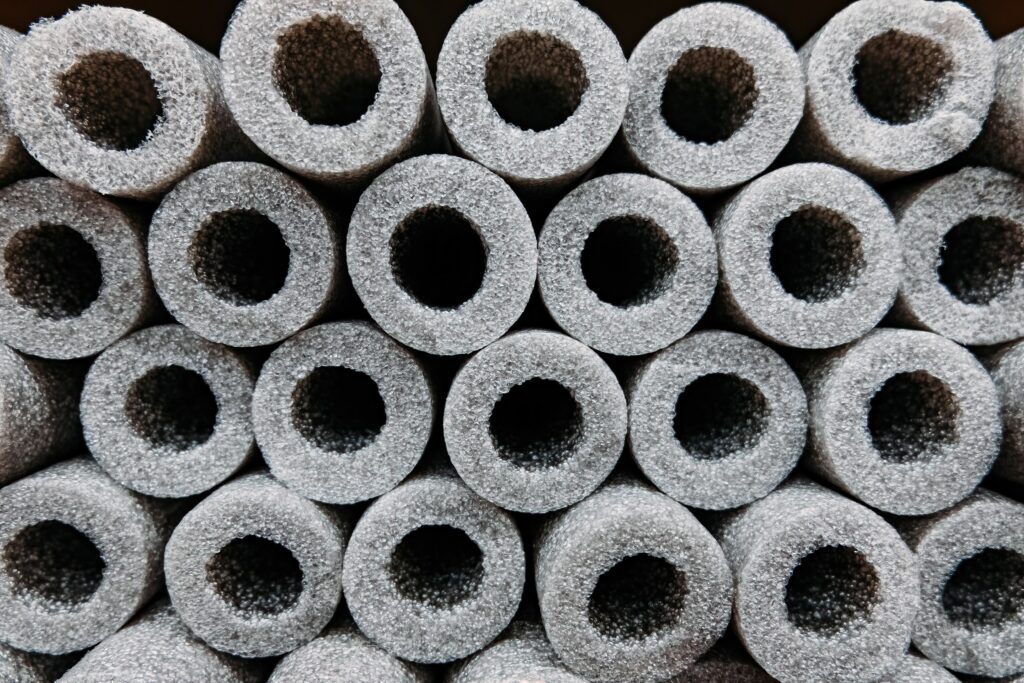
Beyond flooring, polyethylene foam finds its way into pipe insulation wraps that help prevent freezing during colder months and reduce heat loss in hotter climates. Window and door weather-stripping kits often include strips of polyethylene foam to block drafts and improve energy efficiency. It’s also popular in soundproofing panels used in home offices or studios due to its ability to deaden noise effectively through multiple reflective surfaces inside its dense cellular makeup. These varied uses contribute to its appeal as a convenient and adaptable material in home improvement projects.
Advantages of Using Polyethylene Foam in Home Systems
Homeowners appreciate polyethylene foam for several key reasons. First, it’s extremely durable—it resists breaking down over time, even under mechanical pressure. Unlike open-cell foams, it doesn’t absorb water, making it particularly useful in damp environments. It also doesn’t attract pests, since it resists odor and organic matter accumulation. Additionally, installers find the material easy to cut, shape, and apply, meaning labor time and costs often stay lower than with more complex insulation materials.
Another often-overlooked benefit is its thermal resistance. While not rated as a primary insulator in the same category as fiberglass or spray foam, polyethylene still offers modest R-value contributions when used under flooring or inside walls. For homeowners seeking energy-efficient solutions in mild climates, this can help maintain moderate indoor temperatures without higher utility bills. It also contributes to LEED points in certain sustainable building certifications, indicating its value in eco-focused retrofits or construction.
Drawbacks and Safety Considerations to Keep in Mind
Despite its many advantages, polyethylene foam isn’t without its caveats. It’s derived from non-renewable resources, and being a plastic-based material, it’s not biodegradable. Disposal at end of life can contribute to landfill waste unless recycled properly—which can be difficult, as few municipal recycling programs accept foam materials. Furthermore, its resistance to flame is relatively low unless treated with fire retardant additives. For homeowners, this means it should never be used in areas where direct heat exposure is likely without additional fire-rated barriers in place.
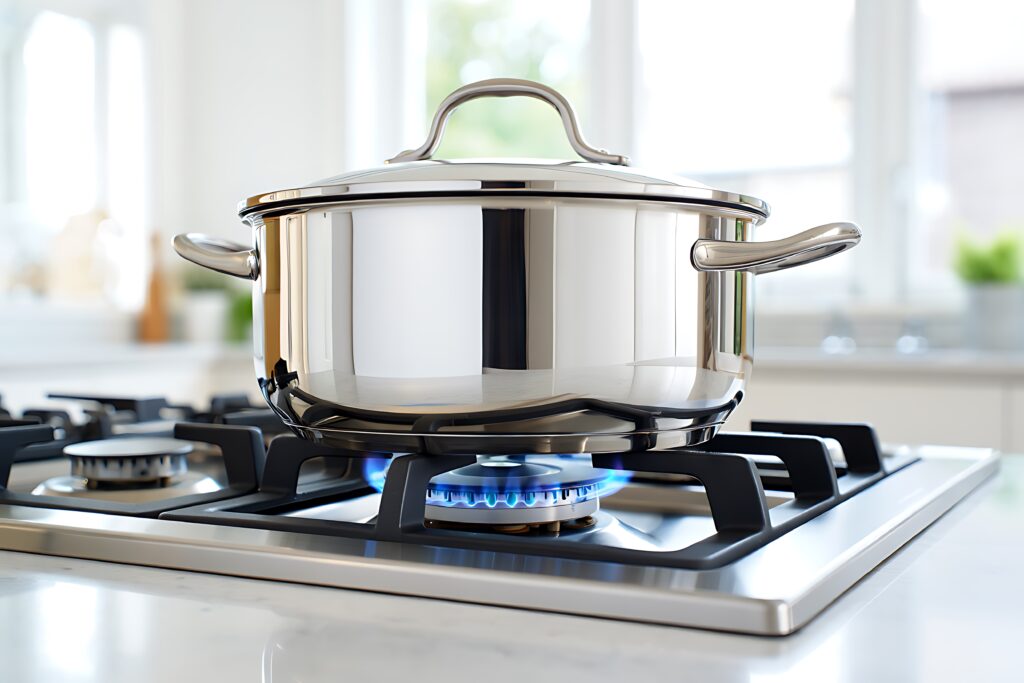
Another challenge is related to its performance in extreme heat. While it performs well in everyday conditions, overheating can degrade the foam, releasing potentially irritating fumes. For this reason, it isn’t typically recommended for use behind stoves, water heaters, or HVAC components unless specifically rated for such environments. Cost-wise, while it’s generally affordable, some higher-density variations or composite forms can become pricey, especially in large-scale retrofit projects. Knowing application-specific needs ahead of time can help ensure you avoid overspending on features you don’t require.
Installing Polyethylene Foam the Right Way
If you’re planning to use polyethylene foam in your home—whether for soundproofing, underlayment, or insulation—proper installation is essential for performance and safety. Always follow manufacturer guidelines carefully, especially with adhesives or sealants used in conjunction with foam panels. These products sometimes contain solvents that may react with the foam if not matched correctly. Ensure the area is clean and dry before application to maximize adhesion and effectiveness.
Ventilate the space afterward to assist with any off-gassing, particularly if you’re sensitive to chemical smells. And if you’re installing it near pipes or electrical wiring, be mindful of compression or fire clearance requirements. A professional installer or contractor familiar with polyethylene foam can help minimize mistakes and maximize benefits. For many homeowners, working under a home warranty plan can also offer peace of mind since some installations may overlap with covered systems or appliances.
Why Choose Armadillo for Home Warranty Support When Using Polyethylene Foam and Beyond
When making proactive upgrades to your home—including improvements that use materials like polyethylene foam—it’s smart to think ahead. If that foam is under your newly installed laminate floor and there’s a leak from your dishwasher next year, you’ll want a plan that has you covered. That’s where Armadillo steps in. Our home warranty plans aren’t just an extra—they’re a tool to protect your investment from unexpected breakdowns and costly repairs. And with smart systems and high-quality materials like polyethylene foam often interacting with core home systems, having that coverage ensures continuity and care beyond installation.
Explore how Armadillo can add real value to your home management strategy at our homepage, or get started today by building your plan through our plan builder. Home improvements shouldn’t be a risk—they should be a step forward. Let’s make sure you’re protected at every step.