How to Keep Drains Unclogged and Grounded: What Every Homeowner Should Know
Plumbing isn’t flashy. It’s not the showcase material that guests admire or that listing agents highlight in bold caps. Yet, when it fails—when a drain backs up mid-shower or a kitchen sink gurgles like something living inside—it quickly becomes the center of attention. Your home’s drainage system is critical to its function, comfort, and sanitation. Managing it effectively is less about reacting and more about prevention. This article breaks down how your drainage system works, why clogs happen, how to prevent them, and how grounding fits into overall system safety. Whether you’re troubleshooting a slow drain or considering a home warranty plan, understanding the fundamentals gives you better control over your home’s hidden infrastructure.
Understanding Your Home’s Drainage System
Every drain in your home—whether from the shower, toilet, kitchen sink, or laundry machine—connects to a network of pipes that carry wastewater away. These pipes flow into a main sewer line, which runs underground and connects either to a municipal sewer system or a septic tank. Vent pipes rise vertically from the drainage lines, equalizing pressure and preventing suction from trapping water in your fixtures. What makes this infrastructure even more vital is that it’s largely invisible. Hidden behind walls, under floors, or buried outdoors, pipe performance goes unnoticed… until it fails.
How Drainage and Grounding Work Together
Most homeowners associate grounding with electrical systems, not plumbing. But grounding is integral to system safety in modern construction. In older homes, metal water pipes often serve a dual purpose—their conductive properties were used to ground electrical systems. Proper grounding protects your home from electrical surges by safely directing excess energy into the earth. If your drainage system includes any contact with grounding conductors—especially in homes built before the 1970s—rust, corrosion, or pipe replacement can interfere with electrical safety as well as plumbing function. Simply put, a disrupted ground path could turn what looks like a small plumbing repair into a broader systems issue.
Why Drains Get Clogged
Clogs develop gradually. Most often, it starts with improper usage. In kitchen drains, grease, soap residue, and food particles accumulate along the pipe walls. In bathrooms, the usual suspects include hair, toothpaste, and soap scum. Over time, these slow flow and snag more debris, leading to blockages. Tree roots present an outside threat. They naturally seek out moisture, and in older clay or cast iron lines, they find tiny cracks or joints to invade. Left unchecked, root intrusion not only causes clogs but can collapse the pipe. Other times, the issue isn’t buildup at all—it could be a collapsed line, improper slope, or a poorly vented system causing pressure imbalances. These are less DIY-friendly and more infrastructure-based.
Practical Tips to Keep Drains Flowing
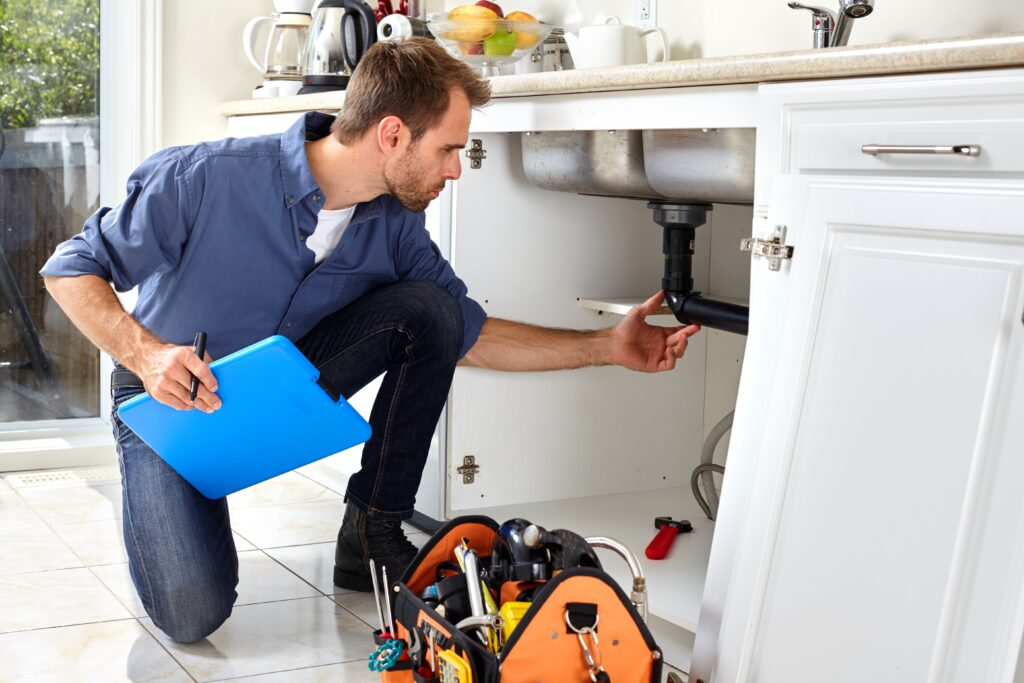
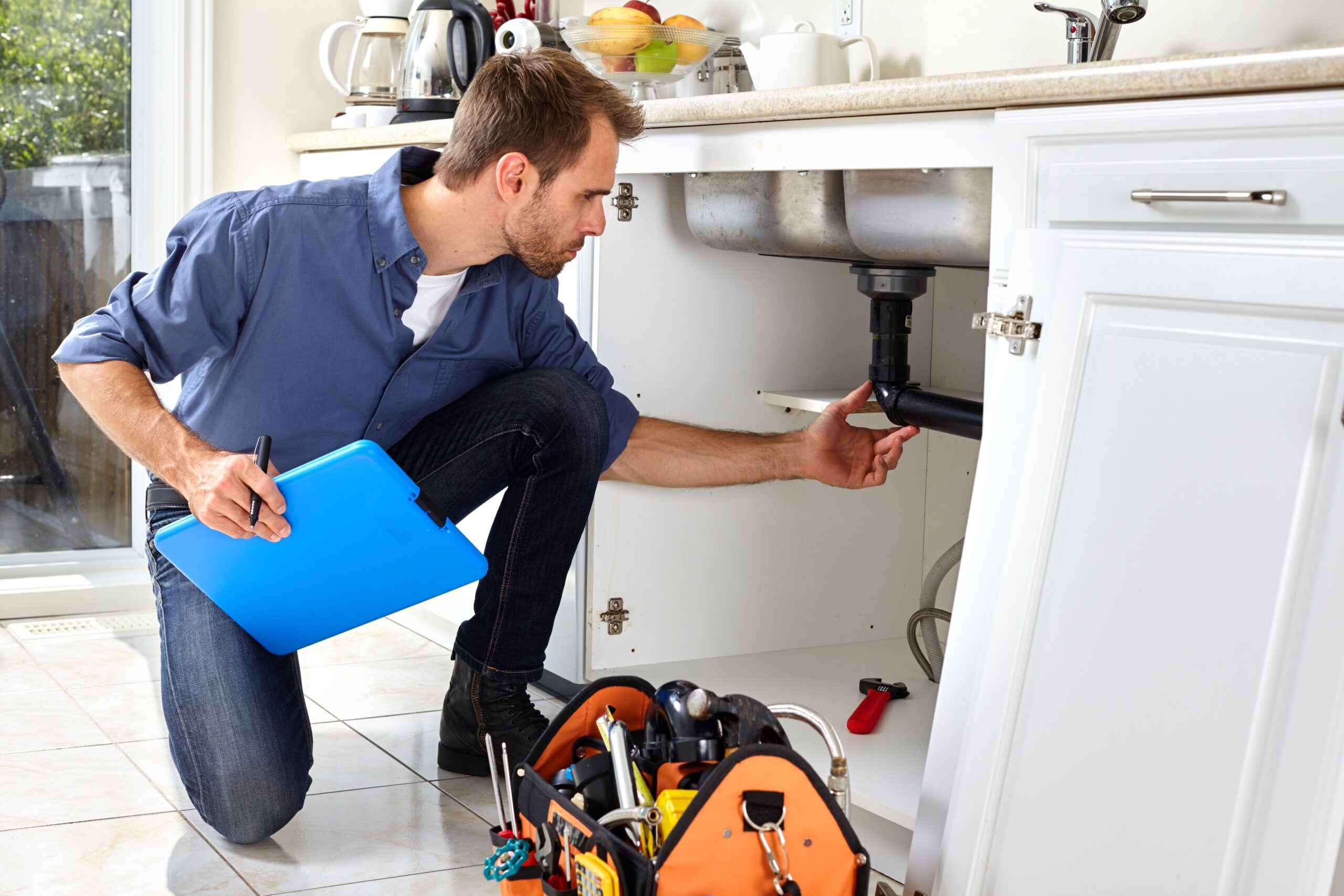
Small, consistent habits make a large difference in drain health. Start with what goes down the pipes. Avoid disposing of grease or oil in kitchen sinks—it solidifies once cool and clings to pipe interiors. Install mesh drain covers in showers and tubs to catch hair. Regularly flush drains with hot water to loosen early buildup. Enzyme-based drain cleaners, used monthly, can break down organic material without damaging pipes. For properties with large trees in close proximity, annual sewer inspections with a camera can catch root problems before they become emergencies. And if you start experiencing signs like frequent plunging or slow draining in multiple fixtures, that’s no longer a surface issue—that’s the moment to contact a licensed plumber. Catching issues early protects not just the plumbing, but the home’s hygiene and livability.
Warning Signs Homeowners Should Not Ignore
There are small annoyances, and then there are early warnings of a bigger problem taking shape. A continuously slow drain, even after plunging, suggests a deeper blockage. Unpleasant smells, particularly a musty or sewage odor, could hint at rotting organic material building up in the pipes or a venting issue. Gurgling noises aren’t harmless quirks—they often signal trapped air caused by improper drainage. Water backing up into sinks or tubs, especially when toilet water is flushed or laundry is running, is one of the more serious signs. These cross-drain effects point to a blockage in a shared drainage line or even the sewer main. When these symptoms emerge, a reactive fix like liquid drain cleaner won’t be enough—and in many cases, it may harm the existing plumbing by eroding seals or weakening pipe joints.
The Role of a Home Warranty in Drainage Maintenance
Not every clog falls under homeowner neglect. Older pipes wear out naturally. Vent stacks corrode. Shifts in foundation can misalign pipe slope over time. A quality home warranty won’t prevent the gurgle in your kitchen sink—but it can make addressing it significantly more manageable. The right plan provides coverage for sewer and drainage line failures caused by standard wear and tear. It offers access to professional plumbers who understand system integration and can rule out underlying issues like faulty venting, collapsed lines, or even grounding failures causing unexpected electrical behaviors. And in homes where plumbing also serves as a path to ground, this coverage is doubly important for safety. If covered appropriately, you’re not stuck navigating both plumbing and electrical contractors while trying to handle a single task. Instead, vetted service providers are sent, diagnostics are handled, and repair costs are much more predictable.
Protect Your Drainage System and Peace of Mind with Armadillo
Keeping your drains clean and grounded isn’t just about avoiding backups. It’s foundational to maintaining a safe, sanitary, and efficient home. At Armadillo, we understand the complexity of modern home systems—and we’re designed to simplify the solutions. Our home warranty plans provide intelligent protection that covers not just plumbing, but the throughline connections that make your home run smoothly and safely. If you want to prevent unexpected costs and time-consuming repairs, explore the benefit of pairing routine maintenance with reliable protection. Visit armadillo.one to learn more, or start building your personalized coverage plan today at our plan builder. Protect your drains and cover your bases, all with one click.