Why Your Kitchen Garbage Disposal Deserves More Attention Than You Are Giving It
Most homeowners do not think twice about the garbage disposal. You flip a switch, water runs, and whatever was left on the cutting board disappears. Simple enough. But behind that convenience is a small but genuinely complex appliance that handles a surprising amount of work every single week. When it starts to smell, slow down, or simply stops responding, the frustration hits fast. Understanding how your garbage disposal actually works, how to keep it clean, and what can go wrong is the kind of knowledge that saves time, money, and a few calls to the plumber.
What Is a Kitchen Garbage Disposal and How Does It Work
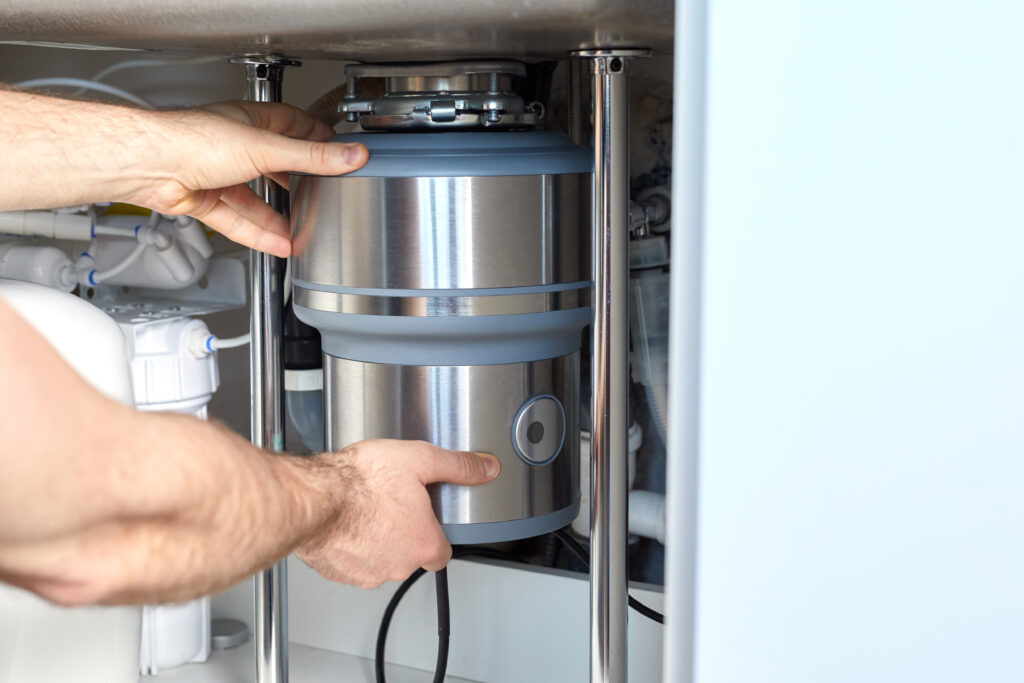
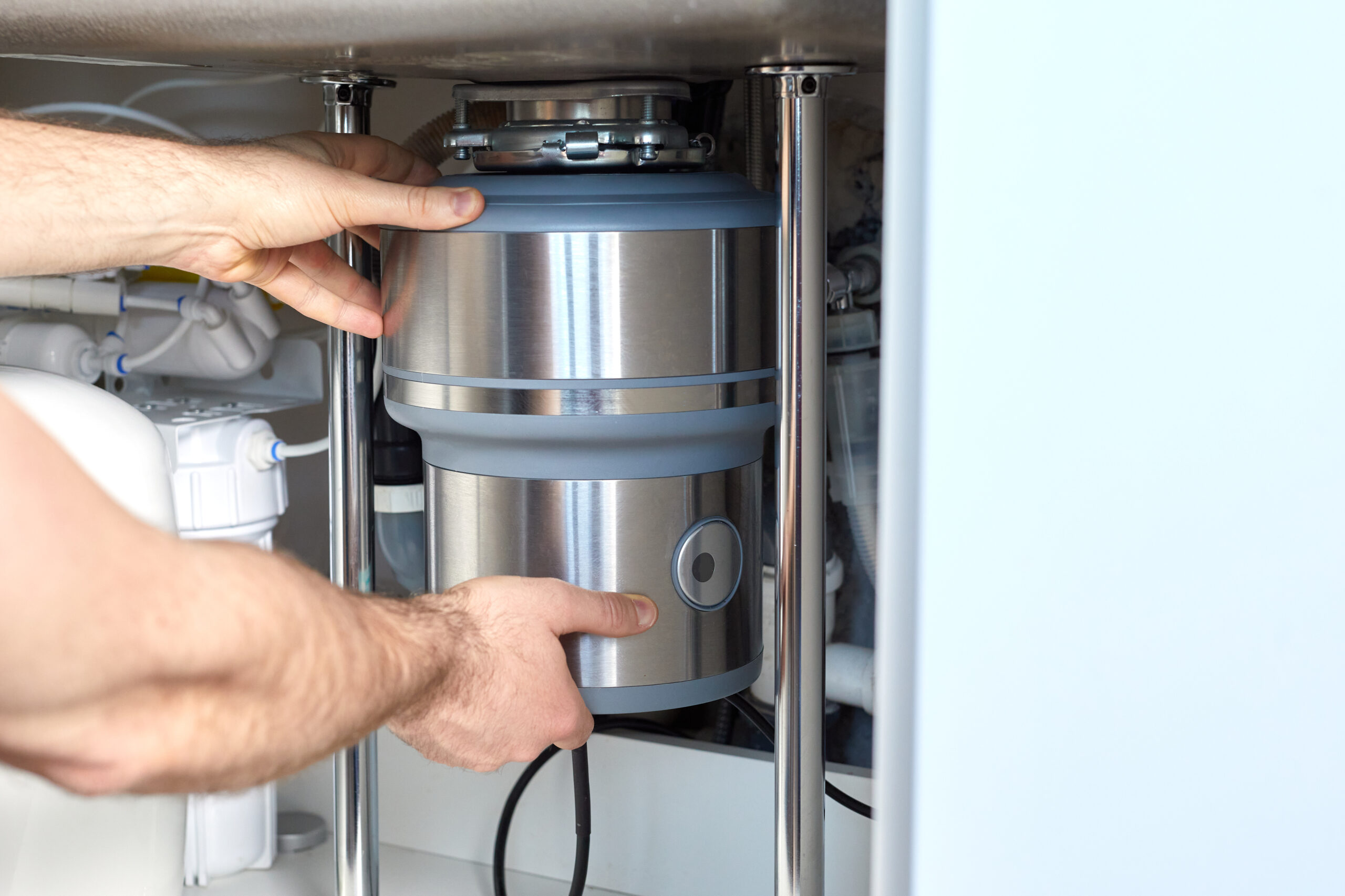
A garbage disposal, sometimes called a food waste disposer, is an electrically powered device installed beneath the kitchen sink between the drain and the drain trap. When activated, a motor spins a rotating plate called an impeller at high speed. That spinning plate pushes food waste outward against a grind ring, which breaks the material down into fine particles small enough to pass safely through your plumbing. Contrary to a popular misconception, disposals do not actually use blades. They use blunt impellers and centrifugal force, which is an important distinction when you are thinking about what can and cannot go inside one. Most residential units range from one-third to one full horsepower, with higher-powered models handling tougher materials more efficiently.
The Case for Cleaning Your Disposal Regularly
Here is something a lot of homeowners skip entirely: actually cleaning the disposal. Because it processes waste and runs water constantly, people assume it cleans itself. It does not. Food residue, grease, and organic matter build up on the impellers, grind ring, splash guard, and interior walls over time. That buildup is exactly what produces the unpleasant odors that seem to rise from nowhere on a quiet Tuesday morning. Regular cleaning prevents bacterial growth, eliminates odors at the source, and keeps the unit running at full efficiency. It also extends the lifespan of the appliance, which matters a lot when you factor in replacement costs.
How to Clean a Garbage Disposal the Right Way
Cleaning a garbage disposal does not require specialty products or professional service. There are several straightforward methods that work well when done consistently.
- Ice and rock salt method: Fill the disposal with two cups of ice and a cup of rock salt, then run it with cold water for about thirty seconds. The abrasive action scrubs the interior surfaces without damaging the components.
- Baking soda and vinegar: Pour half a cup of baking soda into the disposal, follow it with one cup of white vinegar, let the mixture foam for a few minutes, then flush with hot water. This neutralizes odors and loosens light buildup.
- Citrus peels: Running lemon, lime, or orange peels through the disposal freshens the scent and provides mild scrubbing action against the walls.
- Dish soap flush: Squirt dish soap directly into the disposal, run it briefly with warm water, then let it continue running for an additional thirty seconds after you shut it off.
- Splash guard scrubbing: Use an old toothbrush or a small cleaning brush to manually scrub the underside of the rubber splash guard. This is one of the most overlooked areas and one of the biggest sources of odor.
Aim to do a thorough cleaning at least once a month, with lighter maintenance like citrus or soap flushes done weekly. Consistency makes a measurable difference.

What You Should Never Put in a Garbage Disposal
Cleaning habits matter, but so does what goes into the disposal in the first place. A significant number of disposal problems, including jams, clogs, and motor burnout, trace back to putting the wrong materials down the drain. Grease and cooking oils are among the worst offenders because they solidify in the drain line and coat the interior of the disposal over time. Fibrous vegetables like celery, artichokes, and corn husks can tangle around the impellers. Starchy foods such as pasta, rice, and potato peels expand with water and create thick paste-like blockages. Bones, pits, and shellfish shells are simply too hard for most residential motors. Coffee grounds seem harmless but accumulate in the trap and drain pipe. Knowing what to compost or trash versus what the disposal can handle is one of the most effective maintenance habits you can develop.
Common Garbage Disposal Problems and What They Signal
Even with good maintenance, disposals develop issues over time. A humming sound without any grinding action usually means the motor is running but the impeller plate is jammed. Most units have a reset button on the bottom and a hex key slot for manually freeing a stuck plate. A complete lack of response when you flip the switch often points to a tripped reset button or a tripped circuit breaker. Persistent leaking from the bottom of the unit typically indicates a failed internal seal, which generally means the unit is nearing end of life. Slow draining after the disposal runs suggests a clog developing in the drain line downstream. Identifying these symptoms early gives you more options before a minor issue becomes a full replacement situation.
How Long a Garbage Disposal Typically Lasts
The average residential garbage disposal lasts between eight and fifteen years, depending on usage frequency, motor quality, and how well it has been maintained. Higher horsepower units from reputable manufacturers tend to hold up longer. Regular cleaning and mindful use absolutely extend the lifespan. If your unit is approaching ten years old and showing signs of inconsistent performance, it is worth evaluating whether repair makes more financial sense than replacement. New units range in cost from around one hundred dollars on the low end to five hundred or more for premium models, not including installation labor.
Garbage Disposal Advantages Every Homeowner Should Know
Garbage disposals offer genuine, practical benefits beyond basic convenience. They reduce the volume of organic waste going into household trash, which means fewer odors from the garbage can and fewer trips to the bin. For households that do not compost, disposals provide a functional alternative for managing soft food scraps. They can also reduce the likelihood of drain clogs caused by food particles washing off dishes and accumulating in the trap over time. Modern units operate significantly more quietly than older models, with sound insulation built directly into the housing. From an overall household maintenance perspective, a well-maintained disposal contributes to better kitchen hygiene and a smoother daily routine.
Drawbacks and Limitations Worth Considering
No appliance is without tradeoffs. Garbage disposals do add a load to municipal water treatment systems, since the ground food particles travel through the sewage system and require processing. In homes with older or narrower plumbing, they can contribute to chronic drain issues if not used carefully. Disposals also consume electricity and water each time they run, which adds a modest but real cost over years of use. For households on septic systems, disposals require additional consideration because increased organic matter can accelerate the filling of the septic tank, potentially requiring more frequent pumping. These factors do not necessarily argue against having a disposal, but they are worth understanding before making decisions about installation or replacement.
How a Home Warranty Can Protect Your Garbage Disposal Investment
Kitchen appliances break down. It is not a question of if, it is a question of when. And when your garbage disposal stops working, the last thing you want to deal with is an unexpected repair bill on top of a kitchen that suddenly smells like last Tuesday’s dinner. That is exactly where a home warranty makes a meaningful difference. home warranty coverage for kitchen appliances and built-in systems can protect you from out-of-pocket costs when your disposal jams permanently, burns out, or simply gives up after years of reliable service. Armadillo approaches home warranty coverage the way homeowners actually think about their homes, with straightforward terms, no confusing exclusions buried in fine print, and real support when something goes wrong. If you want to stop worrying about what the next appliance repair is going to cost, the smartest first step is to get a free garbage disposal and home appliance warranty quote today. Peace of mind in the kitchen, and throughout the entire home, is closer than most homeowners realize.

Frequently Asked Questions About Kitchen Garbage Disposal Cleaning and Maintenance
These are the questions homeowners ask most often when it comes to keeping their garbage disposal clean, functional, and protected.
How often should I clean my garbage disposal?
You should perform a thorough cleaning at least once a month. Lighter maintenance, such as running citrus peels or a dish soap flush, is beneficial when done weekly to prevent odor and buildup between deep cleanings.
What is the best homemade cleaner for a garbage disposal?
A combination of baking soda and white vinegar is one of the most effective and accessible homemade options. Pour half a cup of baking soda in first, follow with one cup of vinegar, let it foam for several minutes, then flush thoroughly with hot water.
Why does my garbage disposal smell even after cleaning it?
The underside of the rubber splash guard is almost always the culprit. It collects food residue and bacteria that a standard rinse cannot reach. Scrubbing that area manually with a small brush resolves most persistent odor issues.
Is it safe to use bleach to clean a garbage disposal?
Bleach is not recommended for garbage disposals. It can damage rubber components, corrode metal parts, and create harmful fumes when mixed with other household cleaners that may already be present in the drain.
Can I put ice in my garbage disposal to clean it?
Yes. Ice is one of the most effective natural cleaning methods. Running ice cubes with a small amount of rock salt scours the interior surfaces and helps dislodge debris without causing any mechanical damage to the unit.
Why is my garbage disposal humming but not working?
A humming disposal that does not grind is typically jammed. The motor is running but the impeller plate cannot spin. Turn off the unit immediately, use the hex key socket on the bottom of the unit to manually free the jam, and press the reset button before restarting.
Does a garbage disposal affect a septic system?
Yes, disposals can increase the rate at which a septic tank fills because of the added organic waste. Homeowners with septic systems should use their disposal sparingly and may need to schedule more frequent tank pumping to compensate.
How do I know when my garbage disposal needs to be replaced rather than repaired?
If the unit is more than ten years old, requires frequent resets, produces persistent leaking from the bottom, or grinds poorly despite clearing jams, replacement is usually the more cost-effective decision over continued repairs.
Does a home warranty cover garbage disposal repair or replacement?
Many home warranty plans do cover garbage disposals as part of kitchen appliance or built-in appliance coverage. The specific terms vary by provider, so reviewing what is included before a breakdown occurs is always the right approach.
What foods are safe to put in a garbage disposal?
Soft food scraps such as cooked vegetables, fruit pieces without large pits, small food remnants, and non-fibrous organic material are generally safe. Always run cold water before, during, and after use to help carry particles through the drain line effectively.