What Is a Kitchen Hood and Why Does CFM Matter More Than You Think?
If you have ever stood over a hot skillet and watched smoke curl toward the ceiling, you already understand why kitchen ventilation matters. What you may not know is that there is a specific measurement that determines whether your kitchen hood is actually doing its job or just making noise while grease quietly coats every surface in the room. That measurement is CFM, which stands for cubic feet per minute. It tells you how much air your range hood can move in a single minute, and getting that number right is genuinely one of the more impactful decisions you can make for your kitchen. Too low and you are basically decorating. Too high and you might be pulling conditioned air out of your home faster than your HVAC can compensate.
How a Kitchen Hood Actually Works
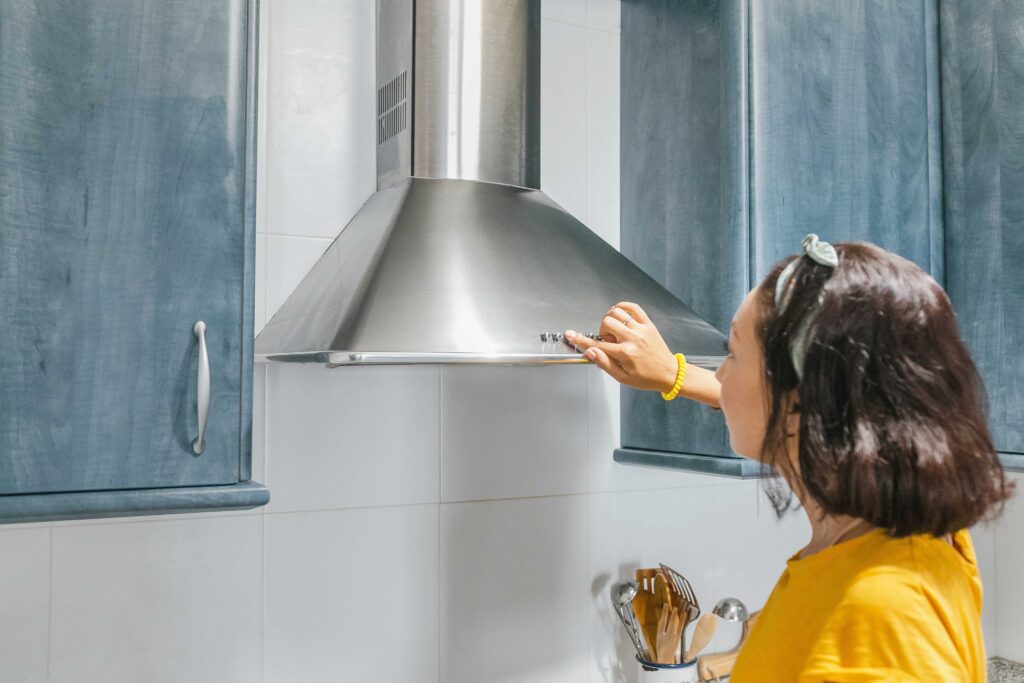
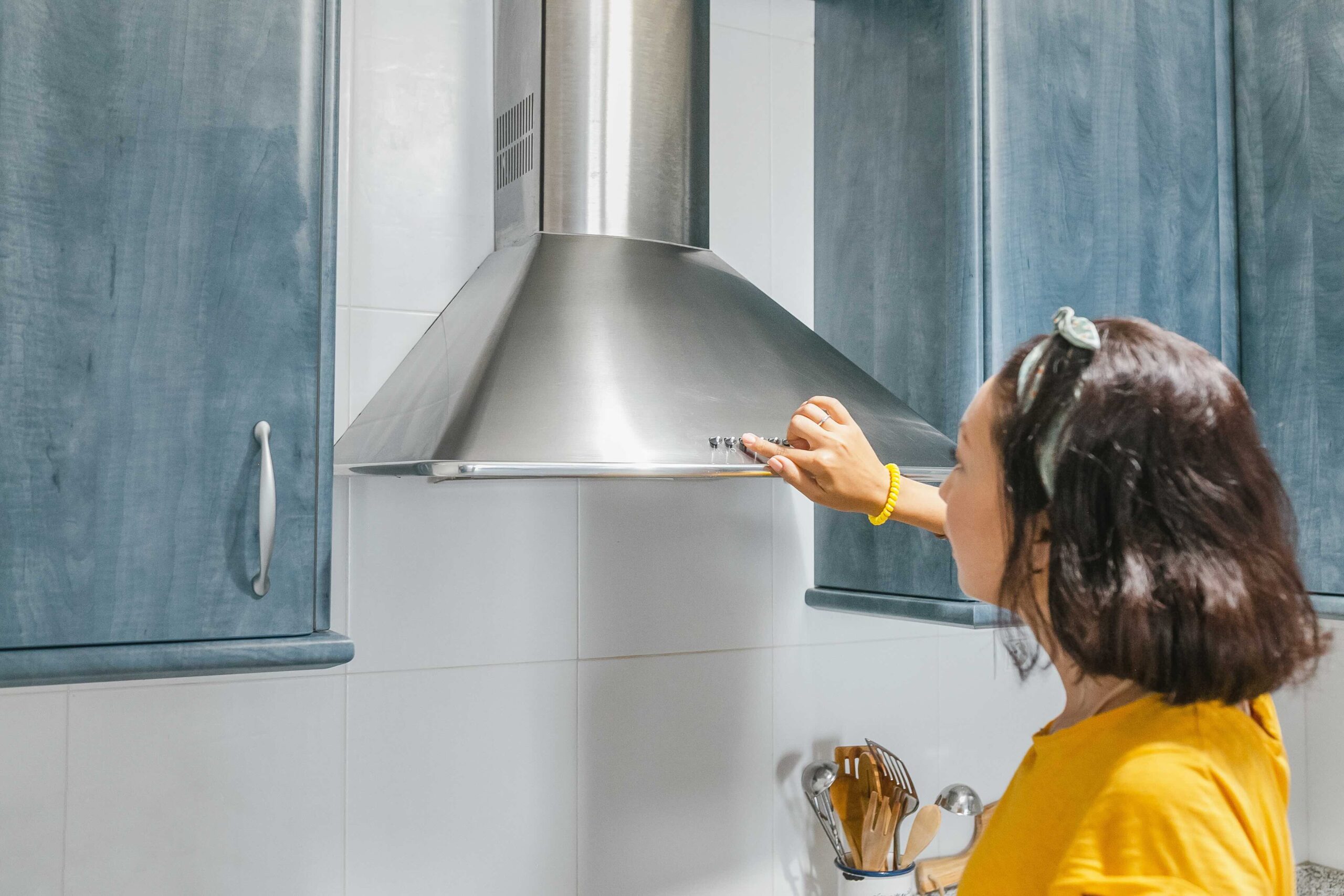
A kitchen hood, also called a range hood or exhaust hood, is positioned directly above your cooktop and uses a motorized fan to pull airborne contaminants upward and out of your kitchen. Those contaminants include grease particles, smoke, steam, carbon monoxide from gas burners, and cooking odors. Ducted hoods route that air through a ventilation shaft and expel it outside the home. Ductless or recirculating hoods pull the air through a filter system and return it to the kitchen, which is better than nothing but significantly less effective. The motor size and fan speed determine how much air the hood can displace in a given time frame, and that is where CFM comes back into the picture as the single most important spec on the product sheet.
Recommended CFM by Kitchen and Cooktop Type
There is no universal CFM that works for every kitchen, but there are widely accepted industry benchmarks that can guide your selection. The Home Ventilating Institute recommends that a kitchen hood exchange the air in the room at least 15 times per hour. For most residential kitchens, here is how that translates into practical CFM targets:
- Electric cooktops: A minimum of 150 CFM is the general baseline, though 300 to 400 CFM is more realistic for regular cooking.
- Gas cooktops: The standard recommendation is 100 CFM for every 10,000 BTUs your range produces. A typical gas range runs between 40,000 and 60,000 BTUs, putting the target between 400 and 600 CFM.
- Professional or commercial-style ranges: These can exceed 100,000 BTUs and often require 900 to 1,200 CFM or more, which typically demands a dedicated makeup air system.
- Island hoods: Since they lack wall support on any side, island installations lose some efficiency and generally need 20 to 25 percent more CFM than the equivalent wall-mounted unit.
These numbers are not arbitrary. They are rooted in ventilation science and reflect the actual volume of airborne byproducts a given heat source generates during typical cooking activity.

Key Advantages of a Properly Sized Kitchen Hood
When your range hood is sized correctly and functioning well, the benefits extend far beyond a smoke-free kitchen. Proper ventilation reduces the accumulation of grease on cabinets, walls, and countertops, which directly impacts how often you need to deep clean those surfaces. It also removes excess humidity from cooking, which matters in a home where moisture management affects everything from wood cabinets to drywall integrity. On gas ranges specifically, an effective hood reduces indoor exposure to combustion byproducts like nitrogen dioxide and carbon monoxide, both of which have documented health implications with repeated exposure. From a home value standpoint, a high-quality, appropriately sized hood is a feature that resonates with buyers who cook, and that is a meaningful segment of any real estate market.
Common Drawbacks and Limitations to Know Before You Buy
There is a flip side here that does not get discussed nearly enough. High-CFM hoods come with real trade-offs. A hood rated above 400 CFM, particularly in a tightly sealed modern home, can create negative air pressure that causes backdrafting in fireplaces, water heaters, and furnaces. This is not a minor issue. Backdrafting pulls combustion gases back into the living space instead of venting them out, which is a serious health and safety concern. Homes that use high-output hoods often need a makeup air system that introduces outside air to compensate for what is being exhausted. That adds cost, complexity, and another system that requires maintenance. Beyond that, hoods with high CFM ratings are frequently louder than their spec sheets suggest at maximum speed, and the ductwork routing required for effective performance is not always compatible with existing home layouts.
Noise Levels and the Sone Rating Explained
CFM gets most of the attention, but the sone rating is the measurement that will affect your daily experience more directly. A sone is a unit of perceived loudness. For reference, one sone is approximately the sound of a quiet refrigerator hum. Most residential hoods fall between one and four sones at lower speeds, but a hood running at full capacity to hit its maximum CFM can climb to six sones or higher. If your kitchen is open to a living area or dining space, that noise level becomes a factor in every conversation you try to have while cooking. When evaluating hoods, look for models that achieve their rated CFM at reasonable sone levels, and pay attention to the specs at the speed you will actually use most often, not just the maximum setting.
Installation Considerations That Affect Performance
Even the best hood on the market will underperform if the installation is compromised. Duct diameter is one of the most commonly overlooked factors. A hood rated for 600 CFM moving air through a four-inch duct is going to be significantly less effective than that same hood connected to a six or eight-inch duct. Longer duct runs with multiple elbows also reduce efficiency because each turn and every additional foot of ductwork creates resistance that the motor has to overcome. The optimal mounting height for most residential hoods is between 24 and 30 inches above the cooking surface for electric ranges and 24 to 36 inches for gas. Going too high reduces capture efficiency; going too low creates a clearance hazard, particularly with gas flames.
Maintenance That Keeps Your Hood Performing Over Time
A kitchen hood is not a set-it-and-forget-it appliance. The filters, whether baffle-style or mesh, accumulate grease with every use and need to be cleaned on a consistent schedule. For the average household cooking several times a week, that means cleaning the filters once a month. Grease-clogged filters reduce airflow measurably, which means your 600 CFM hood might be performing closer to 300 CFM because the air cannot move through the filter media efficiently. If your hood uses a charcoal filter for recirculation, those filters cannot be cleaned and need to be replaced every three to six months depending on usage. The motor and fan blades can also accumulate grease over time, particularly in high-output cooking environments, and should be inspected annually by someone who knows what they are looking at.
Why Armadillo Home Warranty Coverage Makes Sense for Kitchen Ventilation
Here is the part that often catches homeowners off guard: kitchen exhaust fans and range hood motors are mechanical components, which means they fail. The motor bearings wear down, capacitors burn out, and fan assemblies develop problems that require professional diagnosis and repair. When that happens, you want a plan in place before the repair bill lands on your counter. That is exactly where Armadillo home warranty coverage for kitchen appliances and ventilation systems delivers real value. Armadillo approaches home protection differently, with straightforward coverage terms and a claims process that does not require you to become an expert in fine print. If you are investing in a properly sized, high-performance range hood, it only makes sense to protect that investment alongside the rest of your kitchen systems. You can take the first step right now and get a free home warranty quote that covers kitchen exhaust fans and built-in appliances in just a few minutes. Peace of mind for your kitchen and every other system in your home is well within reach.
Frequently Asked Questions About Kitchen Hood CFM
What does CFM mean on a range hood?
CFM stands for cubic feet per minute and measures how much air a range hood can move in a single minute. It is the primary indicator of a hood’s ventilation capacity and effectiveness at removing smoke, grease, and odors from your kitchen.
How many CFM do I need for a gas range?
The standard recommendation is 100 CFM for every 10,000 BTUs your gas range produces. A typical residential gas range operates between 40,000 and 60,000 BTUs, which places the recommended CFM range between 400 and 600.
Is 400 CFM enough for a home kitchen?
For most electric cooktops and moderate gas ranges, 400 CFM is adequate. However, if you cook frequently at high heat or use a gas range with burners exceeding 40,000 total BTUs, a higher CFM rating will provide better performance.
What happens if my kitchen hood CFM is too high?
An oversized hood can create negative pressure in a tightly sealed home, which may cause backdrafting in combustion appliances like furnaces, water heaters, and fireplaces. Homes with hoods above 400 CFM often require a makeup air system to compensate.
What is the difference between a ducted and ductless range hood?
A ducted range hood vents air outside the home through a duct system, which is the more effective option. A ductless hood filters air through charcoal or carbon media and recirculates it back into the kitchen, which removes some odors but does not eliminate heat, humidity, or combustion gases as effectively.
How often should I clean my range hood filters?
For a household that cooks several times per week, baffle or mesh filters should be cleaned approximately once a month. Charcoal filters used in ductless hoods cannot be cleaned and should be replaced every three to six months depending on usage frequency.
What sone level is considered quiet for a range hood?
A range hood operating at three sones or below at moderate speed is generally considered quiet enough for open-concept living spaces. At maximum speed, most hoods will produce more noise, so it is important to review sone ratings at the speed you will use most regularly.
Does the height of my range hood affect performance?
Yes, mounting height directly impacts capture efficiency. For electric cooktops, the recommended range is 24 to 30 inches above the cooking surface. For gas cooktops, 24 to 36 inches is standard. Mounting too high reduces effectiveness; mounting too low creates a safety concern, especially with open flames.
Are range hood motors covered by home warranties?
Coverage varies by provider and plan, but many home warranty plans that include built-in appliances or kitchen systems will cover range hood motors and exhaust fan components. It is important to review the specific coverage terms of any plan before purchasing.
Can a range hood improve indoor air quality?
Yes, particularly ducted range hoods used over gas cooktops. Gas combustion releases nitrogen dioxide and trace amounts of carbon monoxide, and a properly functioning ducted hood removes these byproducts from the living space. Consistent use of adequate ventilation contributes meaningfully to better indoor air quality over time.