What Is a Kitchen Sink Clog Remover and Why Does It Matter
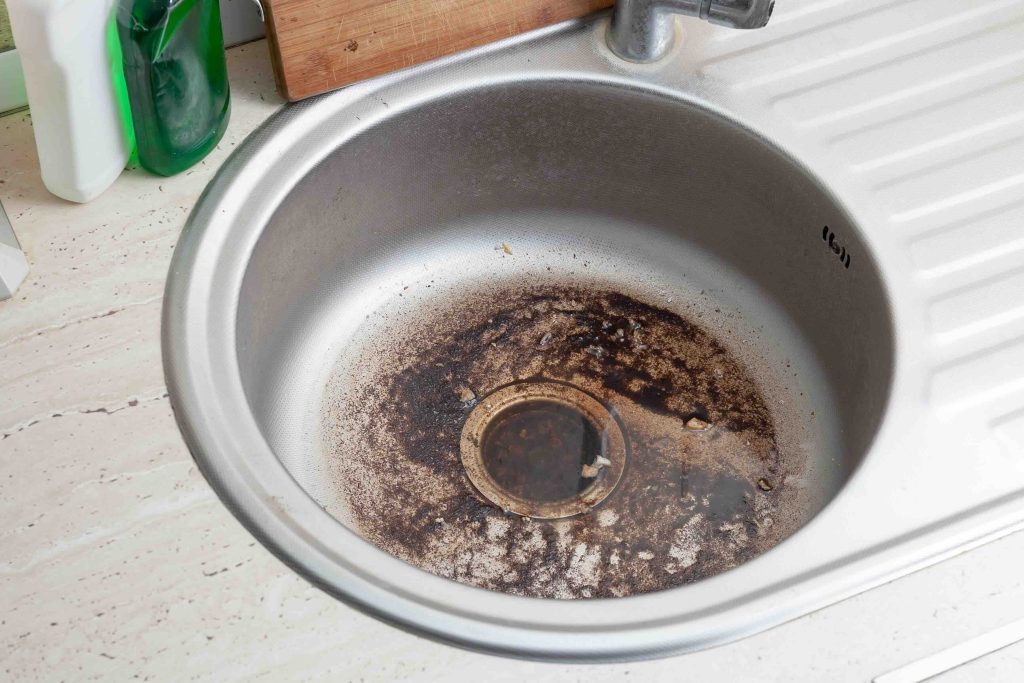
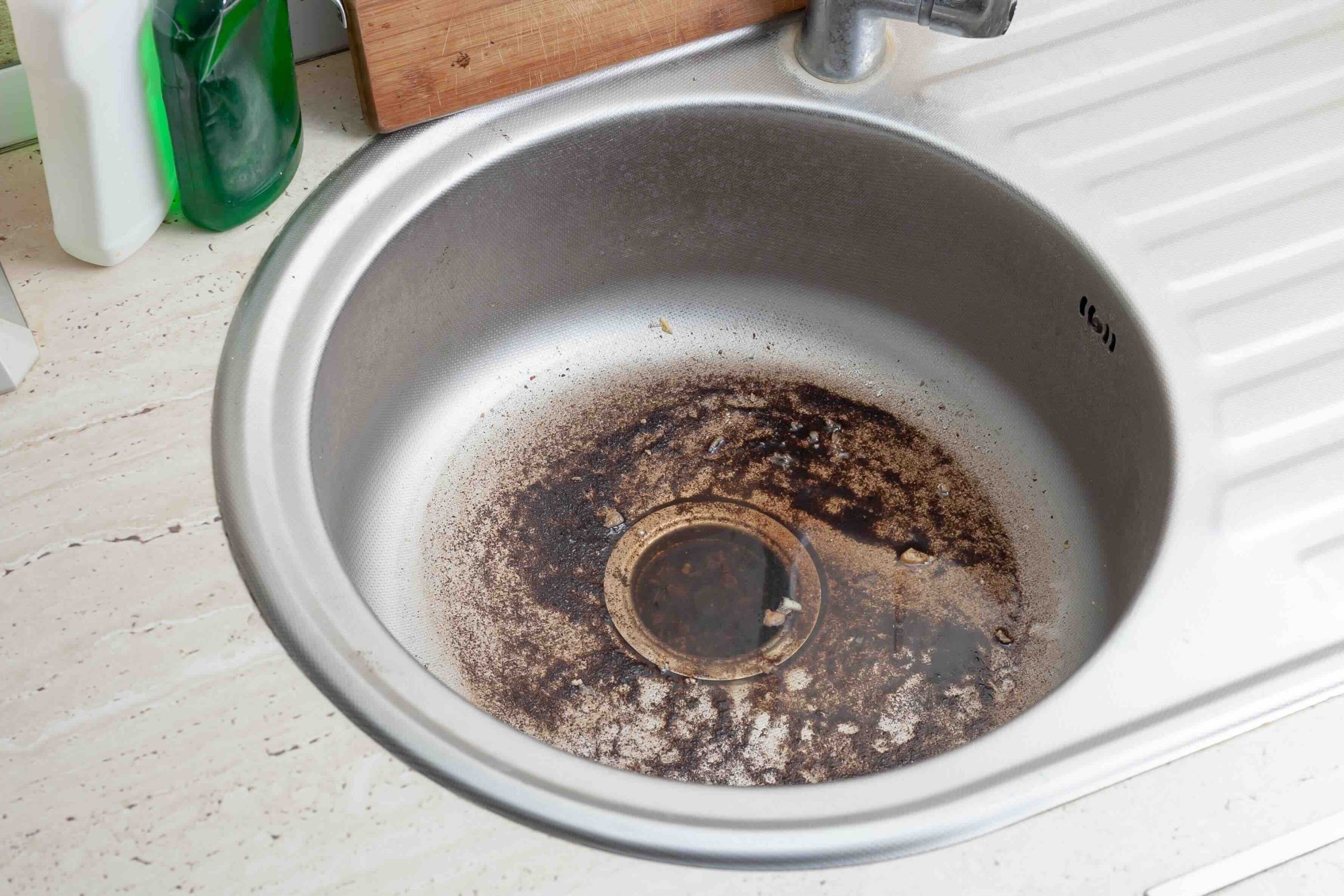
A kitchen sink clog remover is exactly what it sounds like: a product, tool, or method used to clear blockages from your kitchen sink drain. These clogs usually form over time from a combination of grease, soap residue, food particles, and general buildup that accumulates deep inside your pipes. The result is a slow drain that eventually stops draining at all. It is frustrating, it smells, and it tends to happen at the worst possible time. Understanding what a kitchen sink clog remover actually does, and knowing which type to reach for, can save you time and prevent a minor inconvenience from turning into a plumbing situation that costs real money.
Why Kitchen Sinks Clog More Than You Think
Kitchen sinks take a beating. Every meal, every dish, every rinsed cup sends something down that drain. Cooking oils and fats are particularly notorious because they enter the drain as a liquid but solidify inside the pipe as they cool. Add dish soap residue and small food particles to that mix and you get a layered buildup that gradually narrows the pipe opening. The garbage disposal, if you have one, helps but does not eliminate the problem. Some food waste still makes it past the disposal blades and sticks to pipe walls. Over time, that slow drain you have been ignoring becomes a full stop. This is why having a reliable kitchen sink clog remover on hand is part of responsible home maintenance, not just reactive problem-solving.
The Main Types of Kitchen Sink Clog Removers
Not every clog remover works the same way, and knowing the difference matters before you start pouring things down your drain. Here is a quick breakdown of the most common options available to homeowners:
- Chemical drain cleaners: These use strong alkaline or acidic compounds to dissolve organic matter. They work fast but come with serious trade-offs for older pipes and the environment.
- Enzymatic drain cleaners: These use natural bacteria and enzymes to break down organic buildup over time. Slower acting, but safer for pipes and septic systems.
- Drain snakes or augers: Mechanical tools that physically break up or pull out the clog. Highly effective for deeper, more stubborn blockages.
- Plungers: The classic approach. A good cup plunger creates suction that can dislodge most surface-level clogs without chemicals at all.
- Boiling water and dish soap: For grease-based clogs, this old-school method still works surprisingly well as a first attempt.
How Chemical Drain Cleaners Actually Work
Chemical-based kitchen sink clog removers are probably the most widely purchased option because they are fast and easy to find. When poured into a drain, they generate a heat-producing chemical reaction that breaks apart grease, hair, and food particles. Products containing sodium hydroxide, also known as lye, work on the alkaline side by turning fats into a soap-like substance that can be flushed away. Acid-based cleaners work similarly but are typically stronger and usually reserved for professional use. The issue is that this same chemical aggression can degrade certain pipe materials, particularly older metal pipes and PVC that has already seen years of wear. Using them too frequently can accelerate pipe deterioration, which is worth factoring into how often you reach for the bottle.
The Real Advantages of Using a Kitchen Sink Clog Remover
The most obvious benefit is convenience. A good kitchen sink clog remover gets your drain moving again without requiring a service call. For minor to moderate clogs, most of these products and tools work quickly enough that you can handle the problem in under an hour. Enzymatic options, used regularly as a preventive measure, can reduce the frequency of clogs significantly by keeping buildup from reaching the point of full blockage. Mechanical options like drain snakes give you direct control over the problem without introducing chemicals into your pipes at all. The variety of approaches means there is usually a solution that matches the severity of the clog, your pipe type, and your comfort level with DIY home maintenance.
Drawbacks and Risks You Should Know About
Using the wrong kitchen sink clog remover for your specific situation can make things worse. Chemical cleaners, if left too long or used too frequently, can soften PVC pipes and corrode metal ones. They can also create dangerous fumes if accidentally mixed with other cleaning products, which happens more often than people expect. Mechanical snaking, done without proper technique, can scratch or even crack drain components if too much force is applied. There is also the risk of a clog being deeper in the system than any consumer product can reach, in which case using multiple products back to back can create a chemical situation inside the pipe that becomes a hazard for a plumber to deal with later. Knowing when to stop and call a professional is part of handling this correctly.

Practical Tips for Clearing a Kitchen Sink Clog at Home
Before reaching for the strongest chemical cleaner available, work through a logical progression. Start simple and escalate only if needed. Boiling water poured in two or three stages can dissolve fresh grease clogs on its own. If that does not work, a combination of baking soda and white vinegar creates a fizzing reaction that can loosen moderate buildup. Follow that with hot water and repeat if necessary. If neither approach moves the clog, a plunger is the next step. Make sure you are using a cup plunger, not a flange plunger meant for toilets. After that, a handheld drain snake can reach a few feet into the pipe to physically remove whatever is lodged there. If you have ruled out all of these options and the drain still will not move, the problem is likely beyond the P-trap and into the main line, which is when professional help becomes the right call.
Preventing Kitchen Sink Clogs Before They Start
A kitchen sink clog remover works best when it is part of a maintenance routine rather than an emergency response. Running hot water down the drain for thirty seconds after washing dishes helps flush residual grease before it can solidify. Avoiding the drain for coffee grounds, pasta, rice, and starchy foods matters more than most homeowners realize, since those items absorb water and swell inside pipes. A mesh drain strainer is a simple and inexpensive addition that catches food particles before they enter the drain at all. Using an enzymatic drain cleaner once a month as a preventive treatment keeps microbial activity working in your favor inside the pipe. These small habits reduce the frequency of clogs and extend the life of your drain system.
When a Clog Signals a Bigger Plumbing Problem
Sometimes a kitchen sink clog is not just a clog. If multiple drains in your home are slow at the same time, or if water backs up into the sink while running the dishwasher or washing machine, the blockage may be located in the main sewer line rather than the kitchen drain specifically. Gurgling sounds from the drain, sewage odors coming up through the sink, or water pooling around floor drains are all signs that the issue has moved beyond what any consumer-level kitchen sink clog remover can fix. At that point, a licensed plumber with professional-grade equipment is the appropriate next step. Addressing it quickly prevents what starts as a clog from turning into a sewage backup, which is a significantly more costly repair situation.
How Armadillo Fits Into Your Home Maintenance Plan
Dealing with a kitchen sink clog remover once is manageable. Dealing with repeated plumbing issues, surprise repairs, and the ongoing uncertainty of what breaks next is where things get exhausting. That is where a home warranty becomes genuinely useful. Armadillo home warranty coverage for kitchen plumbing and drain systems is built for homeowners who want straightforward protection without the fine print runaround. When a clog turns into a plumbing failure, or when what seemed like a minor drain problem reveals a deeper pipe issue, having coverage in place changes the entire conversation. Rather than scrambling to find a technician and negotiate costs, you have a plan. Get a free home warranty quote to protect your kitchen plumbing and home systems and see what kind of coverage fits your home without overcomplicating the process. Home maintenance is already enough work without adding financial unpredictability on top of it.

Frequently Asked Questions About Kitchen Sink Clog Removers
Real answers to the questions homeowners ask most when dealing with a clogged kitchen sink drain.
What is the most effective kitchen sink clog remover?
It depends on the type of clog. For grease-based blockages, enzymatic or chemical drain cleaners work well. For solid debris clogs, a drain snake or auger is typically more effective than any liquid product.
Is it safe to use chemical drain cleaners on all pipes?
No. Chemical drain cleaners can degrade older metal pipes and weaken PVC over time with repeated use. Always check the product label for compatibility with your pipe type before using it.
How long should I leave a drain cleaner in the sink before flushing?
Most chemical drain cleaners recommend leaving the product in the drain for 15 to 30 minutes before flushing with hot water. Always follow the specific instructions on the product you are using.
Can I use a kitchen sink clog remover if I have a garbage disposal?
Yes, but use caution. Avoid pouring harsh chemical cleaners directly into a disposal unit as they can damage the rubber components. Enzymatic cleaners and mechanical methods are generally safer around disposals.
Why does my kitchen sink keep clogging even after I clear it?
Recurring clogs usually indicate a buildup issue deeper in the pipe or a consistent problem like grease disposal habits that keep reintroducing material to the drain. Regular preventive maintenance and drain strainers can help break the cycle.
What should I do if a drain cleaner does not work?
If a chemical or enzymatic product fails to clear the clog, try a plunger or handheld drain snake next. If those also fail, the blockage may be located further down the main drain line and may require a licensed plumber.
How often should I use a preventive drain cleaner in my kitchen sink?
Using an enzymatic drain cleaner once a month is generally sufficient for maintaining a clear kitchen drain and reducing the chance of buildup reaching the point of blockage.
Are natural drain cleaners like baking soda and vinegar actually effective?
They can be effective on fresh, minor clogs, particularly those caused by grease or light soap buildup. They are not strong enough to clear solid or deeply rooted blockages, but they are a safe first option worth trying before escalating.
Can a kitchen sink clog cause damage to my pipes if left untreated?
Yes. Standing water created by a clog puts pressure on pipe joints and seals over time. It can also contribute to pipe corrosion and may lead to leaks if the blockage is severe and left unaddressed for an extended period.
Does a home warranty cover kitchen drain clogs?
Coverage varies by provider and plan. Some home warranty plans cover plumbing systems including drain line stoppages, while others have exclusions for clogs deemed maintenance-related. Reviewing your policy details or speaking with your provider directly is the best way to confirm what is included in your plan.