What Is a Lamp Socket and Why Does It Matter in Your Home?
Most homeowners never think about lamp sockets until a light stops working. You replace the bulb, flip the switch, and nothing happens. That is usually the moment when the socket itself becomes the suspect. A lamp socket is the component inside a light fixture that holds the bulb in place and delivers electrical current to it. It sounds simple, and in concept it is, but when it fails, the entire fixture becomes useless. Understanding how this small but essential piece of hardware works can save you time, money, and a surprising amount of frustration.
How a Lamp Socket Actually Works
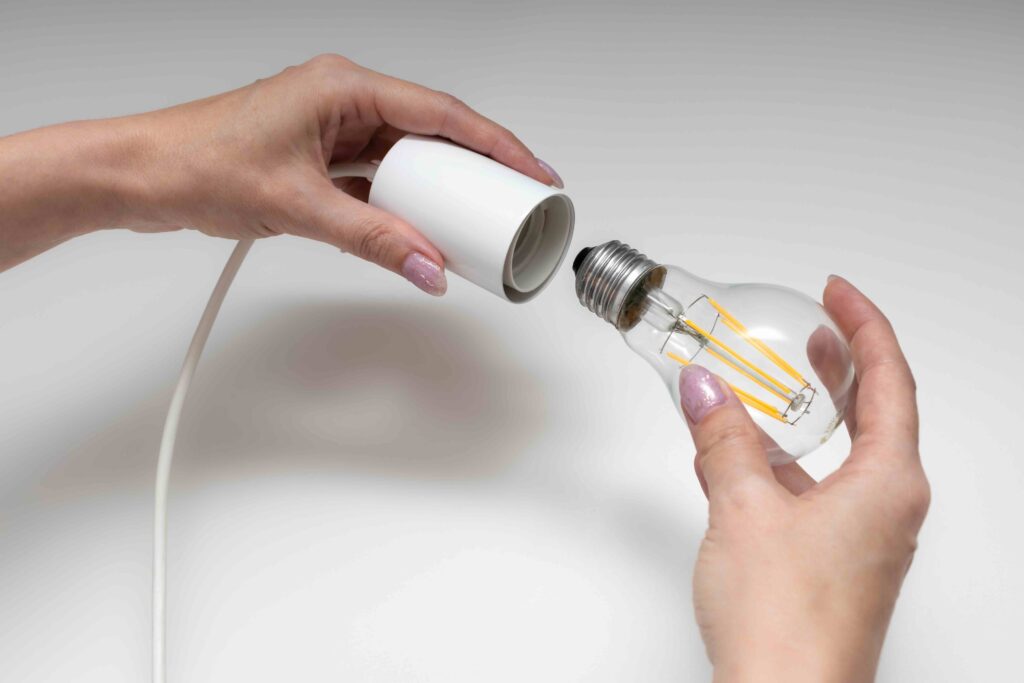
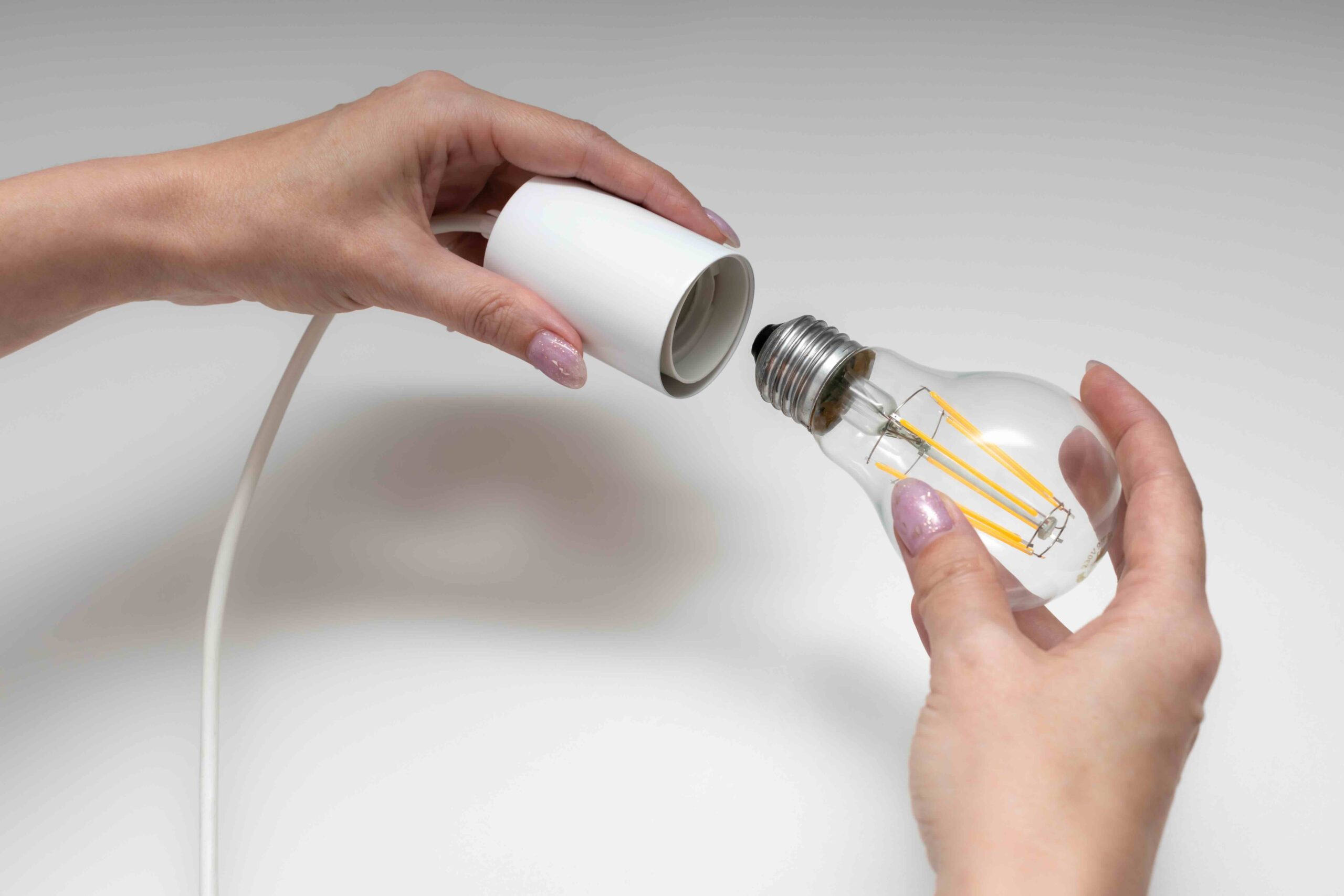
A lamp socket consists of a few key parts: the outer shell, the insulating sleeve, the brass contact at the bottom, and the socket cap that connects to the fixture wiring. When you screw in a bulb, the base of the bulb makes contact with the brass tab at the bottom of the socket. Electricity flows through the hot wire into that contact, through the bulb, and returns via the neutral wire connected to the shell. That completed circuit is what produces light. The socket also contains a switch mechanism in many table and floor lamps, which controls the flow of electricity without requiring a wall switch. When any one of these components degrades, corrodes, or breaks, the circuit fails and the light goes out.
Common Signs That a Lamp Socket Needs Replacing
Recognizing socket failure early matters. A bad socket does not always announce itself dramatically. Sometimes the symptoms are subtle and easy to confuse with a bulb issue. Here are the most common indicators that a lamp socket has reached the end of its service life:
- The bulb flickers even after being replaced with a new one
- The lamp works only when the bulb is pressed or wiggled into a certain position
- There is visible scorching, discoloration, or melting around the socket interior
- The socket feels unusually warm or emits a faint burning smell
- The light simply does not turn on despite a functioning bulb and working circuit
Any of these signs warrant immediate attention. A damaged socket is not just an inconvenience — it is a potential fire hazard.
How to Replace a Lamp Socket: A Practical Overview
Replacing a lamp socket is one of the more manageable DIY electrical tasks a homeowner can take on, provided you approach it carefully. The process begins with unplugging the lamp entirely. Never attempt socket work on a plugged-in fixture. From there, you remove the harp and shade, unscrew the bulb, and press firmly on the outer shell while turning it to release it from the socket cap. Once the shell is removed, you will find two wires — typically a neutral and a hot — connected to terminal screws. You disconnect those, attach the wires to the corresponding terminals on the new socket, reassemble in reverse order, and restore power. The entire process usually takes under thirty minutes for a standard table lamp. For ceiling fixtures or anything hardwired into the wall, a licensed electrician should handle the work.

Key Advantages of Replacing a Lamp Socket Promptly
There is genuine value in addressing a bad socket sooner rather than later. A functioning socket ensures consistent electrical contact, which reduces heat buildup around the bulb base — a leading cause of premature bulb failure. Replacing a worn socket also restores full light output, which matters more than people realize in spaces like reading nooks, kitchens, or home offices. Beyond the functional benefits, a fresh socket often solves the flickering problem that many homeowners mistakenly attribute to incompatible bulb types or wiring issues. It is a low-cost fix with a high return in terms of performance, safety, and peace of mind.
Potential Drawbacks and Limitations to Know
Lamp socket replacement is not without its complications. Older fixtures sometimes use non-standard socket sizes, making it difficult to find exact replacement parts at a typical hardware store. Some vintage or antique lamp bases are assembled in ways that make socket access genuinely difficult without risking damage to the fixture. Additionally, if the wiring inside the lamp cord itself is brittle, frayed, or degraded, replacing just the socket addresses only part of the problem. In those cases, rewiring the entire lamp is the safer and more cost-effective long-term solution. It is also worth noting that repeated socket failures in the same fixture often signal an underlying issue — such as using bulbs that exceed the fixture’s wattage rating — that needs to be corrected alongside the hardware replacement.
Choosing the Right Replacement Socket
Lamp sockets are not one-size-fits-all. The most common residential socket type is the medium base, designated E26, which fits the standard bulb size found in most table and floor lamps. Smaller candelabra fixtures use E12 sockets, and some specialty lamps use mogul or intermediate base sockets. Beyond size, you will also need to match the socket’s voltage and wattage rating to your fixture’s specifications. Sockets are available with different switch types as well, including keyless, turn-knob, pull-chain, and push-through configurations. Getting the right specification before you purchase saves a return trip to the hardware store and ensures the repair holds up long term.
When to Call a Professional Instead
There is no shame in recognizing when a repair exceeds comfortable DIY territory. If the lamp in question is hardwired into a wall or ceiling, the socket replacement becomes an electrical repair that involves working inside a junction box. That work requires shutting off the circuit at the breaker, testing with a voltage meter to confirm the power is off, and handling wiring in a confined space. For homeowners without electrical experience, this is a job best left to a licensed electrician. Similarly, if the fixture shows signs of heat damage beyond the socket itself — charring on the fixture housing, melted insulation on the wires — a professional assessment is the right call before any replacement parts are installed.
How Home Warranties Factor Into Electrical Repairs
Here is where things get interesting for homeowners. A single lamp socket replacement is a modest, inexpensive task. But electrical issues in a home rarely stop at one fixture. Wiring faults, switch failures, outlet problems, and fixture malfunctions accumulate over time, and the repair costs add up faster than most people expect. A home warranty that covers electrical systems can absorb a significant portion of those costs. Coverage typically extends to interior wiring, outlets, switches, and certain built-in fixtures — though portable lamps are generally excluded. Knowing the scope of your coverage ahead of time helps you plan repairs strategically and avoid surprises when something stops working.
Why Armadillo Is the Right Partner for Homeowners Facing Electrical Issues
When electrical components start failing — sockets, switches, outlets, or anything else wired into your home’s system — the costs and logistics can pile up quickly. That is exactly the kind of unpredictable home expense that Armadillo home warranty coverage for electrical systems and appliances is designed to address. Armadillo offers straightforward, transparent plans built for real homeowners who want protection without the confusing fine print. Whether you are dealing with a hardwired fixture that keeps failing or a larger electrical repair that requires a licensed technician, having the right warranty in place means you are not absorbing that cost alone. If you are ready to stop guessing what your next repair will cost, get a free home warranty quote for electrical and home systems protection and see exactly what coverage looks like for your home. Armadillo keeps it simple, honest, and genuinely useful — the way home protection should work.

Frequently Asked Questions About Lamp Socket Replacement
These are the questions homeowners ask most often when dealing with lamp socket issues, replacement options, and related electrical concerns.
How do I know if my lamp socket is bad or if it is just the bulb?
Replace the bulb first with a known working bulb. If the lamp still does not function or continues to flicker, the socket is the likely cause. A bad socket often shows visible discoloration, a burning smell, or inconsistent contact that makes the bulb work only in certain positions.
Is replacing a lamp socket safe to do yourself?
Yes, for plug-in lamps, replacing the socket is a safe DIY task as long as the lamp is unplugged before you begin. For hardwired ceiling or wall fixtures, the work involves live household wiring and should be handled by a licensed electrician.
What tools do I need to replace a lamp socket?
You typically need a flathead screwdriver, a Phillips screwdriver, and needle-nose pliers. Some sockets also require a utility knife to strip wire ends if the existing wire is being reused. A voltage tester is essential for any hardwired fixture work.
How much does it cost to replace a lamp socket?
The socket hardware itself usually costs between three and fifteen dollars depending on the type and quality. If you hire an electrician for a hardwired fixture, labor costs typically range from fifty to one hundred fifty dollars depending on your location and the complexity of the job.
Can a faulty lamp socket cause a fire?
Yes. A damaged or corroded socket creates resistance in the electrical connection, which generates heat. Over time, that heat can damage the fixture housing, degrade wire insulation, and in worst-case scenarios, ignite nearby materials. Any socket showing burn marks or heat damage should be replaced immediately.
Why does my lamp socket keep burning out?
The most common cause is using a bulb with a higher wattage than the fixture is rated for. Excess heat degrades the socket over time. Using LED bulbs, which run significantly cooler than incandescent options, can extend socket life considerably.
Does a home warranty cover lamp socket replacement?
Most home warranty plans cover built-in electrical components such as hardwired fixtures, switches, and outlets. Portable plug-in lamps are typically not covered because they are considered personal appliances rather than home systems. Review your specific plan terms to understand what is and is not included.
What is the difference between an E26 and E12 socket?
E26 refers to a medium base socket with a 26-millimeter diameter, which is the standard size for most household lamps. E12 is a candelabra base with a 12-millimeter diameter, used in smaller decorative fixtures and chandeliers. Using the wrong socket size will prevent the bulb from fitting or making proper electrical contact.
How long does a lamp socket typically last?
A quality lamp socket can last decades under normal use. Premature failure is usually caused by oversized bulbs, frequent on-off cycling, poor quality components, or environmental factors like moisture exposure in outdoor or bathroom fixtures.
Can I replace a turn-knob socket with a pull-chain socket?
Yes, as long as the socket base size and wiring configuration are compatible. Swapping switch types is a common reason homeowners choose to upgrade a socket, and the installation process is essentially the same regardless of the switch mechanism selected.