What Is a Large Central Air Conditioning Unit and Why Does It Matter?
If you own a home with more than one story, a sprawling floor plan, or just a lot of square footage to cool, you have probably already encountered the term “large central air conditioning unit.” This refers to a high-capacity HVAC system designed to cool an entire home through a network of ducts and vents, typically rated at three tons or higher. Unlike window units or portable air conditioners, a large central AC system is a permanent, whole-home solution that works quietly in the background while you go about your day. It is one of the most significant mechanical systems in any home, and understanding how it works can help you protect it, maintain it, and make smarter decisions when something goes wrong.
How a Large Central Air Conditioning Unit Actually Works
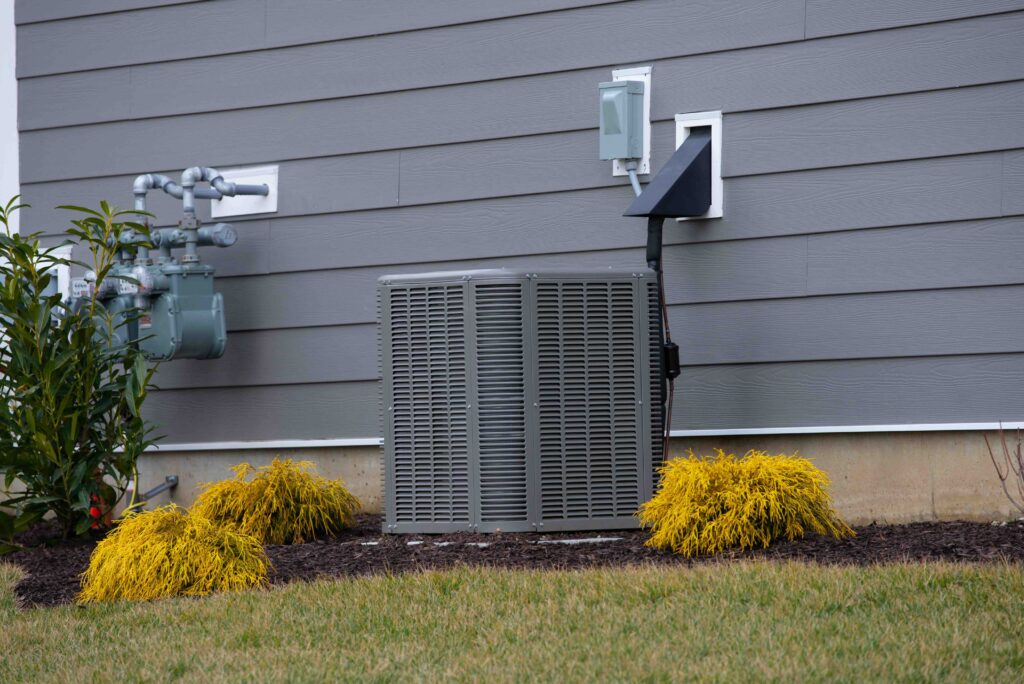
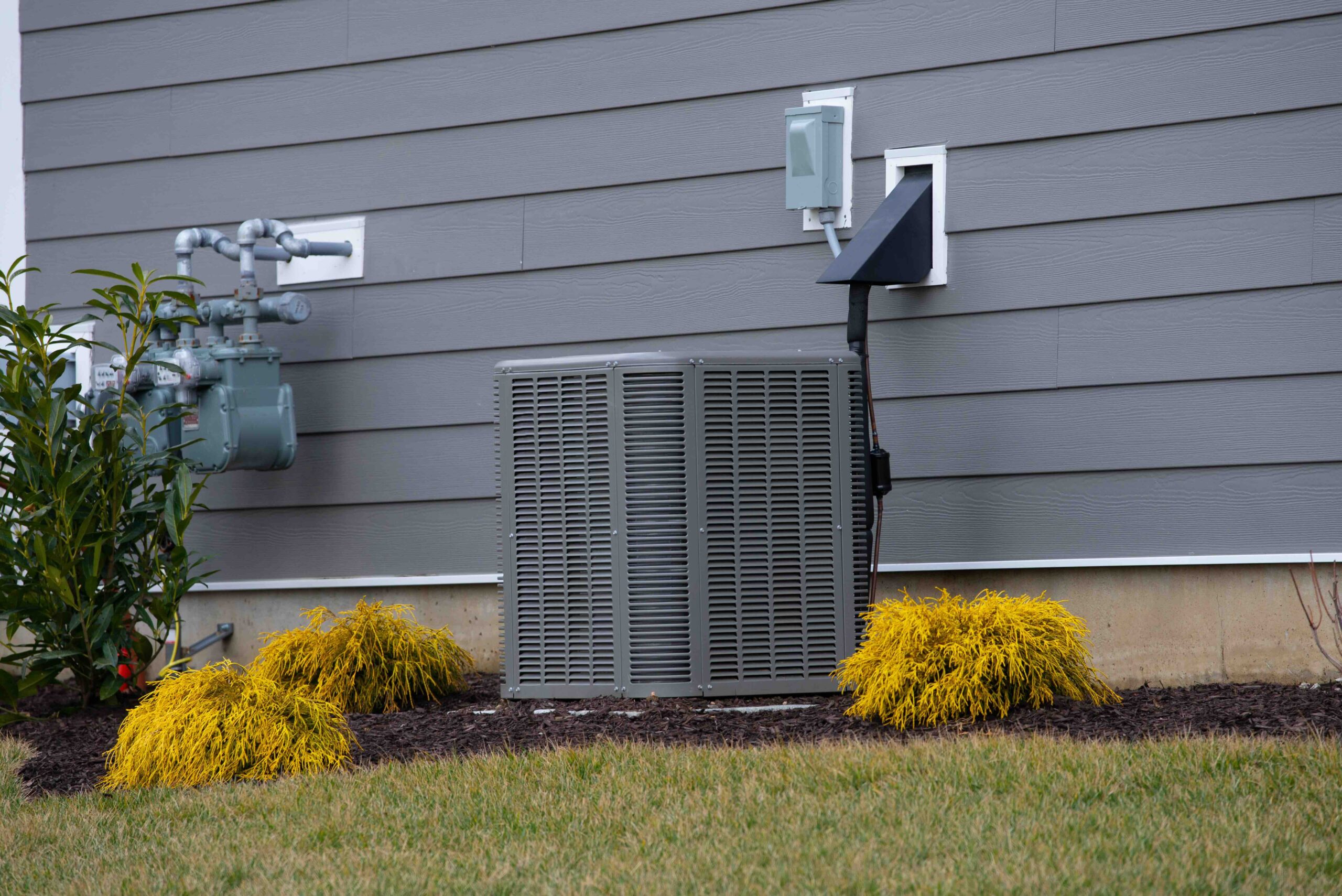
The basic principle behind central air conditioning has not changed much over the decades, but the technology has gotten considerably more refined. A large central AC system consists of two main components: an outdoor condensing unit and an indoor air handler or evaporator coil. Refrigerant circulates between these two components, absorbing heat from inside your home and releasing it outside. The indoor air handler pulls warm air from your living spaces through return ducts, passes it over the cold evaporator coil, and then pushes the cooled air back through supply vents throughout the house. For larger homes, systems may be zoned, meaning different areas of the home can be cooled independently based on occupancy and preference. The thermostat acts as the brain of the operation, telling the system when to kick on, how long to run, and when to rest. Larger units also tend to run at higher amperage, which is worth knowing when you are thinking about energy costs.
What Size Central AC Unit Does Your Home Actually Need?
Sizing a central air conditioning unit correctly is one of the most important and most misunderstood parts of the process. Bigger is not always better. An oversized unit will cool your home too quickly, short-cycle, and fail to remove humidity effectively, leaving your home feeling clammy even when the temperature is technically correct. An undersized unit will run constantly without ever catching up on the hottest days of the year. HVAC professionals use a calculation called Manual J load calculation to determine the right size unit for a given home. Factors include square footage, ceiling height, number of windows, insulation levels, local climate, and even which direction your home faces. For most large homes, this results in a recommendation somewhere between three and five tons of cooling capacity, though some very large properties require multiple systems.

The Key Advantages of a Large Central Air Conditioning System
There is a reason central air conditioning remains the gold standard for whole-home comfort in the United States. For larger homes especially, the advantages are hard to argue with. Here is what makes a large central AC unit stand out from other cooling options:
- Consistent, even cooling throughout the entire home rather than isolated cool spots
- Improved indoor air quality through built-in filtration that removes dust, pollen, and particulates
- Quieter operation compared to window units, since the noisiest components sit outside
- Integration with smart thermostats and zoning systems for precise, room-by-room temperature control
- Higher energy efficiency ratings available through modern units, particularly those with variable-speed compressors
- Increased home value and buyer appeal compared to homes without central air
Common Drawbacks and Limitations to Know Before You Commit
No home system is without its trade-offs, and large central air conditioning units are no exception. The upfront cost of purchasing and installing a large central AC system can range from several thousand dollars to well over ten thousand dollars, depending on the size of the unit, the complexity of the ductwork, and local labor rates. Operating costs are also meaningful, particularly for older or less efficient units. Ductwork is another consideration. Homes without existing duct systems require a significant installation project, and even homes with ducts may have leaks or inefficiencies that reduce system performance. Routine maintenance is not optional with these systems. Neglecting filter changes, coil cleaning, and annual professional tune-ups shortens the lifespan of the unit considerably. And when a major component fails, such as the compressor or the air handler motor, repair costs can be substantial enough to cause real financial stress.
Energy Efficiency Ratings and What They Mean for Your Wallet
When shopping for a large central AC unit, you will encounter efficiency ratings that can feel like alphabet soup if you are not familiar with them. The most common is SEER2, which stands for Seasonal Energy Efficiency Ratio 2. This updated rating system replaced the older SEER standard and reflects real-world operating conditions more accurately. The higher the SEER2 rating, the more efficiently the unit converts electricity into cooling. Modern high-efficiency units can carry SEER2 ratings above 20, which can translate into meaningful monthly savings on your energy bill compared to older units with ratings in the single digits. For large homes where the AC runs frequently, the return on investment from a more efficient unit can be significant over time. Variable-speed compressors and two-stage cooling systems also contribute to efficiency by allowing the unit to operate at lower capacity during moderate temperatures rather than constantly cycling on and off at full power.
Maintenance Best Practices to Extend the Life of Your Large AC Unit
A large central air conditioning unit is a significant investment, and proper maintenance is the most straightforward way to protect it. Most HVAC professionals recommend a professional tune-up at least once per year, ideally in the spring before peak cooling season begins. During a tune-up, a technician will check refrigerant levels, inspect electrical connections, clean the evaporator and condenser coils, lubricate moving parts, and test overall system performance. Between professional visits, homeowners should replace air filters every one to three months depending on usage and household conditions. Keeping the area around the outdoor condenser unit clear of debris, leaves, and overgrown vegetation is also essential for proper airflow. Checking the condensate drain line periodically can prevent water damage caused by blockages. These are small habits that pay dividends in system longevity and performance.
Signs That Your Large Central AC Unit May Need Repair or Replacement
Knowing when to repair and when to replace is one of the more consequential decisions a homeowner can face. A general rule of thumb is that if a repair costs more than half the price of a new unit, and the existing unit is over ten to fifteen years old, replacement is often the smarter financial move. But before it gets to that point, there are warning signs worth watching for:
- Inconsistent cooling or hot spots that persist even after filter changes
- Unusually high energy bills without a clear explanation
- Frequent cycling on and off in short intervals
- Strange noises such as grinding, banging, or rattling from the unit
- Ice formation on the refrigerant lines or evaporator coil
- Humidity levels that feel unmanageable even when the system is running
- The system requiring refrigerant top-offs more than once per year
How a Home Warranty Can Protect You From Large AC Repair Costs
Here is where things get practical. A large central air conditioning unit contains components that are expensive to diagnose, repair, and replace. Compressors alone can cost anywhere from one thousand to several thousand dollars, and that is before labor. For homeowners who want protection from those unexpected costs, a home warranty that covers central air conditioning systems is worth serious consideration. Armadillo offers home warranty coverage designed specifically for the kinds of systems that matter most in a home, and central AC is squarely in that category. As a trusted home warranty provider for large central air conditioning systems and other major home systems, Armadillo keeps the process simple, transparent, and genuinely useful when something breaks. No confusing fine print, no runaround. Just coverage that shows up when you need it. If you are ready to stop worrying about what happens the next time your AC unit acts up, you can get a free home warranty quote for central air conditioning coverage in seconds and see exactly what protection looks like for your home.

Frequently Asked Questions About Large Central Air Conditioning Units
Here are answers to some of the most common questions homeowners have about large central AC systems, maintenance, costs, and coverage.
How long does a large central air conditioning unit typically last?
Most large central AC units have a lifespan of fifteen to twenty years when properly maintained. Units that are not serviced regularly or that are oversized for the home tend to wear out faster, sometimes in as few as ten to twelve years.
What size central AC unit do I need for a 3,000 square foot home?
A 3,000 square foot home typically requires a four to five ton central air conditioning unit, but the precise size depends on insulation quality, ceiling height, window count, and local climate. A Manual J load calculation from a licensed HVAC technician provides the most accurate answer.
Why is my large central AC unit running constantly but not cooling the house?
Continuous running without adequate cooling can indicate a refrigerant leak, a dirty or failing evaporator coil, a clogged air filter, or an undersized system for the home. A licensed HVAC technician should inspect the unit to diagnose the specific cause.
How often should a large central AC unit be serviced?
Annual professional maintenance is the standard recommendation, typically scheduled in the spring before cooling season. Filter changes should occur every one to three months depending on usage and indoor air quality conditions.
What does a SEER2 rating mean and why does it matter?
SEER2 measures how efficiently a central air conditioning unit converts electricity into cooling over an entire season. Higher SEER2 ratings indicate greater efficiency and lower operating costs. Modern high-efficiency units often carry SEER2 ratings of 16 or higher.
Is a larger central AC unit always better for cooling a big home?
No. An oversized unit cools the home too quickly, short-cycles before removing humidity effectively, and increases wear on components. Proper sizing based on a load calculation is essential for both comfort and system longevity.
Does a home warranty typically cover a large central air conditioning unit?
Many home warranty plans include coverage for central air conditioning systems, including components like the compressor, air handler, and electrical components. Coverage details vary by provider, so reviewing what is included and excluded before purchasing is important.
How much does it cost to replace a large central AC unit?
Replacement costs for a large central air conditioning unit typically range from five thousand to fifteen thousand dollars or more, depending on the unit size, brand, efficiency rating, and local installation costs. Ductwork modifications or replacements add to that total.
What is short-cycling in a central AC unit and why is it a problem?
Short-cycling occurs when the AC unit turns on and off in rapid intervals rather than completing full cooling cycles. It causes excessive wear on the compressor, reduces efficiency, fails to properly dehumidify indoor air, and often signals an underlying issue like an oversized unit or a refrigerant problem.
Can a home warranty help cover emergency AC repairs in the middle of summer?
Yes. A home warranty with central air conditioning coverage can help offset the cost of covered repairs, including those that happen unexpectedly during peak cooling season. Many warranty providers offer service request processes that connect homeowners with qualified technicians promptly.