When a Drip Becomes a Disaster: Understanding Leaky Outdoor Faucets in Winter
It starts with a small drip. You notice it in October, think “I’ll deal with that later,” and by January you are staring at a burst pipe and a water bill that makes your stomach drop. Outdoor faucets — also called hose bibs or spigots — are one of the most overlooked components of a home’s plumbing system, and winter has a way of turning minor neglect into major problems fast. Understanding how these fixtures work, why they fail in cold weather, and what you can do about it is genuinely useful information for any homeowner. So let’s get into it.
What Is an Outdoor Faucet and How Does It Work
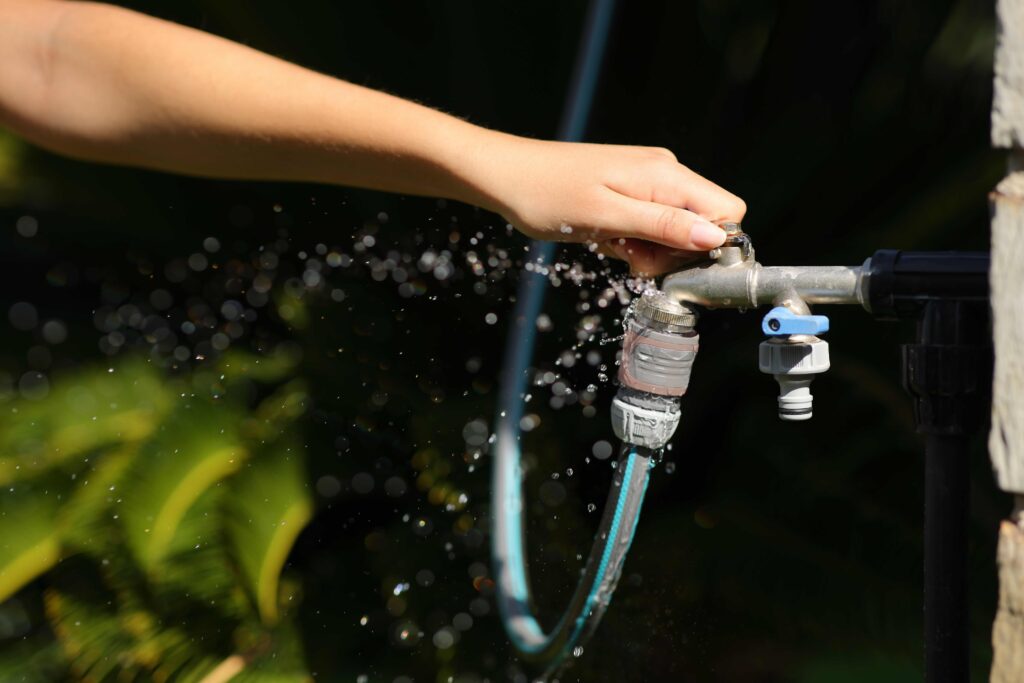
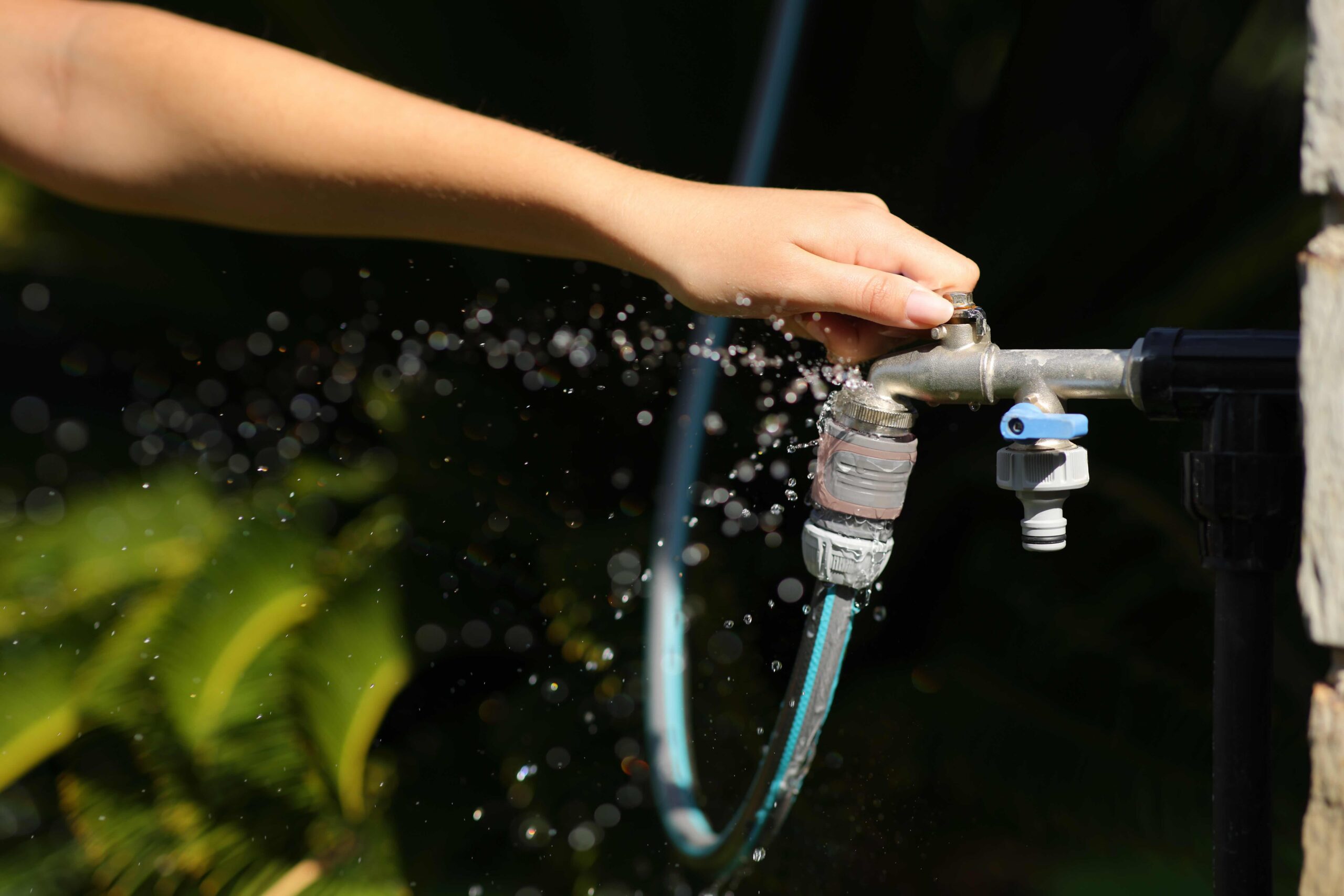
An outdoor faucet is a valve connected to your home’s main water supply line that allows water access from outside the house. Most homes have at least one, and older homes sometimes have several positioned around the perimeter. The standard exterior faucet is a compression-style valve — when you turn the handle, a stem compresses against a seat inside the body to stop or allow water flow. Frost-free faucets, which are the more modern and winter-appropriate version, have a longer stem that positions the actual shutoff point 8 to 12 inches inside the wall where temperatures stay above freezing. That design difference is everything when cold weather arrives.
Why Cold Weather and Outdoor Faucets Are a Dangerous Combination
Water expands when it freezes — that’s basic physics, but the consequences for your plumbing are anything but basic. When water sitting in an outdoor faucet or the pipe just behind it freezes, the pressure it generates can crack the faucet body, split the supply pipe, or damage internal components. A standard outdoor faucet left connected to a garden hose in freezing temperatures is especially vulnerable. The hose traps water inside the faucet body and prevents drainage, which defeats the purpose of even a frost-free design. The damage often happens silently. You may not notice the crack until spring when you turn the water back on and suddenly there is water spraying inside your wall.
Signs Your Outdoor Faucet Is Already Leaking or Compromised
Catching a leaky outdoor faucet before winter sets in can save significant money and stress. There are a few telling signs that something is already wrong or heading in that direction.
- Water dripping from the spout even when the handle is fully closed
- Leaking from around the handle or packing nut while the faucet is in use
- Visible corrosion, rust, or mineral buildup on the faucet body
- Reduced water pressure or inconsistent flow from the outdoor spigot
- Unexplained wet spots on interior walls near the faucet location
- A faucet handle that feels loose, stiff, or difficult to turn completely
Any one of these symptoms warrants attention before the first freeze. Multiple symptoms together are essentially a plumbing emergency waiting to happen.
Common Causes of Outdoor Faucet Leaks
A leaking outdoor faucet is rarely the result of just one thing. Worn washers and O-rings are among the most frequent culprits — these rubber components degrade over time from regular use and temperature cycling. The packing inside the valve stem can also deteriorate, allowing water to seep past the handle during use. In frost-free faucets, a disconnected or damaged vacuum breaker can cause backflow and leaking. And of course, physical damage from freezing is its own category entirely. The pipe connection behind the wall, the faucet body itself, and soldered joints are all vulnerable points that cold-weather stress can compromise. Age is a compounding factor across all of these — most faucets have a functional lifespan of 10 to 20 years depending on use and climate.

How to Winterize Your Outdoor Faucet the Right Way
Winterizing an outdoor faucet is straightforward when you know the steps, and it takes less than 15 minutes per faucet. Start by disconnecting any garden hoses — leaving a hose attached is the single most common mistake homeowners make. Next, locate the shutoff valve for that faucet inside the house, typically in a basement, crawl space, or utility area. Turn it off completely. Then go back outside and open the faucet to drain any remaining water from the line. Leave the handle in the open position briefly to allow full drainage before closing it again. If your home has older standard faucets rather than frost-free models, consider installing faucet covers for an added layer of insulation. They are inexpensive and widely available at hardware stores.
Frost-Free Faucets Versus Standard Faucets: What You Should Know
If your home still has standard outdoor faucets, upgrading to frost-free models is one of the more cost-effective plumbing improvements you can make before winter. A frost-free hose bib costs between $15 and $40 for the part itself, and professional installation typically runs between $75 and $200 depending on your location and the complexity of the existing plumbing. The long-term protection that comes from having the shutoff point positioned inside a conditioned wall space is worth considerably more than that. That said, frost-free faucets are not completely immune to freezing if a hose is left attached. The design only works correctly when water can drain freely from the faucet body after use.
When to Repair Versus When to Replace an Outdoor Faucet
Minor leaks caused by worn washers, O-rings, or packing material are typically repair-worthy. These are low-cost fixes that a handy homeowner can often handle independently or a plumber can address quickly. However, if the faucet body is cracked, the valve seat is damaged, or there has been any freeze-related damage to the pipe behind the wall, replacement is usually the smarter call. Trying to patch a cracked faucet body is a temporary solution at best. The same applies to faucets that are more than 15 years old and showing multiple signs of wear — the cost of continued repairs can quietly exceed the cost of full replacement when you add them up over a season or two.
The Hidden Costs of Ignoring a Leaky Outdoor Faucet
A slow drip from an outdoor faucet might seem harmless, but the math adds up quickly. A faucet dripping at one drip per second wastes approximately 3,000 gallons of water per year. Multiply that across higher-flow leaks or multiple faucets, and the water waste becomes meaningful on both an environmental and financial level. But the real cost exposure comes from what happens downstream — or rather, inside the wall. A frozen and burst pipe can release hundreds of gallons of water into your home’s structure before anyone notices. Water damage remediation costs routinely run into the thousands, and in severe cases tens of thousands, of dollars. Mold remediation, drywall replacement, and flooring repairs are all potential consequences of one unaddressed outdoor faucet.
How a Home Warranty Can Help Protect You From Plumbing Surprises
When a leaky outdoor faucet leads to something bigger — a burst pipe, internal water damage, or a failed plumbing component — the repair costs can catch homeowners completely off guard. That is exactly where a home warranty earns its value. Armadillo’s home warranty plans for whole-home plumbing protection are built with real homeowners in mind, offering straightforward coverage for the kinds of plumbing failures that tend to happen at the worst possible times. There are no confusing exclusions buried in the fine print and no runaround when you actually need service. If you want to stop dreading the next plumbing surprise that winter might send your way, get a free home warranty quote to cover outdoor faucet and plumbing repairs and find out exactly what a plan costs for your home. The peace of mind is real, and so is the savings when something goes wrong.

Frequently Asked Questions About Leaky Outdoor Faucets in Winter
Here are answers to the questions homeowners ask most often about outdoor faucet leaks, winterization, and what to do when cold weather causes plumbing problems.
What causes an outdoor faucet to drip in winter?
Most winter drips from outdoor faucets are caused by worn washers, damaged O-rings, or a deteriorated valve seat. In freezing temperatures, even a small pre-existing leak can worsen as water expands and contracts repeatedly inside the faucet body.
Can a leaking outdoor faucet cause a burst pipe?
Yes. A leaking faucet often signals compromised internal components that are vulnerable to freeze damage. If water is not draining properly from the faucet or the pipe behind it, a hard freeze can cause the pipe to crack or burst entirely.
Should I turn off my outdoor faucet in winter?
Absolutely. You should shut off the interior supply valve to your outdoor faucet before the first freeze, disconnect any attached hoses, and open the exterior valve briefly to allow drainage. This is the most effective way to prevent freeze damage.
What is a frost-free outdoor faucet and is it worth the upgrade?
A frost-free faucet positions the shutoff mechanism inside the wall where temperatures remain above freezing, allowing water to drain out of the exposed section automatically. For most climates that experience freezing temperatures, upgrading is absolutely worth the modest investment.
How much does it cost to repair a leaking outdoor faucet?
Simple repairs involving washers or O-rings typically cost between $50 and $150 for professional service. Full faucet replacement, including parts and labor, generally ranges from $150 to $350 depending on faucet type and local labor rates.
Does homeowners insurance cover a leaking outdoor faucet?
Standard homeowners insurance typically does not cover gradual leaks or normal wear and tear. It may cover sudden and accidental water damage resulting from a burst pipe, but the repair of the faucet itself is usually not included. A home warranty is better suited for those types of repairs.
How do I know if my outdoor faucet has already frozen?
Signs of freeze damage include no water flow when you turn the faucet on in spring, visible cracks in the faucet body, water sounds or moisture inside the wall near the faucet, and water pressure that seems off in adjacent plumbing fixtures.
Can I fix a leaking outdoor faucet myself?
Minor leaks caused by worn washers or packing material can often be addressed by a capable DIYer with basic tools. However, if the damage involves the pipe behind the wall or a cracked faucet body, professional repair is strongly recommended to avoid worsening the situation.
How often should outdoor faucets be inspected or replaced?
Outdoor faucets should be inspected at least once a year, ideally in early fall before temperatures drop. Most faucets last between 10 and 20 years, but any signs of significant wear, leaking, or freeze damage are valid reasons to replace ahead of that timeline.
Does a home warranty cover outdoor faucet repairs?
Coverage varies by provider and plan. Many home warranty plans include plumbing system coverage that can apply to outdoor faucet repairs or related pipe damage. Reviewing the specific terms of any warranty plan before purchase is the best way to confirm what is and is not included.