Light Bulb Sizes Explained: What Every Homeowner Should Know
Walk into any hardware store and the light bulb aisle can stop you in your tracks. There are dozens of shapes, sizes, base types, and technologies all staring back at you. Most homeowners grab whatever looks familiar and hope for the best. But understanding light bulb sizes is genuinely useful knowledge, not just for replacing a burnt-out bulb, but for making smarter decisions about your home’s lighting efficiency, fixture compatibility, and long-term costs. This guide breaks it all down in plain terms.
What Do Light Bulb Size Codes Actually Mean
Every light bulb has a code printed on its packaging, and that code tells you more than you might think. The letter indicates the shape of the bulb, and the number that follows represents the bulb’s diameter measured in eighths of an inch. So an A19 bulb is A-shaped and 19 eighths of an inch wide, which works out to roughly 2.375 inches in diameter. That is the standard household bulb most people recognize without thinking about it. Once you understand that system, everything else starts to click into place. A BR30 is a wider, reflector-style bulb. A PAR38 is a larger, more directional spotlight. The naming is consistent, which makes it easier to shop with confidence once you know the language.
The Most Common Light Bulb Shapes and Where They Are Used
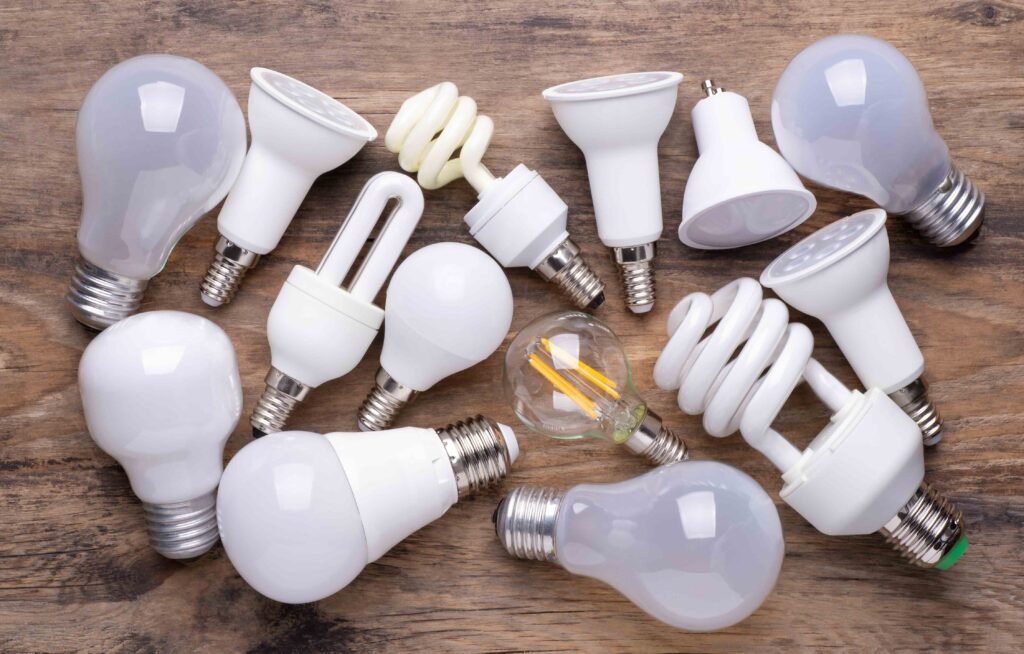
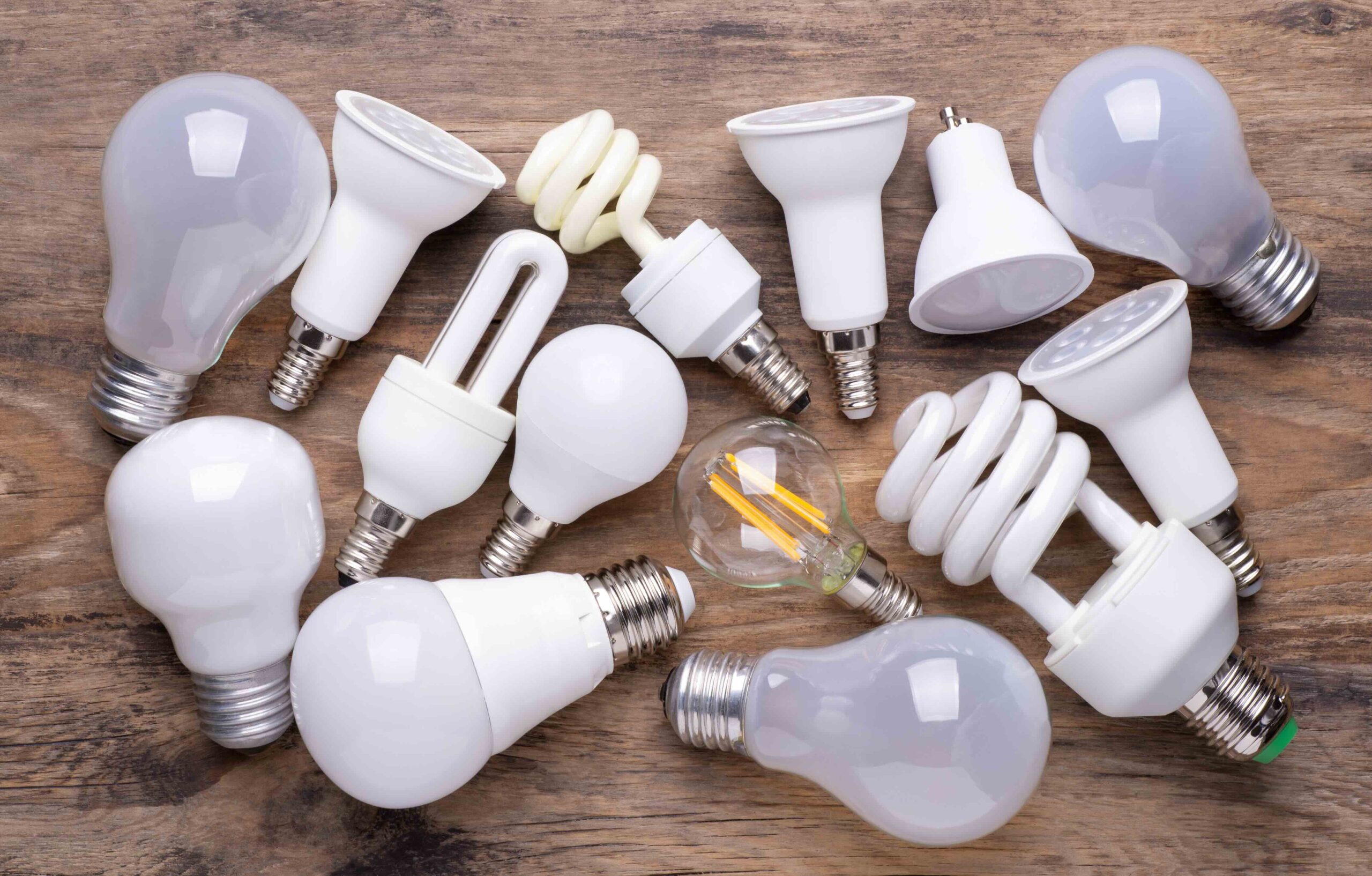
Different bulb shapes exist for very practical reasons. Each one is designed to distribute light in a specific pattern or fit into a particular type of fixture. Here is a breakdown of the most common types found in residential homes:
- A19 and A15: Standard household bulbs used in table lamps, ceiling fixtures, and most general-purpose sockets
- BR30 and BR40: Flood-style bulbs designed for recessed can lighting, throwing a wide, soft beam downward
- PAR20, PAR30, and PAR38: Directional spotlight bulbs used in track lighting, outdoor fixtures, and focused accent lighting
- G25 and G30: Globe-shaped bulbs commonly found in bathroom vanity strips and decorative fixtures
- Candelabra or B10: Small, flame-shaped bulbs used in chandeliers, wall sconces, and decorative fans
- T8 and T12: Tubular fluorescent bulbs used in garages, kitchens, and utility spaces
- MR16: Small reflector bulbs often used in under-cabinet and display lighting
Knowing which shape belongs where saves a frustrating return trip to the store.
Base Types Matter Just as Much as Bulb Shape
The base of a bulb is how it connects to the fixture, and using the wrong base type simply will not work. The most common residential base is the E26 medium screw base, which fits the majority of standard American fixtures. Smaller candelabra fixtures use an E12 base. Some specialty and recessed lighting uses pin-style bases like GU10 or GU24. When replacing a bulb, always check both the shape code and the base type. Getting one right and missing the other is a surprisingly common mistake that leads to a lot of unnecessary frustration.
LED vs. Incandescent vs. CFL: How Bulb Technology Affects Your Choice
Bulb size is only part of the equation. The technology inside the bulb dramatically affects energy use, lifespan, and heat output. Incandescent bulbs are largely being phased out because they convert most of their energy into heat rather than light, which is inefficient. Compact fluorescent lamps, or CFLs, were the energy-saving solution for years but they contain trace mercury, take time to warm up, and do not work well in all temperatures. LED bulbs have become the clear standard for most homeowners today. They use significantly less energy, last far longer, produce very little heat, and are now available in virtually every shape and size imaginable. When shopping for a specific bulb size, choosing an LED version of that shape almost always makes the most sense from a cost and performance standpoint.
Key Advantages of Understanding Your Home’s Lighting Needs
There is a real payoff to getting familiar with light bulb sizing. When you know what each fixture in your home requires, you avoid buying the wrong product, reduce waste, and make better use of your lighting budget. LED bulbs in the correct size and base type can dramatically reduce electricity consumption across an entire home. Choosing the right reflector angle in a BR or PAR bulb means better task lighting in kitchens and workspaces. Selecting the right globe size for a vanity fixture gives you accurate light for grooming without harsh shadows. These are small details that add up to a noticeably better-lit home.
Common Mistakes Homeowners Make With Light Bulbs
A few missteps tend to come up repeatedly when homeowners deal with light bulbs. Exceeding the maximum wattage listed on a fixture is a genuine safety hazard that can cause overheating and, in serious cases, fire. Using a bulb that is physically too large for a shade or enclosure creates similar heat-related risks. Installing a non-dimmable LED on a dimmer switch causes flickering and premature bulb failure. And using indoor-rated bulbs in outdoor fixtures exposes them to moisture they were never designed to handle. Taking a moment to read the fixture label and match the right bulb to the right application eliminates most of these issues entirely.
How Light Bulb Sizes Relate to Your Home’s Electrical System
Every light fixture in your home is part of a broader electrical system, and that system has its own considerations when it comes to load, wiring, and fixture compatibility. Older homes sometimes have wiring that was not designed for the variety of lighting options available today. Dimmer switches installed before LED technology became common may need to be upgraded to work correctly with modern LED bulbs. Recessed fixtures that were designed for incandescent or halogen bulbs may have different thermal cutoffs that interact unexpectedly with LED retrofit kits. None of this is particularly complicated to address, but it is worth being aware of, especially in homes that have not had recent electrical updates.
Practical Tips for Buying and Replacing Light Bulbs at Home
Here are a few practical habits that make light bulb replacement less of a guessing game:
- Keep a simple list or photo record of every bulb type used in your home, organized by room and fixture
- Always check the maximum wattage label inside each fixture before purchasing a replacement
- When in doubt about lumens, a 60-watt equivalent LED produces around 800 lumens, which is a reliable benchmark for general room lighting
- Color temperature matters in living spaces: 2700K to 3000K is warm and inviting, while 4000K to 5000K is cooler and better for task-focused areas
- Buy in small quantities when trying a new bulb brand or style before committing to a full case
Why Home Warranty Coverage Supports Smarter Homeownership
Understanding the details of your home, from the light bulbs in your fixtures down to the systems behind the walls, is exactly the mindset that leads to better homeownership. And that same mindset is why a home warranty from Armadillo home warranty plans for electrical systems and appliances makes so much sense. When something goes wrong beyond a burnt-out bulb, when it is the wiring, the fixture itself, or a connected appliance, repair costs can catch homeowners off guard fast. Armadillo offers straightforward, honest coverage that protects your home’s key systems and appliances without the confusing fine print. If you want to see exactly what is covered and what it costs in your area, you can get a personalized home warranty quote for electrical and appliance coverage in just a few minutes. Being informed about your home, and protected when something breaks, is just smart ownership.

Frequently Asked Questions About Light Bulb Sizes
Here are answers to the questions homeowners ask most often when it comes to light bulb sizes, types, and replacements.
What does the number in a light bulb code mean?
The number represents the bulb’s diameter measured in eighths of an inch. An A19 bulb, for example, is 19 eighths of an inch in diameter, or approximately 2.375 inches wide.
What is the most common light bulb size used in homes?
The A19 bulb with an E26 medium screw base is the most widely used bulb in American homes. It fits standard table lamps, ceiling fixtures, and most general-purpose sockets.
Can I use a BR40 bulb in a fixture designed for BR30?
Not always. A BR40 is physically larger than a BR30 and may not fit inside smaller recessed fixtures. Always check the fixture’s opening diameter before substituting a larger bulb size.
Are LED bulbs available in every size and shape?
Yes, LED versions are now manufactured in virtually every bulb shape and base type available, including candelabra, globe, PAR, BR, and tubular formats.
What happens if I put a higher-wattage bulb in a fixture than it is rated for?
Exceeding the maximum wattage rating generates excess heat inside the fixture, which can damage wiring insulation and create a fire hazard. Always follow the wattage limit printed inside the fixture.
Why does my LED bulb flicker on a dimmer switch?
Many older dimmer switches were designed for incandescent bulbs and are not compatible with LED technology. Replacing the dimmer with a model rated for LED use typically resolves flickering.
What is the difference between PAR and BR bulbs?
PAR bulbs produce a more focused, directional beam and are better suited for accent and outdoor spotlighting. BR bulbs emit a softer, wider flood of light and are commonly used in interior recessed fixtures.
What does color temperature mean on a light bulb package?
Color temperature, measured in Kelvin, describes how warm or cool the light appears. Lower numbers like 2700K produce a warm, yellowish tone, while higher numbers like 5000K produce a crisp, bluish-white light.
Do outdoor light fixtures require a specific bulb type?
Yes. Outdoor fixtures require bulbs rated for damp or wet locations depending on exposure. Using an indoor-only bulb in an exterior fixture can shorten its lifespan and create safety concerns.
How do I know what base type my fixture uses?
The easiest way is to remove the existing bulb and look at the base, or check the fixture’s instruction label. The E26 medium base is standard for most household fixtures, while smaller sockets typically use an E12 candelabra base.