Understanding Light Bulb Sizes: A Homeowner’s Guide to Smarter Lighting
Lighting plays a larger role in home comfort and efficiency than most homeowners realize. From mood-setting ambiance to illuminating functional spaces, choosing the right light bulb size can significantly affect how well your lighting performs. But when homeowners face a blown bulb or plan to upgrade fixtures, they’re often held back by an unclear question: What size of light bulb do I need? Understanding light bulb sizes doesn’t need to be confusing. In fact, knowing the difference between bulb bases and shapes can make your lighting choices smarter, safer, and more energy-efficient. Whether you’re replacing a fridge bulb, upgrading your living room with LEDs, or prepping your home for resale, this guide covers everything you need to know.
What Are Light Bulb Sizes and Why Do They Matter?
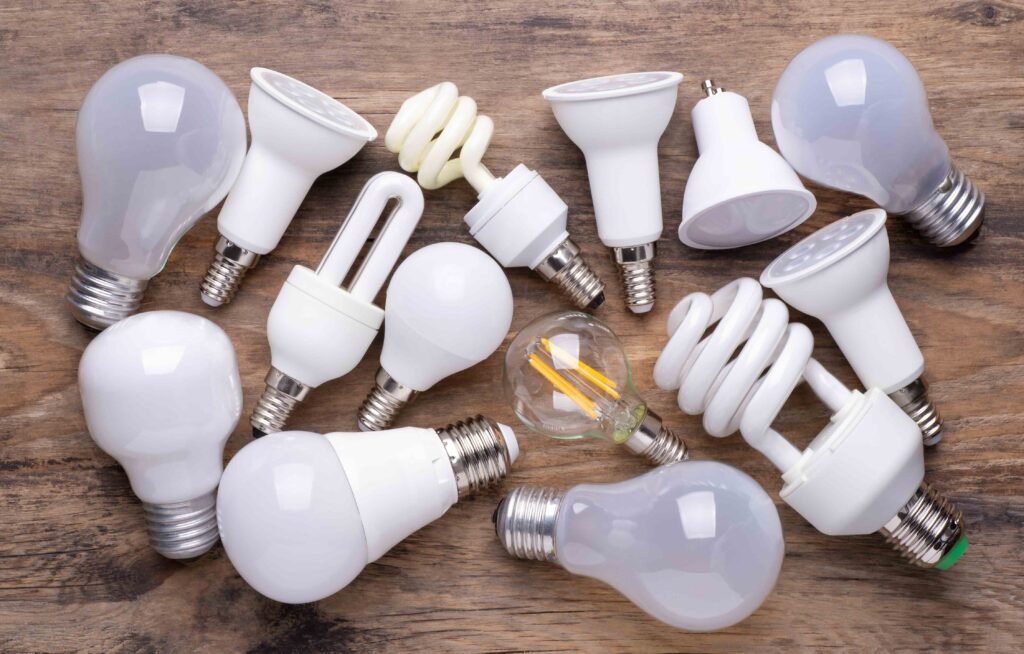
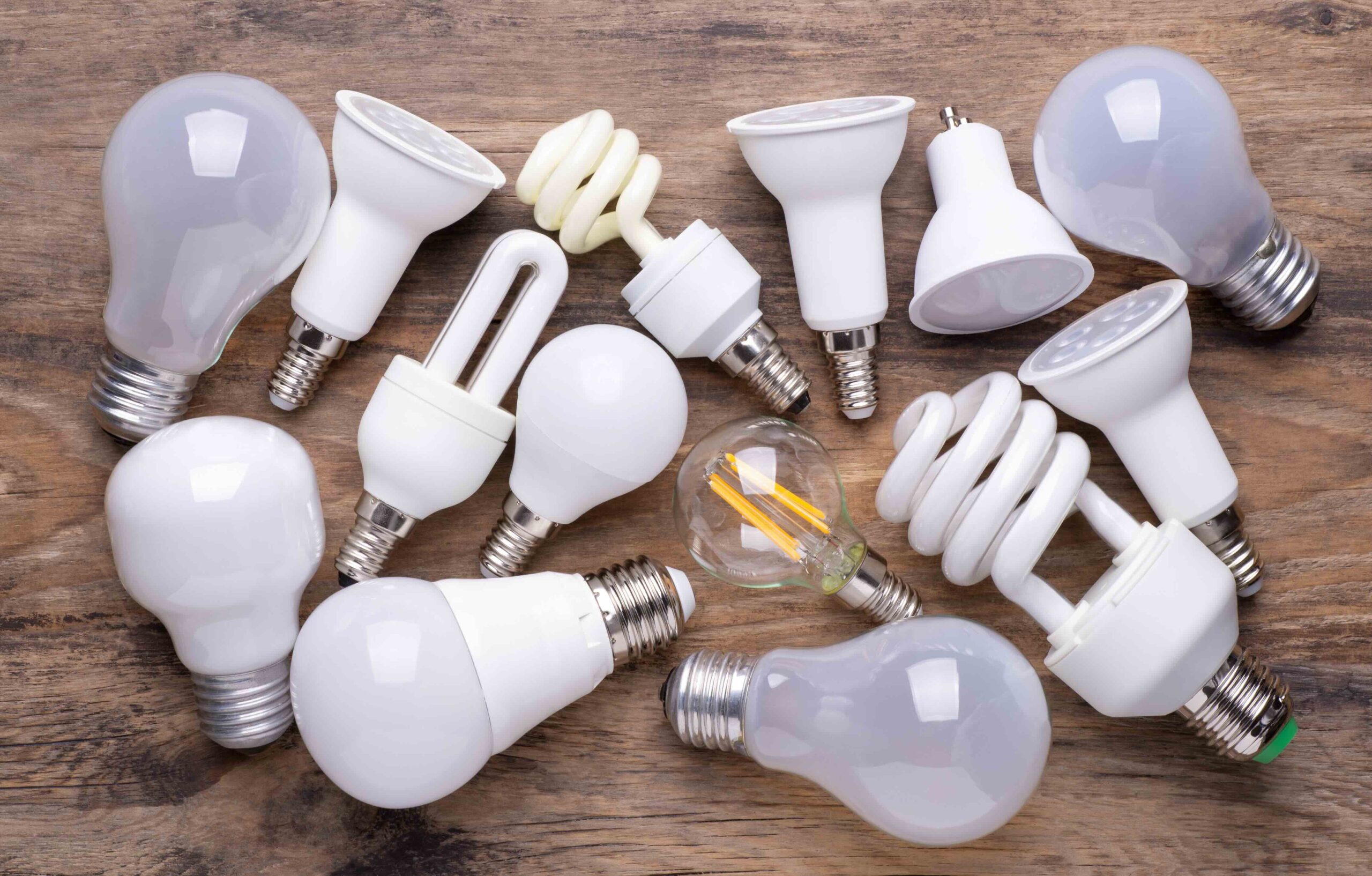
Light bulb size refers to two key components: the shape of the bulb itself and the size of the base that screws into a socket. The shape is typically represented by a letter—such as A for general service (the classic pear shape), or BR for bulged reflector. The number that follows the letter refers to the diameter of the widest point of the bulb, measured in eighths of an inch in the U.S. So, an A19 bulb is approximately 2.375 inches in diameter.
The base is equally essential. Screwing in the wrong size can strip the socket or cause electrical issues. Most standard light fixtures in American homes still use the E26 base—the “E” stands for Edison screw, and “26” refers to the 26 millimeter diameter. However, chandeliers often use E12 (candelabra), while certain appliances may call for smaller or specialty bases. Choosing the wrong size impacts not just performance—it increases wear, compromises fixture safety, and can void appliance warranties.
Diving Deeper: Common Light Bulb Shapes and Where They Go
The options on store shelves can feel overwhelming. But each bulb shape serves a specific purpose. A-series bulbs—like the A19—fit most standard lamps and fixtures. BR (bulged reflector) and PAR (parabolic aluminized reflector) bulbs are designed for directional lighting like recessed ceiling fixtures or outdoor floodlights, where a focused beam is important. Candle-shaped B10s appear often in decorative chandelier lighting. Globe bulbs, like the G25, are common in bathroom vanities for their soft, broad illumination that reduces shadows.
The type of lighting matters as much as the size. Consider this: using a standard A19 bulb in a recessed can light won’t direct light properly, wasting energy while delivering uninspired lighting. Matching shape and size to the function is key to optimizing both aesthetics and efficiency. It also helps reduce frustration when dealing with early bulb burnouts—not just annoying, but a sign of an ill-fitting or overheating bulb.
The Role of Wattage, Lumens, and Base Size Selection
Understanding size doesn’t stop with the outer dimensions. The type of bulb you use—LED, incandescent, CFL—determines the wattage and brightness. While incandescent bulbs are measured by wattage (how much energy they use), modern LED bulbs are rated by lumens (how much light they produce). A 60-watt incandescent might be replaced by a 10-watt LED that gives off the same brightness but at a fraction of the energy use.
This is where compatibility matters most. When a fixture is rated for a maximum wattage, exceeding that—especially with incandescent bulbs—can cause dangerous overheating. Fortunately, thanks to LEDs’ reduced energy draw, you can enjoy higher lumens (brightness) while staying well below wattage limits. However, inserting a higher-lumen LED into a too-small fixture can still lead to overheating, especially if the base size or bulb shape restricts airflow. Selecting the correct size ensures cooling and longevity, all while meeting the visual demands of the space.
Advantages of Knowing and Using Correct Bulb Sizes
Using the right light bulb size results in more than consistent lighting. First, it ensures safe operation of fixtures and appliances. Overheating bulbs, poor socket connections, and energy wastage often stem from incorrect sizes. Second, it preserves your home’s design. A mismatched oversized bulb in a small fixture draws attention for the wrong reasons. Third, it boosts longevity. Bulbs that emit more heat than fixtures can dissipate fade faster, turning what should be a 10-year LED into a 6-month burnout.
There’s another benefit: warranty protection. Many home warranty or appliance protection plans explicitly note that inappropriate replacement parts—including light bulbs—can void coverage. Keeping compatible bulbs in use not only keeps fixtures running longer but protects your right to claim service when failure occurs.
Common Mistakes Homeowners Make When Choosing Sizes
You’d be surprised how often homeowners assume a bulb will “just fit.” Over time, that confidence leads to frustration and wasted money. One common mistake is mixing up metric and imperial diameter references. For example, an E14 bulb won’t screw into an E12 socket—even though 14mm and 12mm sounds close enough. Another is buying decorative bulbs by shape alone, ignoring length, which can result in a bulb sticking out awkwardly from a fixture. Then there’s assuming that all LEDs run cool—though they use less energy, poorly ventilated fixtures can still cause LEDs to overheat and fail early.
It’s also worth noting that because LEDs are directional and available in varying beam angles, size affects not only fit but performance. A too-large bulb in a too-shallow fixture creates glare. A too-small bulb may leave shadows and diminish the effect of task lighting. Compatibility isn’t cosmetic—it’s functional.
How Light Bulb Sizes Relate to Home Warranty Coverage
Let’s address the connection between something as simple as a light bulb and the more complex world of home warranties. When light fixtures, bathroom fans, ovens, microwaves, or refrigerators malfunction due to overheating or incorrect usage—homeowners sometimes turn to their warranty for coverage, only to learn that using incompatible replacement bulbs can void those terms. A small misstep—say, inserting a high-heat halogen bulb where an E26 LED was required—can trigger system-wide failure, damage nearby components, or even cause fire hazards. Home warranty providers often require homeowners to follow manufacturer guidelines for continued eligibility. That includes using appropriately sized bulbs.
This becomes especially important for built-in lighting components. Think oven interior lights, fridge bulbs, or under-cabinet lighting. These are often rated only for specific voltages and socket sizes. Choosing a universal-looking bulb without checking size leads to costly consequences. Understanding correct sizing today helps avoid claim rejections and offers longer-term peace of mind.
Tips for Choosing the Right Bulb Size Every Time
While sizing largely depends on socket and fixture design, there are ways to reduce missteps in bulb selection. Always check the base size—the most commonly used sizes are E26, E12, and GU10, though appliance bulbs may use E17 (intermediate) or E11 (mini candelabra). Choose the bulb shape based on fixture location. Bathroom vanities often require G-shape bulbs for wider light spread, while recessed lighting functions best with PAR bulbs for focused output.
For retrofits or LED upgrades, check fixture compatibility regarding rated wattage and dimensions. If replacing a specialized appliance bulb, consult the user manual for exact bulb type and base size. Online resources like lighting calculators or socket reference charts can provide support. Finally, if unsure, remove the existing bulb and match by its base label and visible shape — the original often contains all the sizing information you need.
Protect Your Fixtures—and Your Future—With Armadillo
Ensuring a well-lit, energy-efficient home starts with choosing the right light bulb sizes. But even with your best intentions, things can go wrong—fixtures fail, systems short-circuit, or bulbs burn out prematurely from hidden wiring issues. That’s where a comprehensive home warranty plan steps in. At Armadillo, we believe smart homeowners deserve smart protection. Our modern home warranty plans make it easy to protect key systems—including wiring-related lighting issues and fixture components—keeping your house comfortable and complication-free. Find out how easy it is to get started by visiting our homepage or begin building a plan tailored to your home’s needs at our Plan Builder. Better lighting, guaranteed service, and added peace of mind—that’s the Armadillo promise.