What Is a Light Socket Outlet and Why Is It in Your Home?
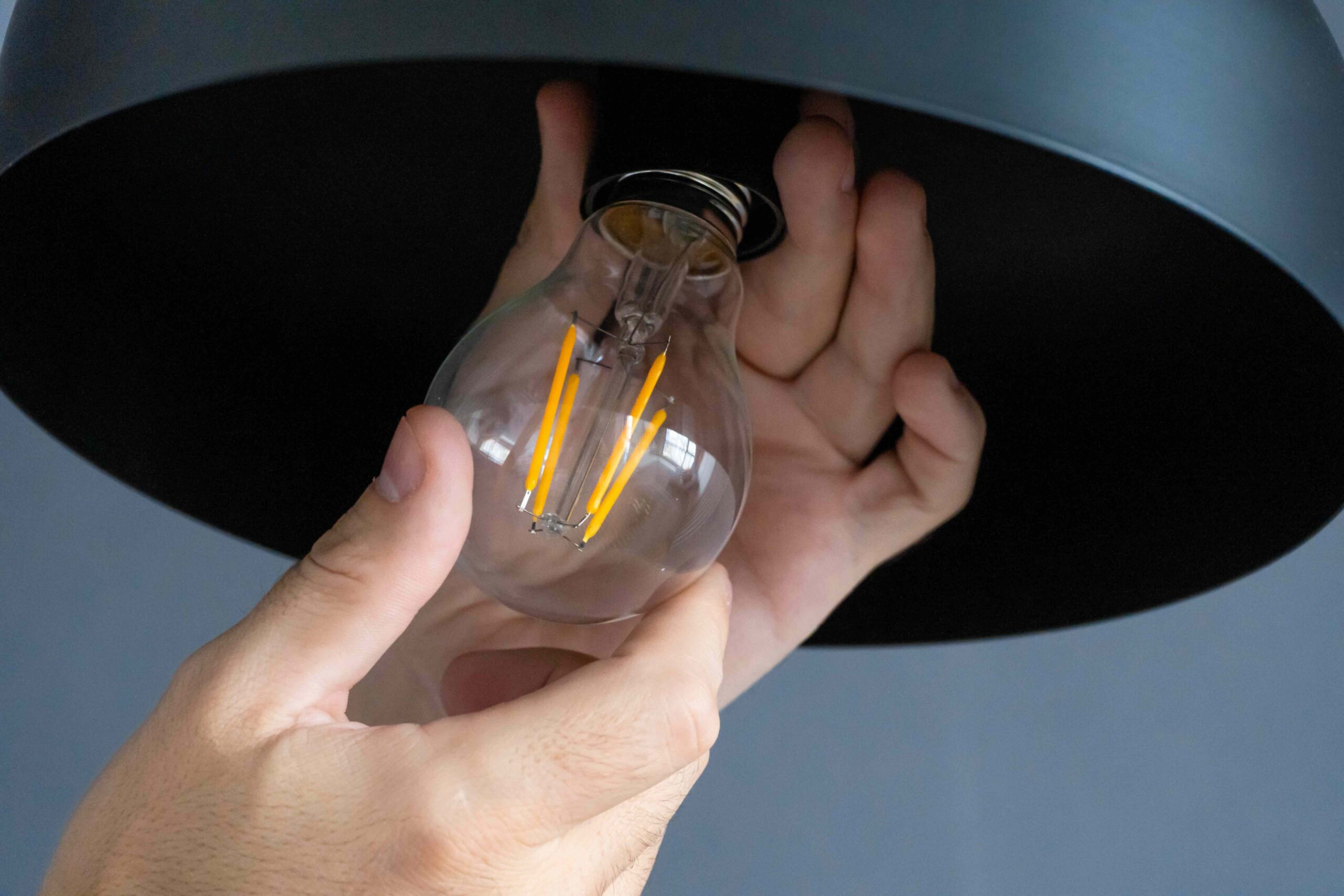
If you have ever unscrewed a light bulb and found yourself wondering whether that socket could do more than just hold a bulb, you are not alone. A light socket outlet — sometimes called a bulb socket adapter or socket-to-outlet converter — is a device that plugs directly into a standard light bulb socket and converts it into a usable electrical outlet. It sounds almost too simple, and honestly, that is kind of the point. These small adapters have been around for decades, but a lot of homeowners either do not know they exist or do not fully understand what they can and cannot do. So let us walk through the whole picture.
How a Light Socket Outlet Actually Works
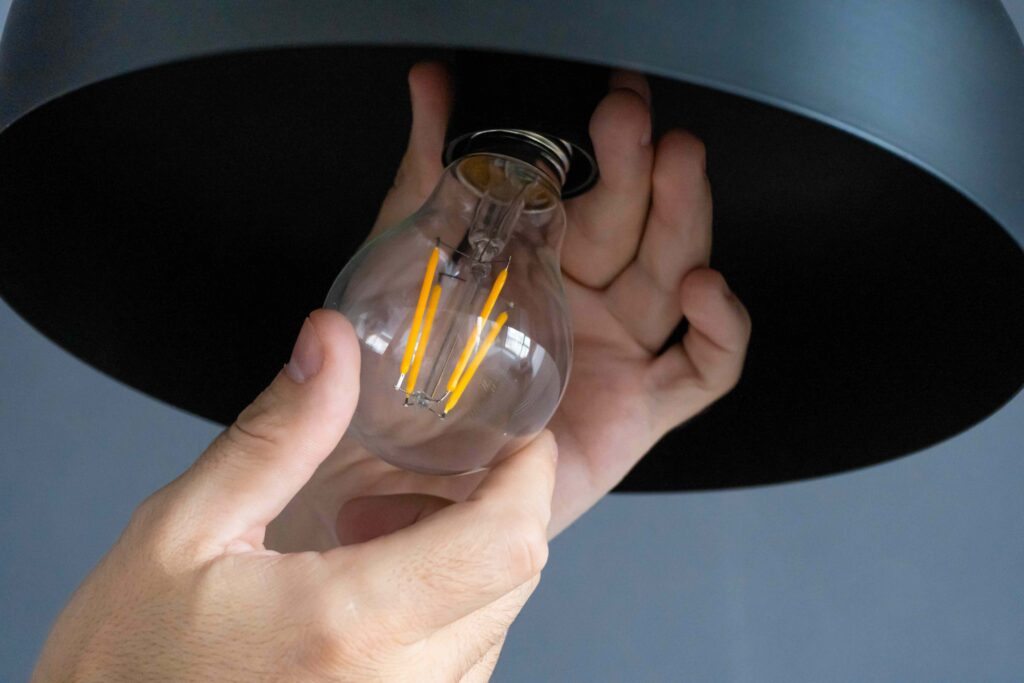
A standard light bulb socket in your home operates on the same basic electrical principle as a wall outlet — it carries a live current that powers whatever is connected to it. A light socket outlet adapter threads or twists into that socket just like a bulb would, and on the other end, it presents one or two standard AC outlet prongs or ports. The electricity flows through the socket into the adapter and then out to whatever device you plug in. Some versions also include a pass-through feature, meaning you can screw a bulb into the adapter and still use the outlet portion simultaneously. It is a clever little piece of hardware. The catch is that light sockets are typically rated for lower amperage than wall outlets, which matters a lot depending on what you are trying to power.
Common Uses for Light Socket Outlets Around the Home
These adapters are genuinely useful in certain situations. Think about spaces in your home where electrical access is limited — a garage, an attic, a crawl space, a closet, or an older basement where outlet placement was not exactly a priority when the house was built. In those spots, a socket outlet adapter can give you a workable power source for low-draw devices without requiring any rewiring. Common uses include:
- Powering shop lights, work lamps, or LED strip lights in utility spaces
- Running a small fan or radio in a garage or workshop area
- Charging phones or small devices temporarily during a project
- Powering security cameras in areas with limited outlet access
- Operating small holiday lighting setups in hard-to-reach spots
None of these uses are outrageous. In fact, for low-wattage devices, a socket outlet adapter works just fine. The key word there is low-wattage, and that deserves its own conversation.
The Electrical Limitations You Cannot Ignore
Here is where things get genuinely important. A standard household light socket is typically rated for around 300 watts or less, and the wiring feeding that socket is usually designed for 15 amps — the same as many wall circuits. However, wall outlets are built with heavier connections and more robust contact surfaces. Light sockets were engineered specifically for the steady, low-draw load of a light bulb, not the variable demands of appliances or electronics. Plugging in a space heater, a hair dryer, a vacuum, or anything with a motor through a socket adapter is a serious mistake. Overloading a light socket can cause the wiring to overheat, damage the fixture, trip the circuit, or in a worst-case scenario, start a fire. Treat these adapters as a convenience tool for small devices, not a substitute for proper electrical infrastructure.

Key Advantages of Using a Light Socket Outlet Adapter
Despite the limitations, there is a real case to be made for having one or two of these adapters in your toolkit. They are inexpensive — typically ranging from a few dollars to around fifteen dollars depending on the model. They require absolutely no installation expertise; if you can change a light bulb, you can use one of these. They are also highly portable and can be moved from one fixture to another as needed. For renters or homeowners who are not ready to invest in electrical upgrades, a socket outlet adapter offers a non-permanent solution that does not involve drilling, permits, or calling an electrician. That flexibility has value.
The Drawbacks Worth Knowing Before You Buy
Convenience always comes with trade-offs, and light socket outlets are no different. Beyond the wattage limitations already covered, these adapters can create a slightly loose or imprecise fit depending on the socket type and fixture design, which can lead to intermittent power or connection issues. They are also not designed for outdoor use in most cases, so weatherproofing is a non-starter unless the product is specifically rated for exterior environments. The adapter sits exposed in the socket, which means it can be bumped or knocked loose more easily than a wall outlet. And aesthetically, in living spaces, they look exactly like what they are — a workaround. They are a utility solution, not a long-term fix for inadequate electrical planning.
Safety Tips for Using Light Socket Outlets Responsibly
Using one of these adapters safely comes down to a few straightforward principles that every homeowner should keep in mind before plugging anything in. First, always check the wattage rating on the adapter itself and compare it to the draw of whatever device you are connecting. Second, never use a socket outlet adapter with extension cords or power strips — that is layering risk on top of risk. Third, inspect the socket and fixture before inserting any adapter; damaged sockets, cracked fixtures, or signs of scorching are immediate disqualifiers. Fourth, do not leave high-draw devices running unattended through a socket adapter, even briefly. And fifth, if your home has older wiring — knob-and-tube or aluminum — socket adapters should be avoided entirely until a licensed electrician evaluates the circuit.
When to Call an Electrician Instead
There are situations where a light socket outlet adapter is simply the wrong answer and a licensed electrician is the right one. If you are regularly running extension cords across rooms because outlet placement is inadequate, that is a wiring issue, not a workaround problem. If you are in a workshop, home office, or kitchen where power demand is substantial, proper circuits and outlets are necessary — not optional. Adding circuits, installing GFCI outlets in wet areas, or upgrading your electrical panel are jobs for professionals. A socket adapter is a convenience item. Electrical infrastructure is a safety matter, and treating those two things as interchangeable is how accidents happen.
How Light Socket Outlets Fit Into the Bigger Home Warranty Picture
This is where home warranty coverage becomes particularly relevant to homeowners who are actively thinking about their electrical systems. Electrical components — including wiring, panels, and built-in fixtures — are often covered under home warranty plans, but the specifics vary considerably by provider. When something fails in your electrical system, the difference between an expensive out-of-pocket repair and a manageable service call can come down entirely to whether you have the right coverage in place. That is exactly the kind of financial protection that Armadillo’s home warranty plans for electrical system coverage are built to provide. Whether it is a circuit that trips repeatedly, a fixture that stops working, or wiring that needs professional attention, having a plan in place means you are not scrambling for cash when something goes wrong. If you are ready to stop guessing and start protecting your home, you can get a free home warranty quote for electrical and system coverage in just a few minutes — no pressure, no complicated forms.

Frequently Asked Questions About Light Socket Outlets
The following questions address what homeowners most commonly want to know before using or purchasing a light socket outlet adapter.
Is it safe to use a light socket outlet adapter?
Yes, when used correctly and within the wattage limitations of the socket, these adapters are generally safe. The key is to only power low-draw devices and to avoid using them with damaged or outdated fixtures.
How many watts can a light socket outlet handle?
Most standard light sockets are rated for up to 300 watts. Always check the specific rating of both the adapter and the fixture before use, and never exceed those limits.
Can I use a light socket outlet adapter outdoors?
Only if the adapter is explicitly rated and weatherproofed for exterior use. Standard indoor adapters should never be used outside, as moisture exposure creates a serious shock and fire hazard.
Can I plug a space heater into a light socket outlet?
No. Space heaters draw far more power than a light socket is designed to handle. Doing so can overheat the wiring, damage the fixture, trip the breaker, or cause a fire.
Do light socket outlet adapters work in all bulb sockets?
Most adapters are designed for standard E26 medium-base sockets, which are the most common in U.S. homes. They will not fit candelabra, mogul, or GU24 sockets without a separate adapter.
Will using a socket adapter void my homeowner’s insurance?
Using a properly rated adapter within its limitations generally should not affect insurance coverage. However, misuse that contributes to a fire or electrical damage could complicate a claim. When in doubt, consult your insurer.
Are light socket outlets covered under a home warranty plan?
Standalone socket adapters are not typically covered since they are not built-in components. However, the underlying electrical fixtures, wiring, and panels that they connect to may be covered depending on your specific home warranty plan.
Can I use an extension cord with a light socket outlet adapter?
This is strongly discouraged. Combining a socket adapter with an extension cord or power strip compounds the risk of overloading the circuit and creates additional fire and shock hazards.
What is the difference between a socket adapter and a proper wall outlet installation?
A wall outlet is a permanently wired, code-compliant electrical connection designed to handle sustained power demands. A socket adapter is a temporary, limited convenience solution and should never be treated as a permanent replacement for proper wiring.
When should I upgrade my electrical system instead of using adapters?
If you frequently need more outlets than your home provides, if you are running high-draw appliances or tools regularly, or if your home has older wiring, a professional electrical upgrade is the right solution rather than relying on adapters.