What It Means When a Light Switch Lights Up or Shows Ground Issues
You flip a light switch and notice a small indicator light glowing on it. Or maybe an electrician mentioned something about grounding during a home inspection and you nodded along while quietly wondering what that actually means. Both of these things — illuminated switches and grounded electrical systems — are worth understanding, because they touch on real safety considerations inside your home. This article breaks down both topics in plain language so you can walk away actually knowing what is going on behind your walls.
What Is a Lighted Light Switch and Why Does It Glow
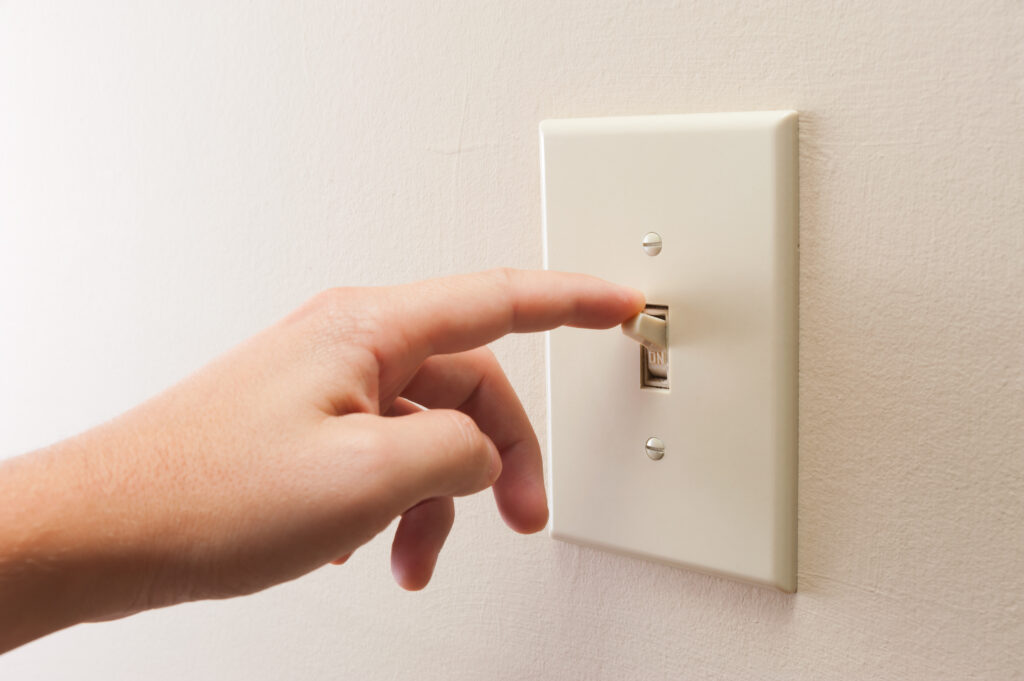
A lighted light switch, sometimes called an illuminated switch, is exactly what it sounds like — a standard toggle or rocker switch that has a small built-in light, usually an LED or neon bulb, that glows when the switch is in a particular position. There are two common types. The first glows when the switch is off, which helps you find it in a dark hallway or room. The second glows when the switch is on, which is useful for confirming that a light or fan in a remote area of the house is currently running. Homeowners often install these in basements, garages, attic access areas, or any location where forgetting to turn something off is an easy mistake to make. They are a small upgrade with a surprisingly practical payoff.
How Lighted Switches Actually Work
Here is where it gets a little interesting. The indicator light inside the switch needs a small amount of electricity to glow. When the switch is off and the light is still illuminated, that tiny current is running through the switch itself using the circuit in a way that does not fully energize the connected fixture. When the switch is on and the indicator glows, the current path shifts. The technical details involve how the switch bridges the hot and neutral lines, but the practical takeaway is this — these switches draw a very small amount of power continuously. It is not enough to raise your electric bill in any meaningful way, but it is worth knowing the light does not appear from nowhere. It is always drawing a trace amount of current.
Grounding in Home Electrical Systems Explained Simply
Grounding is one of those terms that gets thrown around constantly in the home improvement and electrical world, but rarely gets explained well. At its core, electrical grounding gives excess electricity a safe path to travel — directly into the earth — rather than through your body or through your appliances. Every modern electrical outlet, panel, and device in your home is designed to be part of a grounded system. The ground wire, typically green or bare copper, acts as a failsafe. Under normal conditions, nothing flows through it. But if something goes wrong — a wiring fault, a power surge, a damaged appliance — the ground wire catches that errant electricity and routes it safely away. Without it, that excess current goes looking for the next available conductor. That could be your hand, your pet, or an expensive piece of equipment.
What a Grounded Outlet Looks Like Versus an Ungrounded One
The fastest way to identify whether an outlet is grounded is to look at the shape. A grounded outlet has three holes — two vertical slots and one rounded hole below them. That round hole is the ground. An ungrounded outlet, common in homes built before the 1960s, only has two slots. If your home still has two-slot outlets in any room, those circuits are ungrounded. Some homeowners install three-prong outlets over old two-wire wiring, which looks modern but provides no actual grounding protection — a detail that trips up a lot of buyers and sellers during inspections. A GFCI outlet can sometimes be used as a compliant replacement in certain situations, but it is not a permanent fix and does not add a true ground to the circuit.

Key Advantages of Lighted Switches and Properly Grounded Circuits
When you combine the convenience of illuminated switches with a properly grounded electrical system, you are working with a home that is both functional and safer. Here is a quick look at what you gain from each.
- Lighted switches make navigation easier in low-visibility areas of the home
- Indicator switches that glow when on help prevent appliances and systems from being left running unintentionally
- Grounded circuits protect expensive electronics and appliances from surge damage
- Grounding reduces the risk of electrical shock during a fault condition
- A grounded system supports the proper operation of surge protectors, which require a ground to function correctly
- Modern appliances with three-prong plugs require a grounded outlet to operate as designed
Common Drawbacks and Limitations to Be Aware Of
Lighted switches are largely problem-free, but there are a few things worth noting. Some LED light fixtures behave unexpectedly when connected to an illuminated switch — a faint glow or flicker when the main light is supposed to be off. This happens because the residual current passing through the switch is just enough to partially energize certain LED drivers. It is not dangerous, but it can be annoying. The fix is usually switching to a different LED bulb or swapping to a non-illuminated switch. On the grounding side, the main limitation is cost and disruption. Upgrading an older home from ungrounded two-wire circuits to a fully grounded system requires rewiring, which is not a weekend project. It involves an electrician, permits, and real investment. The safety value is high, but the financial commitment is equally real.
Practical Tips for Homeowners
- Test your outlets with an inexpensive outlet tester available at any hardware store — it will tell you in seconds whether a circuit is grounded, reversed, or open
- If you are installing lighted switches, confirm your bulb type is compatible to avoid the flickering issue with LEDs
- Never assume a three-prong outlet in an older home is actually grounded — verify it with a tester
- If your home has an older panel with no ground wires, prioritize grounding in rooms with electronics, wet areas like kitchens and bathrooms, and anywhere children spend time
- When hiring an electrician, ask specifically about grounding during any renovation or upgrade project — it is often cost-effective to address it while walls are already open
When to Call a Professional Electrician
Installing a lighted switch is a manageable project for a homeowner with basic electrical knowledge and comfort working around wiring with the breaker off. However, anything involving the panel, ground wires, or diagnosing why an outlet is not grounded should involve a licensed electrician. Electrical work that is done incorrectly does not always show immediate symptoms — problems can sit dormant inside walls for years before causing a fault. Grounding issues in particular tend to go unnoticed until something goes wrong with an appliance or, in a worst-case scenario, a more serious electrical event. The code requirements around grounding also vary by jurisdiction and age of the home, so having a professional assess your situation means you are getting guidance specific to your setup, not a generic answer.
How Armadillo Helps Protect the Electrical Systems in Your Home
Understanding how your electrical system works is one side of home ownership. The other side is knowing what happens when something in that system stops working and who is going to help you deal with it. That is exactly where home warranty coverage for electrical systems and built-in appliances becomes worth having. Armadillo offers straightforward, honest protection for the systems that keep your home running — including electrical coverage that does not come loaded with confusing exclusions. If a covered electrical component fails, you are not left figuring it out alone or absorbing an unexpected repair bill. For homeowners who want real peace of mind without the fine print headaches, you can get a personalized home warranty quote for electrical and systems coverage in just a few minutes. Armadillo is built for people who want their home protected simply and without the runaround.

Frequently Asked Questions About Light Switches and Home Electrical Grounding
Answers to the most common questions homeowners have about illuminated switches, electrical grounding, and related home safety topics.
Why is my light switch glowing even when the light is turned off?
This is normal behavior for an illuminated switch designed to glow in the off position. The switch contains a small indicator light that draws a minimal amount of current even when the connected fixture is not active, making it easier to locate the switch in a dark room.
Is a glowing light switch a sign of an electrical problem?
In most cases, no. A switch that glows as designed is functioning correctly. However, if a switch that is not an illuminated type begins to glow, feel warm, or emit any smell, that is a sign of a wiring fault and warrants immediate attention from a licensed electrician.
How do I know if my home’s electrical outlets are grounded?
The quickest method is to use an outlet tester, a small device that plugs into any outlet and uses indicator lights to show whether the outlet is properly grounded, has reversed wiring, or has an open ground. They are inexpensive and available at most hardware stores.
Can I replace a two-prong outlet with a three-prong outlet myself?
You can physically install a three-prong outlet, but if the wiring behind it is a two-wire system without a ground conductor, the outlet will not be truly grounded. In some cases a GFCI outlet is a code-compliant alternative, but this should be confirmed with a licensed electrician familiar with your local code requirements.
Do lighted switches use a lot of electricity?
No. The indicator light in an illuminated switch consumes a negligible amount of power, typically less than one watt. The impact on your electric bill over the course of a year is minimal and generally not a practical concern for most homeowners.
Why do some LED bulbs flicker when connected to an illuminated switch?
Some LED drivers are sensitive enough to react to the small residual current that flows through an illuminated switch in its off position. This can cause a faint flicker or glow in the bulb even when the switch is off. Trying a different LED bulb brand or switching to a non-illuminated switch typically resolves the issue.
What is the difference between a grounded outlet and a GFCI outlet?
A grounded outlet has a physical ground wire connected to it that routes fault current safely into the earth. A GFCI outlet detects imbalances in current flow and trips quickly to interrupt the circuit, providing shock protection. They offer different types of protection and serve different purposes, though a GFCI can sometimes be used as a compliant alternative to grounding in specific situations.
Is it expensive to ground an older home’s electrical system?
The cost varies significantly depending on the size of the home, the number of circuits involved, and local labor rates. Full rewiring of an older home to add grounding is a major project that can run several thousand dollars. Prioritizing high-risk areas like kitchens, bathrooms, and home offices is a practical way to manage cost while addressing the most important locations first.
Does a home warranty cover electrical system repairs?
Many home warranty plans include coverage for built-in electrical system components, though the specific coverage terms vary by provider. It is important to review what is included and excluded before purchasing a plan, particularly around wiring, panels, and connected components.
When should I be concerned about my home’s electrical grounding?
If your home was built before 1960, if you have two-slot outlets anywhere in the house, if you have experienced repeated tripped breakers, or if an inspection report flagged grounding issues, those are all situations that warrant a professional electrical assessment. Grounding problems are not always visible but can have real consequences for both safety and the longevity of your appliances and electronics.