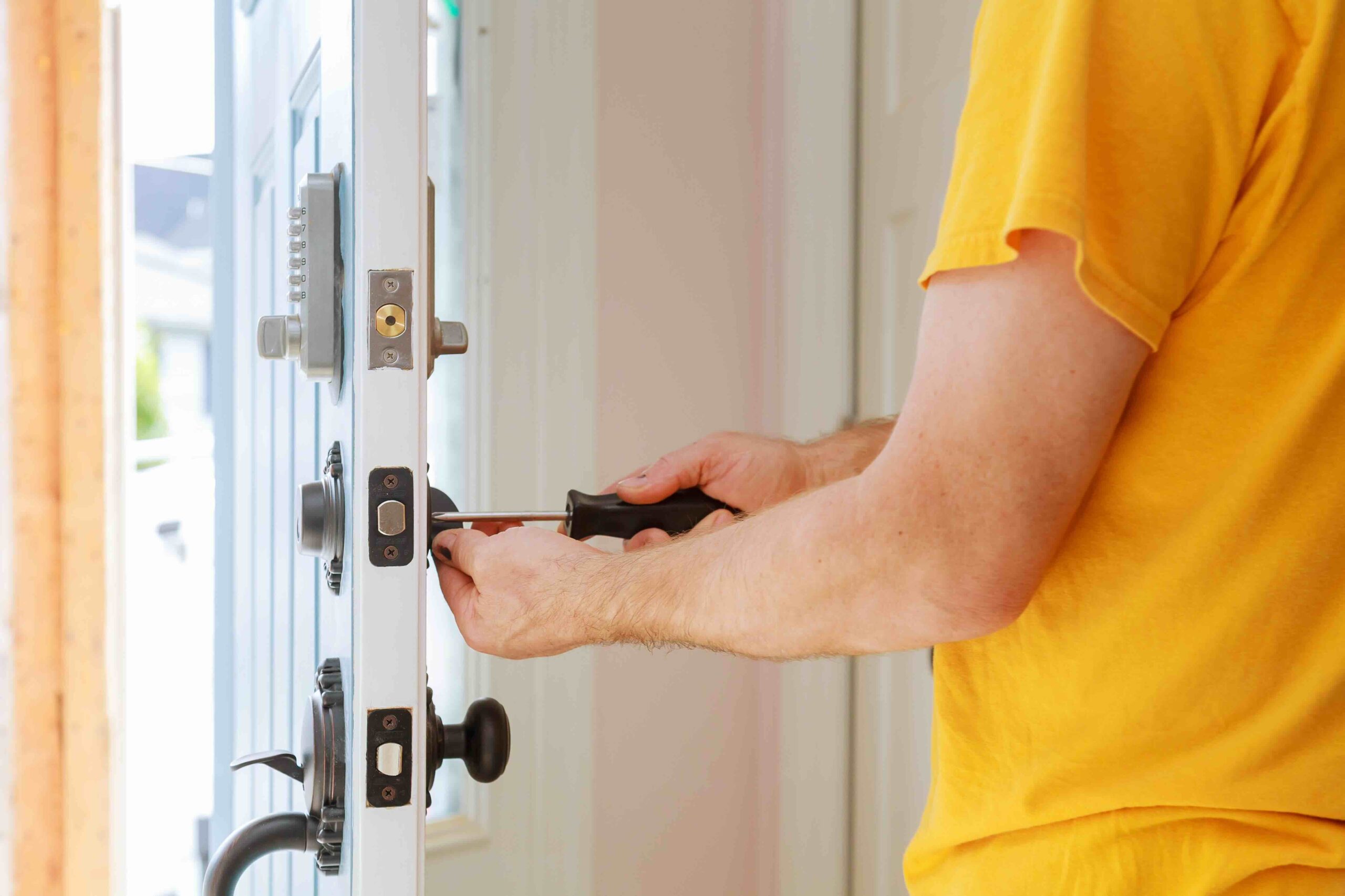
What Is a Lock Change Service and Why Does It Matter for Your Home?
Most homeowners think about their locks exactly twice: when they move in and when something goes wrong. That is a pretty common pattern, actually. Lock change services are one of those home security essentials that tend to get overlooked until there is a real reason to pay attention, and by then, the situation has usually already become stressful. A lock change service involves replacing the existing lock hardware on one or more entry points in your home with new, fully functional locking mechanisms. This is different from rekeying, which simply alters the internal pin configuration of an existing lock to work with a new key. A full lock change means the hardware itself is swapped out entirely, giving you a completely fresh security setup from the ground up.
How Does a Lock Change Actually Work?
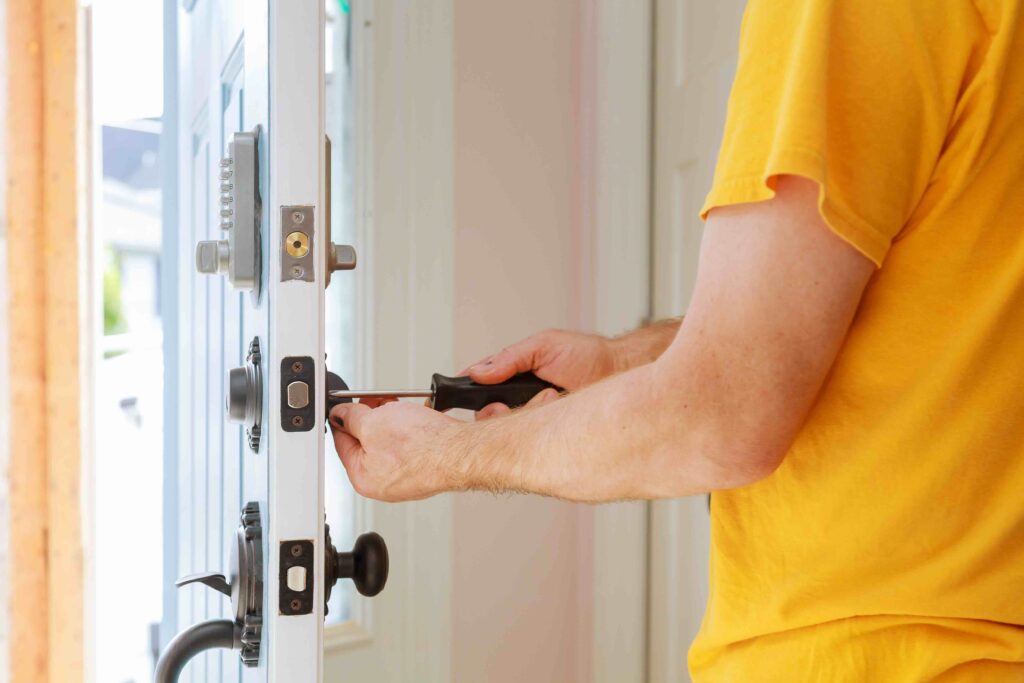
The process is more straightforward than most people expect. A licensed locksmith or qualified technician arrives, removes the existing deadbolt or door knob lock from the door, and installs a brand-new locking mechanism in its place. Depending on the door’s existing bore holes and the type of lock being installed, this can take anywhere from fifteen minutes to about an hour per lock. If you are upgrading from a basic builder-grade lock to a heavy-duty deadbolt or a smart lock system, some minor door modifications might be necessary to accommodate the new hardware. The technician will test the alignment, verify the strike plate is secure, and confirm the latch engages properly before the job is considered complete. It is a clean, efficient process when done by someone who knows what they are doing.
The Most Common Reasons Homeowners Request a Lock Change
There is no single trigger for this kind of service call. Homeowners come to this decision from a variety of directions, and all of them are valid. Here are the situations that come up most frequently:
- Moving into a previously owned home where the key history is completely unknown
- Ending a relationship or roommate arrangement where keys were shared
- Losing a key or having a purse or bag stolen that contained house keys
- Experiencing a break-in or attempted forced entry
- Upgrading from outdated or builder-grade lock hardware to higher-security options
- Transitioning to smart lock technology for remote access and monitoring
- Landlords preparing a rental property between tenants
Each of these scenarios involves a different level of urgency, but they all share the same underlying goal: restoring or improving control over who can access your home.
Key Advantages of Changing Your Locks
The most obvious benefit is peace of mind, and that is not a small thing. Knowing that the only people who can walk through your front door are the people you have personally given access to is genuinely valuable. Beyond the psychological comfort, a fresh lock installation gives you the opportunity to upgrade the physical quality of your hardware. Many homes, especially newer construction, come with builder-grade locks that are designed to look functional without necessarily delivering meaningful security. Swapping those out for Grade 1 or Grade 2 ANSI-rated deadbolts is a meaningful improvement. If you go the smart lock route, you also gain features like keypad entry, timed access codes for service providers, and real-time notifications when your doors are accessed. That kind of visibility over your home entry points is something traditional locks simply cannot provide.

Common Drawbacks to Keep in Mind
Lock changes are not without their complications. Cost is the most frequent concern, especially if you are changing multiple locks throughout the home at once. High-security lock hardware can range from moderately priced to surprisingly expensive, and labor costs vary considerably depending on your location and the complexity of the job. Smart locks introduce their own layer of considerations, including battery dependence, connectivity requirements, and the learning curve that comes with any new technology. There is also the matter of compatibility, because not every smart lock works seamlessly with every door frame or existing smart home ecosystem. And while this is less common, improper installation can result in misalignment issues that affect how smoothly a lock operates over time, which is why professional installation genuinely matters.
Rekeying vs. Lock Change: Understanding the Difference
This distinction comes up constantly, and it is worth getting clear on. Rekeying is a cost-effective option when your existing lock hardware is in good condition and you simply want to render old keys useless. A locksmith adjusts the pins inside the existing cylinder so that only a new key will work. It is faster and less expensive than a full lock change. However, if your current hardware is worn, damaged, low quality, or simply outdated, rekeying just puts a fresh key into a system that was already underperforming. A full lock change is the right call when you want to start completely fresh, improve the quality of your hardware, or make the transition to a new lock type altogether. Knowing which option you actually need can save you money and prevent a repeat service call down the road.
Choosing the Right Lock for Your Home
Not all locks are created equal, and the right choice depends on the specific door, your security goals, and your daily routine. Deadbolts remain the standard recommendation for exterior doors because they resist forced entry far better than spring-latch locks. Single-cylinder deadbolts are the most common residential choice, operated by a key from outside and a thumb turn from inside. Double-cylinder deadbolts require a key on both sides and are sometimes used on doors with glass panels, though they can create a safety concern during emergencies. Smart locks offer tremendous convenience but require consistent battery maintenance and a stable connection if they are Wi-Fi enabled. For high-traffic households, a combination of a reliable deadbolt and a smart lock on the same door is an increasingly popular configuration.
Practical Tips for Managing Lock Changes in Your Home
A few simple habits can help you get the most out of a lock change service and maintain your home security over time:
- Change your locks any time you move into a home, regardless of whether it is new construction or a resale property
- Keep a record of how many keys exist and who holds each one
- Inspect your locks annually for wear, stiffness, or any sign of tampering
- If you use smart locks, update access codes periodically and remove codes for anyone who no longer needs access
- Consider a professional security assessment if you are uncertain about the overall strength of your home entry points
How Lock Change Services Fit Into Your Broader Home Protection Plan
Here is where things get interesting from a homeowner’s perspective. Lock change services address one specific vulnerability, which is unauthorized entry through your doors. But home protection is a much larger picture, and the locks are just one piece of it. Your HVAC system, electrical panel, plumbing, and major appliances all carry their own risks and potential failure points. Managing all of these simultaneously is genuinely a lot, and that is exactly where a home warranty becomes a practical tool rather than just an abstract concept. When one system in your home fails unexpectedly, the cost can feel disproportionate to the problem. Having structured coverage that absorbs those costs is the kind of preparation that experienced homeowners tend to advocate for.
If you are already investing in your home’s physical security through upgraded locks, it makes sense to take the same intentional approach to your mechanical and structural systems. Armadillo home warranty coverage built for modern homeowners is designed to provide that layer of financial protection without the complexity and fine print that makes traditional warranty products frustrating to use. The coverage is straightforward, the claims process is honest, and the support is actually responsive. Whether you are managing a recently purchased home, refreshing your security setup after a life change, or just thinking more seriously about what it costs when things break, it is worth taking a few minutes to explore your options. Get a free home warranty quote and protect your home’s systems and appliances so that your next unexpected repair does not derail your month.

Frequently Asked Questions About Lock Change Services
Here are answers to the questions homeowners ask most often about lock changes, security upgrades, and what to expect from the process.
How much does a lock change service typically cost?
The cost varies based on location, the number of locks being changed, and the type of hardware selected. On average, homeowners can expect to pay between $75 and $200 per lock including labor, with higher-end smart locks or high-security hardware pushing that figure higher.
Is rekeying a lock the same as changing it?
No. Rekeying adjusts the internal pins of an existing lock so a new key operates it, while a lock change replaces the entire hardware unit. Rekeying is less expensive but only appropriate when the existing lock hardware is in good working condition.
How long does a lock change take?
A standard single-lock change typically takes between 20 and 45 minutes. If multiple locks are being replaced or if door modifications are required for new hardware, the total job time will be longer.
Should I change my locks when I buy a new home?
Yes, and this is a consistent recommendation from security professionals. You have no way of knowing how many copies of the original key exist or who currently holds them, making a full lock change one of the first priorities after closing on any property.
Are smart locks more secure than traditional deadbolts?
Smart locks offer significant convenience and monitoring capabilities, but their physical security depends heavily on the quality of the hardware. A high-grade smart lock can be just as secure as a traditional deadbolt, while a lower-quality model may actually offer less resistance to forced entry.
Can I change my own locks without a locksmith?
Replacing a lock is technically a DIY-accessible task for standard door configurations. However, improper installation can lead to alignment issues, reduced security, and voided product warranties. A licensed locksmith ensures the job is done correctly and the lock operates as intended.
Does a home warranty cover lock change services?
Most standard home warranty plans do not include lock change services, as these are generally considered security upgrades rather than mechanical breakdowns. However, some providers offer optional add-ons or home security-adjacent coverage, so it is worth reviewing your specific plan details.
How often should I change my home’s locks?
There is no universal required interval, but security professionals generally recommend evaluating your locks every five to seven years, or immediately following a security event such as a lost key, break-in, or change in household occupancy.
What grade of lock should I use for my front door?
ANSI Grade 1 deadbolts offer the highest residential security rating and are the recommended standard for exterior doors. Grade 2 locks are acceptable for interior doors or lower-risk entry points. Builder-grade hardware, which is often Grade 3, should be replaced on any door that represents a primary entry point.
Can a landlord be required to change locks between tenants?
Requirements vary by state and local jurisdiction, but many property management professionals consider lock changes between tenants a standard practice regardless of legal obligation. It protects both the new tenant and the property owner from liability related to unauthorized access.