Make Your Own Floor Cleaner: What Every Homeowner Should Know
There is something satisfying about knowing exactly what goes into the products you use around your home. Floor cleaners sit in this interesting middle ground where most people never question what is in the bottle, they just spray and mop and move on. But if you have ever looked at the ingredient list on a commercial floor cleaner and felt like you needed a chemistry degree to understand it, you are not alone. Making your own floor cleaner is one of those home improvement habits that quietly changes how you think about maintaining your space. It is simple, cost-effective, and when done correctly, genuinely effective across most flooring types.
What Is DIY Floor Cleaner and Why Are Homeowners Turning to It
DIY floor cleaner is exactly what it sounds like: a homemade cleaning solution mixed from common household ingredients designed to clean, deodorize, and sometimes protect your floors. The movement toward homemade cleaning products has picked up real momentum over the past several years, and it is not just a trend. Homeowners are drawn to it for a range of practical reasons including cost savings, ingredient transparency, reduced chemical exposure, and less plastic waste. The typical DIY floor cleaner relies on a short list of ingredients like white distilled vinegar, castile soap, rubbing alcohol, essential oils, and warm water. Each ingredient plays a role, and understanding that role helps you make better decisions about what formula works best for your specific floors.
How DIY Floor Cleaner Works
The cleaning science behind homemade floor solutions is fairly straightforward. Vinegar, which is acetic acid, acts as a natural disinfectant and cuts through grease and residue. Castile soap, derived from plant oils, serves as a gentle surfactant that lifts dirt from the surface without leaving a heavy film. Rubbing alcohol accelerates drying time and helps kill certain bacteria. Essential oils like tea tree or lavender add antimicrobial properties alongside a pleasant scent. When combined with warm water, these ingredients work together to clean floors without the synthetic fragrances and harsh solvents found in most commercial products. The key is in the ratios. Too much soap leaves streaks. Too much vinegar on the wrong floor type can cause serious damage over time.
The Right Formula for Different Flooring Types
Not every floor cleaner works on every surface, and this is where a lot of homeowners run into trouble. Understanding your flooring type before mixing anything is essential. Here is a general breakdown of what works where:
- Tile and linoleum floors respond well to a mix of warm water, a few drops of castile soap, and a splash of white vinegar.
- Hardwood floors require a more careful approach since vinegar can strip the finish over time. A diluted castile soap solution with a few drops of essential oil is safer.
- Laminate floors are moisture-sensitive, so the solution should be minimal and the mop barely damp. A small amount of rubbing alcohol mixed with water works well here.
- Stone floors like marble or travertine are highly reactive to acid, which means vinegar is completely off the table. Stick to a pH-neutral castile soap solution.
Key Advantages of Making Your Own Floor Cleaner
The benefits extend beyond just saving a few dollars per bottle, though that is certainly part of it. A basic DIY floor cleaner can cost a fraction of what commercial products run per use, and the ingredients are reusable across multiple batches. More importantly, you control what is in it. For households with young children, pets, or anyone with sensitivities to synthetic fragrances or harsh chemicals, that level of control is genuinely valuable. There is also an environmental angle worth considering. Fewer single-use plastic bottles, fewer chemical compounds entering the water supply, and a smaller overall household chemical footprint. Beyond all of that, homemade cleaners tend to leave fewer residues on floors, which means less buildup over time and easier ongoing maintenance.

Common Drawbacks and Mistakes to Avoid
DIY floor cleaner is not without its pitfalls, and going in without some basic knowledge can actually cause damage. The most common mistake is using vinegar on surfaces that cannot tolerate acid, specifically natural stone and unsealed hardwood. Another frequent issue is over-soaping the mix, which leaves floors looking streaky and dull no matter how many times you rinse. Using too much liquid in general is a problem too, particularly on laminate and wood where moisture can seep into the seams and cause warping or swelling over time. Some essential oils can also leave a slight residue or even be harmful to pets when used in high concentrations, so dosing carefully matters. The bottom line is that DIY does not mean careless. It just means informed.
Practical Tips for Getting the Best Results
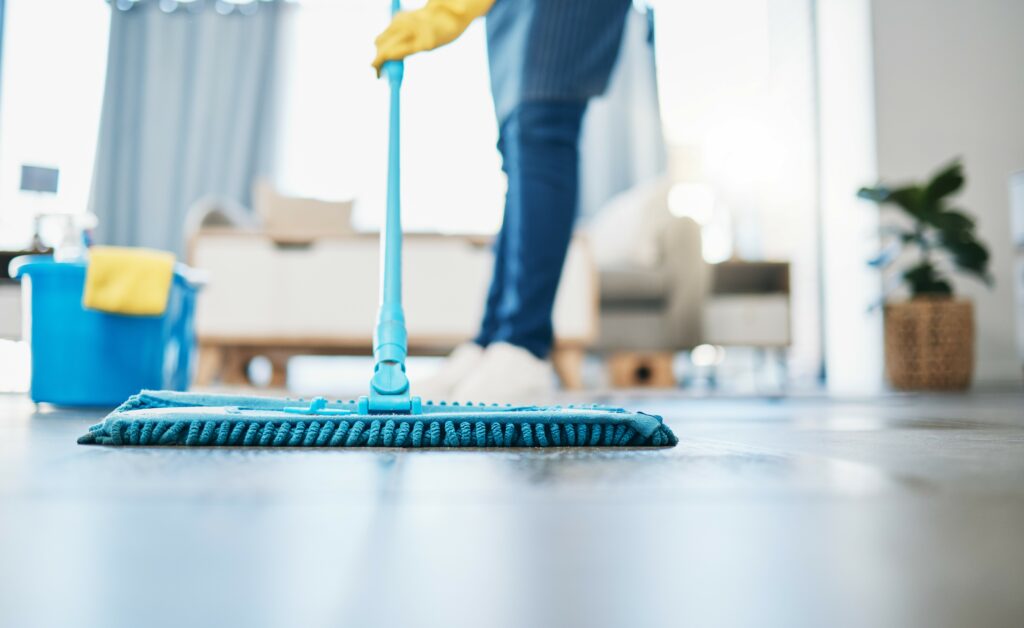
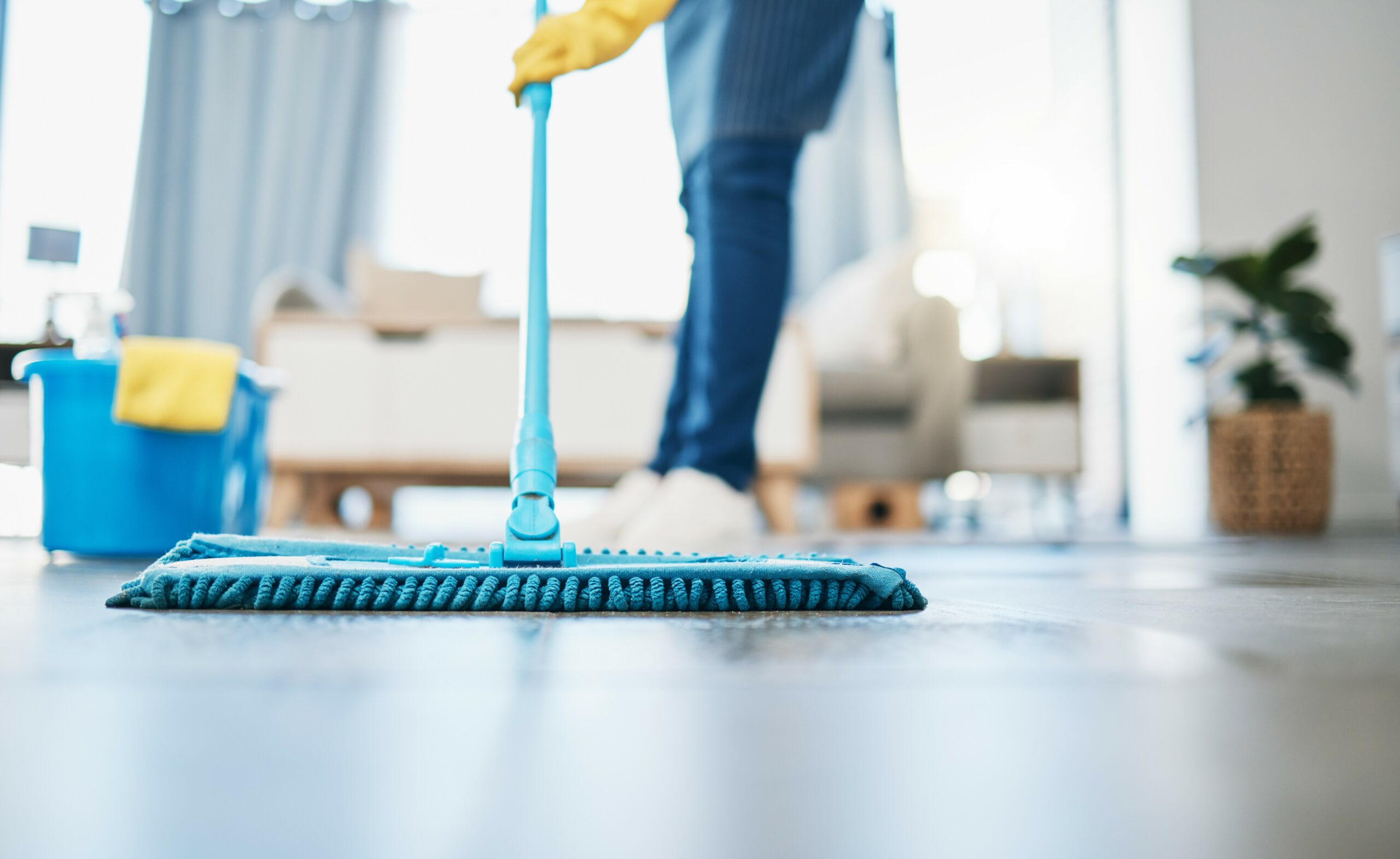
A few habits go a long way when it comes to homemade floor cleaners. Always sweep or vacuum before mopping, because applying any liquid cleaner on top of loose debris just spreads the mess around. Use a microfiber mop rather than a traditional string mop since microfiber picks up more dirt with less solution and dries faster. Mix only what you plan to use in a session, or store any leftover solution in a clearly labeled spray bottle away from direct sunlight. Essential oils can degrade faster than you might expect when exposed to heat or light. Test any new formula in a small, inconspicuous area before applying it to the entire floor, especially if the surface is finished or sealed in a way you are not completely sure about.
How Floor Cleaner Connects to Overall Home Maintenance
Floors are one of those home systems that get daily wear and rarely get the kind of intentional care that, say, an HVAC unit or a water heater does. But floors are a meaningful part of your home’s overall condition. Improper cleaning over time can degrade finishes, create moisture problems, and even contribute to air quality issues if residues build up and trap allergens. Thinking about floor care as part of a broader home maintenance strategy rather than a chore you do when things look dirty is a shift worth making. Clean, well-maintained floors also support the overall value and condition of your home, which matters whether you are staying put for decades or planning to sell in the next few years.
When DIY Floor Cleaner Is Not Enough
There are situations where a homemade solution simply will not cut it. Deep grout staining, mold growth beneath flooring, significant water damage, or finish deterioration all call for professional attention or product-specific treatments. It is worth knowing where the line is. If you are mopping regularly with a quality DIY solution and still noticing persistent dullness, discoloration, or odor, the issue may be below the surface. That is a sign to bring in a professional and investigate further. Routine cleaning maintains what is already in good shape. It does not reverse damage that has already set in.
Why Armadillo Belongs in Every Homeowner’s Maintenance Plan
Taking care of your home at the surface level, from clean floors to fresh grout, is important work. But the systems running underneath your home, your plumbing, electrical, HVAC, and appliances, those are what keep everything functioning day to day. That is where a home warranty becomes genuinely useful. Armadillo home warranty coverage for home systems and appliances is built for homeowners who take their maintenance seriously and want real protection when something fails unexpectedly. It is the kind of safety net that makes sense alongside every other smart home habit you have built, including the small ones like mixing your own floor cleaner. If you are ready to round out your home protection strategy, you can get a customized home warranty plan that protects what your DIY routine cannot and start covered quickly without a long wait or complicated process.

Frequently Asked Questions About DIY Floor Cleaner
Real questions homeowners ask about making their own floor cleaning solutions, answered clearly and directly.
Is vinegar safe to use on all types of floors?
No. Vinegar is acidic and can damage natural stone surfaces like marble, travertine, and granite. It can also degrade the finish on hardwood floors over time. Stick to pH-neutral solutions for those surfaces.
What is the best DIY floor cleaner for hardwood floors?
A small amount of castile soap diluted in warm water with a few drops of essential oil is generally safe for sealed hardwood. The mop should be damp, not wet, to prevent moisture from seeping into the wood.
How often should I clean my floors with a homemade solution?
High-traffic areas like kitchens and entryways benefit from weekly mopping. Lower-traffic spaces can go every two to four weeks. Always sweep or vacuum before any wet cleaning.
Can I use essential oils in my DIY floor cleaner if I have pets?
Some essential oils are toxic to cats and dogs, including tea tree, eucalyptus, and citrus oils. If you have pets, research each oil carefully before using it in any cleaning formula applied to surfaces they walk on.
Will a DIY floor cleaner disinfect my floors?
Vinegar has some antimicrobial properties, but it is not a registered disinfectant. For true disinfection, particularly after illness or raw food spills, a commercial EPA-registered disinfectant is a more reliable choice.
How do I prevent streaking when using a homemade floor cleaner?
Use as little soap as possible, typically just a few drops per gallon of water. Rinse your mop frequently and make sure it is not overly saturated. Microfiber mops tend to streak less than traditional options.
Can I store leftover DIY floor cleaner for later use?
Yes, but store it in a sealed, labeled spray bottle away from heat and direct sunlight. Solutions containing essential oils should be used within a few weeks as the oils can degrade and lose potency.
Is rubbing alcohol safe to use on laminate floors?
In diluted form, yes. A mixture of water and a small amount of rubbing alcohol is actually a popular choice for laminate because it dries quickly and does not leave moisture sitting on the surface.
Why does my floor still look dull after I clean it with a homemade solution?
Dullness is often caused by soap residue buildup or finish degradation from prior cleaning products. Try a rinse with plain warm water after cleaning, and consider whether the finish itself may need professional attention or reapplication.
Does making my own floor cleaner actually save money?
Yes, meaningfully so. The core ingredients, vinegar, castile soap, water, and essential oils, cost very little per use when purchased in bulk. Over the course of a year, the savings compared to commercial cleaners can add up to a noticeable amount for the average household.