Understanding Your Water Main Stop Tap: What It Is, How It Works, and Why It Matters
Whether you’re managing routine maintenance or caught in the middle of a plumbing emergency, knowing the location and function of your water main stop tap can make all the difference. Hidden in plain sight and often overlooked, the water main stop tap is one of the most critical access points in your home’s plumbing system. Positioned at the intersection of utility supply and personal plumbing, it provides control over the entire water supply entering your property. As straightforward as it may seem, the stop tap plays a central role in preventing costly water damage, enabling repairs, and ensuring safe upgrades. If you own a home or maintain one, this is the kind of practical knowledge that puts you in a stronger position to protect your investment.
What Is a Water Main Stop Tap?
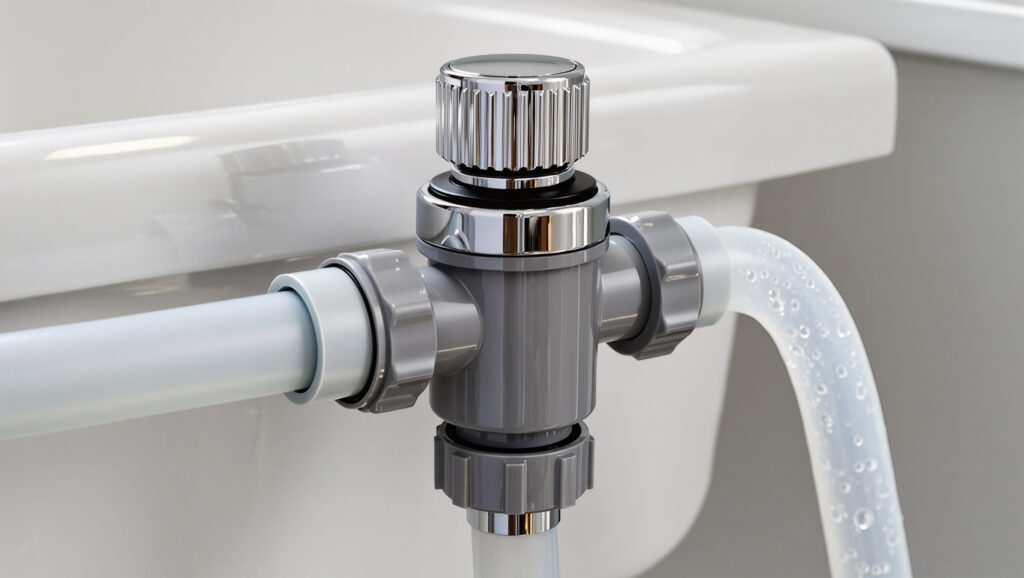
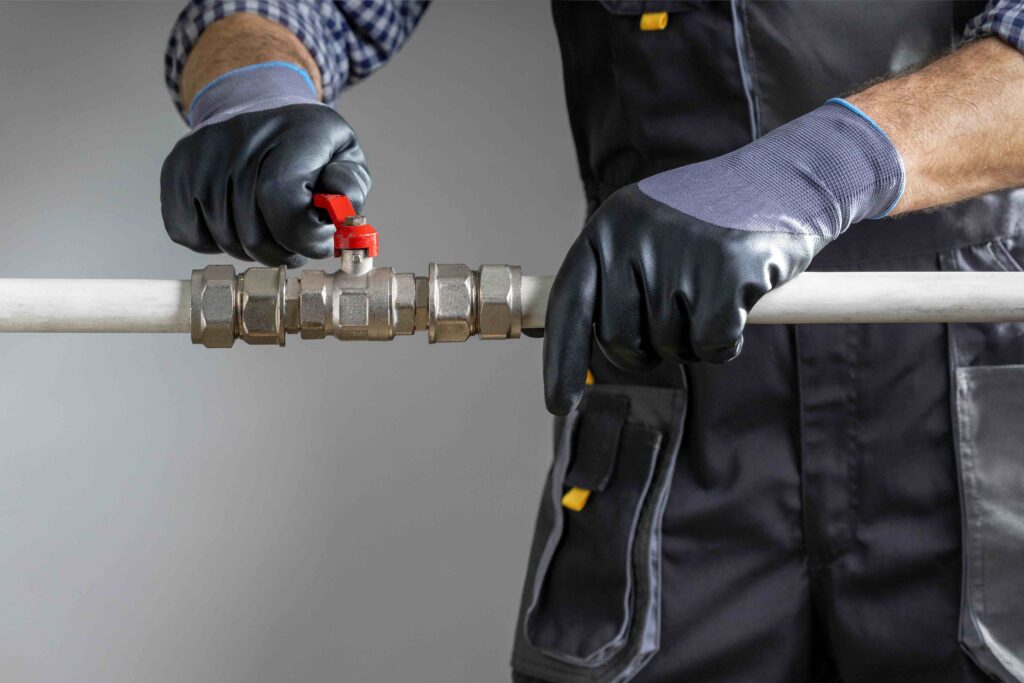
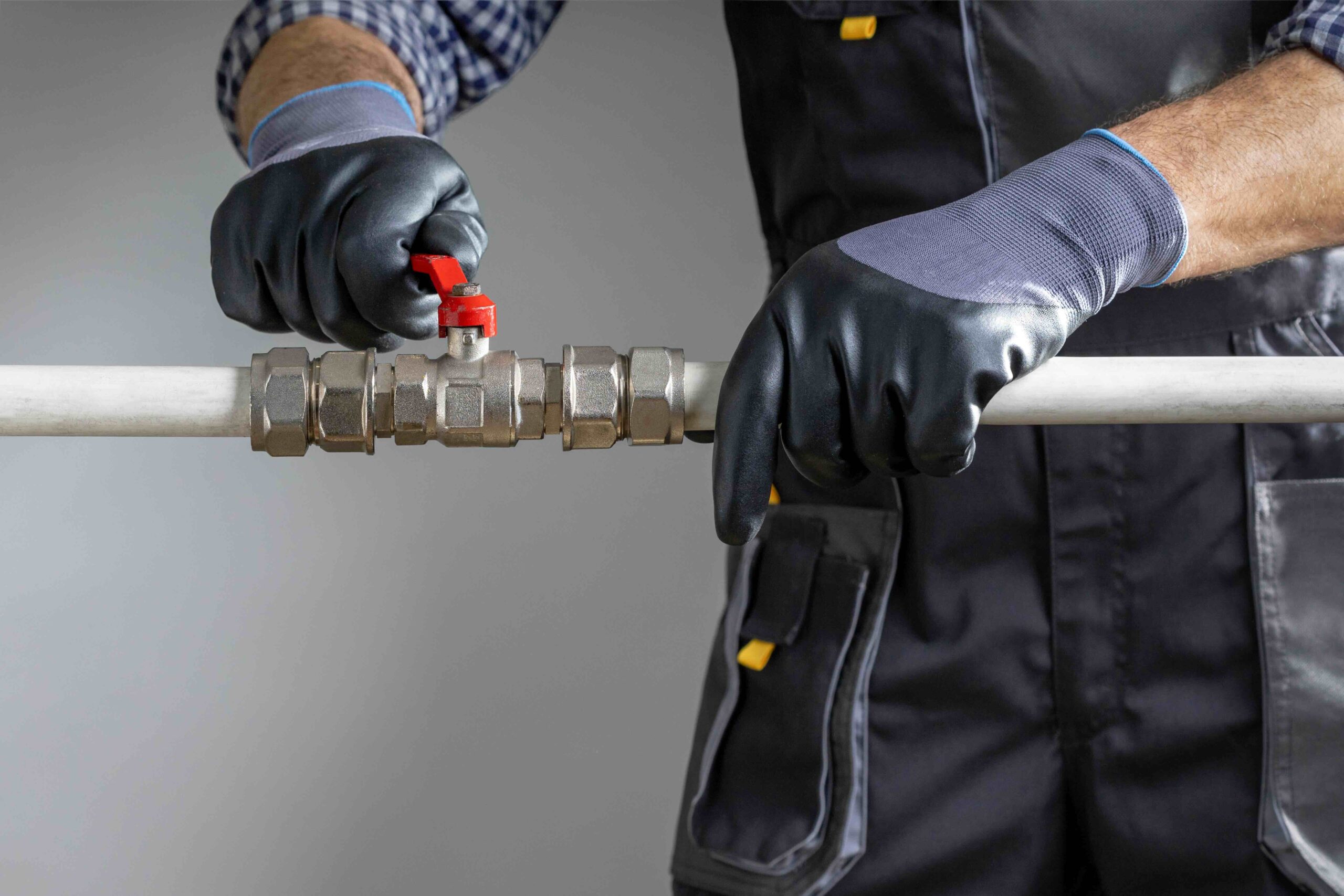
The water main stop tap—sometimes called the main shut-off valve—is a valve used to control the flow of water from the main municipal supply into your home. It’s usually found where the water supply pipe enters the building, often under the kitchen sink, in a utility closet, basement, or even outside near the property’s boundary line. Think of it as the master switch for your home’s water system. When open, water flows freely. When closed, the water inflow is completely shut off. In emergencies such as a burst pipe or after a detected leak, it allows you to immediately stop the water from continuing to damage your home. In everyday situations, it’s useful when plumbing repairs are needed or when appliances like dishwashers or water heaters are being installed or replaced.
How It Works
Functionally, most stop taps operate via a simple rotary handle mechanism. When turned clockwise, it tightens and closes the valve, blocking water flow. Turned counterclockwise, the valve opens, restoring flow. Internally, the valve controls water flow using a compression washer or ceramic disc to block or release the passage. While the design varies depending on the age and material of your plumbing, the concept remains consistent: it enables or disables water entering your home at the source. Keeping it in good working condition is vital. If neglected, it can seize up or corrode, leaving you without a reliable backup in an emergency.
Benefits of Knowing and Using Your Water Main Stop Tap
Familiarity with your stop tap is more than just a maintenance checkmark—it’s a functional advantage. First and foremost is emergency readiness. A fast response is critical when a pipe bursts or a major leak occurs. The ability to shut off water instantly can save thousands of dollars in water damage remediation and repairs. It also supports smoother home improvements. Whether you’re swapping fixtures, installing a new appliance, or renovating a bathroom, you’ll likely need to disengage the water supply. Accessing the stop tap provides an essential step in safely completing those projects. Lastly, in cold climates, particularly during winter, temporarily shutting off the water main while leaving faucets open can help prevent frozen pipe expansion if you’re vacating your property for a period of time. It’s a simple control, offering significant peace of mind.
Common Issues and Drawbacks
Despite its importance, the stop tap is not immune to problems. Over time, especially in older homes or in areas with hard water, these valves can become stiff, corroded, or stuck completely. If it hasn’t been used in several years, there’s a real risk it won’t move when you need it most. In some cases, turning a seized valve can result in breakage or further internal damage that leads to leaks. There’s also the risk of incomplete shutoff—when mineral buildup or internal wear prevents a full seal. That can leave water trickling into the system even when you believe everything is safely off. Unfortunately, access can also be an issue. Some stop taps are located in hard-to-reach or concealed areas. In older properties, they might even be buried under floorboards or encased behind cabinetry. Identifying, testing, and maintaining your stop tap remains key to avoiding future frustration.
How to Locate and Test Your Stop Tap
Locating your water main stop tap should be a priority. Start by tracing the cold water line from your kitchen sink or utility room back toward where the pipe enters from outside. In modern homes, you’ll often find it housed inside a wall-mounted utility box near the front of the home or in the basement. In flats or apartments, it may be shared between units and located in a communal hallway. Once found, test it by gently turning the handle clockwise. It should offer firm resistance without being impossible to turn. Don’t force it if it’s stuck—that could damage the valve. If it turns, check your faucets to confirm water has stopped flowing completely. Then reopen it by turning it counterclockwise. If any inconsistency, stiffness, or leaks are observed during this process, a plumber should be engaged to either service or replace the stop tap. This test should be performed at least once a year to ensure reliability during unplanned emergencies.
When Repair or Replacement Is Needed
If your stop tap doesn’t fully close, has a leaking spindle, is visibly corroded, or feels unusually loose or difficult to turn, it’s time for professional maintenance or replacement. Even modern-day taps made from corrosion-resistant materials can fail from sediment buildup, overuse, or simple aging. Replacing the valve often involves shutting off the municipal supply externally, unscrewing the old unit, and fitting a new, code-compliant fixture. In some municipal districts, only licensed professionals or utility providers are authorized to shut off water at the street connection, so it’s not always a solo job. Always consult your local building codes and water authority policies before attempting repair. Preventative replacement, while seemingly unnecessary, can pay for itself in avoided water damage and faster emergency response times.
How a Home Warranty Helps Protect Plumbing Systems
Many aspects of your plumbing system, including pipes, valves, and fixtures, are covered under home warranty policies that help homeowners manage the significant costs associated with wear and tear or unexpected failure. While the water main stop tap itself may fall under specific eligibility criteria depending on coverage terms, issues tied to plumbing access and water shutoff mechanisms are commonly addressed through service calls outlined under warranty benefits. This is where forward-thinking protection comes into play. Rather than facing a sudden plumbing emergency or repair entirely out-of-pocket, homeowners can lean into their warranty plan to offset the labor and replacement costs associated with service repairs. Understanding your plumbing system is powerful. Pairing that with a responsive warranty? That’s even better.
Protect What Matters with Armadillo
Reliable plumbing starts with a functioning infrastructure—and that includes your main water stop tap. When emergencies happen, time and tools matter, but so does a smart layer of protection. That’s where Armadillo steps in. Our customizable home warranty plans help cover the unexpected, like plumbing repairs, leaks, and system failures that can upend your day—and your budget. Whether you’re safeguarding the basics or enhancing peace of mind in older properties, Armadillo helps you protect your home confidently. Visit us at armadillo.one to learn more about how we support homeowners. Ready to start building your plan today? Head to our sign-up page at app.armadillo.one/plan-builder and take control of your home’s future, one stop tap at a time.