How to Use Your Ceiling Fan in Winter for Energy Efficiency
The ceiling fan is a fixture often associated with summer, quietly spinning overhead to deliver relief from heat. But surprisingly, it can play just as important a role in winter—if used correctly. While your heating system carries most of the burden during colder months, your ceiling fan can assist in improving energy efficiency and overall comfort throughout your home. However, this strategy is often overlooked due to common misconceptions or simply because many homeowners aren’t aware of the winter functionality ceiling fans offer. So, let’s break this down: what exactly does a ceiling fan do in winter, how does it work, and why should homeowners care?
Understanding How a Ceiling Fan Works
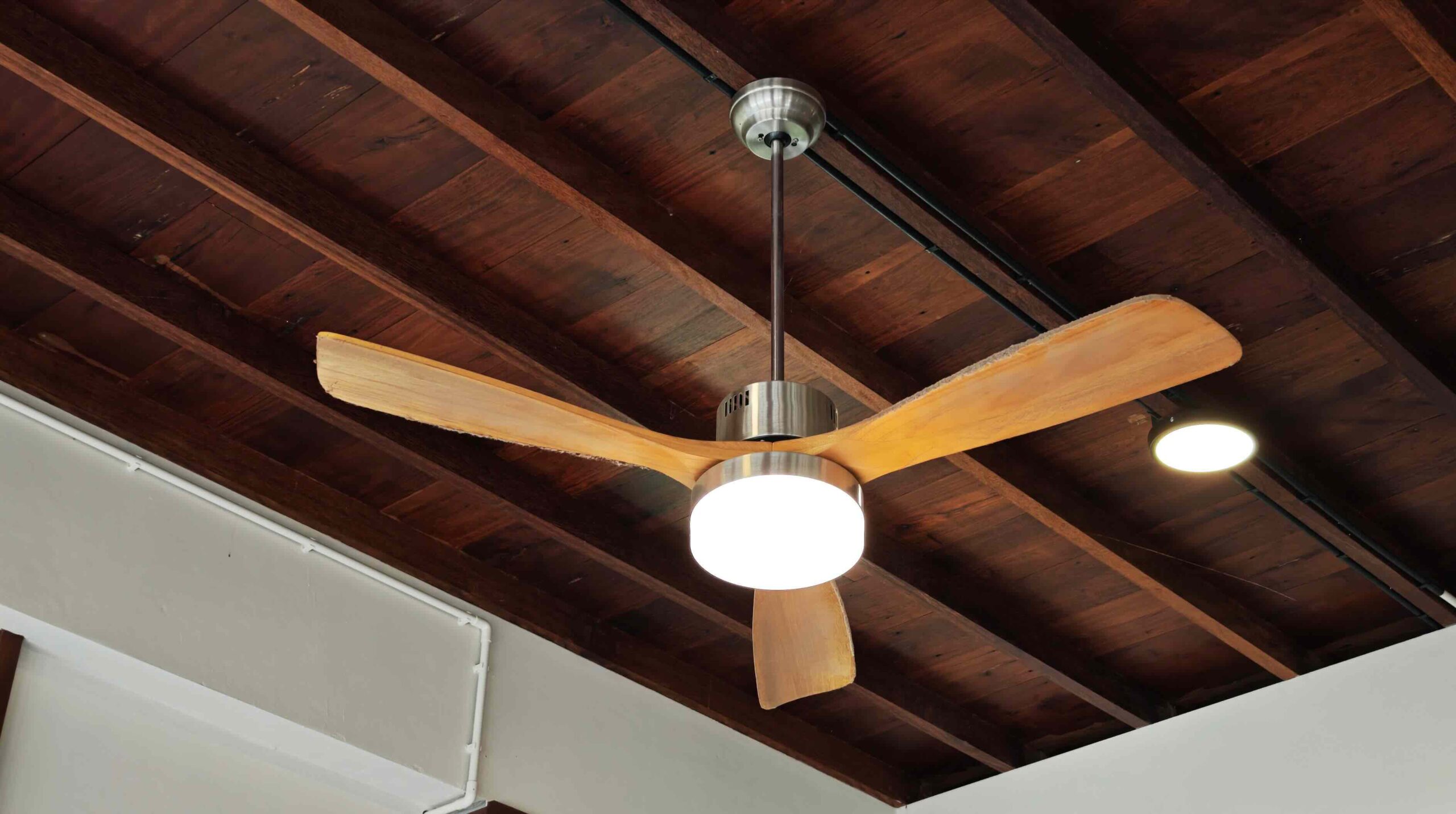
A ceiling fan does not heat or cool a room like your HVAC system. Instead, it circulates air to regulate the feeling of temperature in a space. During the summer, the blades turn counterclockwise to create a downdraft—pushing air directly downward to create a wind chill effect. In winter, however, most ceiling fans have a switch on the motor housing that reverses blade rotation to clockwise. This creates an updraft, pulling cool air upward and gently pushing warm air—naturally rising toward the ceiling—back down along the walls and into the living space. This simple change can significantly improve how evenly heat circulates throughout a room.
Why Ceiling Fans Help in the Winter
Warm air tends to accumulate near the ceiling, leaving the occupied part of a room—where we sit, sleep, or work—feeling cooler than it actually is. This temperature layering causes heating systems to run longer to meet the thermostat’s demand, especially if that thermostat is sensing cooler air at lower elevations. Reversing your ceiling fan redistributes the warm air trapped near the ceiling, creating a more balanced room temperature. The result is potentially reduced workload on your furnace, which could mean lower energy bills and an extended life cycle for your heating system.
The Energy Efficiency Benefits
Using ceiling fans in winter aligns with several energy efficiency goals. First, by helping warm air circulate more effectively, the fan enables your heating system to maintain desired temperatures using less energy. Studies from the U.S. Department of Energy suggest ceiling fans can allow thermostat adjustments of up to four degrees without sacrificing comfort. This can translate into real savings over the course of a winter season. Furthermore, a reduced reliance on your furnace means lowered emissions and less wear-and-tear over time, contributing to a more sustainable and cost-effective home maintenance strategy.
Ideal Settings for Winter Usage
To take advantage of winter energy savings using a ceiling fan, the fan blades must turn at a low speed in a clockwise direction. Most fans include a small switch on the main motor assembly to reverse blade direction. Once this is set properly, the fan will gently pull air upward, displacing warm air from the ceiling and moving it down the sides of the room. It’s important that the speed remains low—to avoid creating a draft—since the purpose is to move air subtly rather than for cooling. In rooms with high or vaulted ceilings, this technique is particularly beneficial, as warm air accumulates even higher out of reach.
Common Mistakes and Drawbacks
While helpful, using a ceiling fan in winter comes with a few caveats. Running the fan unnecessarily when the room is unoccupied wastes energy rather than saves it. Also, if the direction of the fan is incorrect—still set to counterclockwise in winter—it may actually make you feel cooler, increasing demand on your heater and reversing the intended benefits. Some older fans don’t have a reverse function at all, making them less effective for seasonal adjustments. Lastly, poor maintenance—like dusty blades or unstable fixtures—can limit airflow and contribute to indoor air quality issues if neglected. A simple habit of switching direction seasonally and regular cleaning can ensure performance stays optimal.
How This Relates to Home Warranties
Ceiling fans, while not the most expensive item in a home, are part of larger system performance and occupant comfort. However, they often interact with or depend on other systems, namely HVAC, lighting circuits, or circuit breakers. If you notice that your fan isn’t operating correctly in reverse, or becomes noisy or unresponsive with seasonal changes, this could be indicative of electrical issues or motor problems. These are the types of system interactions that can be addressed through a home warranty. A comprehensive home warranty can provide coverage for electrical systems, motor-driven components, and even certain ceiling fan issues when they result from everyday wear and tear. Recognizing how even modest systems interact allows a warranty to play an important supporting role.
Making the Most of Seasonal Home Adjustments
Transitioning your ceiling fan into winter mode should be part of a broader seasonal home maintenance routine. This includes inspecting weather stripping on doors and windows, servicing your furnace or heat pump, ensuring adequate insulation, and checking programmable thermostat settings. These steps work in tandem to create a home that is energy-efficient, cost-effective, and comfortable no matter the time of year. Though often unconsidered, small adjustments—like reversing the ceiling fan—amplify the performance of larger, more expensive systems and contribute to a healthier, more balanced indoor living environment.
Why Armadillo Can Help Protect Key Systems That Support Your Comfort
When every part of your home is working together, things just feel better. Your ceiling fan is a minor player, but it connects to bigger systems—electrical circuits, HVAC, attic insulation—that all rely on each other. If one piece fails, your indoor comfort could take a hit. That’s where Armadillo comes in. With flexible and straightforward home warranty plans, Armadillo covers the systems and appliances that matter most in your home, including the ones that make your ceiling fan matter more. Explore our coverage options by visiting armadillo.one. Ready to build a plan that fits your zip code and your comfort level? Start here: plan your coverage.