Why Your Maytag Dishwasher Won’t Drain — And What You Should Do About It
You open the dishwasher expecting clean, dry dishes. Instead, you find a pool of murky water sitting at the bottom. It is frustrating, a little gross, and honestly, more common than most people realize. A Maytag dishwasher that won’t drain is one of the most frequently reported appliance issues among homeowners, and understanding why it happens — and what your options are — can save you a lot of stress and money. This article walks you through everything you need to know, from the likely culprits to how a home warranty fits into the solution.
How a Dishwasher Drain System Actually Works
Before diagnosing the problem, it helps to understand the basics. Your dishwasher drains through a pump that forces water out through a drain hose connected to either your kitchen sink drain or garbage disposal. The drain cycle is triggered at the end of each wash cycle, and the pump — driven by a motor — pushes water up and out. A check valve prevents that water from flowing back in. When any part of this chain fails or gets clogged, water has nowhere to go. Simple in theory, slightly more complicated when something goes wrong.
The Most Common Reasons a Maytag Dishwasher Won’t Drain
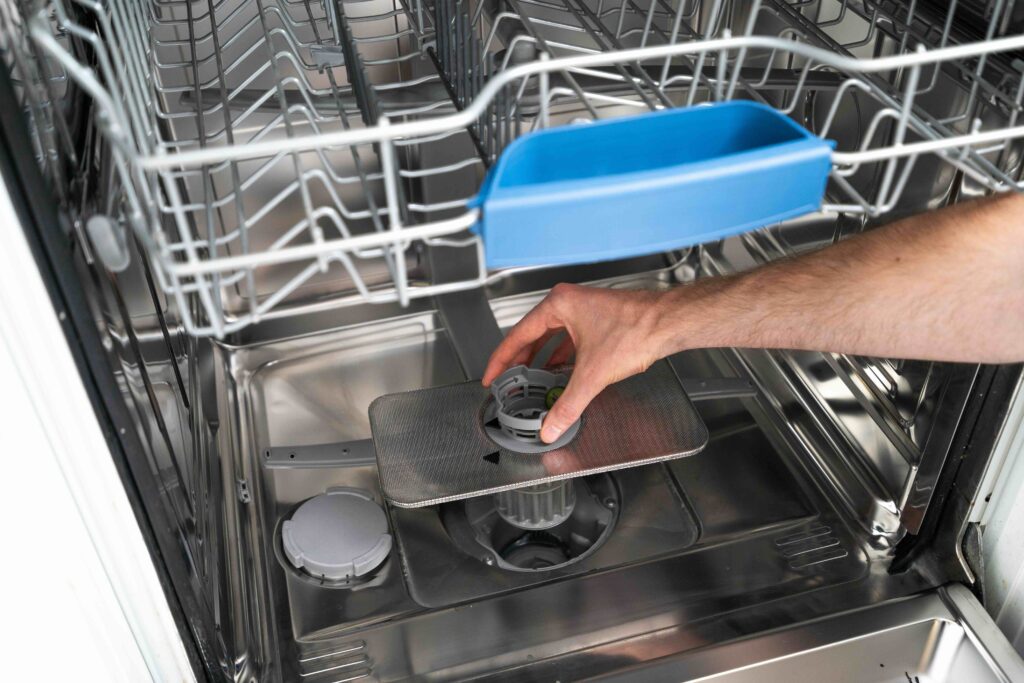
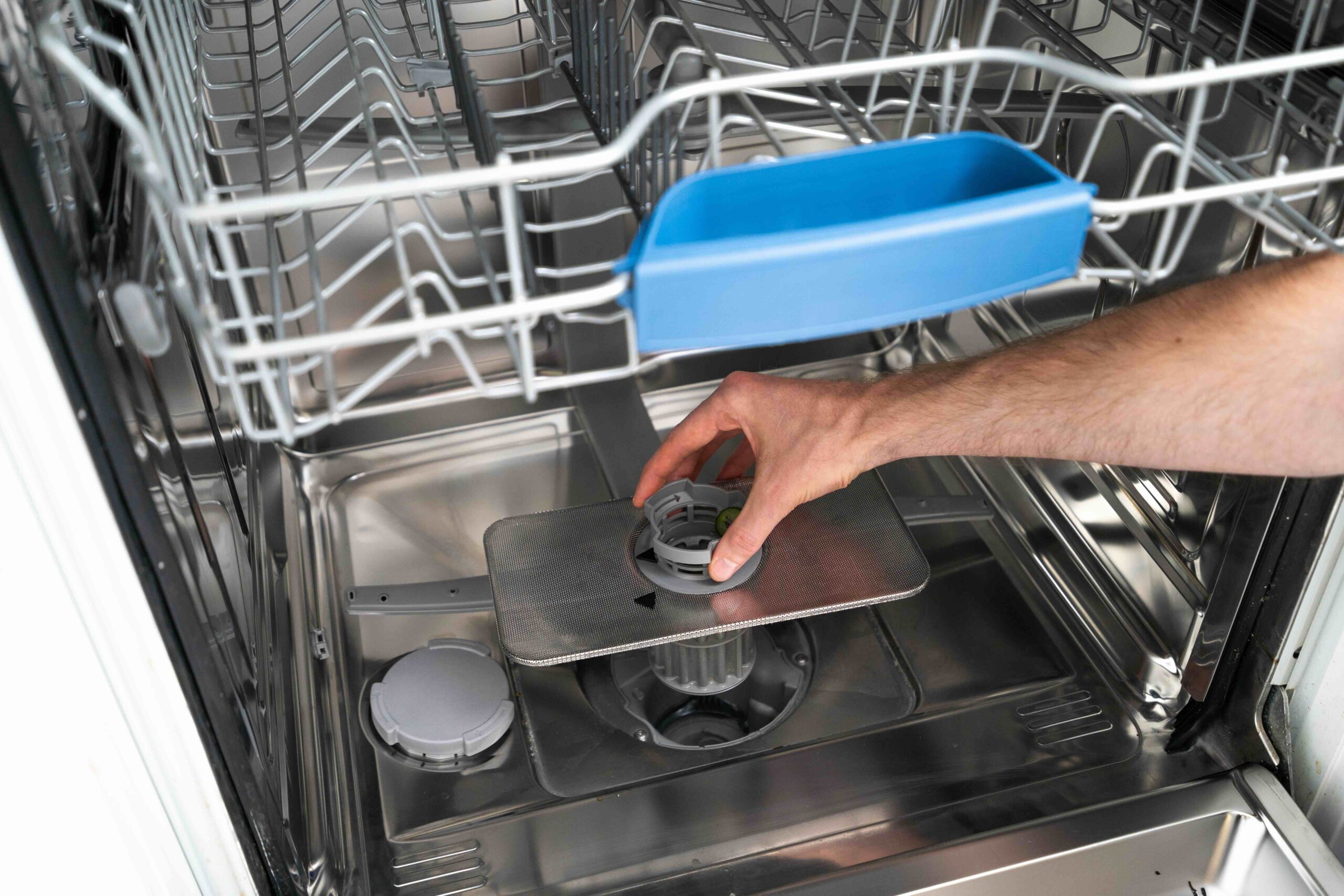
There is rarely just one answer here, but a few causes show up repeatedly. The drain filter is the first place to check. Maytag dishwashers have a manual-clean filter located at the bottom of the tub, and if it has not been cleaned in a while, food debris and grease can block water from passing through. Beyond the filter, a kinked or clogged drain hose is another usual suspect. The hose runs from the pump to the sink, and over time it can become obstructed or positioned incorrectly. If your home has a garbage disposal that was recently installed or replaced, a knockout plug inside the disposal inlet may not have been removed — that alone will block drainage completely. Finally, a failed drain pump or a broken pump motor can stop drainage entirely, and those are not DIY fixes.
Quick Checks Every Homeowner Can Do First
- Remove and clean the drain filter at the base of the dishwasher tub using warm soapy water and a soft brush.
- Inspect the drain hose behind the unit for kinks, bends, or visible blockages.
- Check that the garbage disposal knockout plug has been removed if a new disposal was recently installed.
- Run the garbage disposal before starting the dishwasher to clear any food buildup in the shared drain line.
- Make sure the dishwasher door is latching fully — an incomplete latch can interrupt the drain cycle on some models.
These are low-effort checks that cost nothing and sometimes solve the problem immediately. If none of them produce results, the issue is likely mechanical — and that is where things get more involved.
When the Problem Is Mechanical: Drain Pump and Motor Issues
The drain pump is the heart of the drainage system, and when it fails, water stays put. You might hear humming or buzzing during the drain cycle — that often signals the motor is trying but failing to operate. In some cases, a small object like a piece of glass or a broken utensil tip has jammed the pump impeller, the small rotating component that moves the water. Clearing that jam sometimes restores function. But if the motor itself has burned out, the pump will need to be replaced. This is a repair that typically requires a technician, and depending on the age of the appliance, the cost can range from modest to surprisingly close to the price of a new unit.

The Role of the Drain Hose and High Loop Installation
The drain hose setup matters more than most homeowners realize. For proper drainage and to prevent backflow, the drain hose should be installed in a high loop configuration — meaning it arches upward to the underside of the countertop before connecting to the sink drain or disposal. Without this high loop, wastewater from the sink can flow back into the dishwasher, creating standing water that looks like a drainage failure but is technically a backflow issue. If your dishwasher was recently installed or moved, this is worth confirming. It is an easy fix when identified early.
Error Codes That Point to Drain Problems on Maytag Models
Many Maytag dishwasher models use error codes displayed on the control panel to communicate what is wrong. A drain-related error — sometimes shown as F8E4 or similar depending on the model — indicates the control board has detected a drainage fault. When you see a code like this, consult your owner’s manual or the Maytag support documentation for your specific model number. These codes do not always mean the worst-case scenario, but they confirm that the machine has recognized a problem in the drain cycle. Documenting the code before calling a technician is genuinely useful — it gives the repair professional a starting point.
Repair Costs and Whether They Make Financial Sense
This is where a lot of homeowners pause and reconsider. A basic drain hose replacement might run between $75 and $150 including labor. A drain pump replacement can range from $150 to $350 or more depending on the parts and the technician. If the control board is involved, costs can climb higher. For a dishwasher that is already 8 to 10 years old, there is a legitimate question about whether repair costs are worth it. The general rule of thumb — if the repair costs more than half the price of a new comparable unit, replacement deserves serious consideration. That said, coverage through a home warranty changes this math significantly.
What Homeowners Often Get Wrong About Maintenance
- Skipping filter cleaning for months at a time is the single most common cause of avoidable drain issues.
- Using the wrong type or too much dishwasher detergent can create excess suds that interfere with drainage sensors.
- Overloading the dishwasher or blocking the spray arms can cause incomplete cycles that appear to be drain failures.
- Not running the hot water at the sink before starting the dishwasher can affect cycle performance on older models.
Preventive maintenance is genuinely underrated here. A dishwasher that is cleaned and used correctly will have far fewer drainage issues over its lifetime. That said, mechanical failures still happen even with perfect maintenance habits — which is the whole point of having a protection plan in place.
Why a Home Warranty Makes Sense for Dishwasher Repairs
When a Maytag dishwasher stops draining due to a mechanical failure — a failed drain pump, a burned-out motor, a faulty control board — the repair is covered under most home warranty plans, provided the failure is not caused by misuse or neglect. That distinction matters, which is why keeping up with basic maintenance actually protects your warranty coverage. For homeowners who want real financial predictability, Armadillo home warranty coverage for kitchen appliances and home systems offers straightforward protection without the runaround that too many homeowners have experienced elsewhere. When your dishwasher fails, the last thing you want is a complicated claims process or a long list of exclusions buried in the fine print. Armadillo keeps it transparent, and you can get a personalized home warranty quote to cover your dishwasher and major appliances in just a few minutes. For a repair that can easily cost $200 to $350 out of pocket, coverage pays for itself fast.

Frequently Asked Questions About Maytag Dishwasher Drainage Issues
These are the questions homeowners ask most often when dealing with a dishwasher that won’t drain — answered clearly and directly.
Why is there standing water at the bottom of my Maytag dishwasher?
Standing water at the bottom of a Maytag dishwasher is most commonly caused by a clogged drain filter, a blocked drain hose, or a failed drain pump. Start by cleaning the filter and checking the drain hose for kinks before assuming the pump has failed.
Is it normal for a small amount of water to remain at the bottom of the dishwasher?
A very small amount of water — typically less than one cup — at the base of the tub after a completed cycle is considered normal by most manufacturers, including Maytag. It helps keep the door seal from drying out. A larger pool of water is not normal and indicates a drainage issue.
Can a clogged garbage disposal cause my Maytag dishwasher to not drain?
Yes. The dishwasher drain hose typically connects to the garbage disposal, so a clogged or full disposal can block the dishwasher from draining properly. Running the disposal before starting a wash cycle often resolves this.
How do I clean the drain filter on a Maytag dishwasher?
Locate the cylindrical filter at the base of the tub, twist it counterclockwise to remove it, and rinse it under warm running water. Use a soft brush to remove stuck food particles. Reinstall by twisting clockwise until secure. Maytag recommends cleaning the filter once a month under normal use.
What does the error code F8E4 mean on a Maytag dishwasher?
The F8E4 error code on a Maytag dishwasher indicates a draining error — the appliance’s control board has detected that water is not draining properly within the expected time. This can result from a clogged filter, blocked hose, or a failing drain pump.
How much does it cost to replace a drain pump on a Maytag dishwasher?
The cost to replace a Maytag dishwasher drain pump typically ranges from $150 to $350, including parts and labor. Costs vary based on the technician’s rates and your specific model. A home warranty plan can offset or eliminate this expense entirely.
Can I replace the dishwasher drain hose myself?
A drain hose replacement is a manageable DIY project for homeowners who are comfortable with basic appliance repair. The process involves pulling the dishwasher out from under the counter, disconnecting the old hose at both ends, and installing the new one. If you are unsure, a licensed appliance technician can complete the job quickly.
Does a home warranty cover Maytag dishwasher drain problems?
Most home warranty plans cover mechanical and electrical failures in dishwashers, including drain pump failures and motor issues, as long as the failure is not due to neglect or improper use. Routine maintenance tasks like cleaning the filter are typically the homeowner’s responsibility and are not covered.
How long do Maytag dishwashers typically last?
Maytag dishwashers are built to last approximately 10 to 13 years with proper maintenance. Regular filter cleaning, correct detergent use, and avoiding overloading can help extend the appliance’s lifespan toward the higher end of that range.
When should I replace my Maytag dishwasher instead of repairing it?
If your dishwasher is over 10 years old and the repair cost exceeds 50 percent of the price of a comparable new unit, replacement is generally the more financially sound decision. For newer units or those covered under a home warranty, repair is almost always the better route.